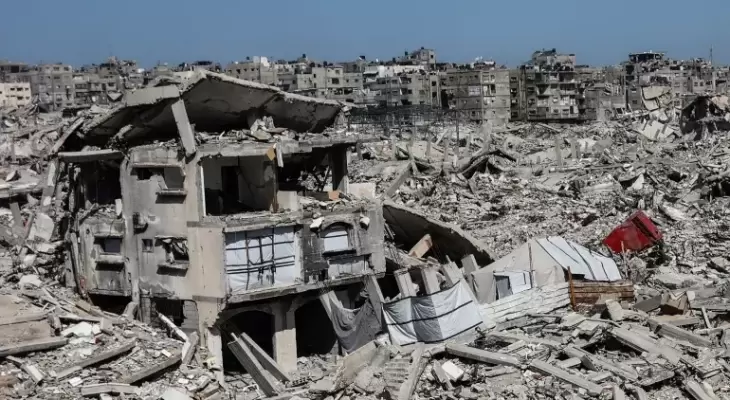
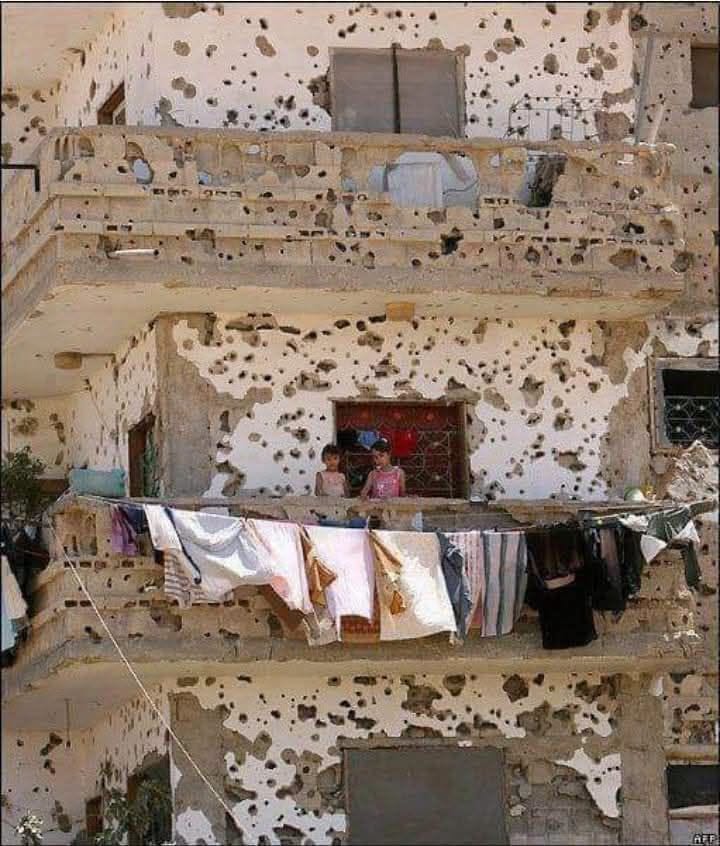
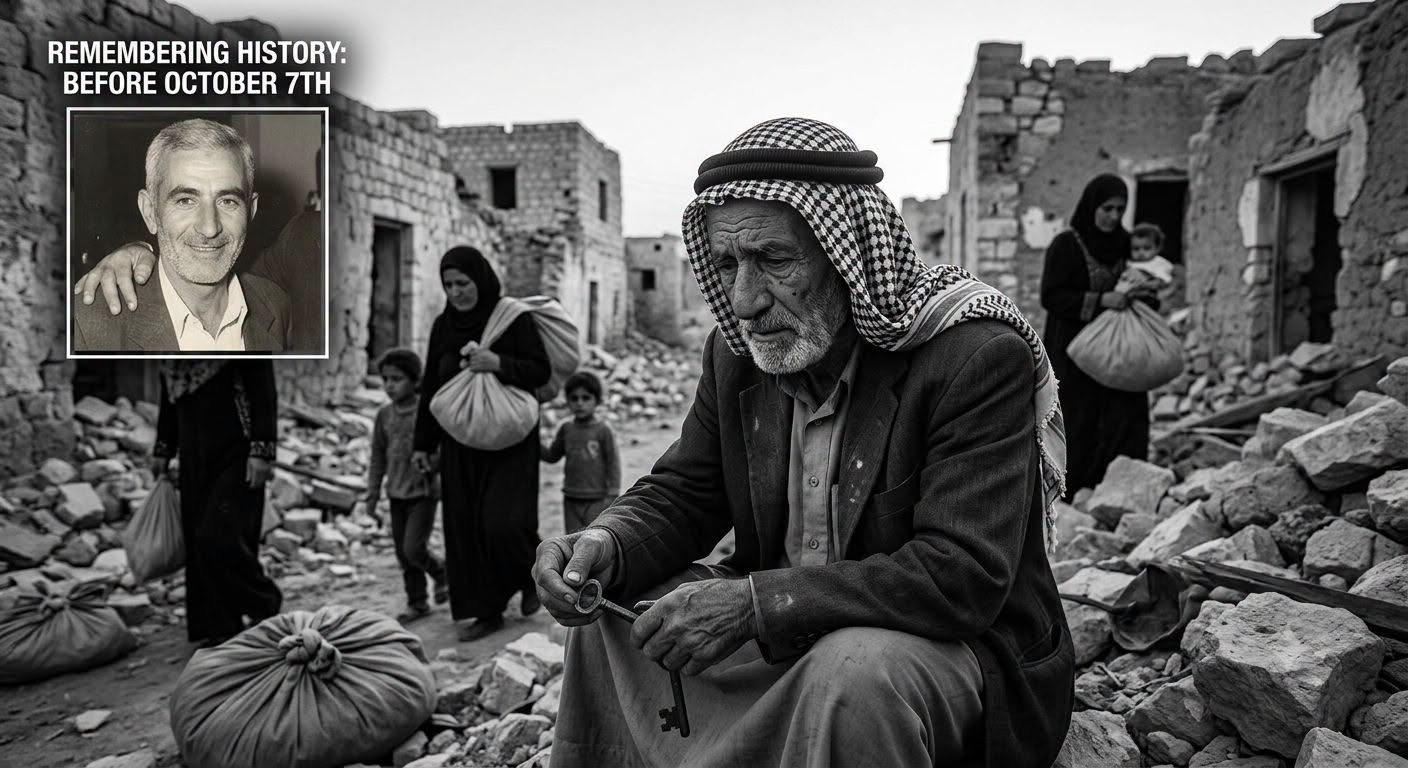
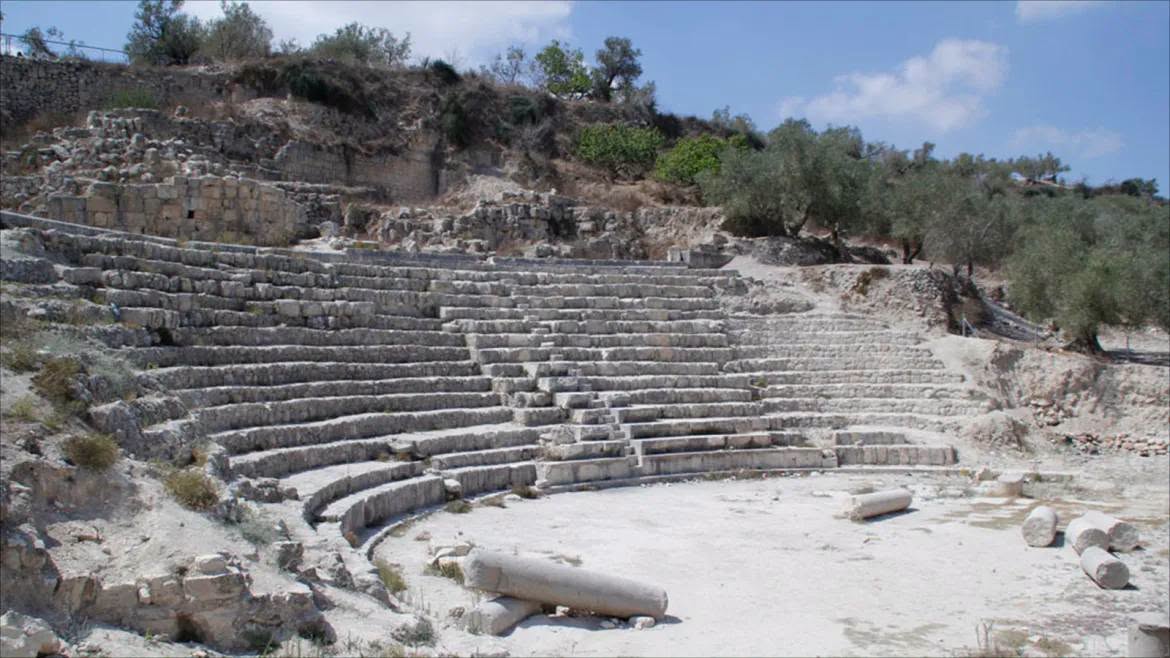
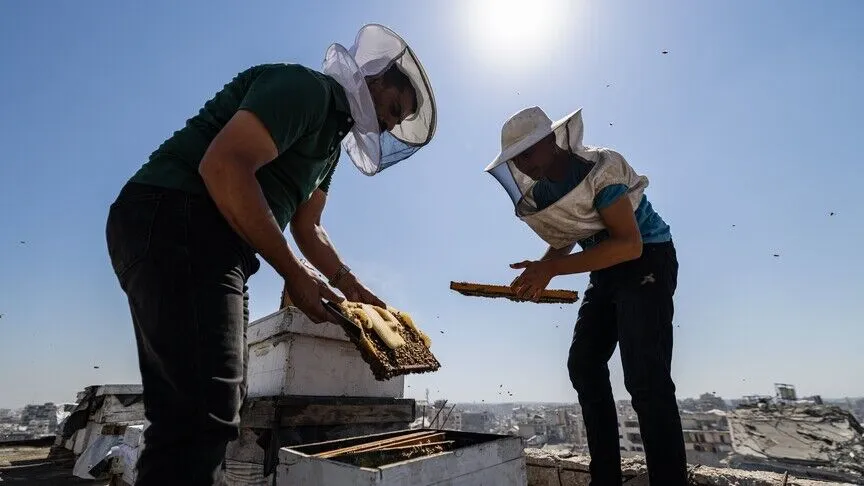
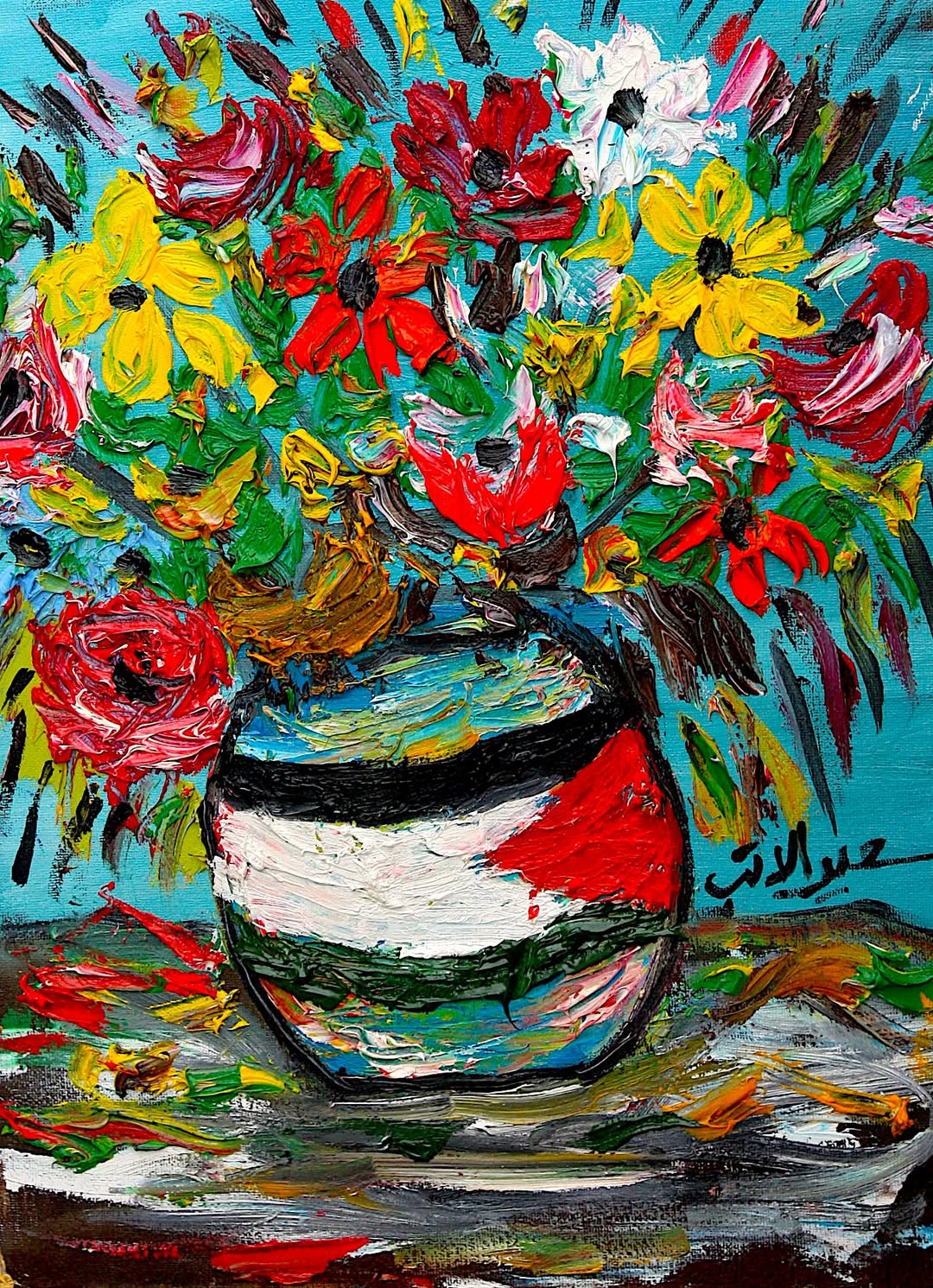
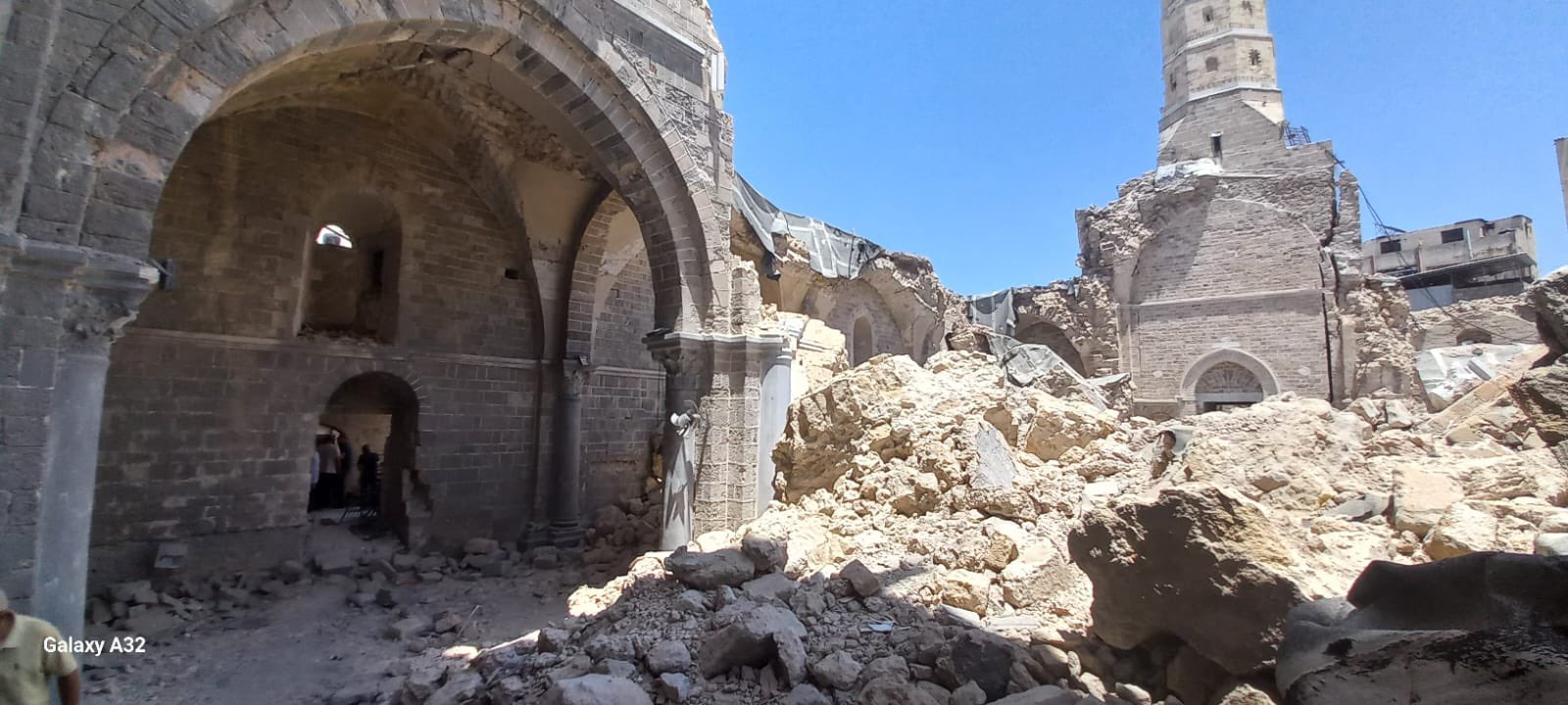
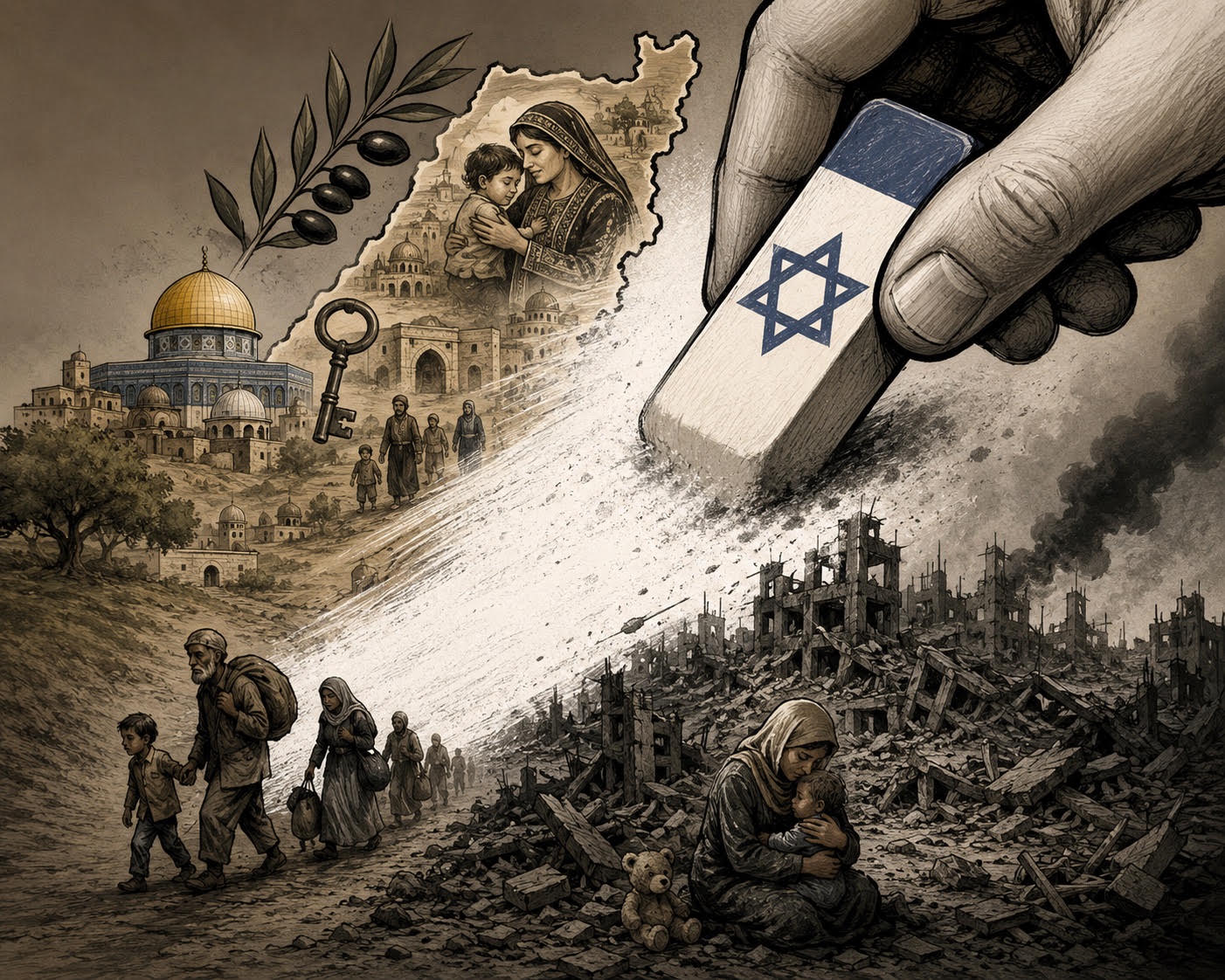
 Report: Israel Destroys 97% of Cultural Sites in Gaza
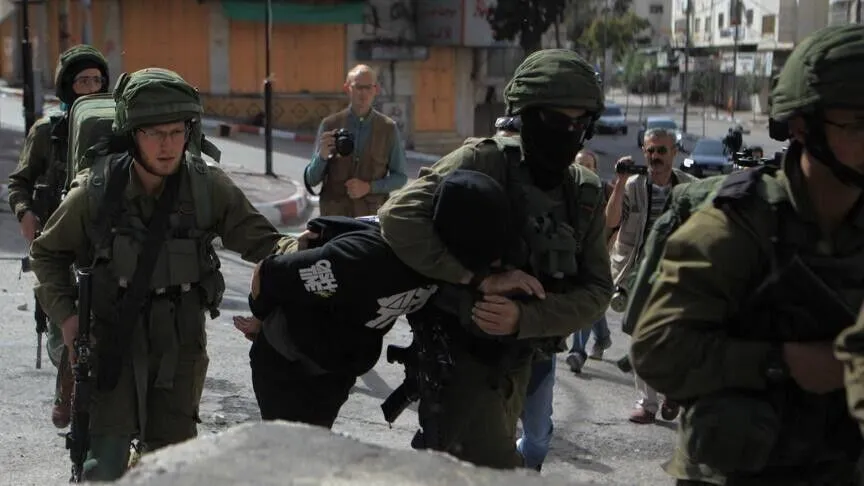
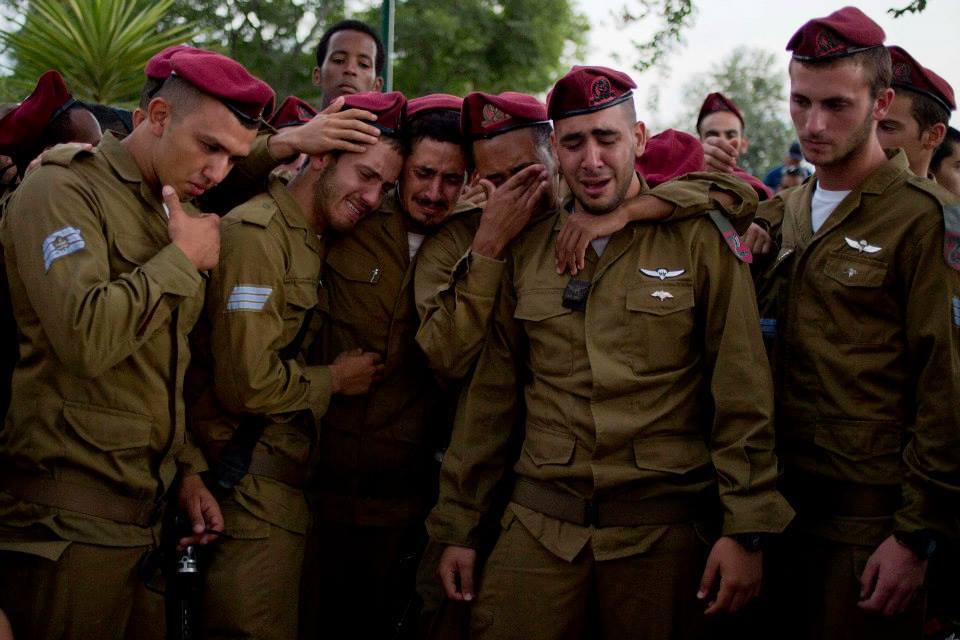 Two Israeli Female Soldiers Commit Suicides Days Within Each Other
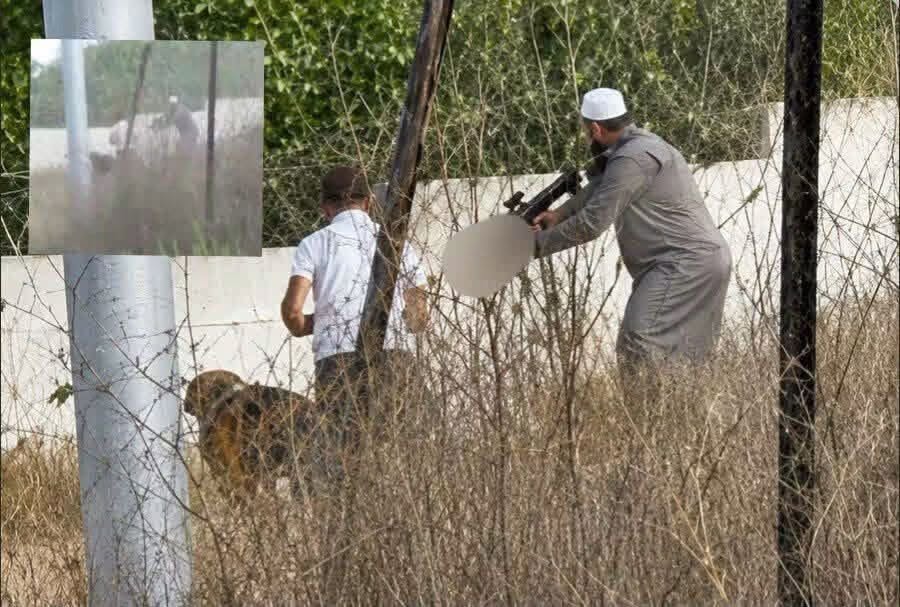
 Kareem Khan – Chronology of a Scandal: A View From Amman
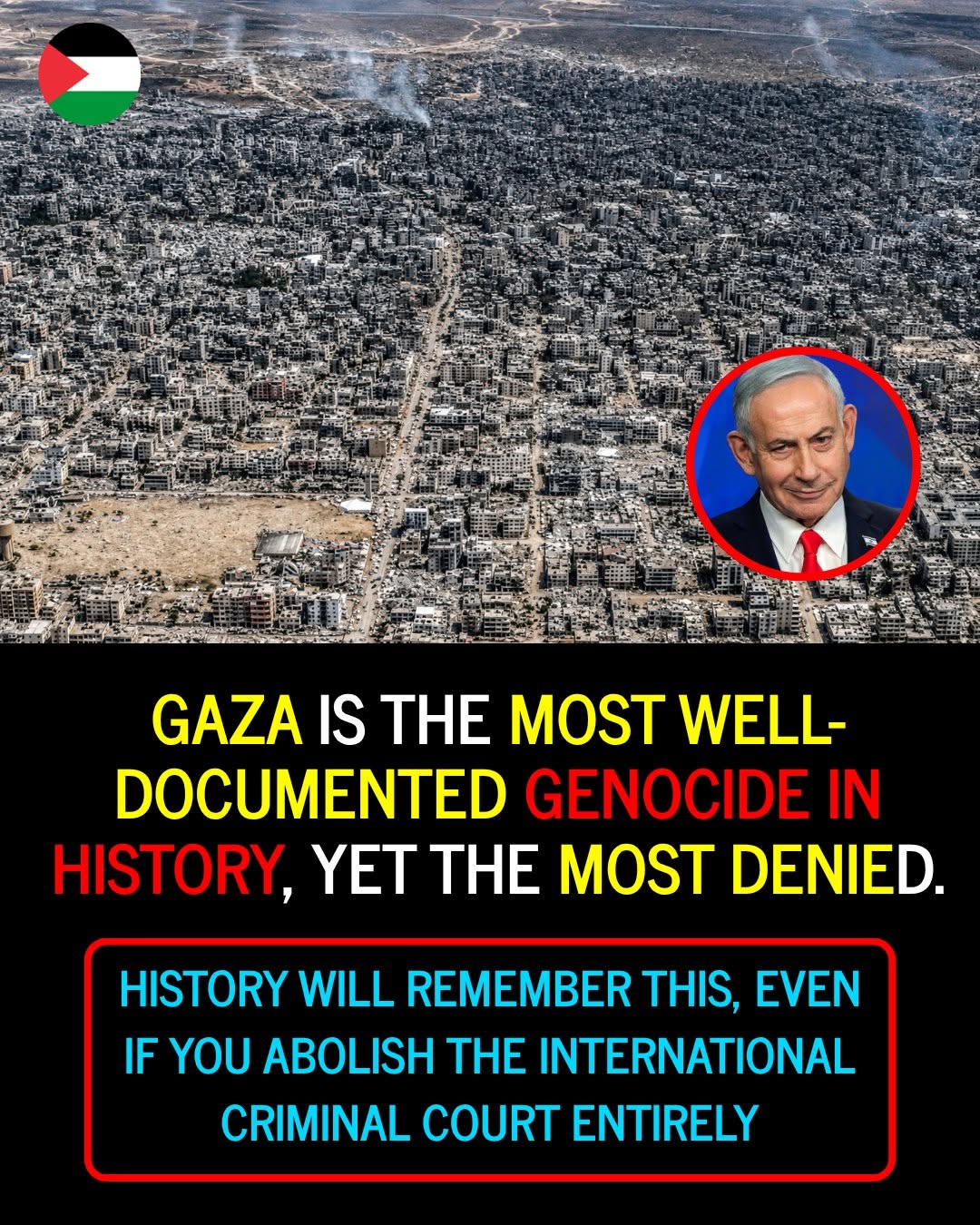 Documenting Genocide, Denying Genocide
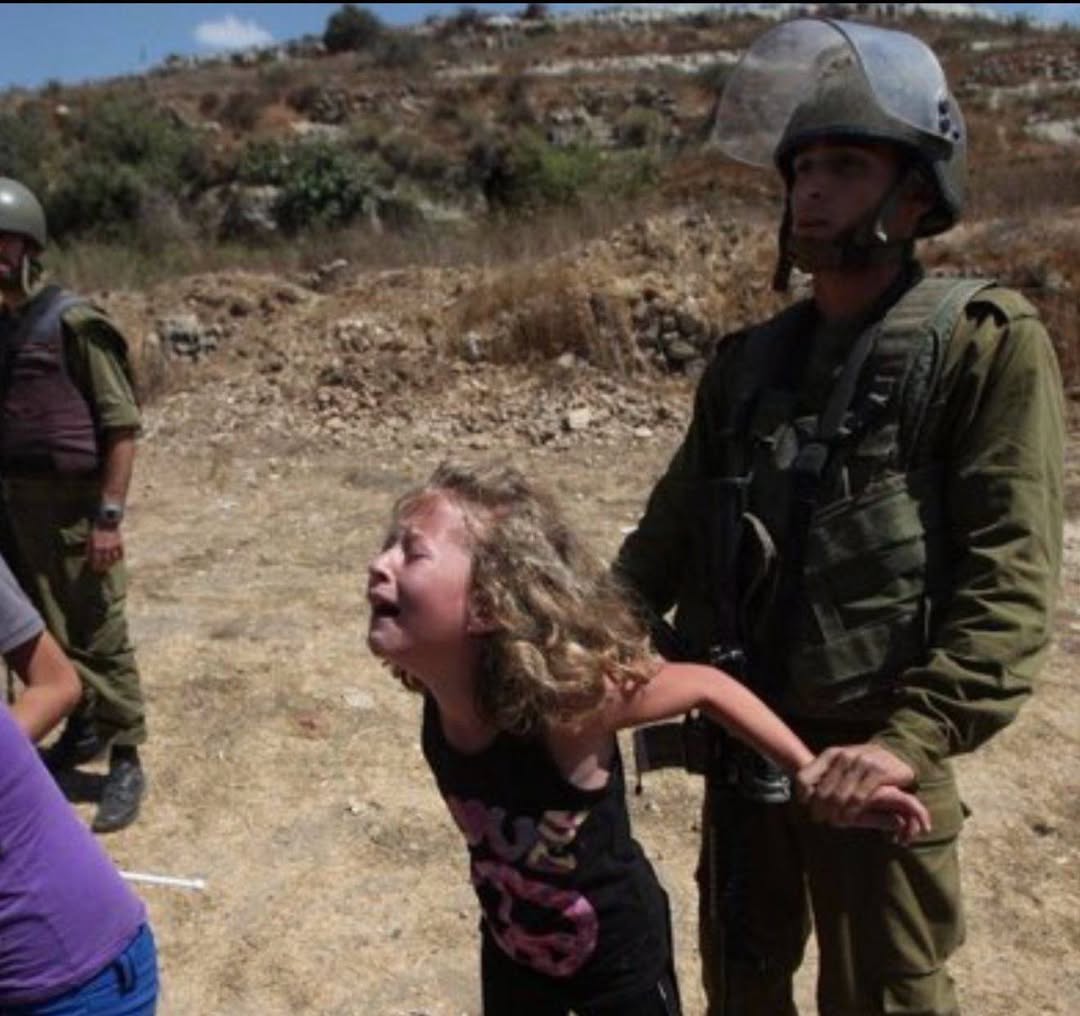 Pain of Gaza is a ‘Non-stop’ Israeli Stain

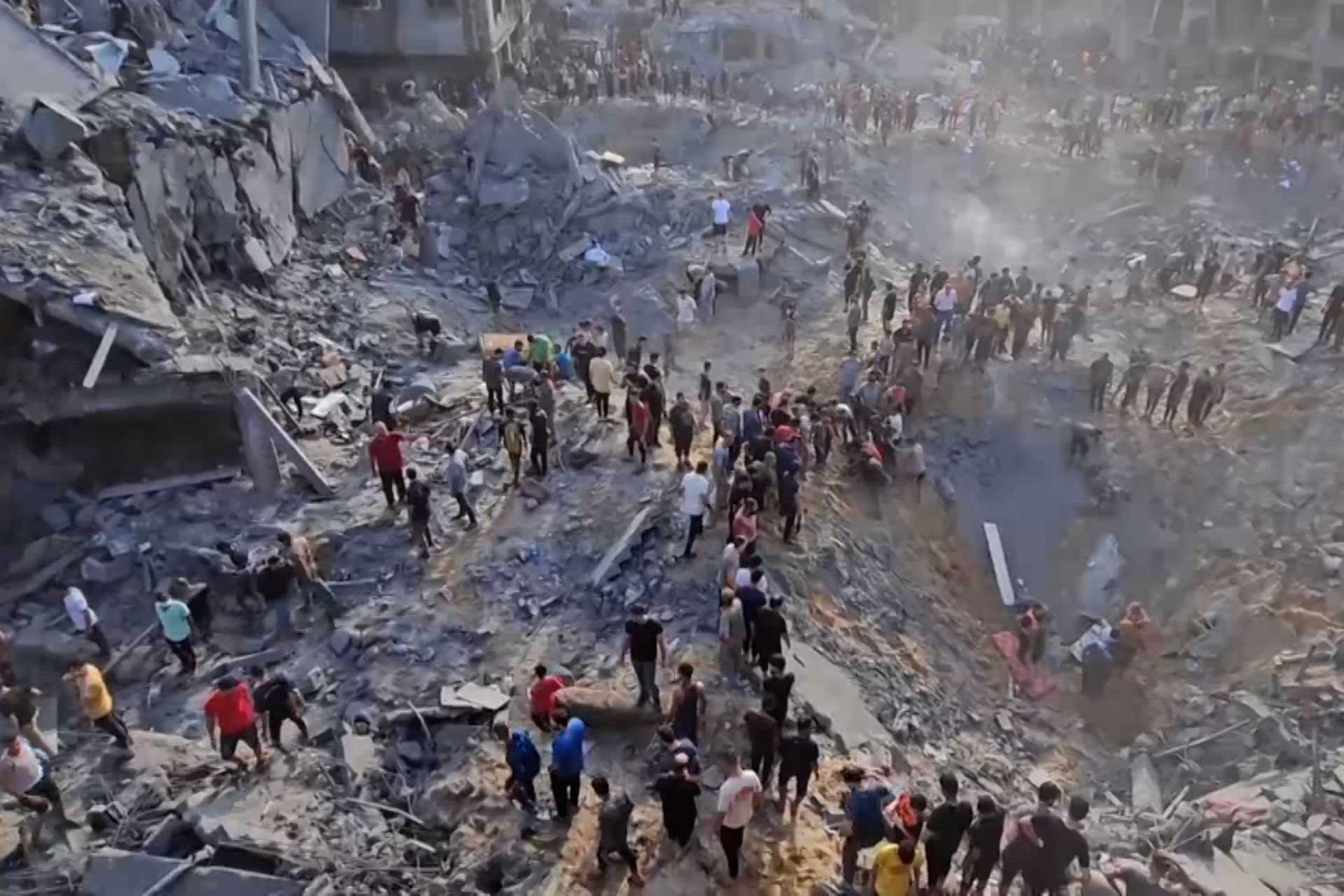
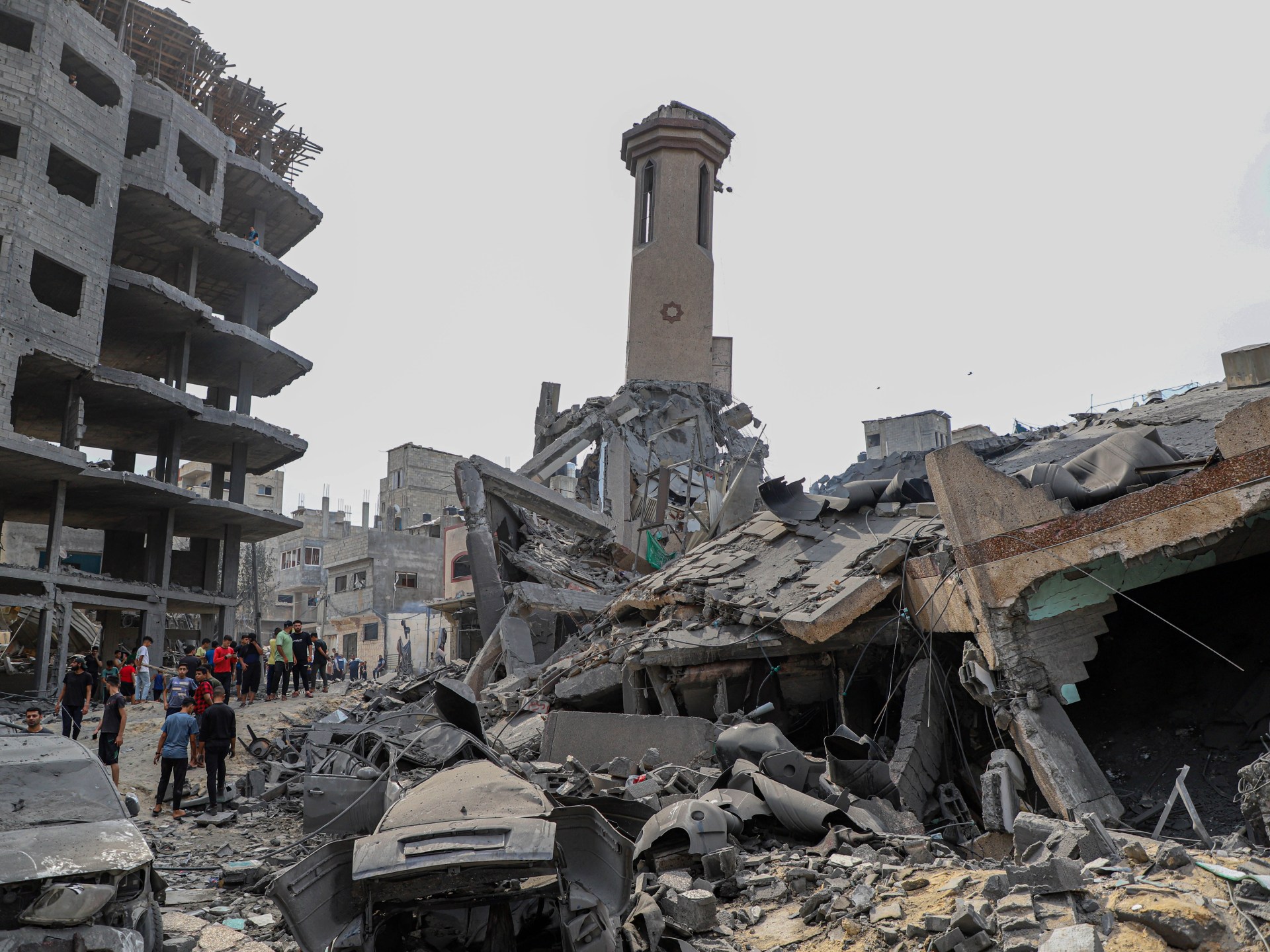
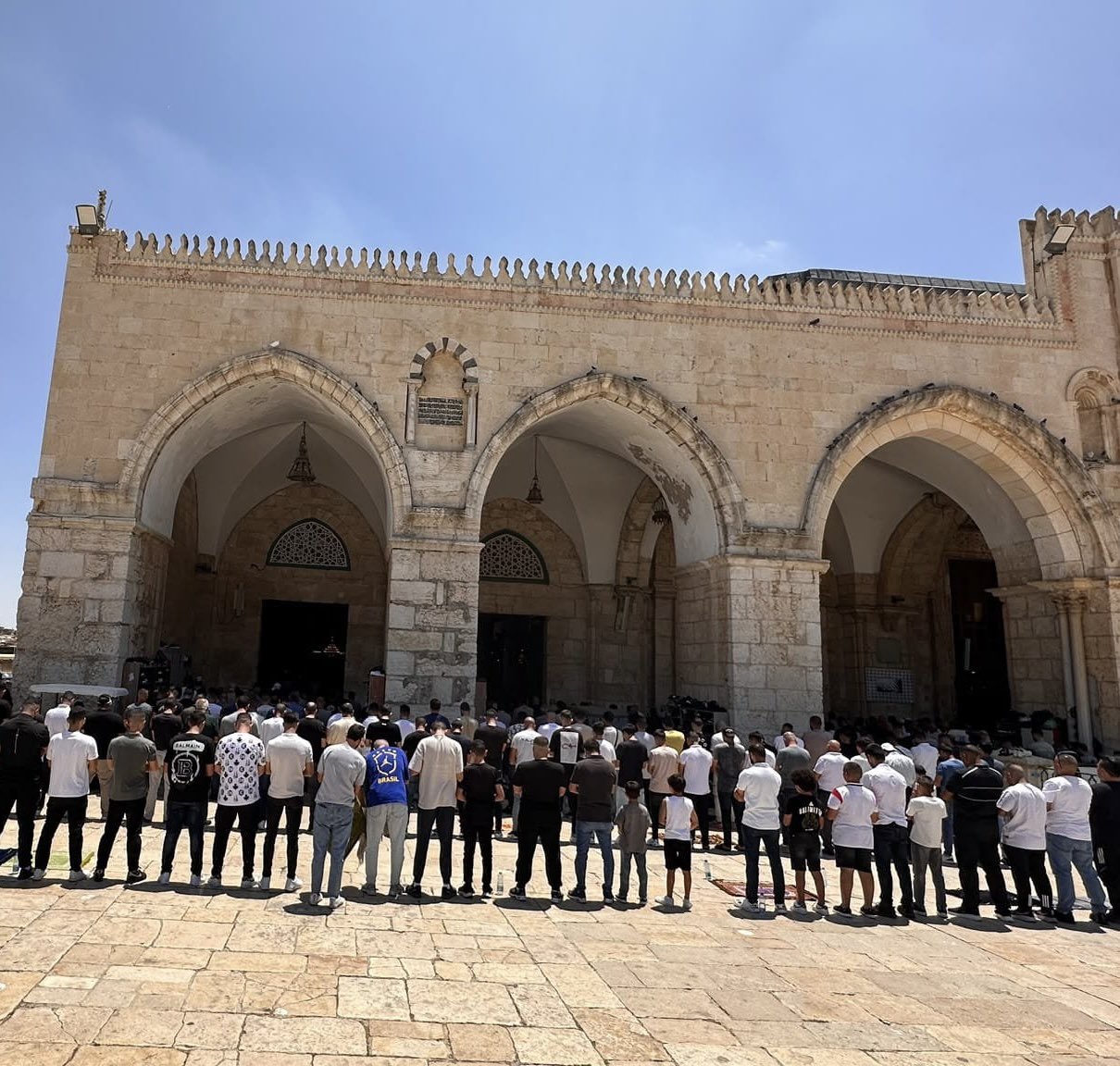
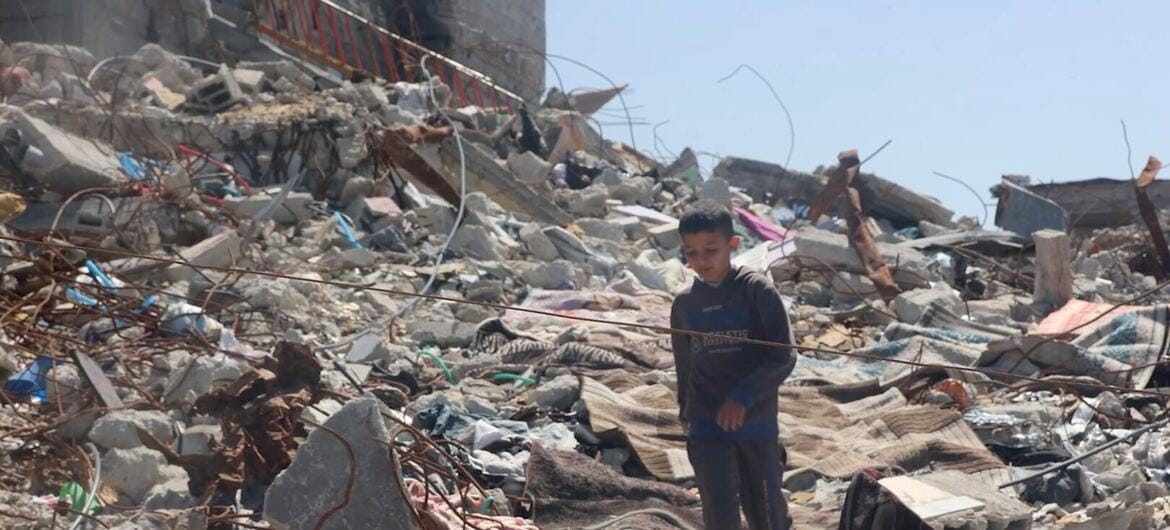
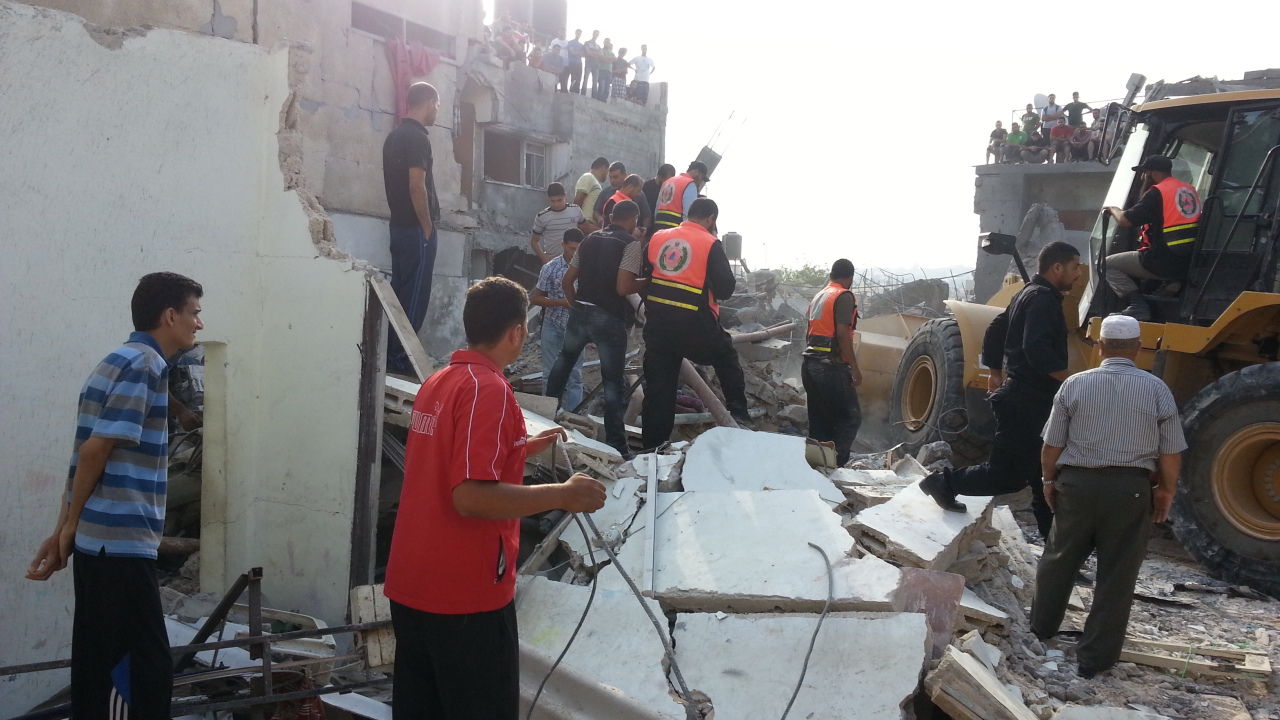
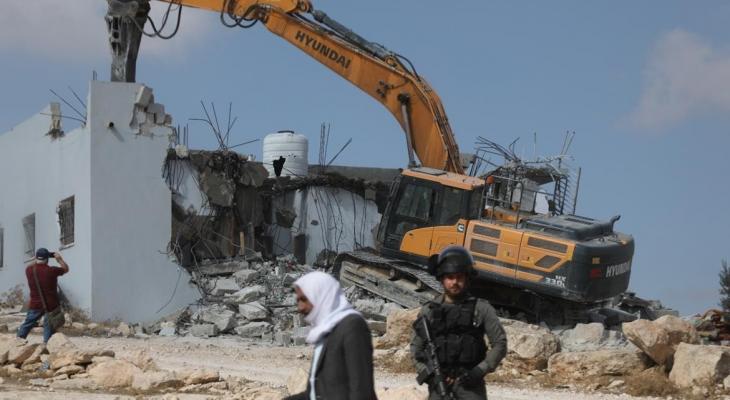
Report: Israel Destroys 97% of Cultural Sites in Gaza
marwan
- July 29, 2026
 marwanmarwan
 CrossFireArabiaCrossFireArabiamarwanCrossFireArabiamarwanmarwanCrossFireArabiamarwanmarwanmarwanmarwanmarwanmarwanmarwanmarwanmarwanmarwanmarwanmarwanmarwanmarwanmarwanmarwanmarwanmarwanmarwanmarwanCrossFireArabiamarwanCrossFireArabiamarwanmarwanmarwanmarwanmarwanmarwanCrossFireArabiamarwanmarwanmarwanmarwanmarwanCrossFireArabiaCrossFireArabiaCrossFireArabiaCrossFireArabiaCrossFireArabiaCrossFireArabiaCrossFireArabiamarwanmarwanCrossFireArabiaCrossFireArabiaCrossFireArabiaCrossFireArabiamarwanmarwanmarwanmarwanCrossFireArabia
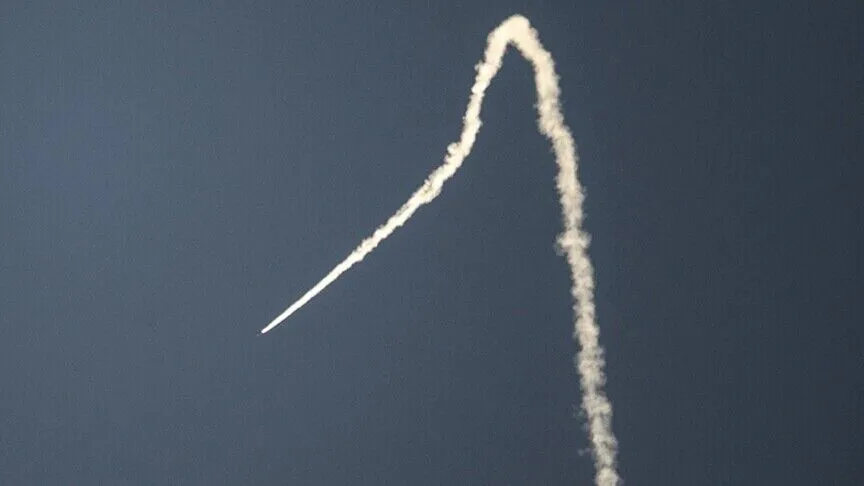
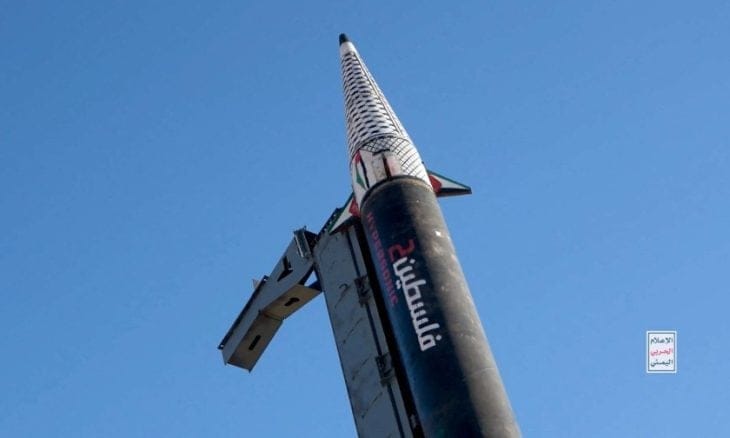
The Houthis fired a missile, Monday morning targeting Israel. Loud explosions were heard in the south and center of the country as anti-missile batteries sought to bring the Yemeni missile down.
The Israeli army said sirens went off in different parts of the country as the Houthi missile approached.
The Yemeni missile may point to the Houthi intention to join the war in support of Iran against Israel that lay dormant since 8 April when a shaky ceasefire was reached between Tehran, Washington and Tel Aviv.
This ceasefire was broken on 7 June when Tehran fired a volley of missiles on Israeli as a warning to the latter which attacked Beirut’s south neigborhood on that same day.
marwan
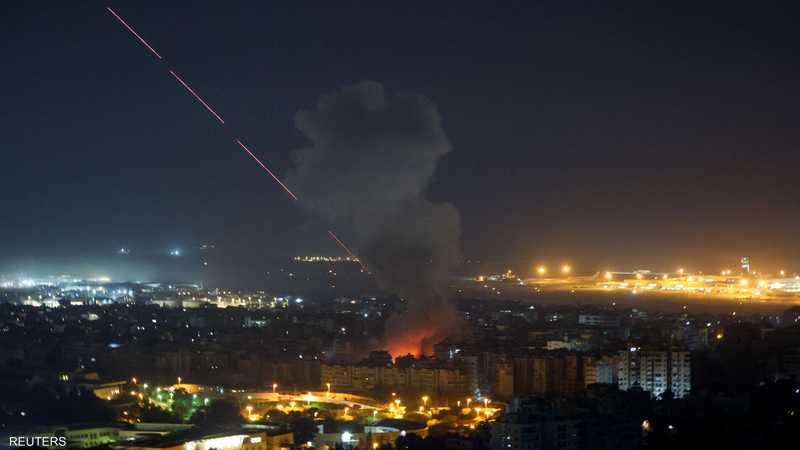
Iran launched a missile attack on Israel on Sunday evening. This is its first time since the ceasefire between the two countries was made two months ago. The Iranian strikes came in response to Israel’s escalation of its aggression against Lebanon by targeting Beirut’s southern suburbs.
Sirens sounded in Haifa and across large areas of northern Israel after missile launches from Iran were detected. Initial reports indicated a direct hit on a building in Tiberias.
Media reports state that Iran launched 10 ballistic missiles in four slavos.
CrossFireArabia
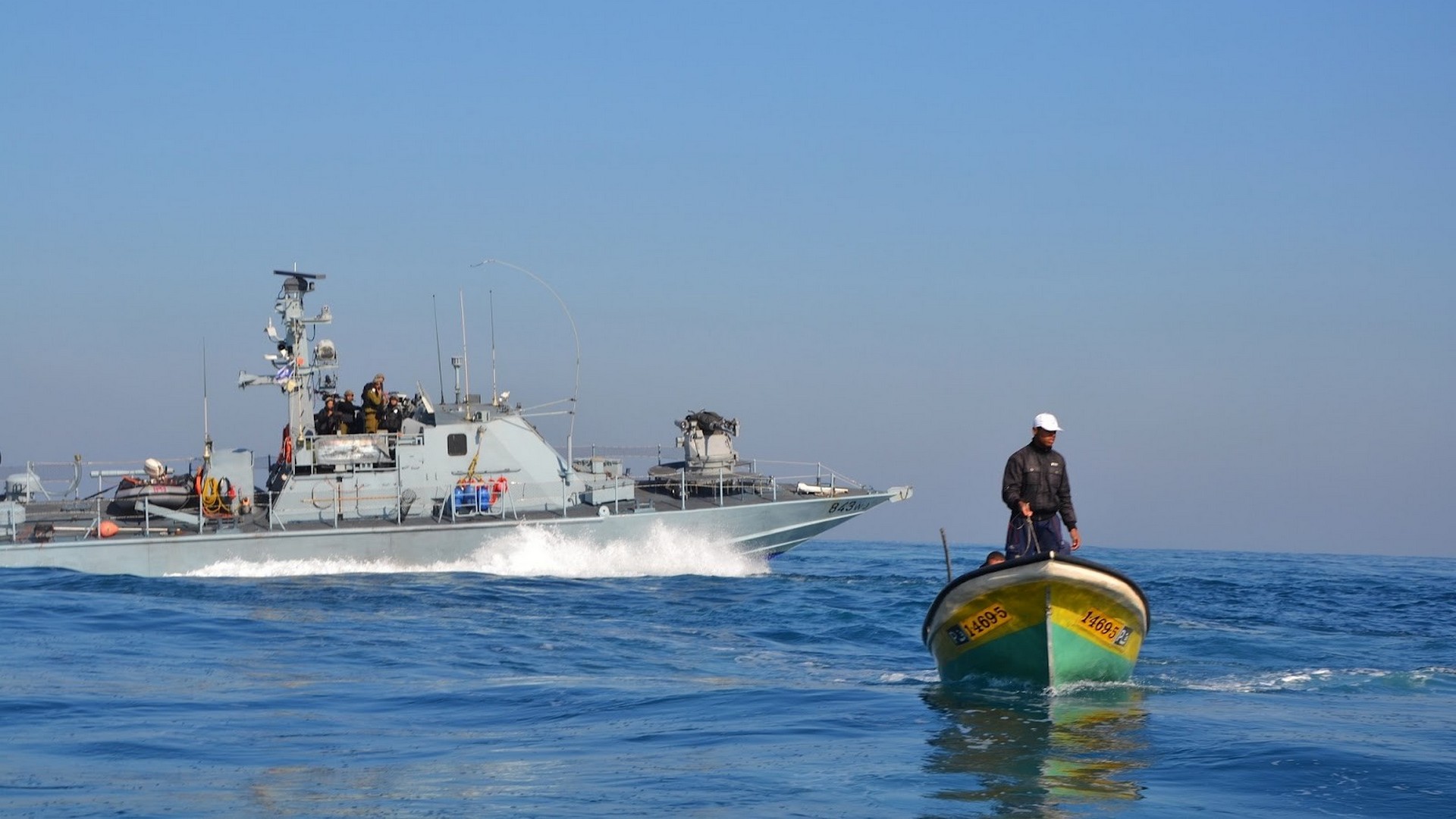
An Israeli naval vessel opened fire with machine guns on a fishing boat and instantly killed fisherman Muhammad Musa Abu Jayyab. The fishing boat was on the seashore off Deir al-Balah, Sunday morning according to local sources. The Israeli navy deliberately targets fishermen in the Gaza Strip with gunfire, shells, and tear gas, resulting in the deaths and injuries of many, as well as the destruction and confiscation of fishing boats. The Gaza Ministry of Health announced, Saturday, that the death toll and number of injuries since the beginning of the genocidal war on the Gaza Strip on October 7, 2023, rose to 72,961 martyrs and the injury of 173,092.
CrossFireArabia
CROSSFIREARABIA – Lebanon is no walk-in-the-park for Israeli soldiers. They are being killed and maimed by Hezbollah soldiers at unimaginable rates, which shows there is facing stiff clashes and resistance there.
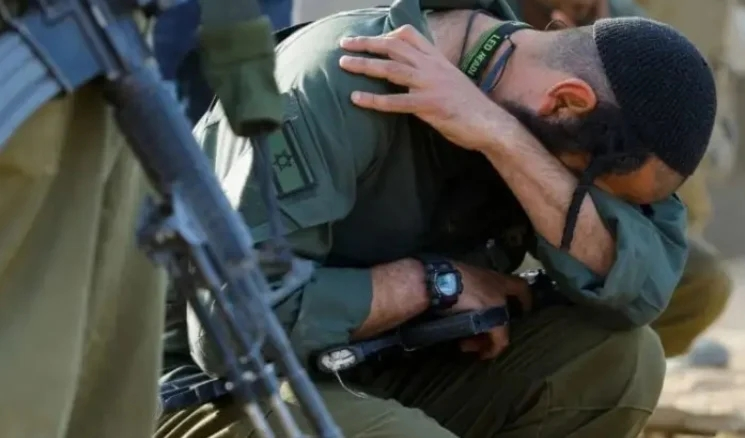
Saturday as confirmed by Hebrew sources, an Israeli officer and a soldier were killed following clashes with Hezbollah forces in south Lebanon. Other sources say at least four Israeli soldiers were also wounded.
Israel’s Channel 12 reported that the officer, a captain from the Egoz unit, died from wounds he received as a result of an explosive-laden drone that detonated in the south of the country which the Israel army is attempting to occupy.
Away from this, the Israeli army also announced, Saturday that one of its soldiers from the prestigious Givati Brigade also died during clashes in south Lebanon.
After military censorship the army released details of the soldier who was killed saying he was a sergeant, named Ohad Yaari and was 21 years old. And he may have died through an “accidental discharge of his weapon”. It said the incident was being investigated.
Hezbollah forces are continuing to attack Israeli military sites and vehicles in southern Lebanon and northern Israel. This is response to Israel’s violation of the ceasefire agreement that has been in effect since April 17 and extended until the beginning of July.
Since last 2 March around 29 Israeli officers and soldiers have been killed in southern Lebanon, including 16 since 17 April. What is noticeable as well, is that during this war more than 1245 Israeli soldiers and rank officers were wounded with 72 being in critical condition, 139 with moderate injuries as a result of direct fighting with Hezbollah forces.
marwan
By Najih Mohammad Ali
In a clear and direct language, the Iranian Revolutionary Guard Corps (IRGC) affirmed that regional “peace and stability will not be achieved unless there is withdrawal from the occupied Lebanese territories.” This stance followed Hezbollah’s Secretary-General’s rejection of the Washington talks, emphasizing his refusal to separate the arenas and the “Dahieh for the North” equation.
This statement expresses a coherent strategic vision that considers regional stability inextricably linked to ending occupations and aggressions. It places the defense of Lebanon, Syria, and the region among Iran’s political and military priorities.
This shift to a strategy of “eternal war”—or continuous confrontation—and reflects a pragmatic and principled decision made by Tehran after decades of pressure and aggression. Iran did not abandon the idea of a settlement in vain; rather, it realized that relying on partial agreements with Washington, which imposes unilateral conditions and disregards the rights of peoples, is no longer a viable option.
The cowardly assassination of Martyr Qassem Soleimani, followed by direct strikes targeting high-ranking Iranian leaders, including Supreme Leader Ayatollah Seyyed Ali Khamenei, proved that relying solely on “strategic patience” is mistaken for weakness. Therefore, Iran has shifted to a doctrine of active deterrence based on the entire axis of resistance, making any aggression costly for its adversaries.
This transformation was not the result of the absolute dominance of a hardline faction, as Zionist-American narratives and their Arab proxies (and, of course, the Iranian opposition abroad) claim. Rather, it is a natural evolution of the Iranian elite that stood united in the face of external aggression.
After significant losses, the priority of maintaining national and revolutionary cohesion emerged. Defending revolutionary principles—exporting the spirit of resistance and confronting arrogance—has become an essential part of the regime’s identity that has become a source of strength to prevent internal collapse whilst uniting the people behind the leadership in the face of sanctions. Pragmatists and hardliners alike now agree that continued confrontation better protects national interests than concessions that could lead to disintegration.
The leaders of the Iranian regime believe—and I think they are right—that continuing the confrontation will yield greater strategic gains than any fragile peace agreement. History proves that America understands only the language of force and attrition. From Vietnam to Afghanistan, wars of attrition forced Washington to withdraw.
Today, the “Axis of Resistance” is cleverly applying this equation: Linking the arenas to prevent separate deals that would weaken Lebanon, Iraq, or Yemen, and imposes a heavy price on its adversaries. Iranian diplomacy has been transformed into the diplomacy of the field, as General Soleimani envisioned, and is now a flexible tool that buys time and exposes the contradictions of the other side, while maintaining full military readiness.
The American-Israeli strikes have already altered Tehran’s calculations in favor of adopting an offensive-defensive posture. Instead of settling for limited responses, Iran is developing comprehensive deterrent capabilities through its natural allies, who represent the will of the region’s peoples in the face of occupation.
This is a calculated escalation, a precise strategic calculation based on resilience and strategic depth. Within the elite, a balance prevails between caution, fearing losses, and resolve, which sees resistance as the only path to dignity and independence.
Compared to the previous “strategic patience,” the strategy of sustained confrontation has proven effective in preserving battlefield gains and preventing the regional collapse of the resistance axis. It has succeeded in exhausting the enemy and strengthening internal unity, despite economic challenges primarily attributed to unjust sanctions, not Iranian policy.
The most serious risk facing this strategy lies in the possibility of miscalculation by adversaries and their attempts to impose a full-scale war, but Iran has repeatedly demonstrated an exceptional capacity for resilience and adaptation.
We are indeed facing a “simmering cold war,” where there is no false peace imposed by force, nor a total war that destroys everyone. This situation serves Iran and its axis because it maintains the strategic balance, prevents surrender, and opens the door to a comprehensive and just settlement based on withdrawal from occupied territories and respect for the sovereignty of states.
In conclusion, this “perpetual war” relies on the long-term vision of the Iranian character. It is not a whim, but an existential choice imposed by the ongoing aggression against Iran and the peoples of the region.
Iran is defending itself and the dignity of the nation, and affirms that true stability begins with ending aggression, occupation, and foreign interference. This path, despite its difficulties, reinforces Tehran’s position as an indispensable regional power and paves the way for a new balance of power that respects the rights of peoples. The region needs such firm stances to achieve an honorable peace, not surrender.
The author is a researcher in Iranian and regional affairs and this article is reproduced from the Arabic Al Rai Al Youm website and reprinted in crossfirearabia.com.
 Saleem Ayoub Quna