 Report: Israel Destroys 97% of Cultural Sites in Gaza
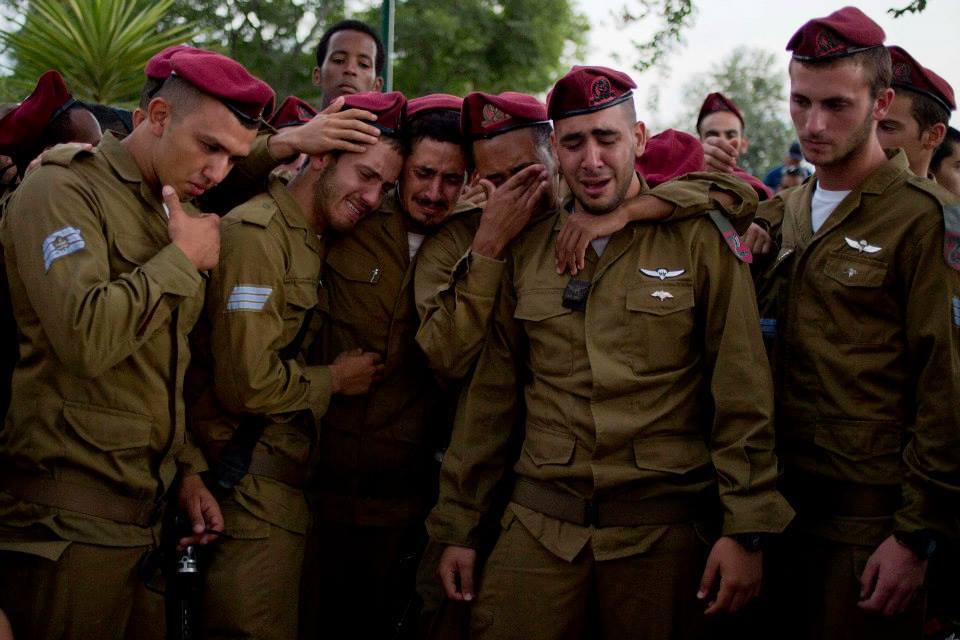 Two Israeli Female Soldiers Commit Suicides Days Within Each Other
 Kareem Khan – Chronology of a Scandal: A View From Amman
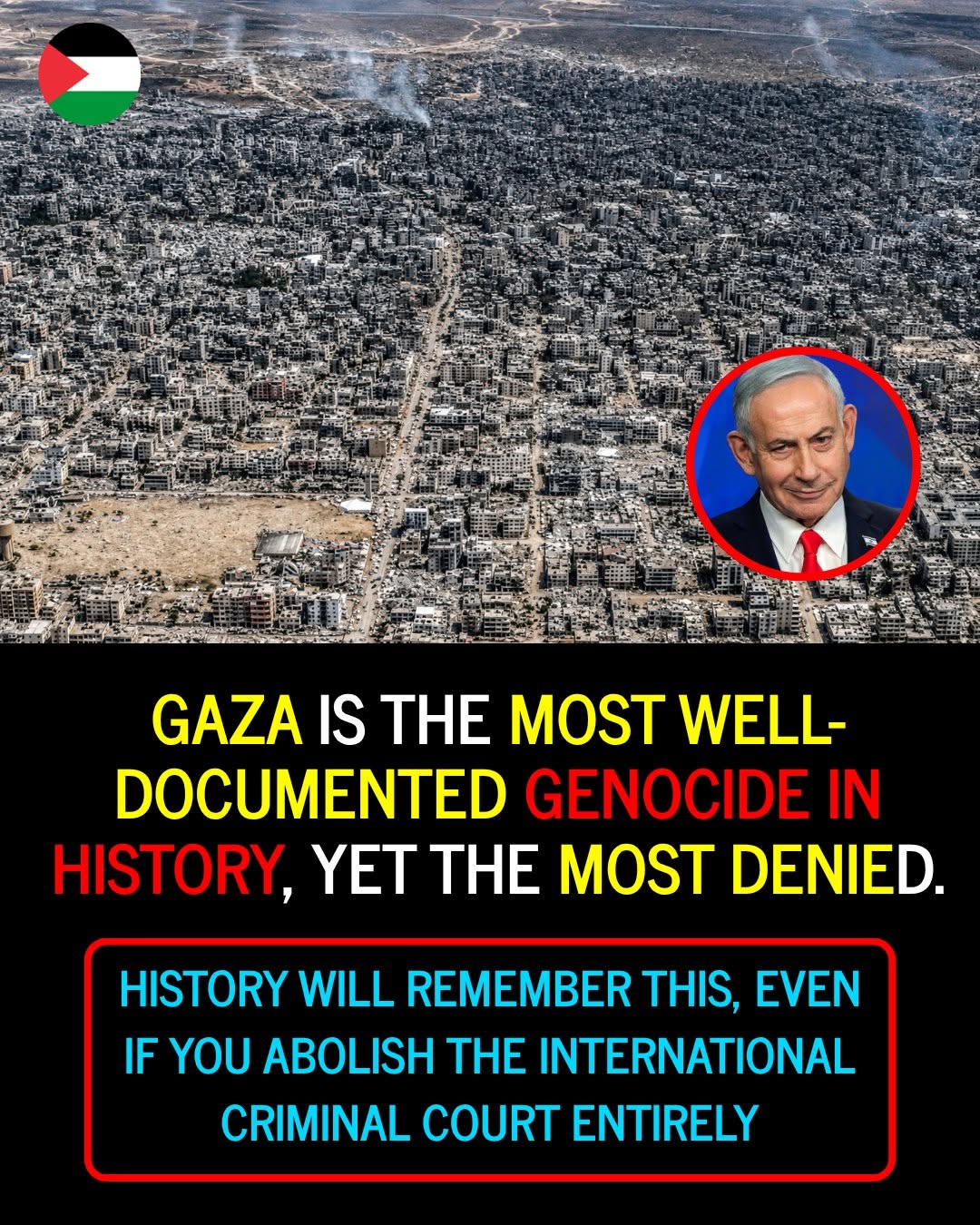 Documenting Genocide, Denying Genocide
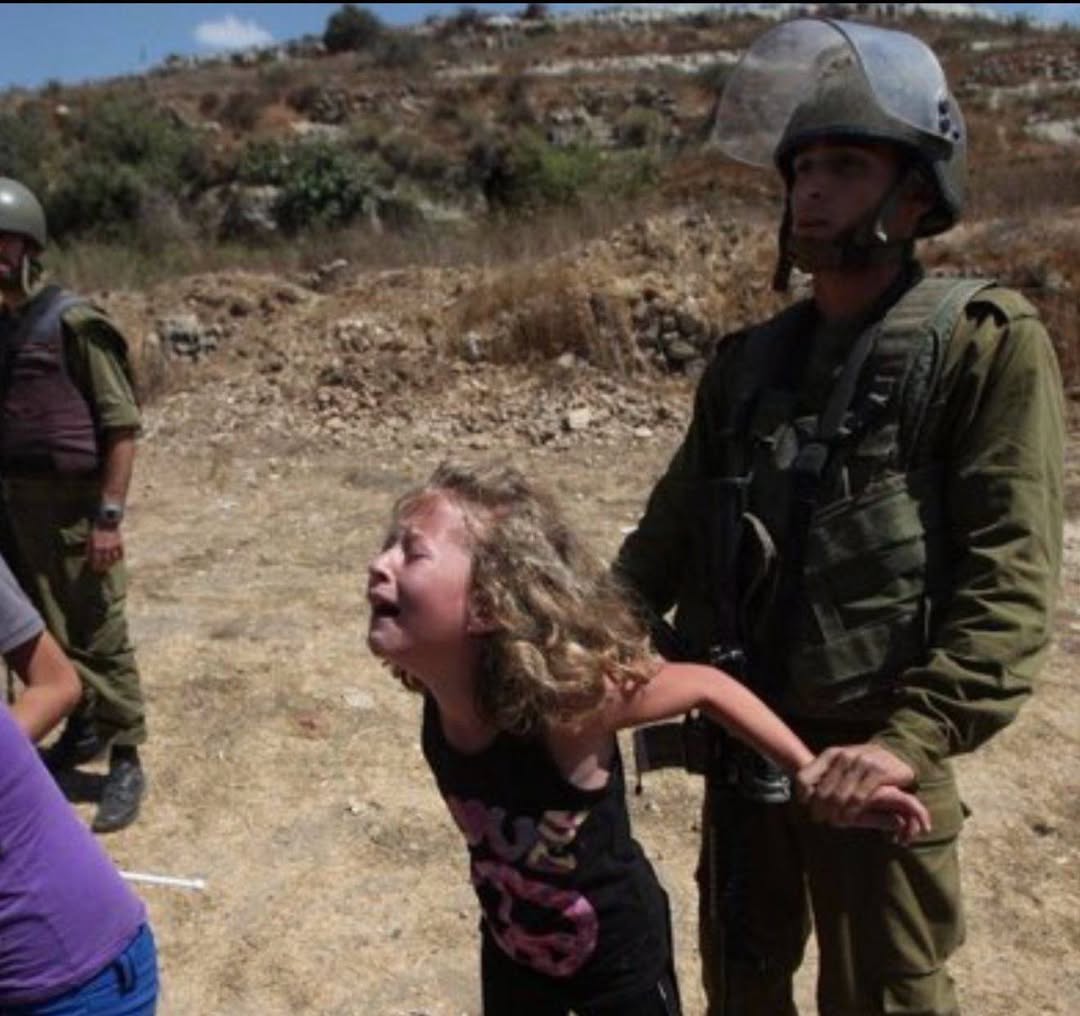 Pain of Gaza is a ‘Non-stop’ Israeli Stain
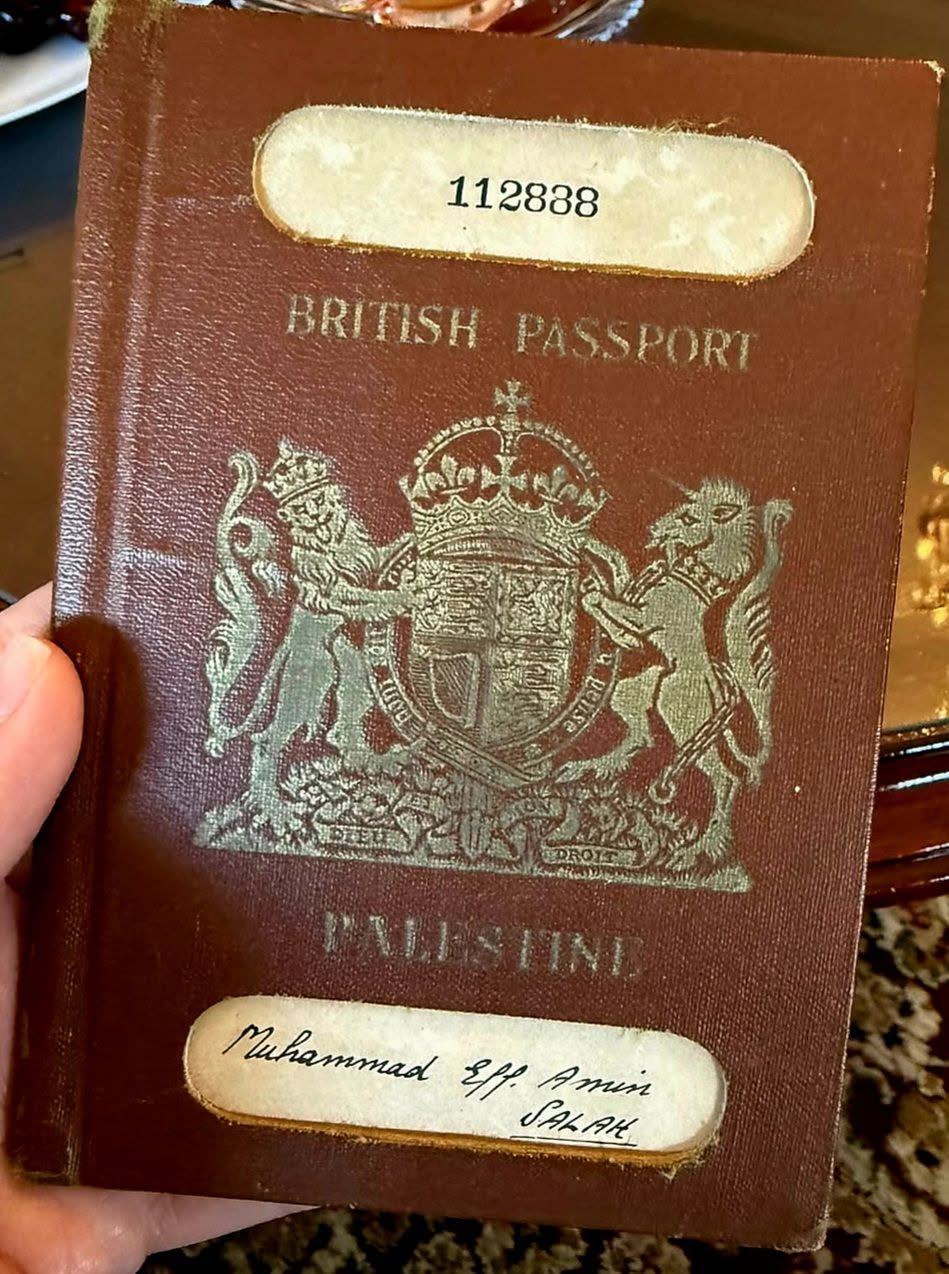

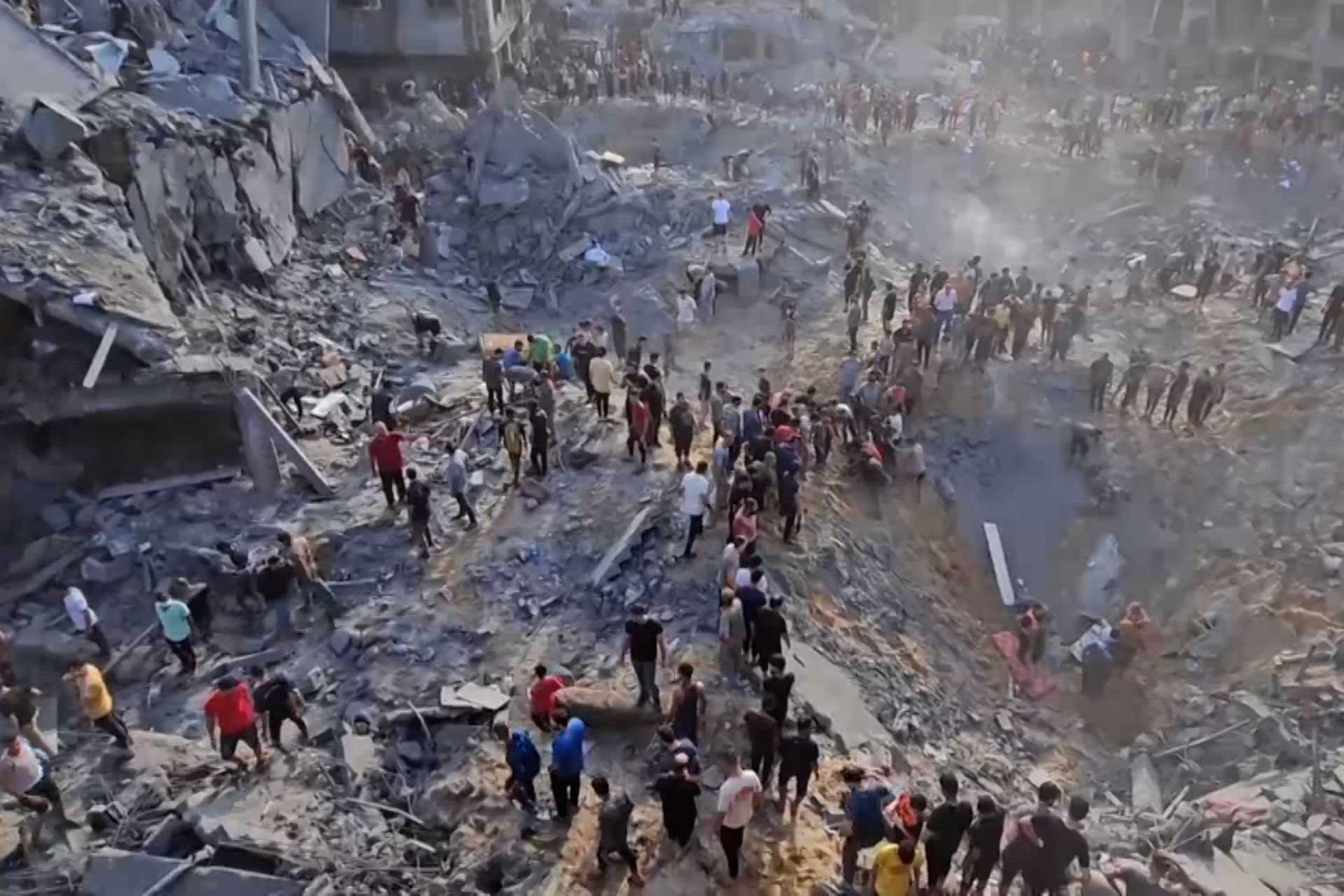
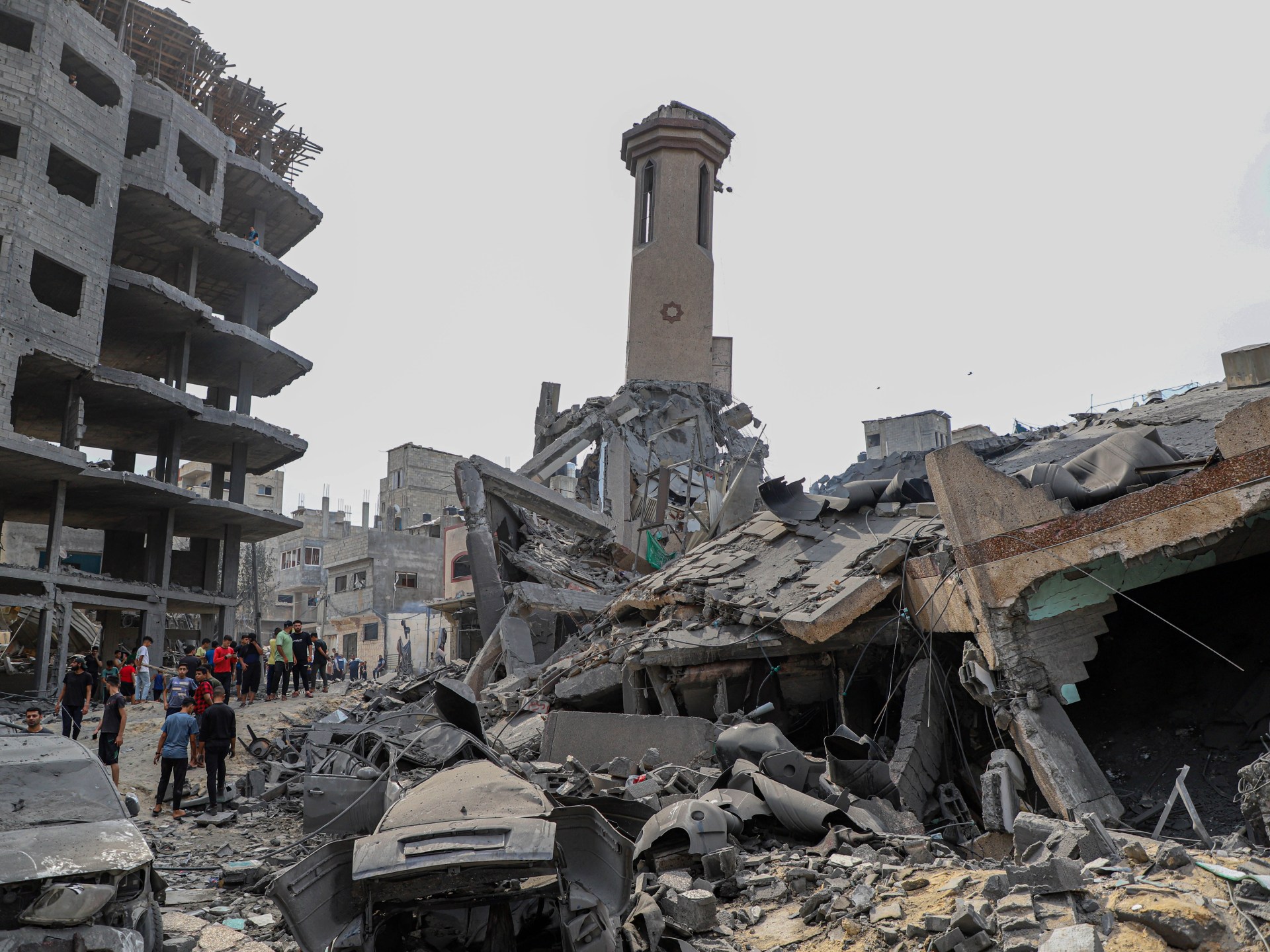
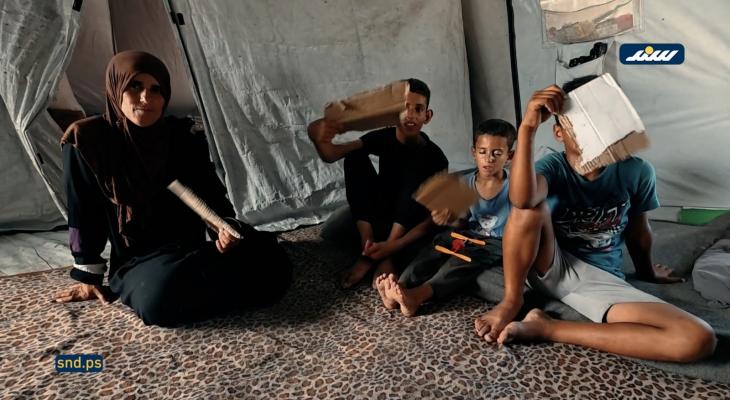
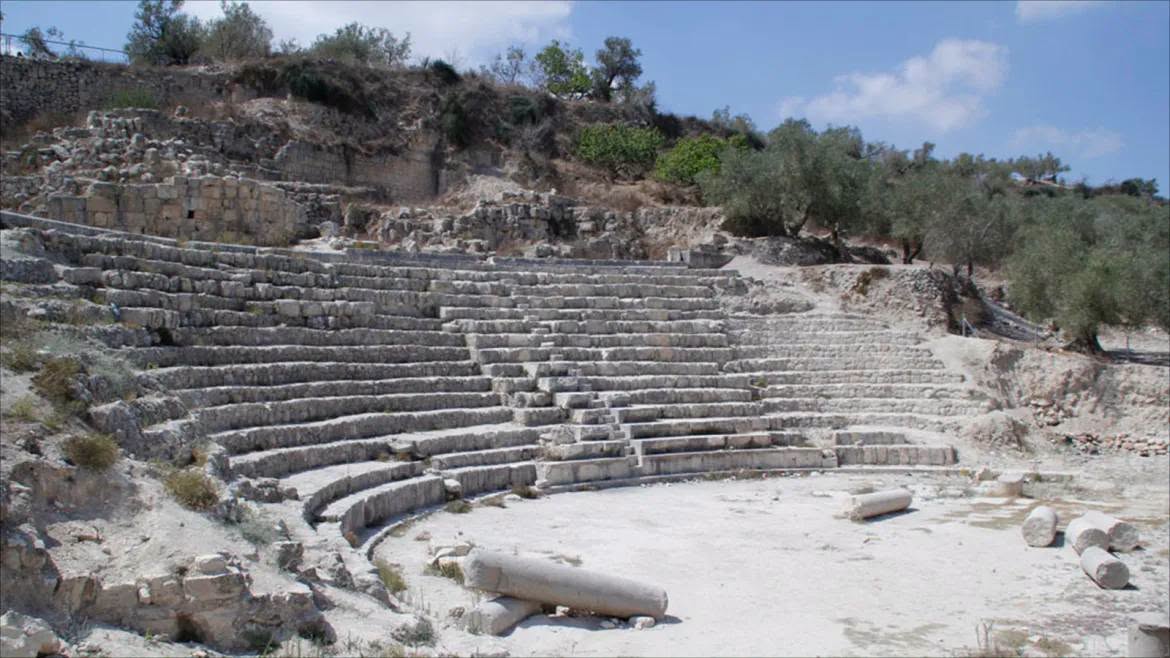
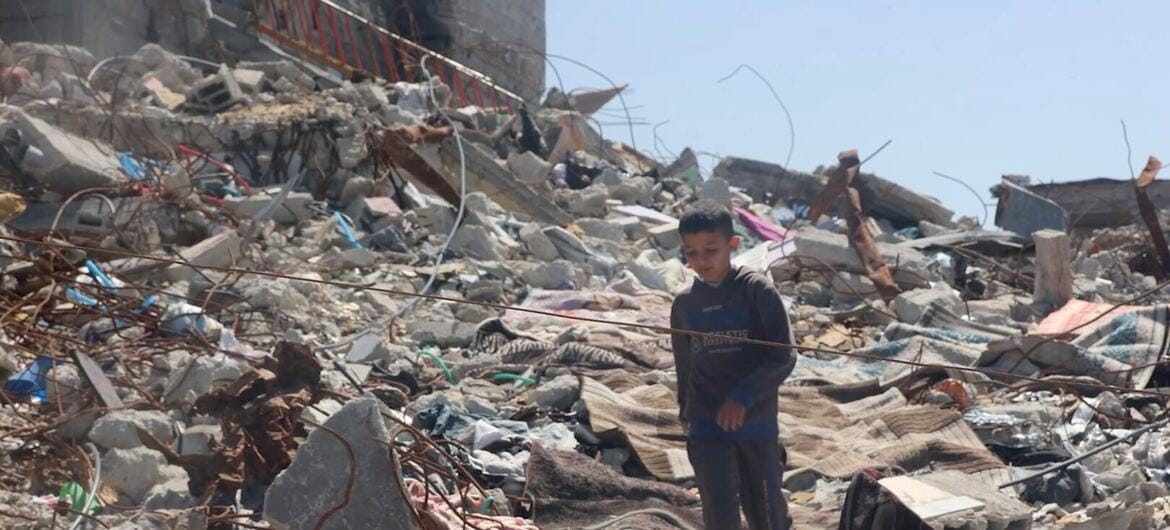
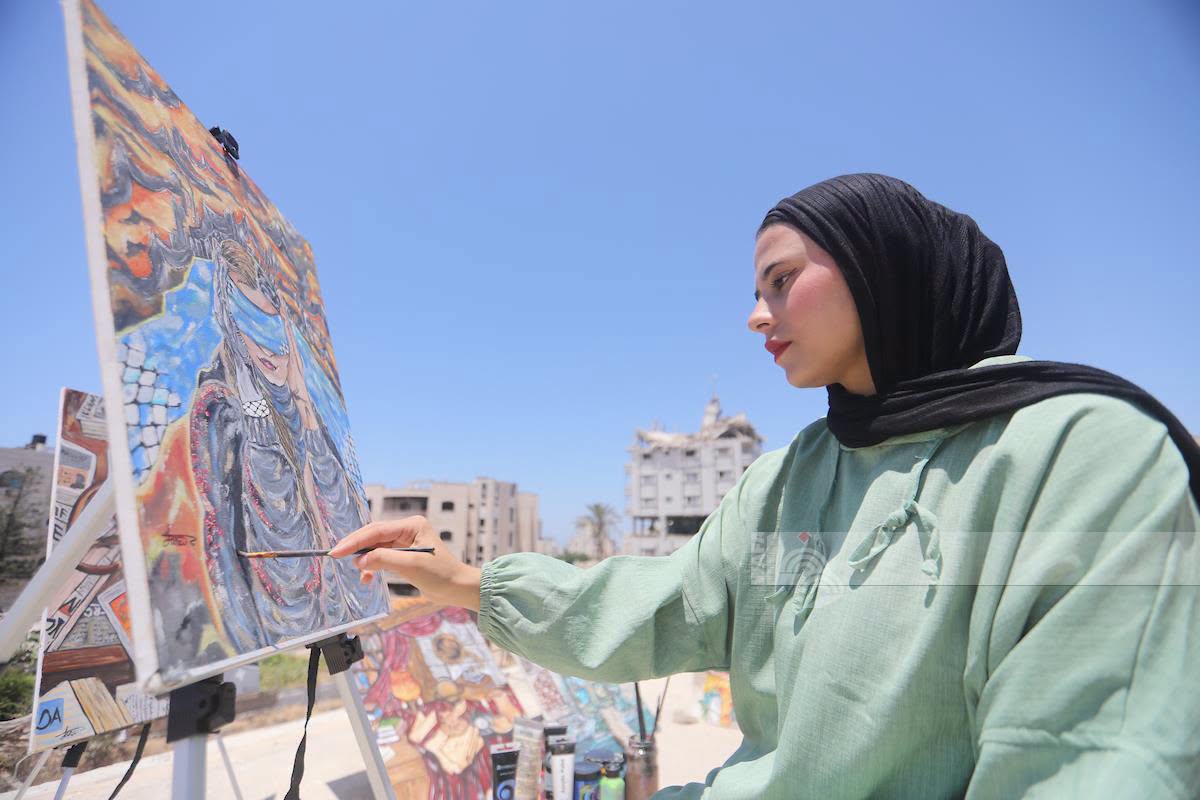
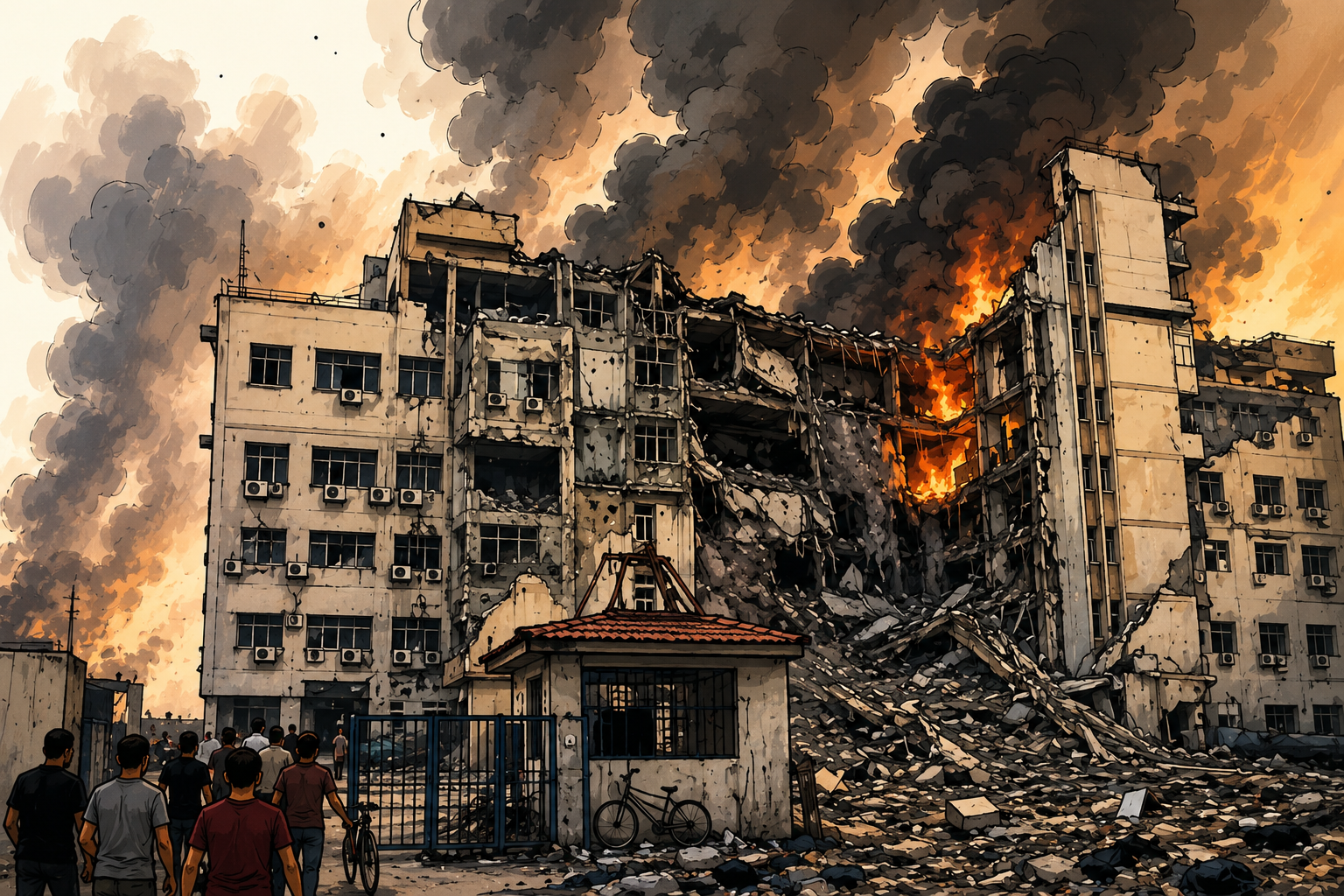
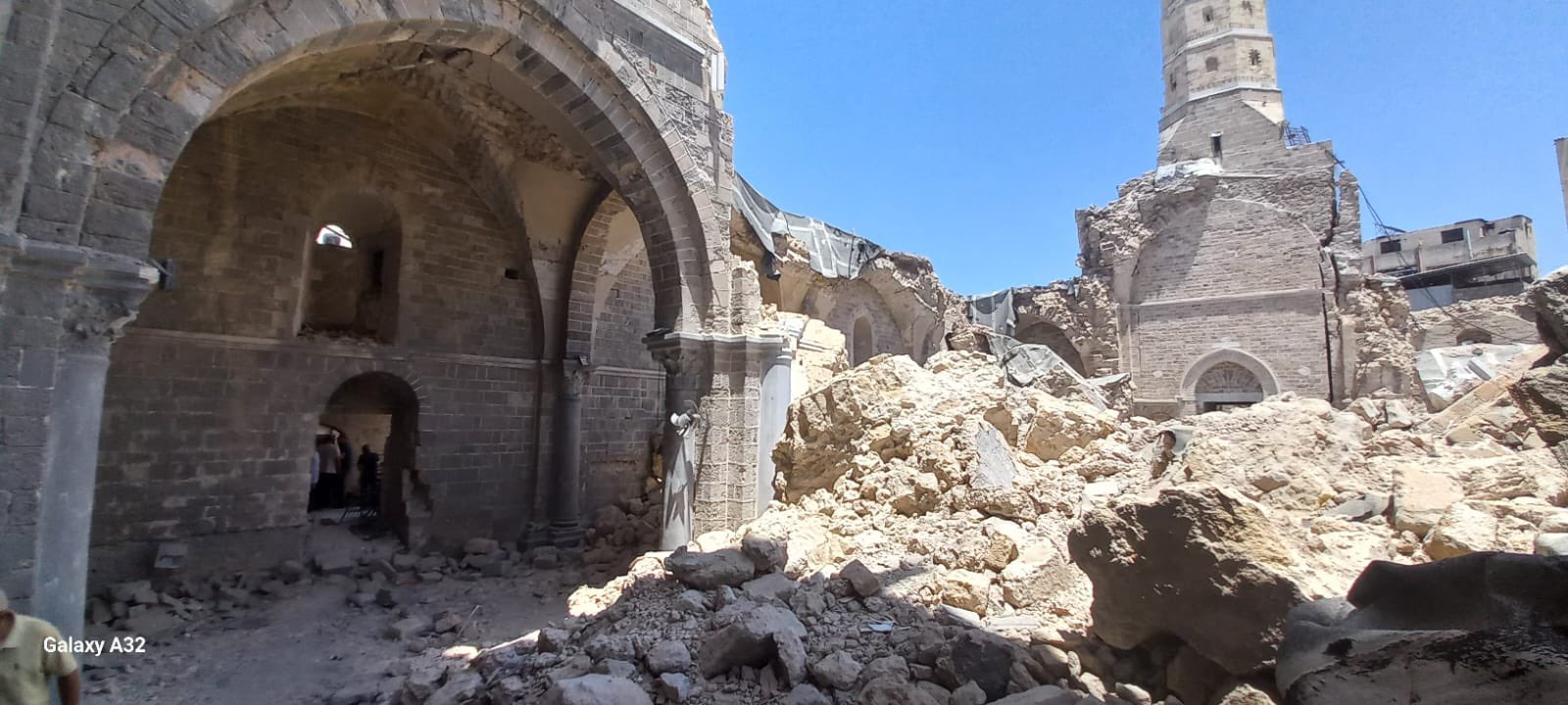
Report: Israel Destroys 97% of Cultural Sites in Gaza
marwan
- July 29, 2026
 marwanmarwan
 CrossFireArabiaCrossFireArabiamarwanCrossFireArabiamarwanmarwanCrossFireArabiamarwanmarwanmarwanmarwanmarwanmarwanmarwanmarwanmarwanmarwanmarwanmarwanmarwanmarwanmarwanmarwanmarwanmarwanmarwanmarwanCrossFireArabiamarwanCrossFireArabiamarwanmarwanmarwanmarwanmarwanmarwanCrossFireArabiamarwanmarwanmarwanmarwanmarwanCrossFireArabiaCrossFireArabiaCrossFireArabiaCrossFireArabiaCrossFireArabiaCrossFireArabiaCrossFireArabiamarwanmarwanCrossFireArabiaCrossFireArabiaCrossFireArabiaCrossFireArabiamarwanmarwanmarwanmarwanCrossFireArabia
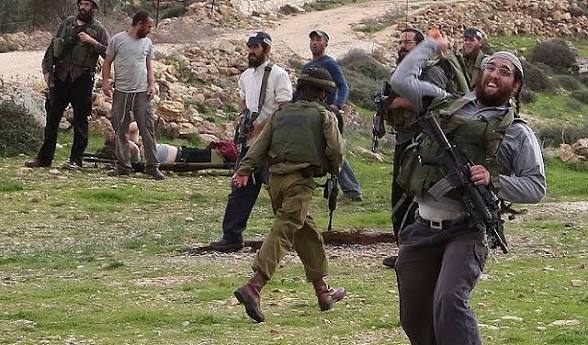
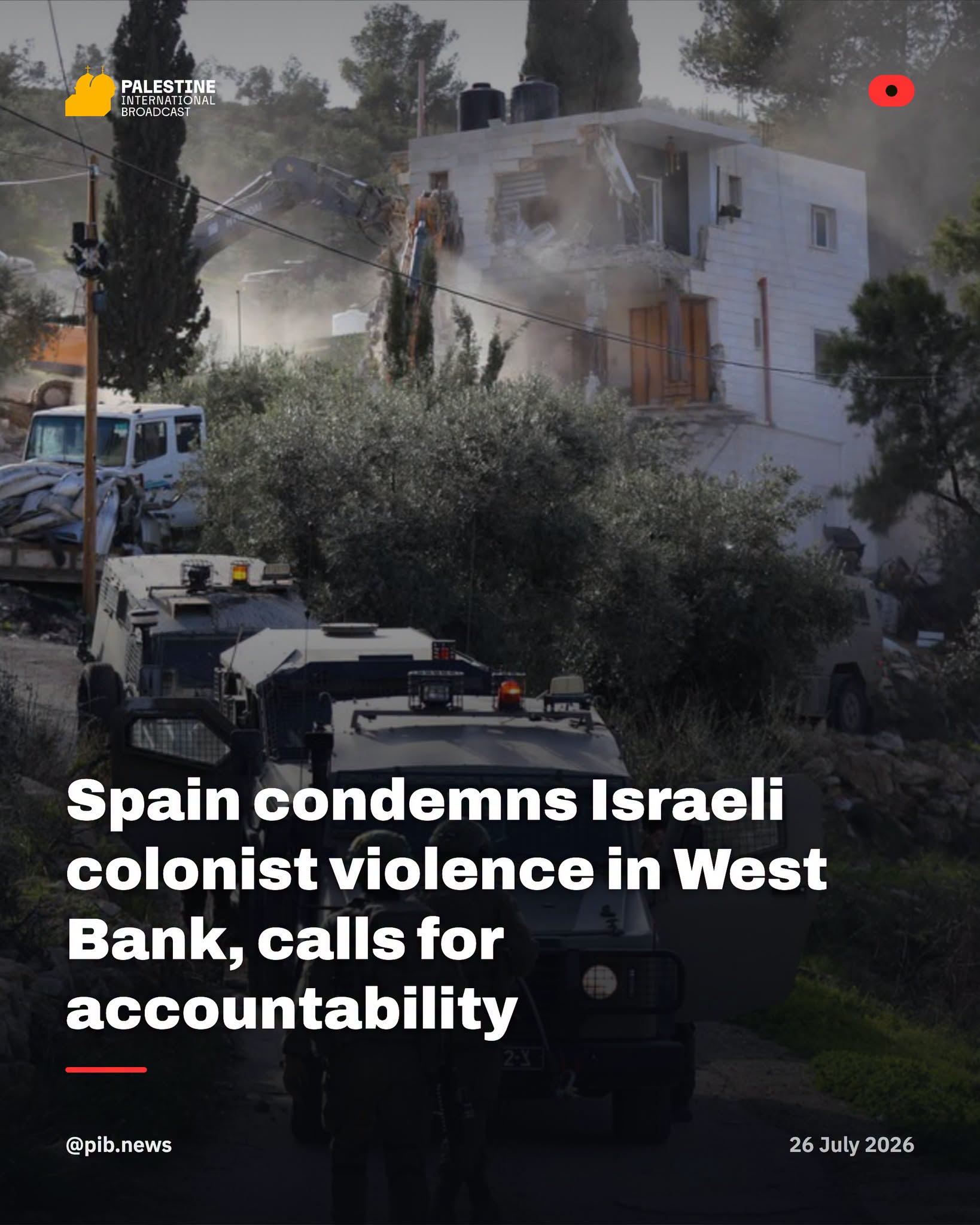
The head of the Commission Against the Wall and Settlements, Minister Mu’ayyad Sha’ban, stated that Israeli forces and colonists carried out a total of 1,659 attacks during May, continuing the systematic terrorism practiced by the occupying power against the Palestinian people, their land, and their property.
In the Commission’s monthly report issued on Saturday, Sha’ban said that the occupation army carried out 1,108 attacks, while colonists carried out 551.
He affirmed that the attacks were concentrated primarily in the Hebron and Ramallah governorates, with 319 attacks each, followed by Nablus with 301 attacks and Bethlehem with 212.
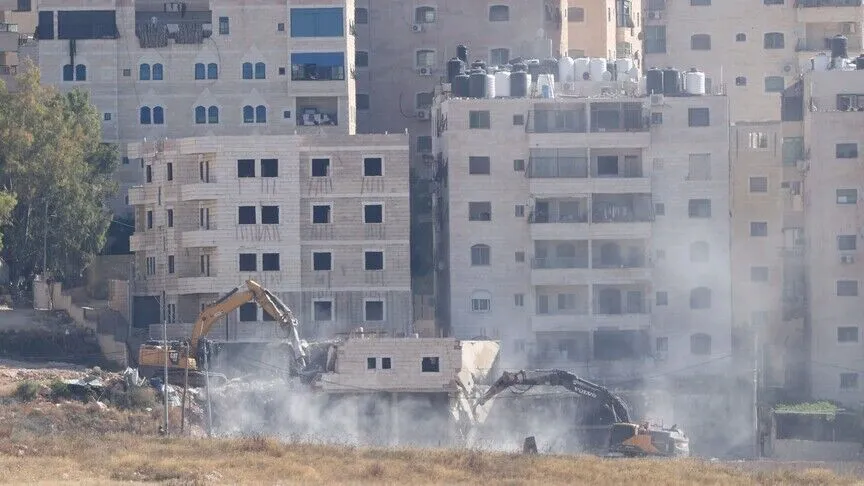
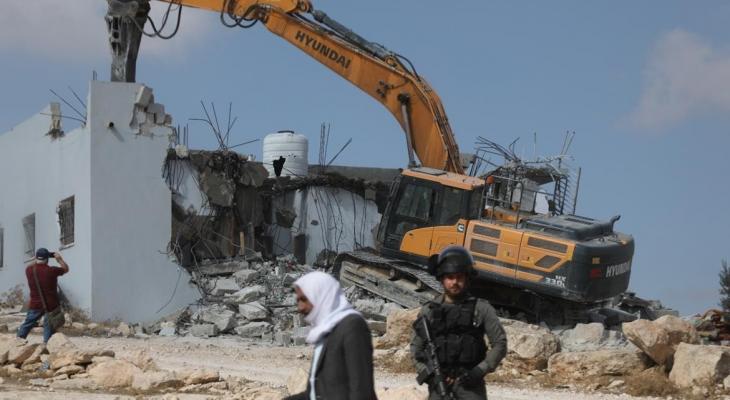
Sha’ban highlighted that the attacks included direct physical violence, uprooting trees, burning fields, preventing farmers from accessing their lands, confiscating property, and demolishing homes and agricultural structures.
He pointed out that these practices coincide with the closure of large areas of Palestinian land under the pretext of security, while providing protection and support to colonists to enable them to expand within those areas. WAFA
marwan
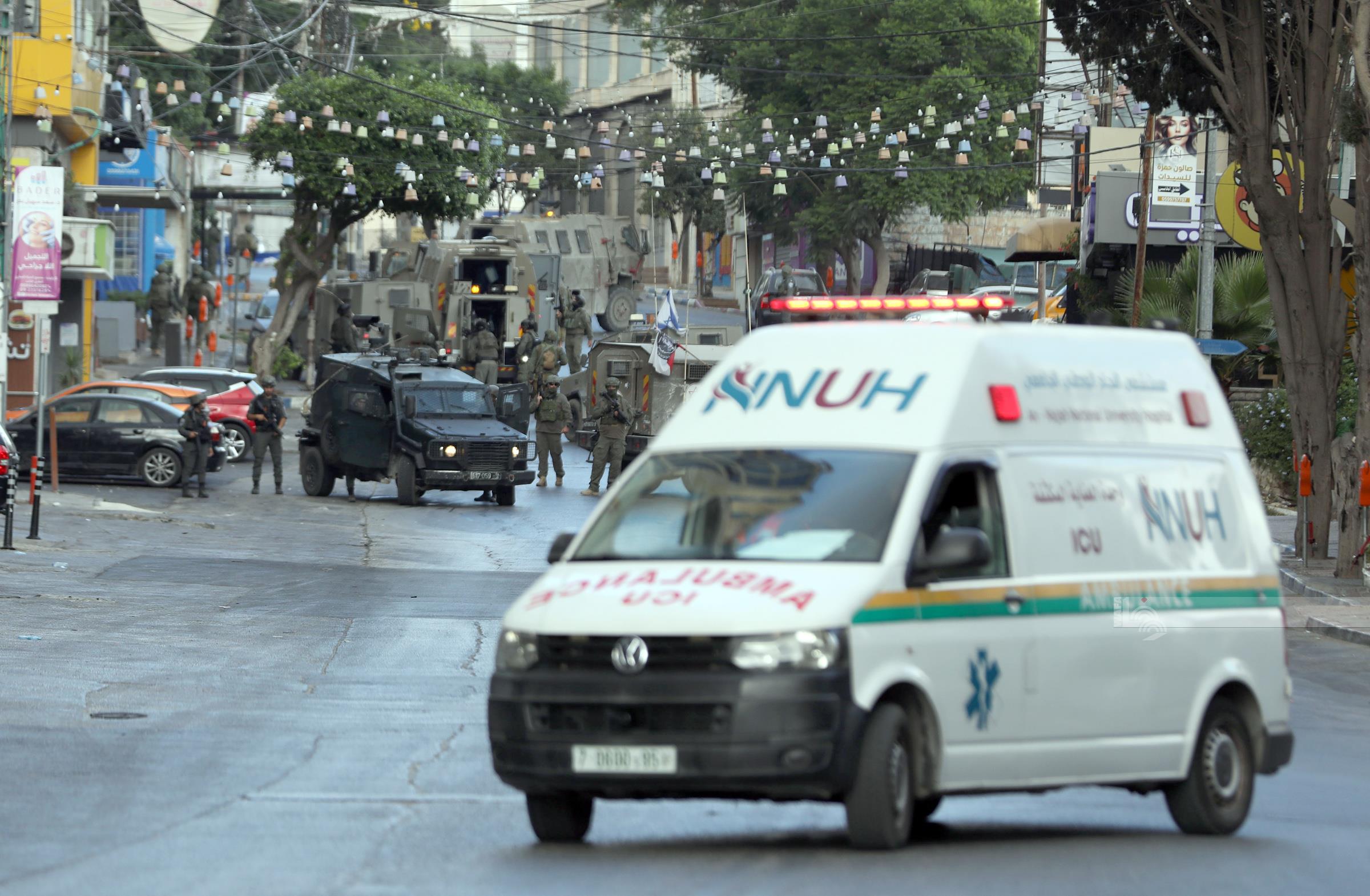
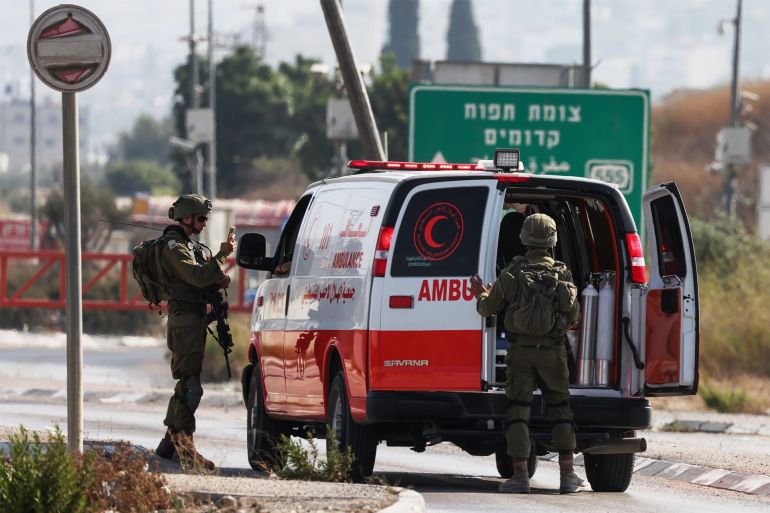
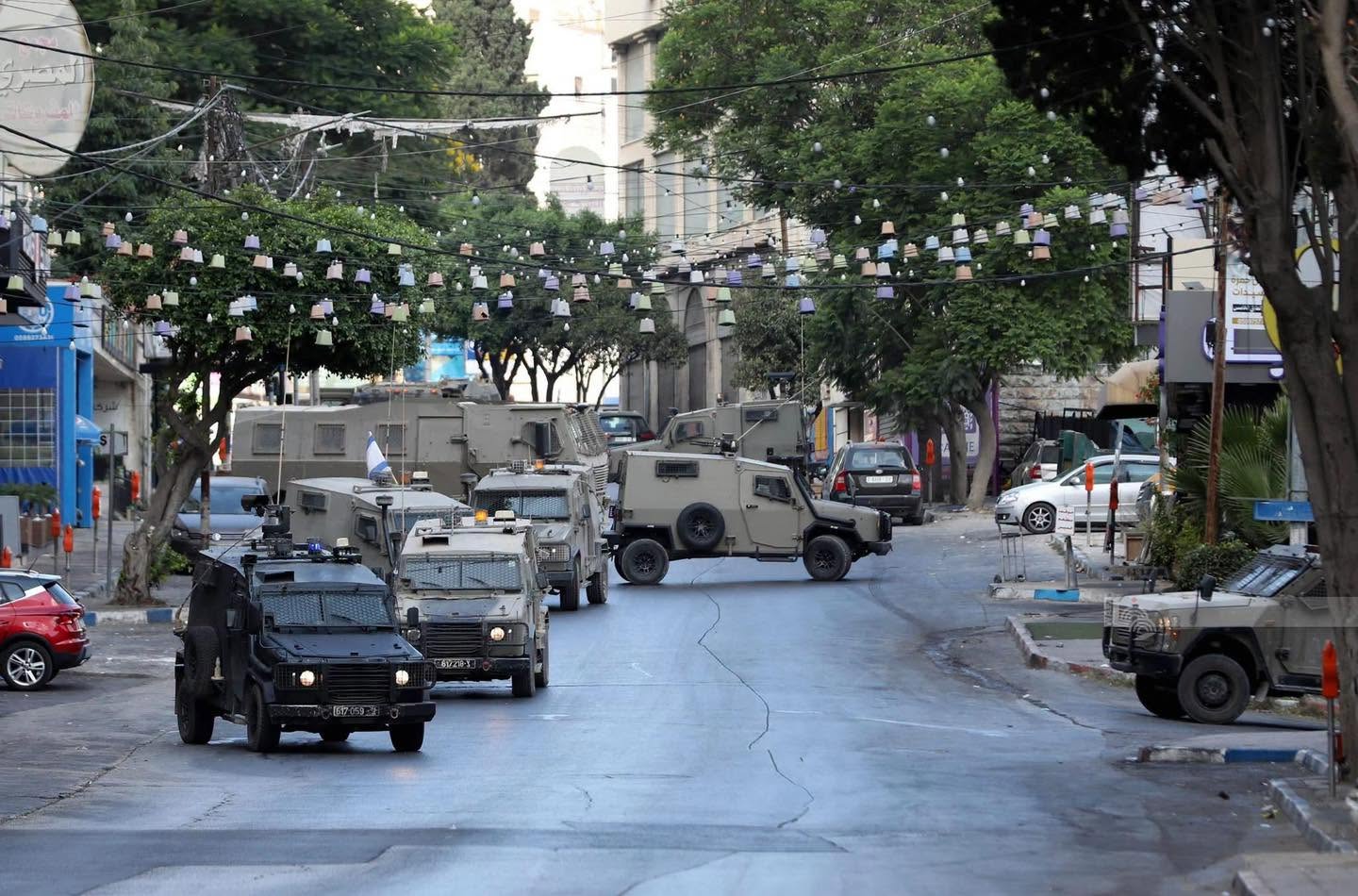
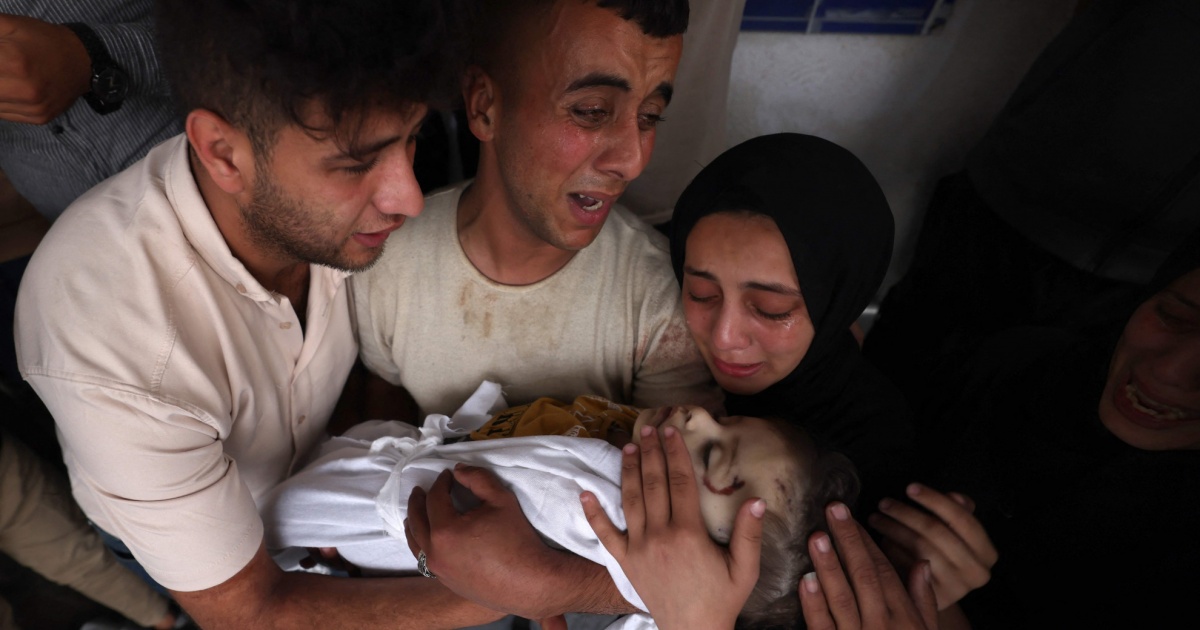
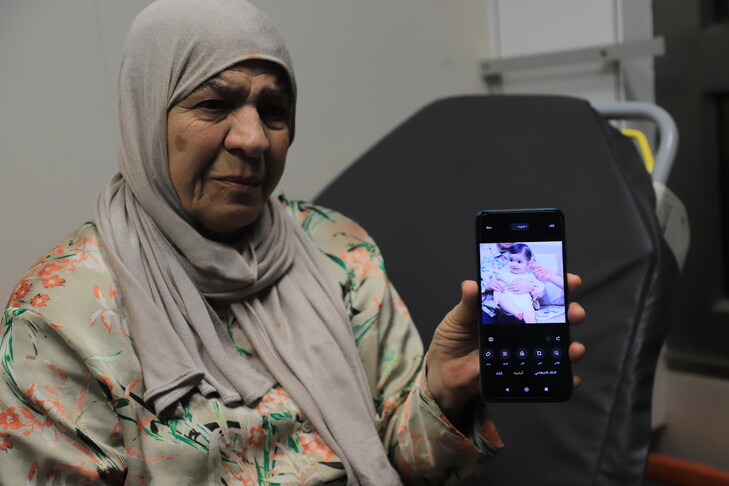
A 7-month-old Palestinian infant was killed Friday and his parents wounded when the Israeli army shot at the family’s car in the Tel Rumeida area in the southern occupied West Bank, according to the Palestinian Health Ministry.
It said the Israeli army killed Sam Abu Haikal and that his father, Fahd Abdul Aziz Abu Haikal, a lecturer at Bethlehem University, lived with his wife and son in Bethlehem.
The shooting took place while Abu Haikal was on his way to his mother’s house in the Tel Rumeida neighborhood in central Hebron.
Israeli soldiers fired live ammunition, wounding the father in his hand. His wife was also wounded by the same bullet, which pierced the jaw of their infant son. All three were taken to the hospital.
The occupied West Bank has witnessed escalating Israeli military raids, arrests and settlement expansion since the start of Israel’s war on the Gaza Strip in October 2023 according to Anadolu.
 Dr Khairi Janbek
By Dr Khairi Janbek
What can one say about the defeat of 1967 war, more than what the experts, the memoirs, and the active participants in it have said and written already, save from the eyes and ears of a child; for after all one was a child at the time and one must admit that growing up with defeat did have profound effect on one’s developing personality.
As it happened, in fact we were on a family holiday driving to Turkey when we heard the first actions in the war. By the time we crossed Damascus towards the north, the car radio was blasting with the advances made by the Arab armies on the path towards liberating Palestine.
However, by the time we reached an area close to the Syrian-Turkish border somewhere near Jabla in Syria, we discovered the the border was closed on the Syrian side and people including my late father were stuck around the big radio in the small roadside hotel talking about the destruction of the Israeli military forces, and the remarks that in a couple of days, Israel will cease to exist,
But low and behold, after a few days and by the time the border was opened, Egypt had lost Sinai, Syria, the Golan Heights, and Jordan the West Bank and Jerusalem; the jewel in the crown.
The car was tense, and for the first time I was disappointed, not because of the news of defeat rather, rather because I was no longer the centre of attraction for the family. As we entered Iskenderun in Turkey, a couple of young men crossing the streets, seeing our car number plate in Arabic, spat on the ground and said in Turkish; Pis Arap, meaning dirty Arab.
I didn’t undrestand Turkish at the time, until my father smiled bitterly and said, so we have just become dirty Arabs. In the small hotel in Iskenderun owned by a generous Armenian family, they brought us their transistor which could catch Syrian broadcasts and heard my father saying Nasser has resigned, and I was wondering how could he do that. For me, Nasser’s image was a cross between a king and an idol football player.
By the time we reached Ankara, it was all over. We were nothing in the eyes of the Turks at the time, but lying impotent Arabs. As the years passed, maturity set in as a strong slap in the face, with my childhood’s main scar left inside me, engulfing me with doubt, and disbelief, not only regarding what I now hear but also in what I see: with Arab politics to me, becoming just a mixture of cynicism, blatant lies, and regimes self-preservation.
The disaster from top to bottom was, unqualified military officers in Egypt, only accustomed to internal security and privileges were punching above their weight and carrying ranks which were above their undrestanding of warfare. Their ignorance was stark obvious when they knew about the attack and opted for absorbing the first blow before counter-attacking, not knowing they’ll have nothing left to counter with.
Jordan was squeezed between the hammer and the anvil diplomatically, though there were voices among the statesmen at the time urging not to participate in the impending whilst recognizing the perils, yet the decision to participate in the war and opening the Jordanian couldn’t be avoided because first of all the belief in Nasser’s victory held sway among the people, and secondly, to imagine an Arab defeat would not spare Jordan who will be blamed for this defeat due to the lack of giving support in the war.
In the case of Syria, how could an army in which the first officer who wakes up before the others and carries out a coup d’état, fight a war; and how could an army in which a general has to walk behind the coup d’état lower ranks whom are only concerned about preserving their own hold on power, conduct warfare? In fact the fall of the Golan Heights was declared by the Syria representative in the UN, 36 hours before it actually fell. And why was this? All in aid for withdrawing the army to protect Damascus.
Has anything changed? Everything has changed so that nothing changes!
Dr Janbek is a Jordanian writer based in Paris, France
CrossFireArabia
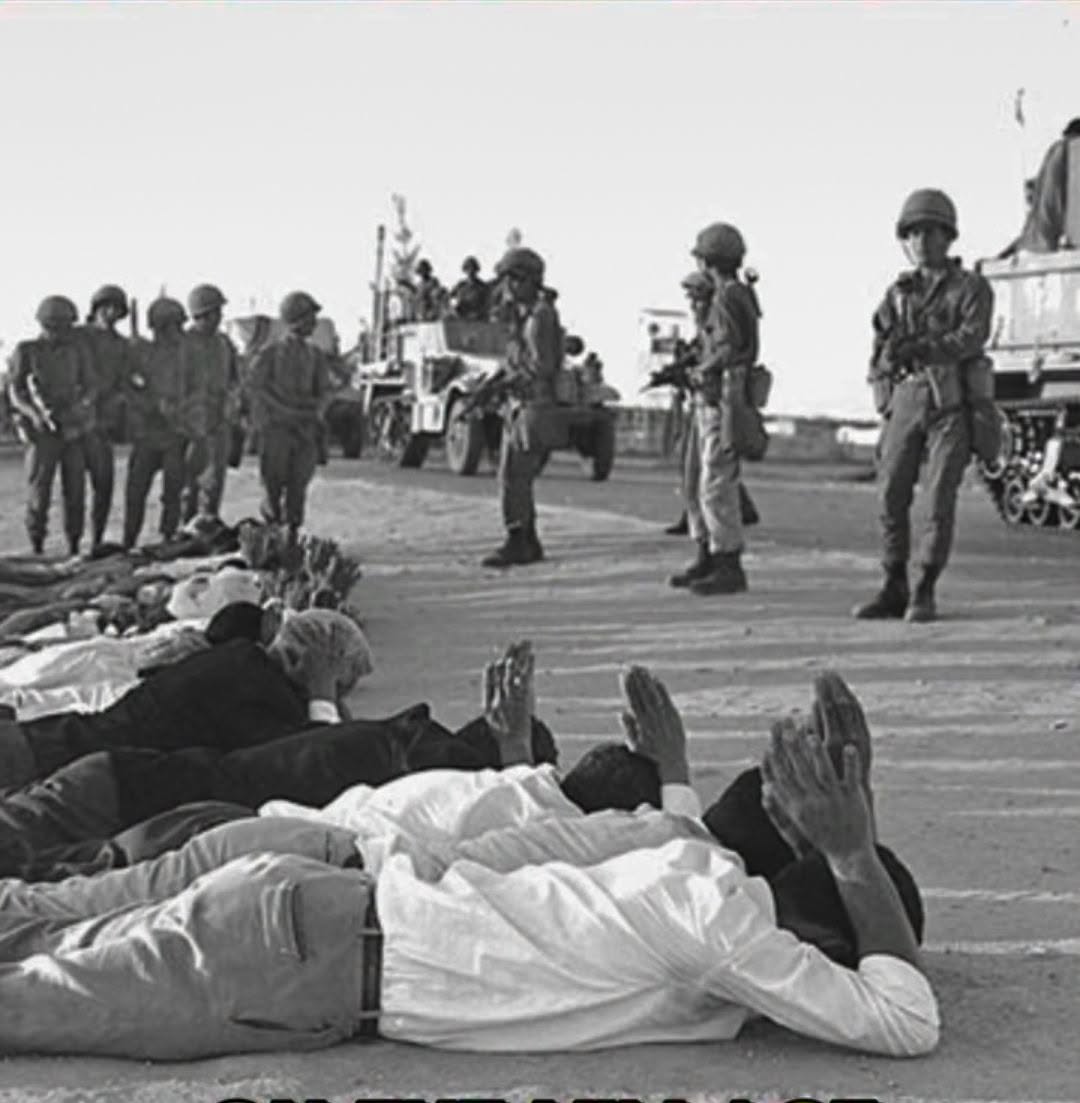
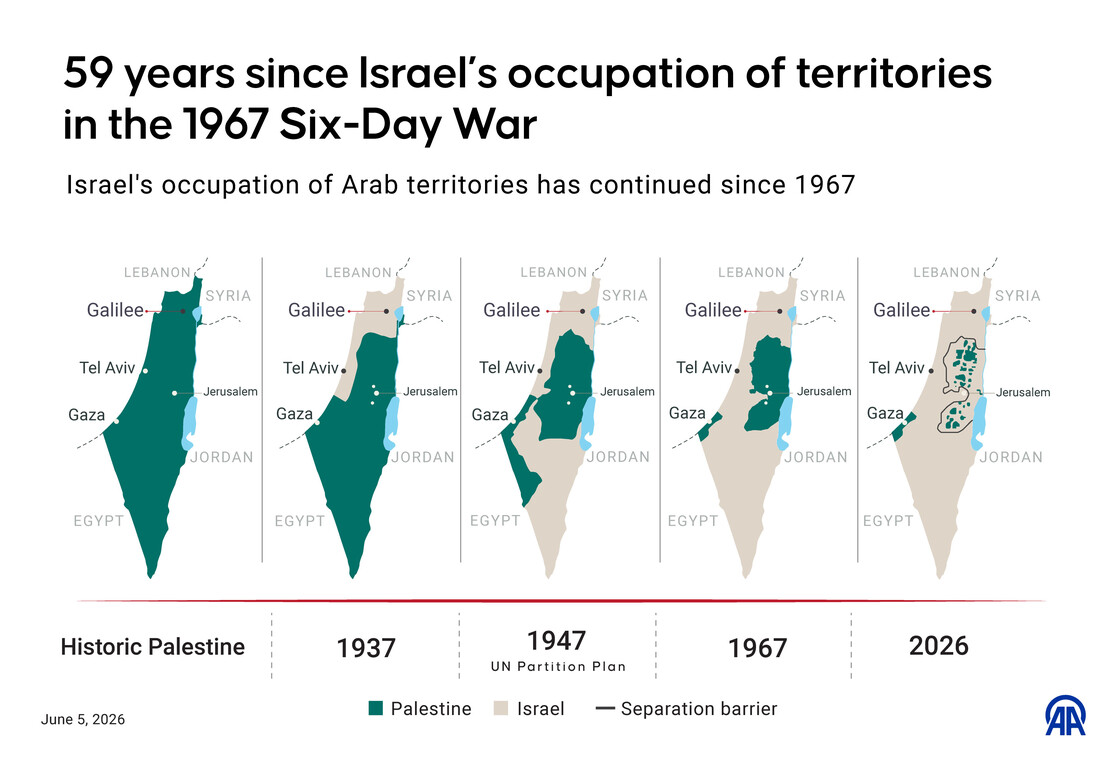
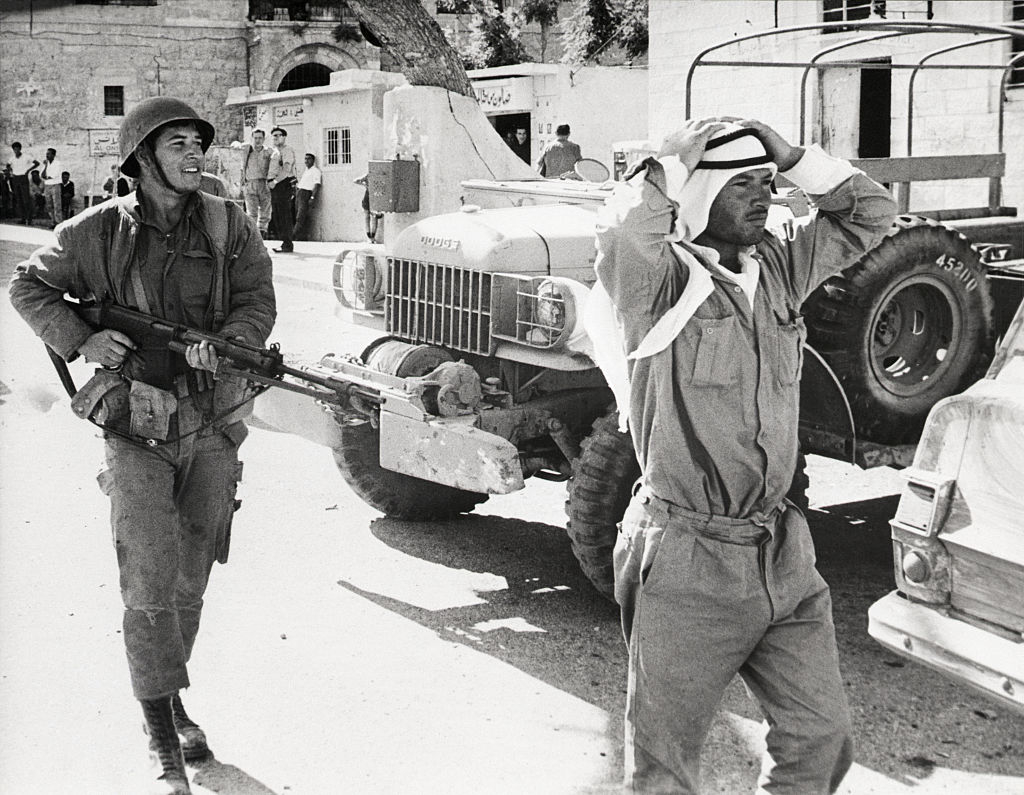
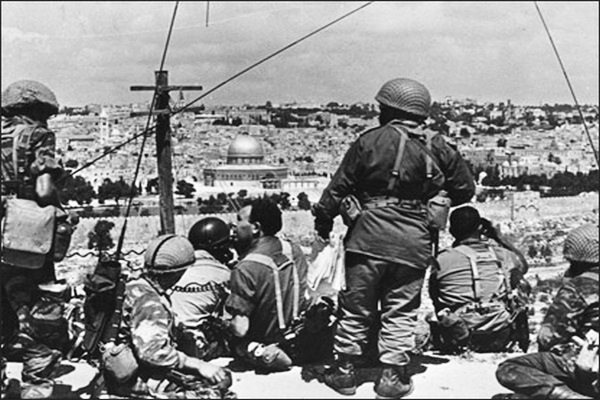
Every year on 5 June, Palestinians and Arabs remember the 1967 war, known as the Naksa (Setback).
This is a pivotal turning point in the history of the Palestinian cause. The war ended with the Israeli occupation of the West Bank, including East Jerusalem, and the Gaza Strip, the Syrian Golan Heights and the Egyptian Sinai Peninsula.
This year it is the 59th anniversary of that terrible war. But the Israeli appatitite for aggression continues. Apart from its genocide on Gaza Israel has moved ahead with its settlement construction, arrests, with its military operations in the West Bank are escalating. It reflects the ongoing repercussions of the Naksa and the occupation policies that have entrenched military control and prevented a just settlement to the Palestinian question.
Six-Day War – Decades of Occupation
The war began at dawn on 5 June, 1967, with a massive Israeli air attack targeting Arab airfields and military bases. Six days later, it ended with the occupation of the remaining Palestinian territories, in addition carving up parts of Syria and Egypt.
The war’s consequences didn’t stop at altering geographical borders but also paved the way for an expansionist settlement project based on land confiscation, displacement of residents, and the imposition of new realities on the ground. These acts were in continuous violation of international law and UN resolutions that demanded an end to the occupation and withdrawal from the occupied territories.
International Resolutions: Ink on Paper
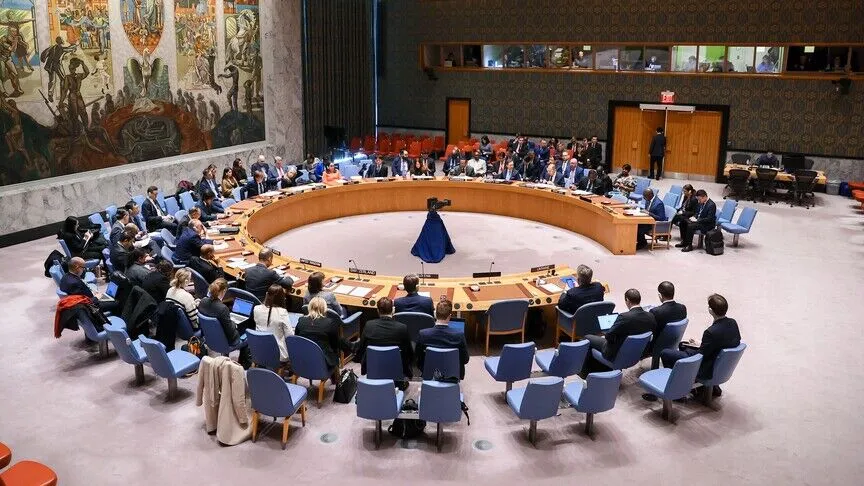
The war was followed by a series of international resolutions, most notably UN Security Council Resolution 242, which called for Israel’s withdrawal from the territories it occupied in 1967. However, the occupation continued its settlement expansion and the imposition of a fait accompli, ignoring repeated international demands to end the occupation and the respect for international law.
Over the following decades, settlements transformed from limited projects into a vast network that spread throughout the West Bank and occupied Jerusalem, undermining the prospects for establishing an independent and geographically contiguous Palestinian state.
Displacement and Settlements: Policy Since the 1967 War
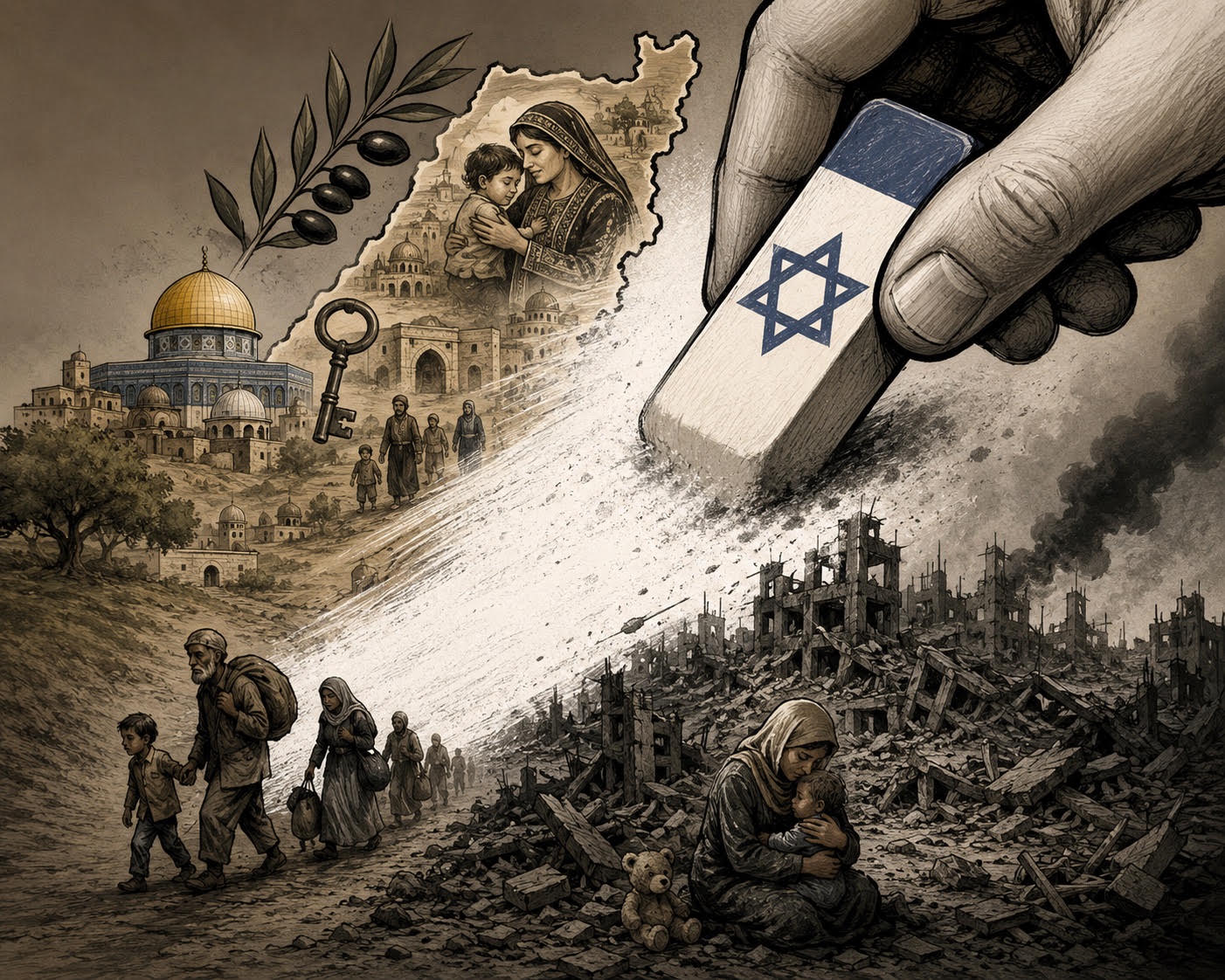
The 1967 war led to the displacement of about 300,000 Palestinians from the West Bank and Gaza Strip. Displacement policies, land confiscation, and settlement expansion continued at an escalating pace in the years since.
Palestinian Central Bureau of Statistics data shows of the existence of 645 Israeli settlement sites and military bases in the West Bank as of the end of 2025, including 151 settlements and 350 outposts.
The number of settlers also rose to 778,567 by the end of 2024, while the Israeli occupation authorities continuing to seize Palestinian land and expand their settlement projects, despite their illegality under international law.
Oslo: Political Process Stalled…
The Oslo Accords in 1993 marked a significant political milestone, stipulating a transitional phase to pave the way for the establishment of an independent Palestinian state. However, the continued expansion of Israeli settlements and the imposition of facts on the ground have weakened the prospects for the success of the political process.
With successive Israeli governments, the chances for a settlement gradually diminished, and political negotiations stalled since 2014, amidst Palestinian accusations that Israel is using negotiations as a cover to continue settlement construction and seize more land.
Palestinians believe that successive Israeli policies have emptied the settlement process of its substance by reneging on signed commitments and refusing to implement the political obligations related to ending the occupation and establishing a Palestinian state.
A Military System Governing Every Detail of Palestinian Life
Following the occupation of the Palestinian territories in 1967, Israel imposed a system of military orders that granted it broad control over all aspects of life, from managing land and natural resources to arrests, trials, and civil laws.
The occupation authorities issued dozens of military orders that reshaped the legal system in the occupied territories, while military courts continued to try Palestinians according to procedures that international human rights organizations refuse to consider compliant with international standards of justice.
Prisoner support organizations also confirm that more than one million Palestinians have been arrested since 1967, while approximately 9,500 prisoners and detainees are currently held in Israeli prisons.
War on Gaza: An Extension of a Long Conflict
Palestinians believe that the ongoing war on the Gaza Strip, which began in October 2013, represents an extension of the occupation’s policies based on the use of military force and the imposition of facts on the ground by force, far removed from any political solutions that would end the conflict.
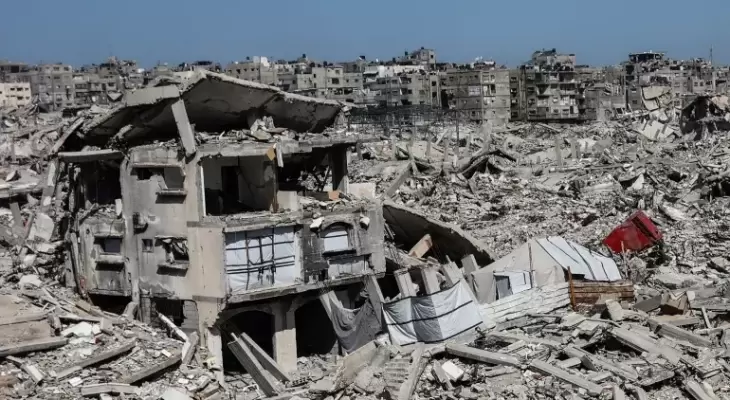
The war resulted in tens of thousands of martyrs and wounded, most of them women and children, in addition to thousands missing and widespread destruction of infrastructure and civilian facilities.
In the West Bank, raids, arrests, and settlement expansion continued, leading to the martyrdom of 1,168 Palestinians, injury of 12,666 others, the arrest of approximately 23,000, and the displacement of 33,000.
The Naksa Anniversary: A Reality Persisting for 59 Years
Fifty-nine years after the June 1967 war, the effects of the Naksa remain present in the Palestinian landscape, through the continuation of the occupation, settlement activity, land confiscation, displacement of residents, and the stalled political settlement process.
As the anniversary is commemorated this year amidst the war in Gaza and the escalation of violence in the West Bank, Palestinians emphasize that the core of the conflict remains linked to the ongoing occupation and Israel’s refusal to implement international resolutions and fulfill its obligations. This has kept the Palestinian cause open to further crises and tensions over the past decades. Palestinian Information Center
 Saleem Ayoub Quna