Israel Seeks to Destroy Lebanon

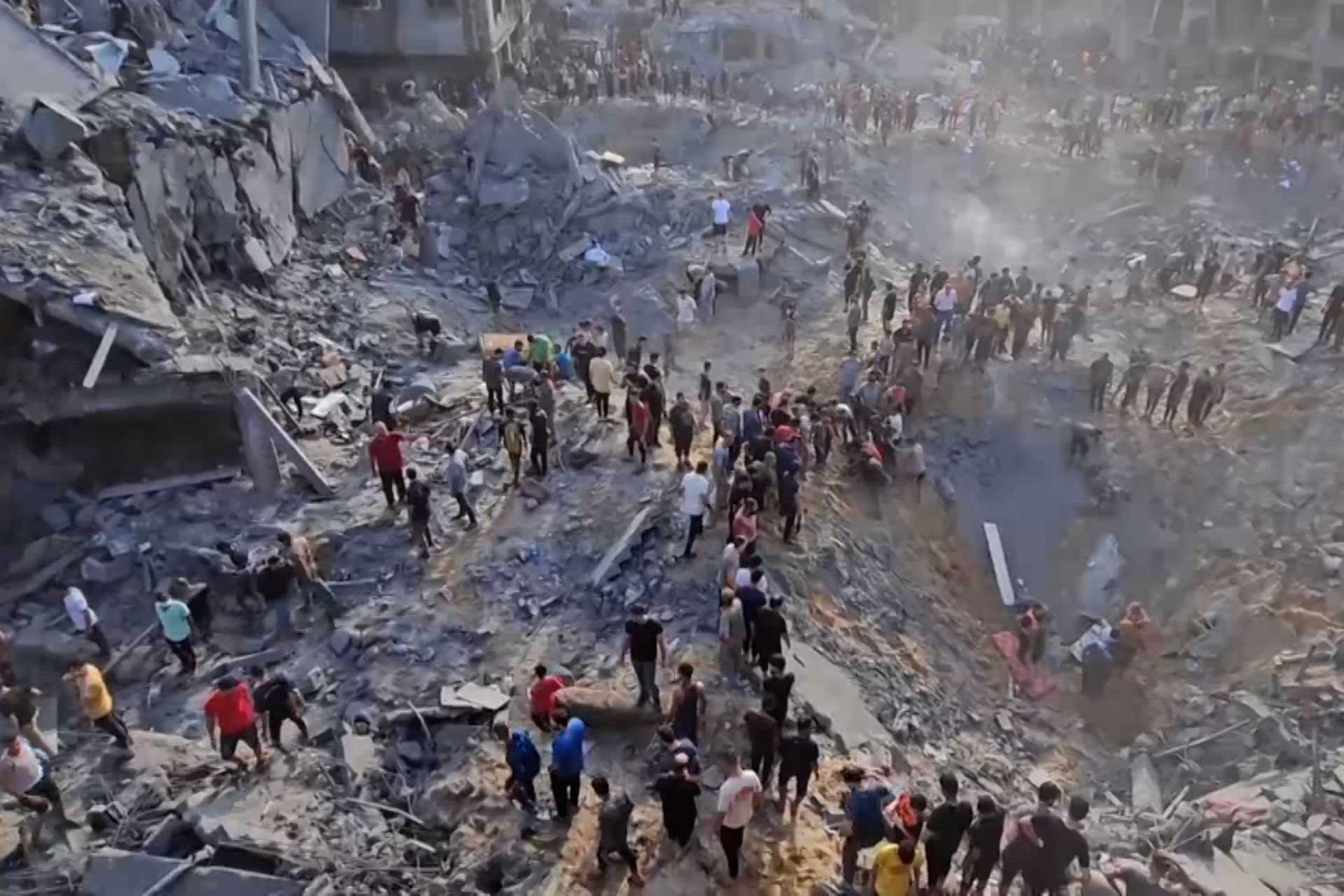
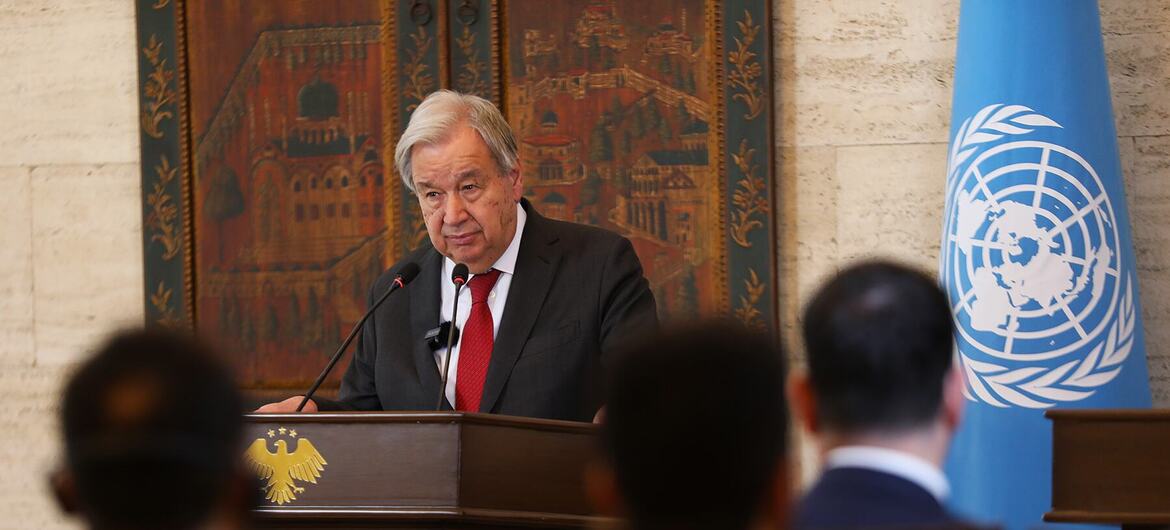
Lebanese Prime Minister Nawaf Salam on Saturday warned that his country is facing “dangerous and unprecedented” Israeli escalation in the south despite a ceasefire agreement.

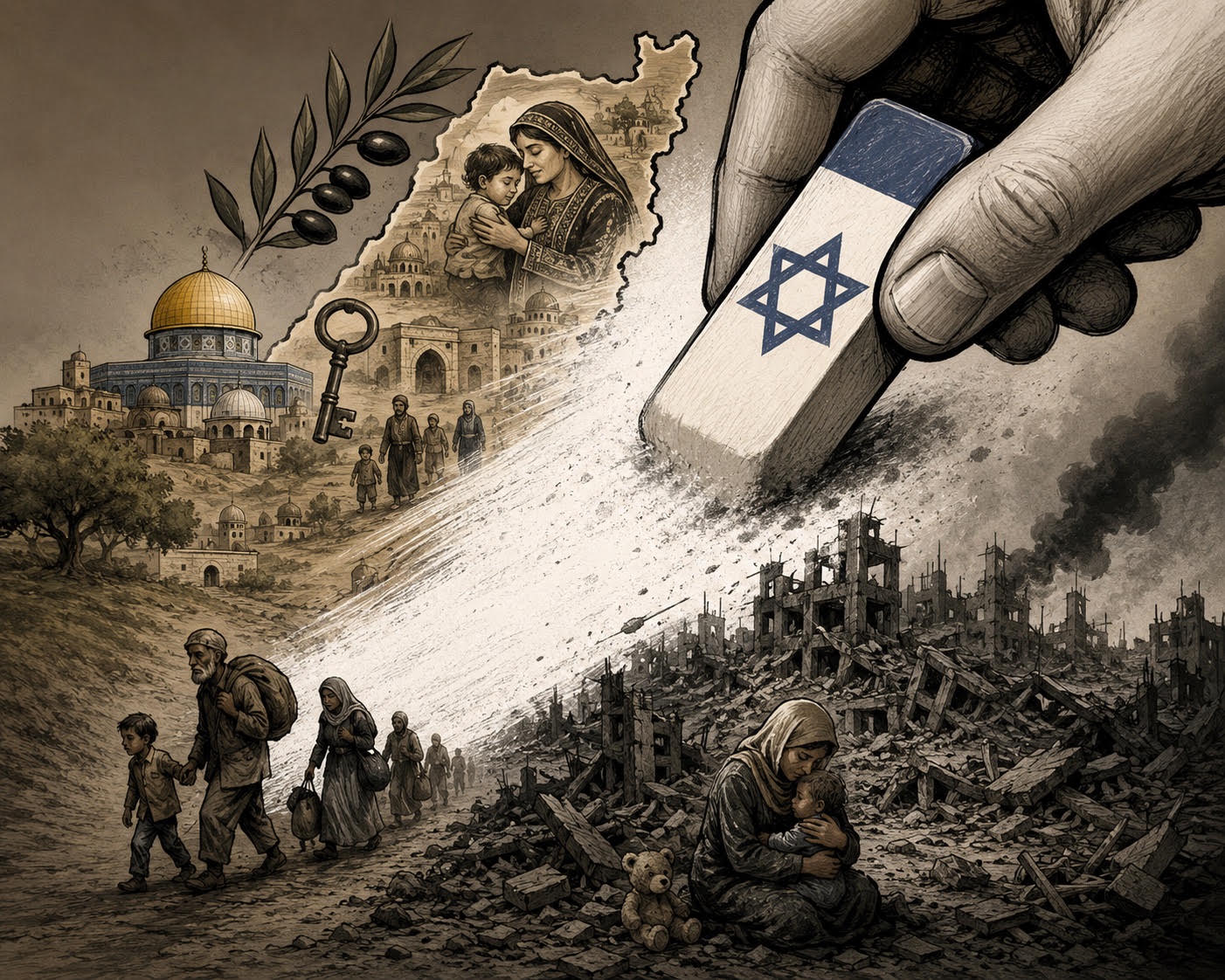
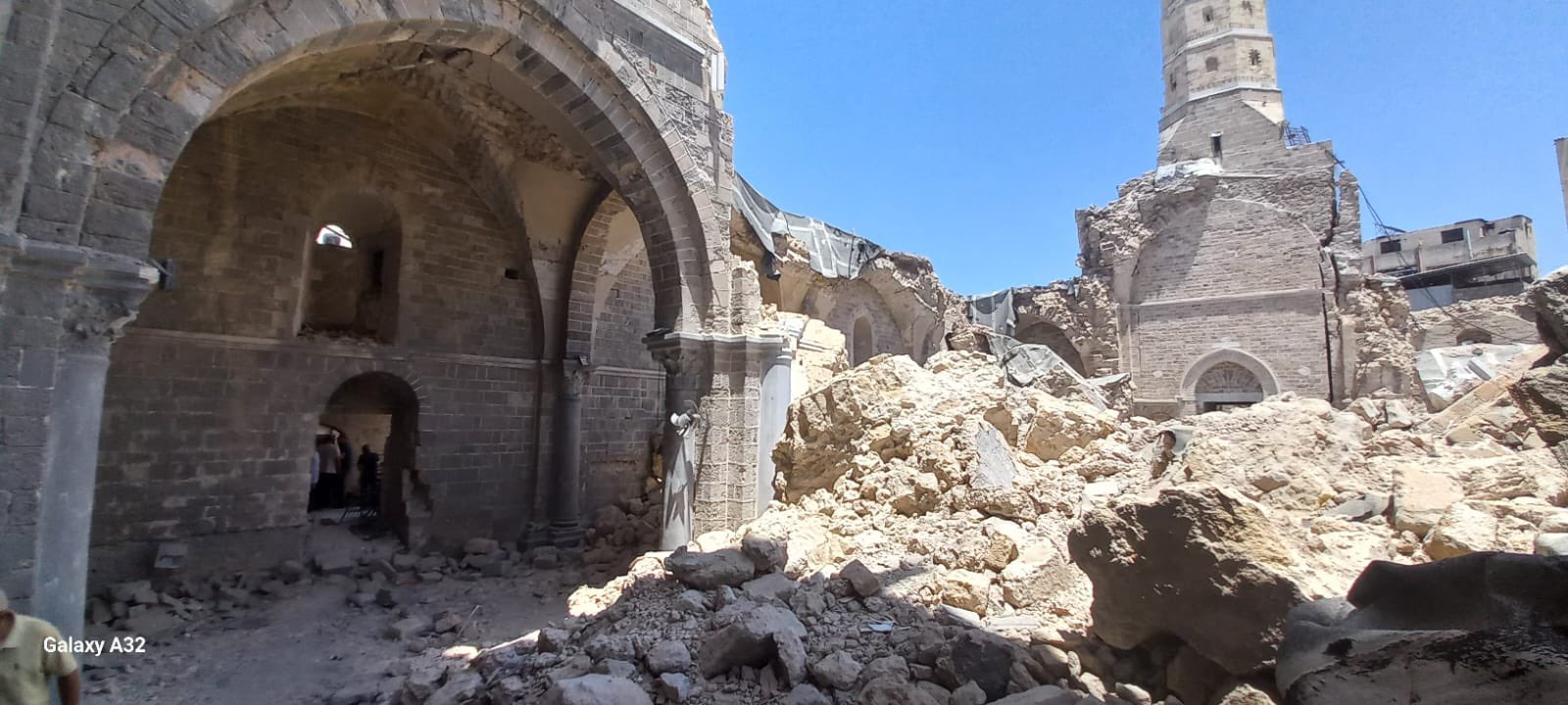
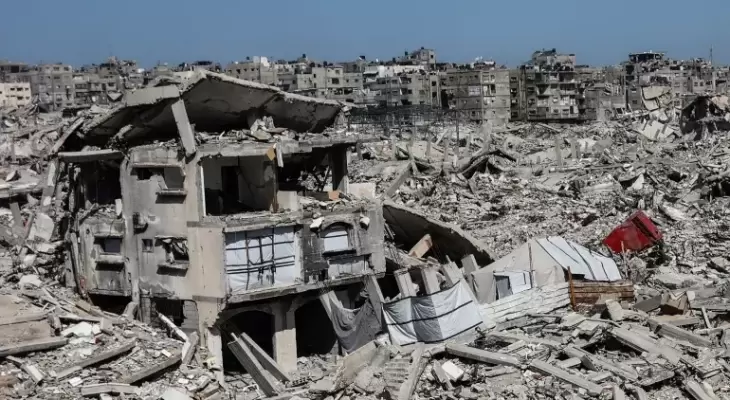
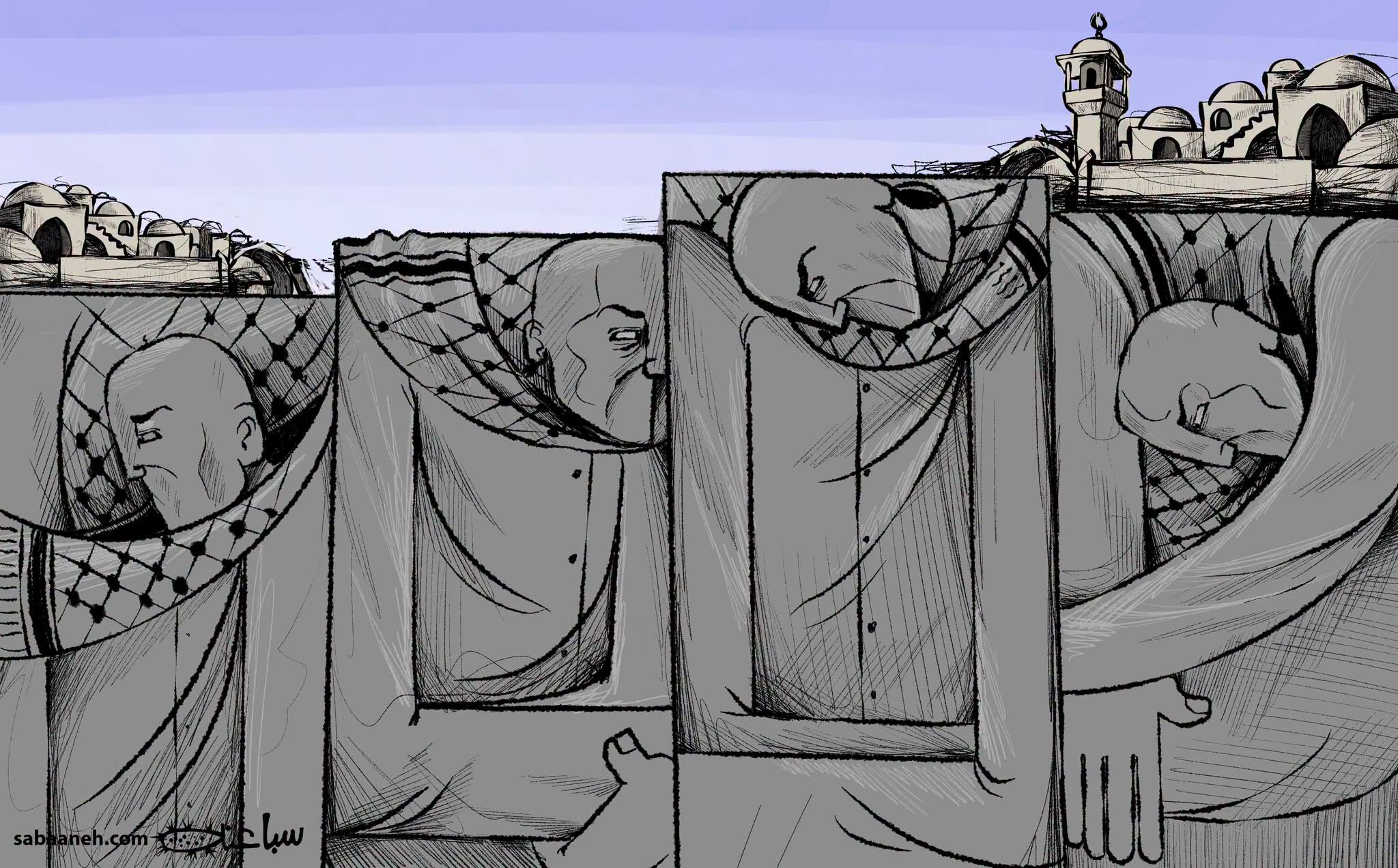
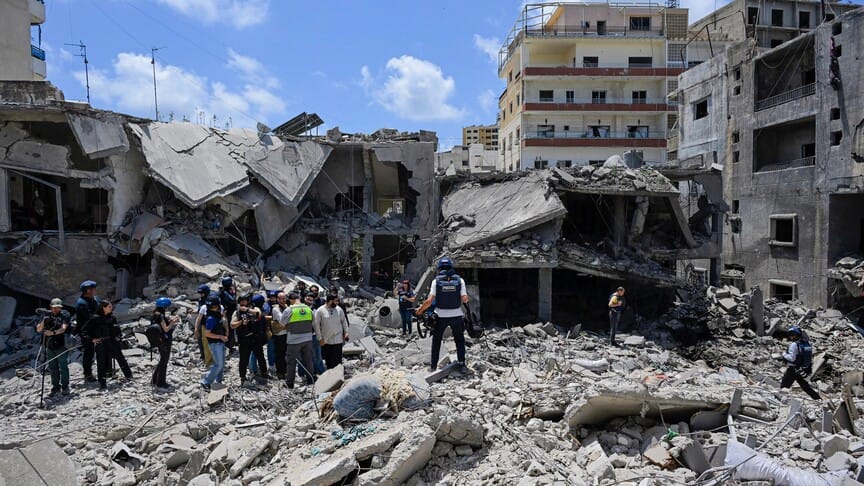
“Israel is pursuing a policy of comprehensive destruction that goes beyond targeting specific locations in Lebanon. What Israel is doing is not only a violation of Lebanon’s sovereignty but also an attempt to erase history,” Salam said at a press conference in Beirut.

“We are facing dangerous and unprecedented Israeli attacks,” he added.

The premier said Lebanon remains determined to end the war and prevent the country from becoming an arena for the conflicts of others.

He also argued that Israel cannot achieve security through destruction and military attacks.

Commenting on US-mediated negotiations between Lebanon and Israel, Salam said the Lebanese state is conducting talks on behalf of all Lebanese citizens according to Anadolu.

“There is no guarantee that the negotiations will succeed, but this is the least costly option for Lebanon and our people,” he said.

“Does negotiation mean surrender? No. The professional work of the negotiating team is aimed at securing a ceasefire,” Salam added.

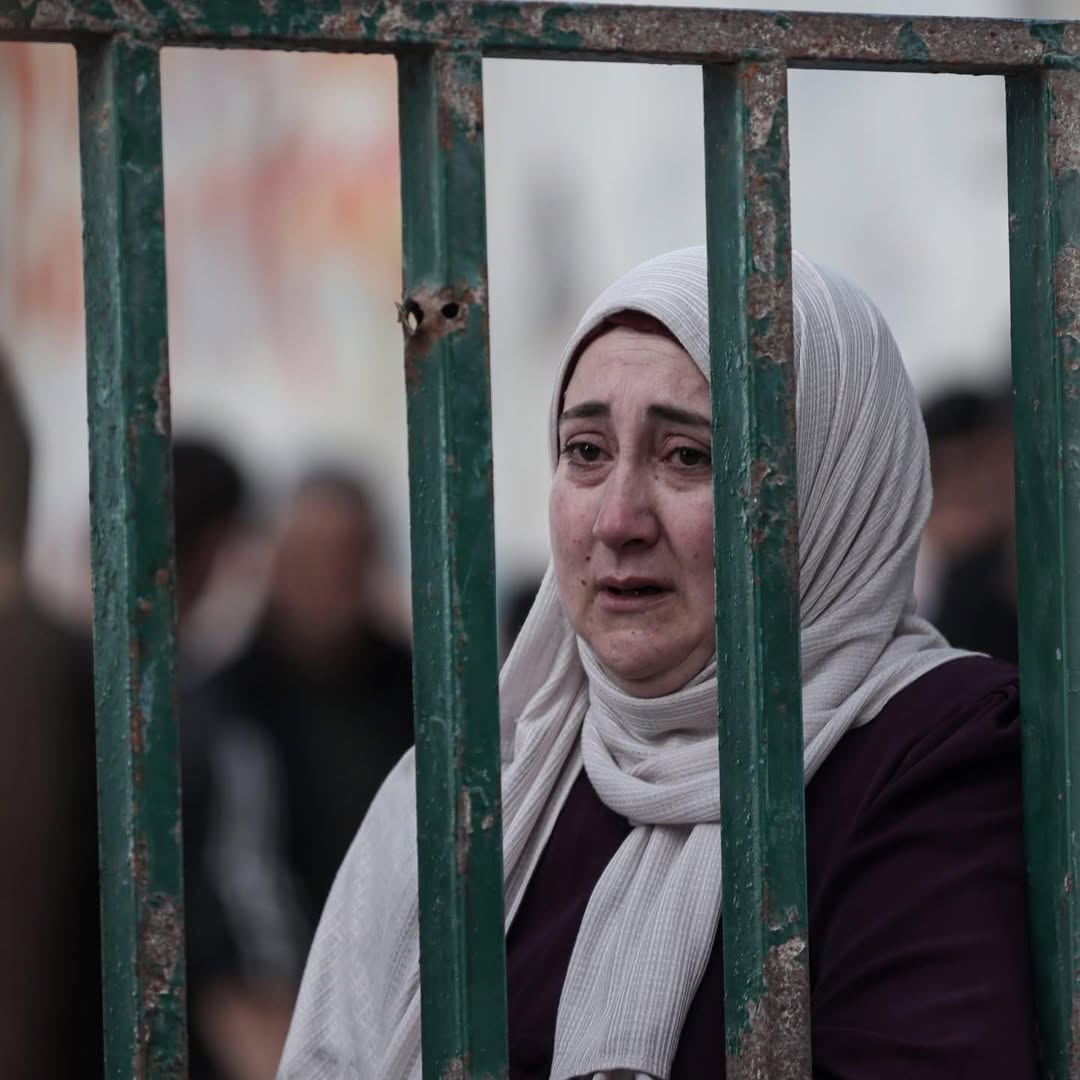
Addressing residents displaced by Israeli attacks in southern Lebanon, the prime minister said the Lebanese state would continue efforts to secure a ceasefire and support reconstruction.

Israel has continued airstrikes and ground operations in Lebanon despite a ceasefire that took effect on April 17 and was later extended by 45 days beginning May 17 through US mediation.

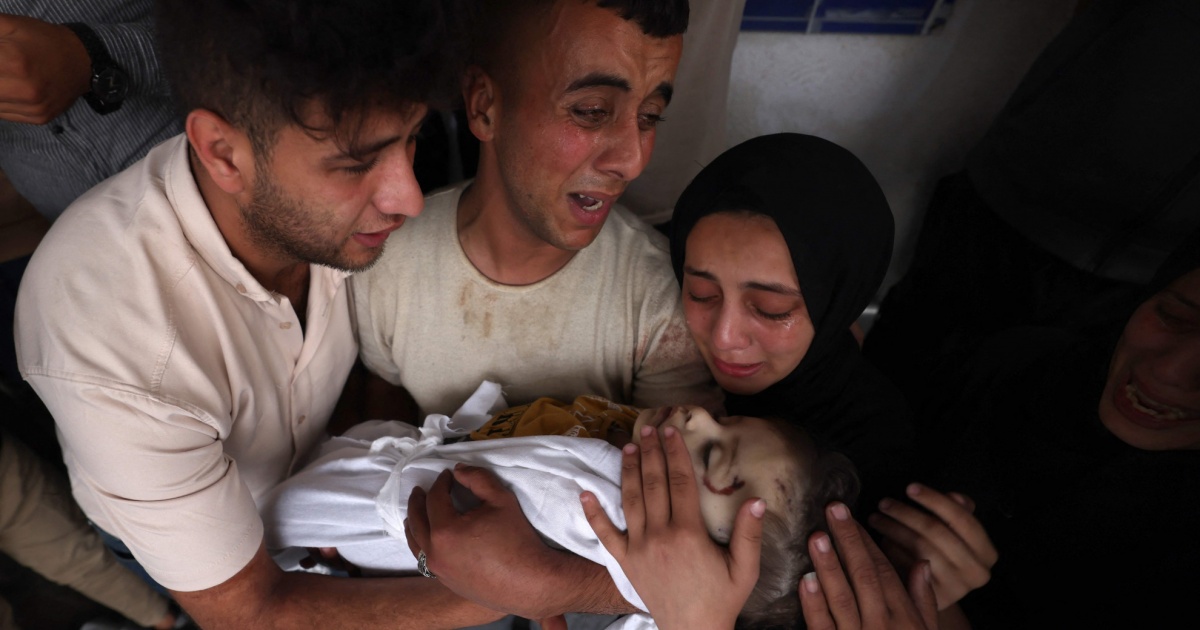
Lebanese authorities said Thursday that Israeli attacks since March 2 have killed more than 3,300 people and displaced over one million others.
Continue reading
Gaza Journalists Get ‘Golden’ For Coverage

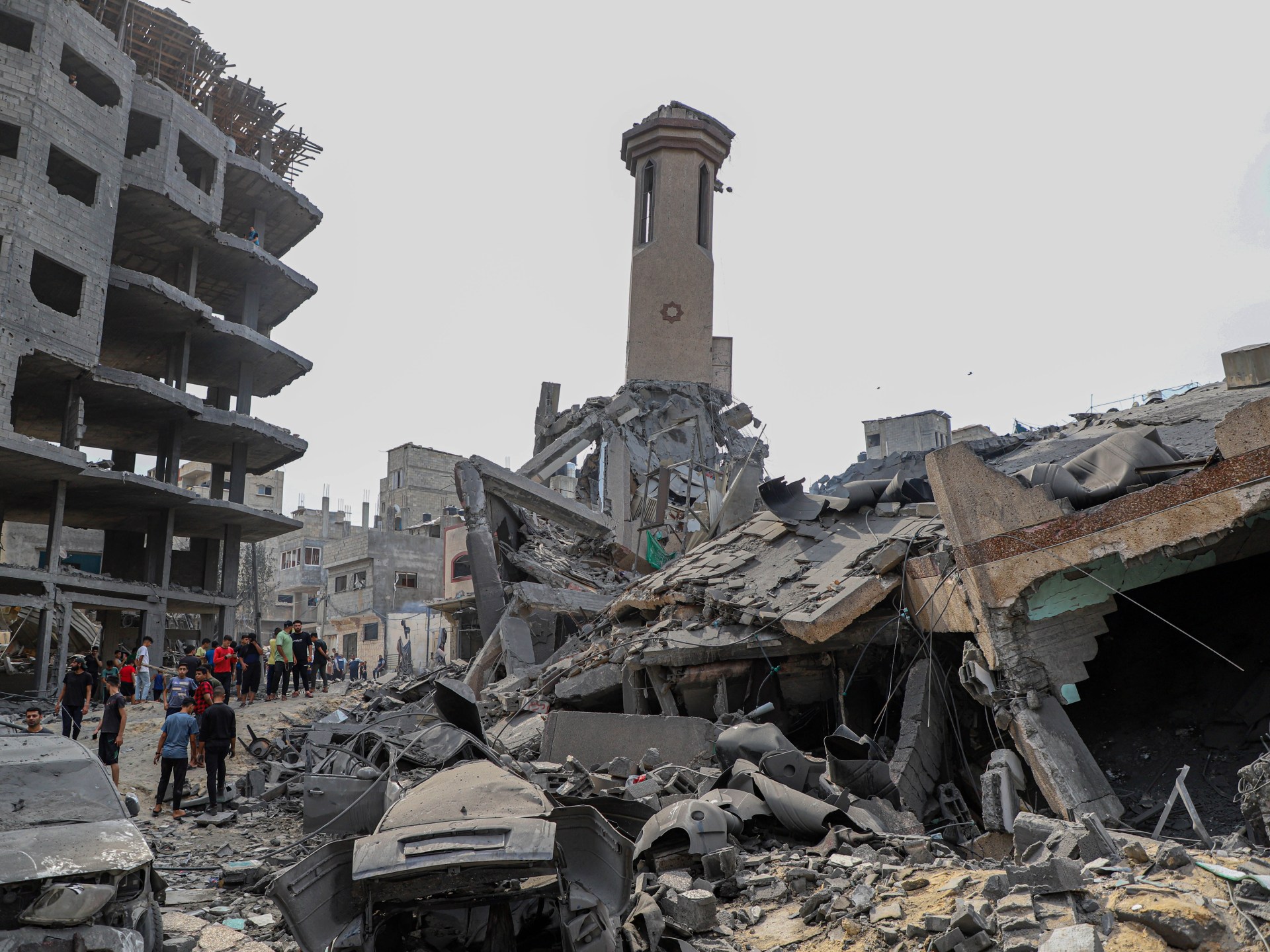
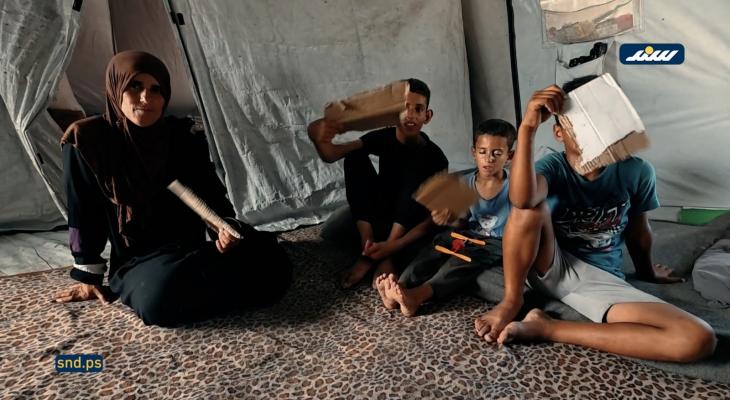
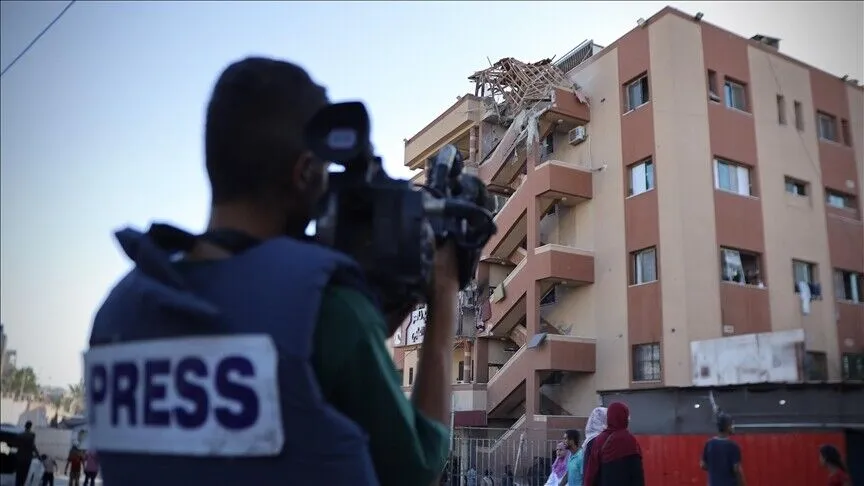
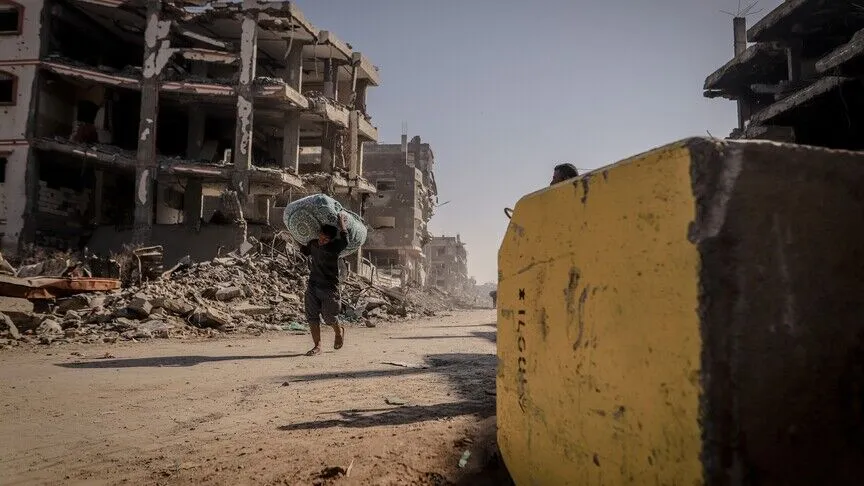
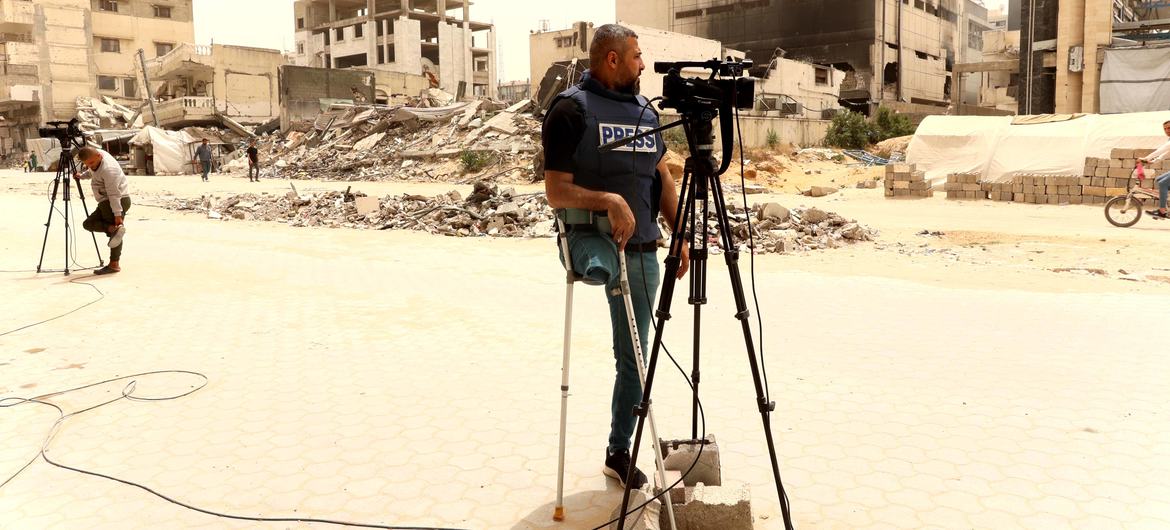
The World Association of Newspapers and News Publishers (WAN-IFRA) announced, Friday, it will award its Golden Pen Award for Press Freedom to photographers and video journalists working in the Gaza Strip. It stated this is in recognition of their efforts to document the Israeli genocidal war on the enclave despite the significant risks to their lives.

In a statement, WAN-IFRA said journalists in Gaza “have witnessed death, destruction, and human suffering on an unprecedented scale for more than two and a half years.”

It added they are “victims of the conflict as much as they are chroniclers of a war that has raged and continues to rage around them.”

Read also: UN Commission: Gaza is the most dangerous place for journalists in the world

The award also includes recognition for journalists who were injured or killed while covering the war in Gaza.

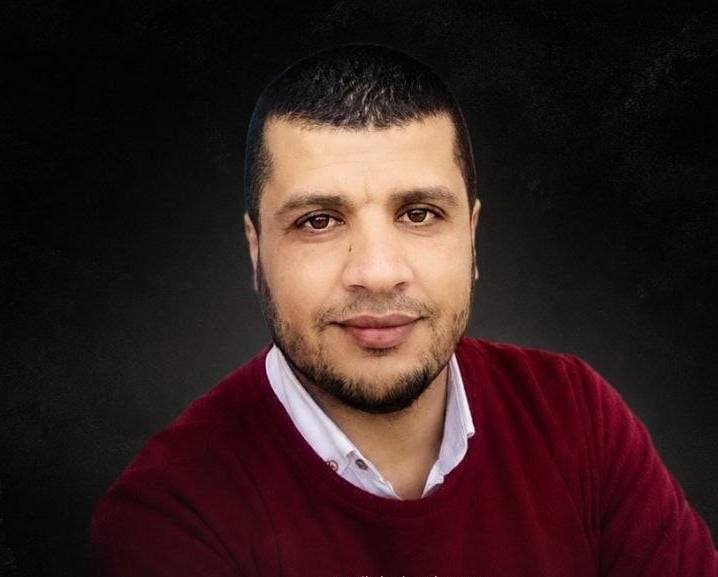
The award will be presented to representatives of the three major international news agencies operating in Gaza: Agence France-Presse (AFP), Associated Press (AP), and Reuters. Among them is photographer Mohammed Abd, who worked with AFP in the Strip until April 2024 before moving to the agency’s Cairo bureau.

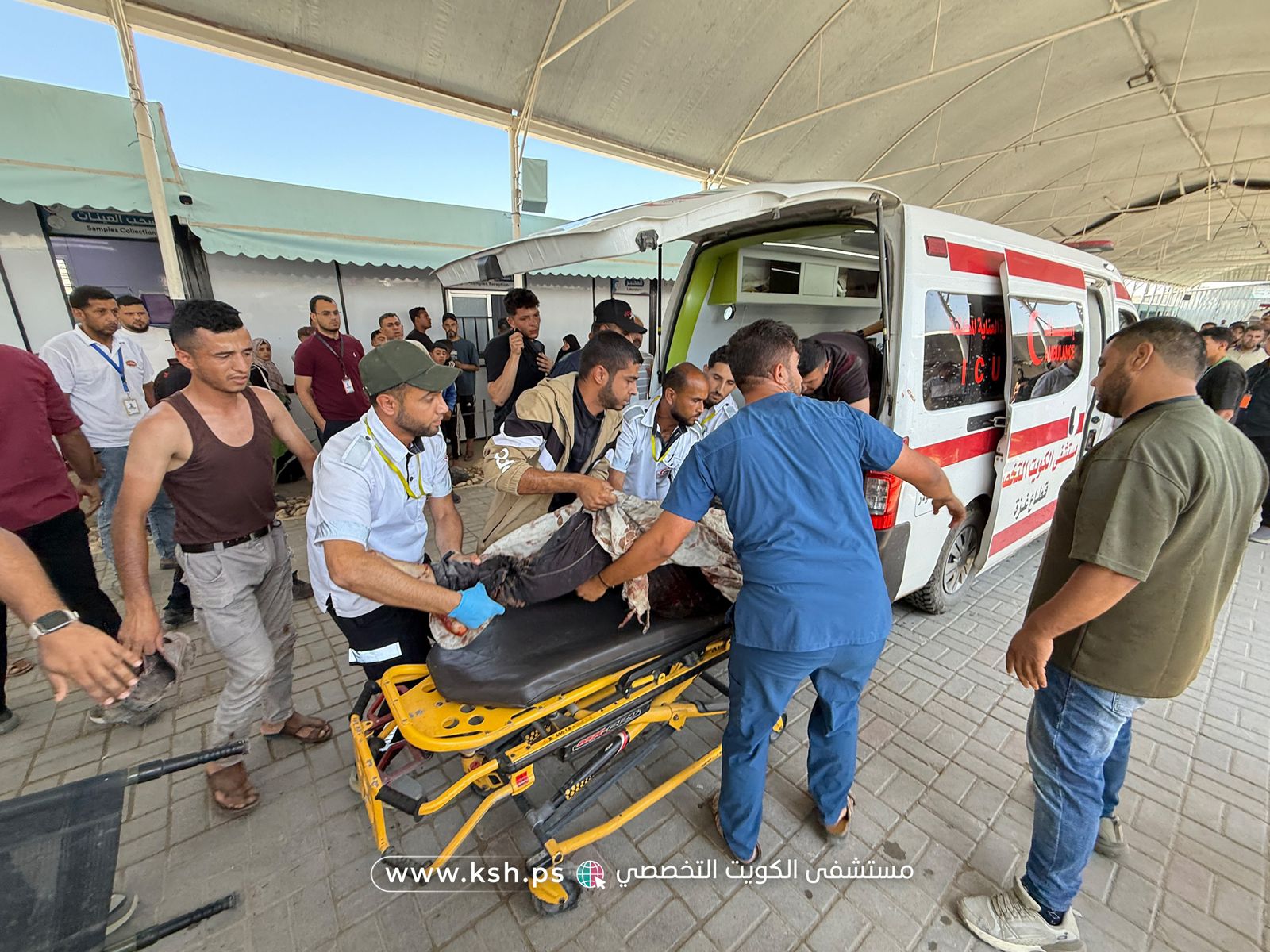
According to Reporters Without Borders, more than 220 journalists have been killed by Israeli fire in Gaza since the start of the war, including at least 70 journalists killed while performing their duties, according to figures published by the organization at the end of 2025.

The association stated that Israel has prevented foreign journalists from entering the Gaza Strip since the beginning of the war, with the exception of limited visits organized under the escort of the Israeli army.

The UN High Commissioner for Human Rights had previously confirmed that the Gaza Strip is the most dangerous place in the world for journalists according to the Arabic Snd news agency.

Continue reading
Death Trap: Hezbollah Destroys 6 Israeli Tanks in 24 Hours

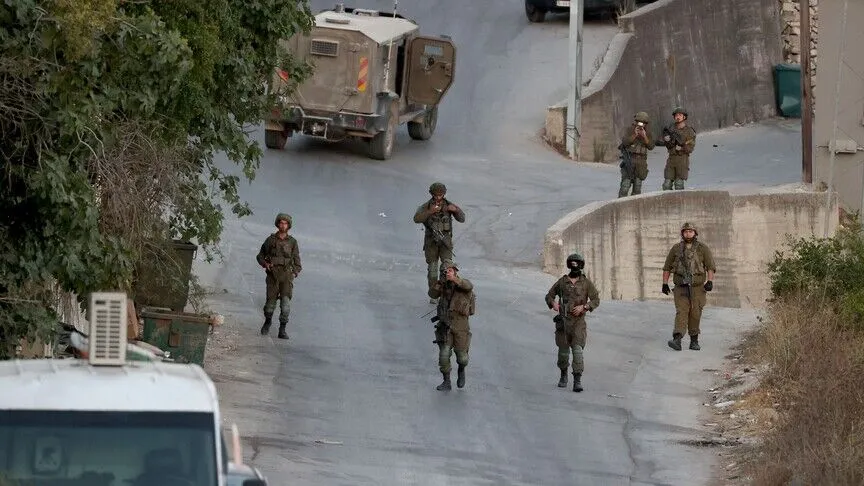
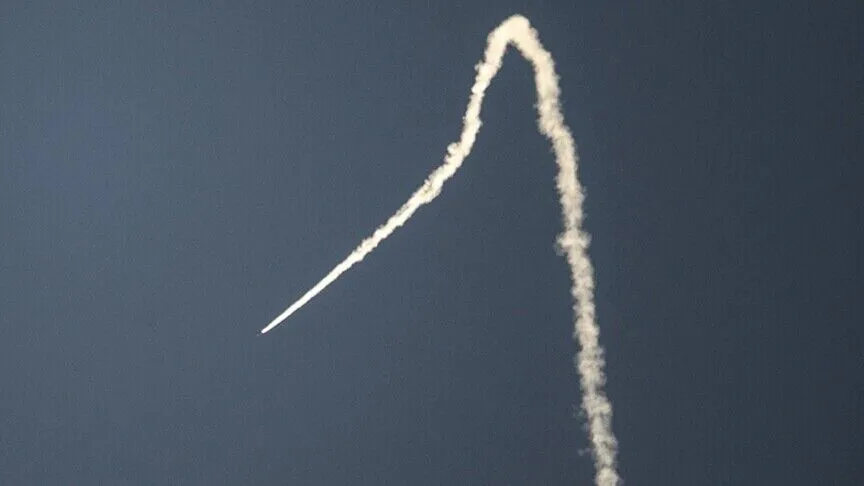
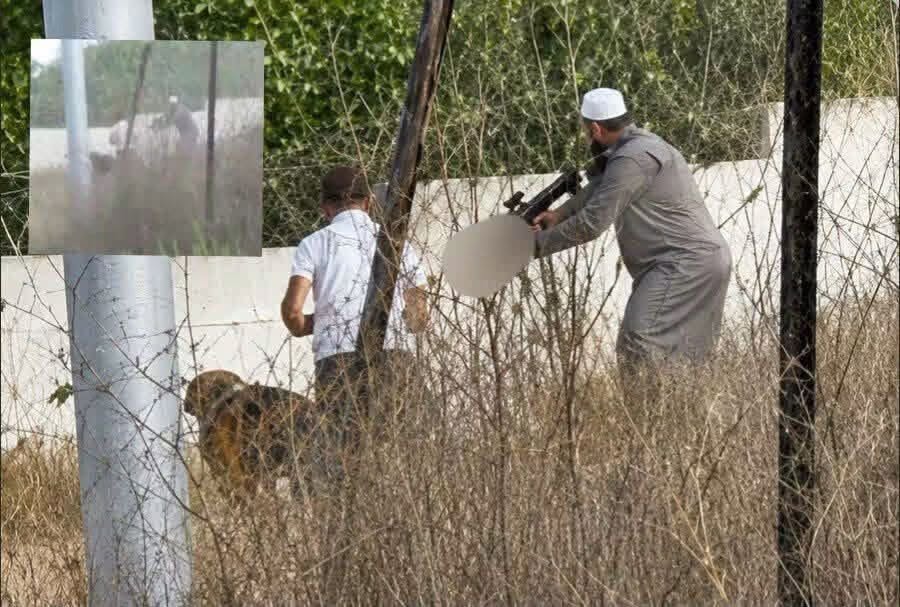
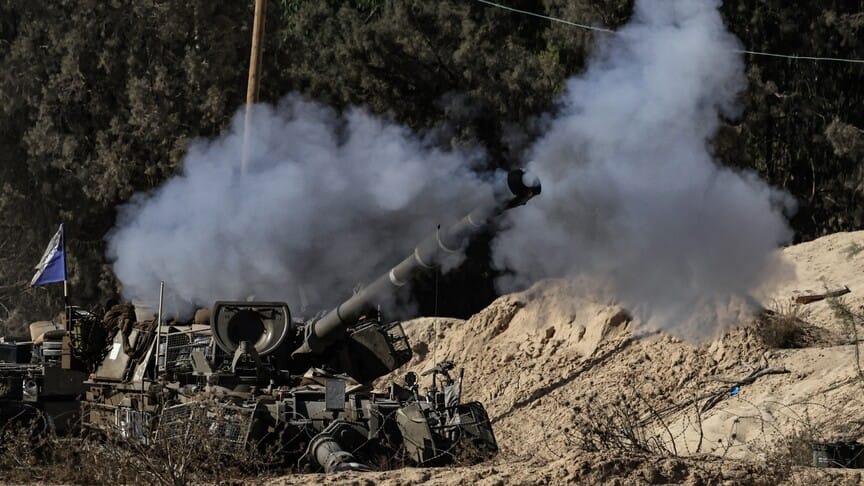
Hezbollah said early Saturday that it had carried out 22 attacks against Israeli troops, vehicles and military positions in the previous 24 hours, including drone and missile strikes that hit six Israeli Merkava tanks across southern Lebanon.

The group said the attacks were in response to Israeli violations of a ceasefire agreement and attacks on civilians and villages in southern Lebanon.

Hezbollah said its fighters targeted five Merkava tanks in the town of Yahmar al-Shaqif in Nabatieh province using attack drones, a guided missile and other weapons, and that the tanks were seen burning after the attacks.

It said a sixth Merkava tank was targeted near the town of Dibbine in Marjayoun district, where it was also seen burning.

Hezbollah reported attacks on Israeli troops, military vehicles and positions across several areas in southern Lebanon, including Naqoura, Haddatha, Rashaf, Bayyada and Zawtar al-Sharqiya.

The group said it used attack drones against Israeli troop gatherings, military sites and technical equipment, and carried out rocket attacks on Israeli forces.

In northern Israel, Hezbollah said it launched drone attacks targeting Israeli soldiers near the settlement of Natua and at the Galilee Forest military camp according to Anadolu.

In recent weeks, Hezbollah drones have raised growing concern in Israel, with Prime Minister Benjamin Netanyahu describing them as a “major threat” due to the difficulty in detecting them.

Israel has continued its attacks on Lebanon despite a ceasefire that took effect April 17 and was extended for 45 days beginning May 17 following indirect talks mediated by the US.


According to the Lebanese Health Ministry, Israeli attacks since March 2 have killed 3,355 victims across the country.

Continue reading
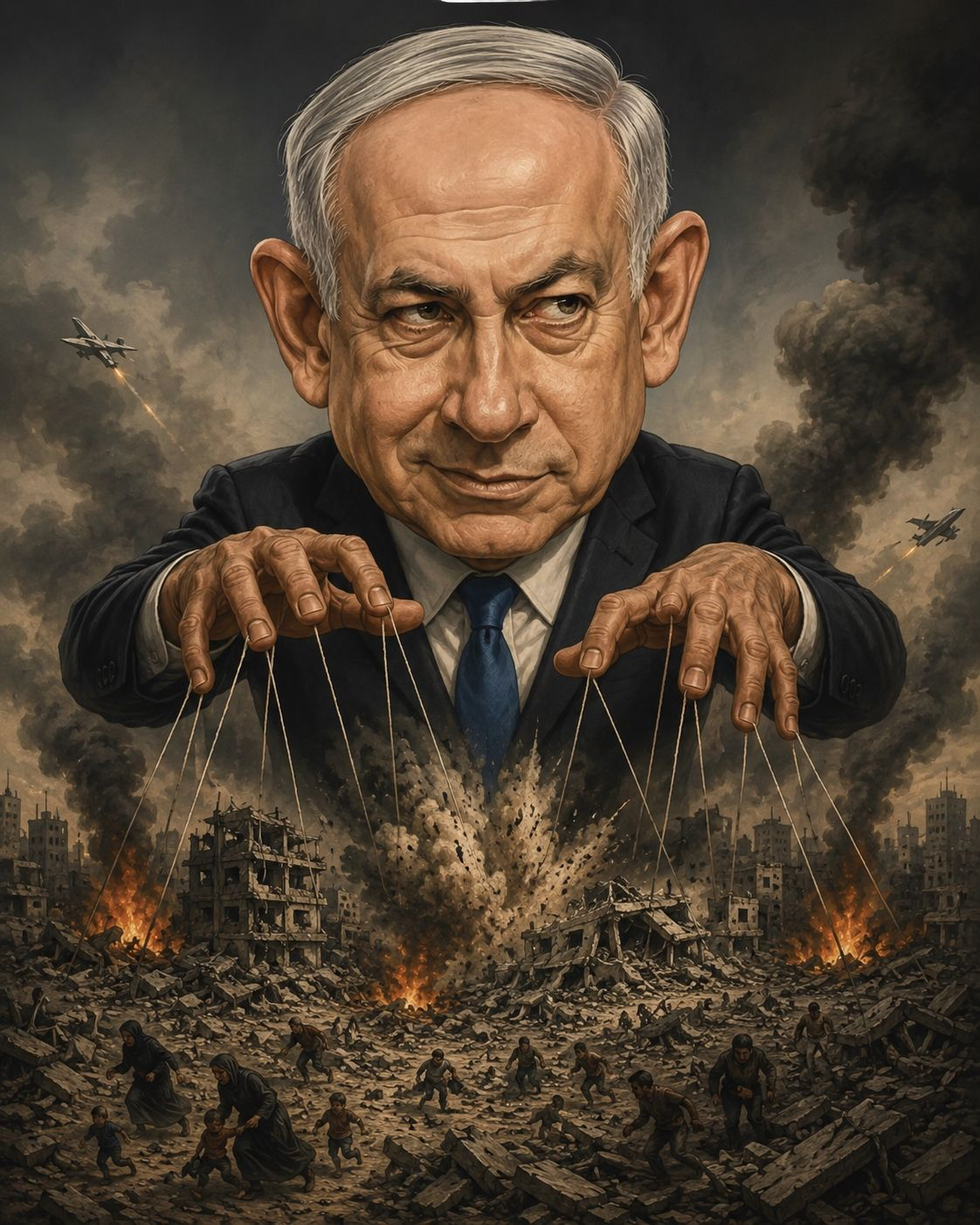
Netanyahu Wants to Control 70% of Gaza

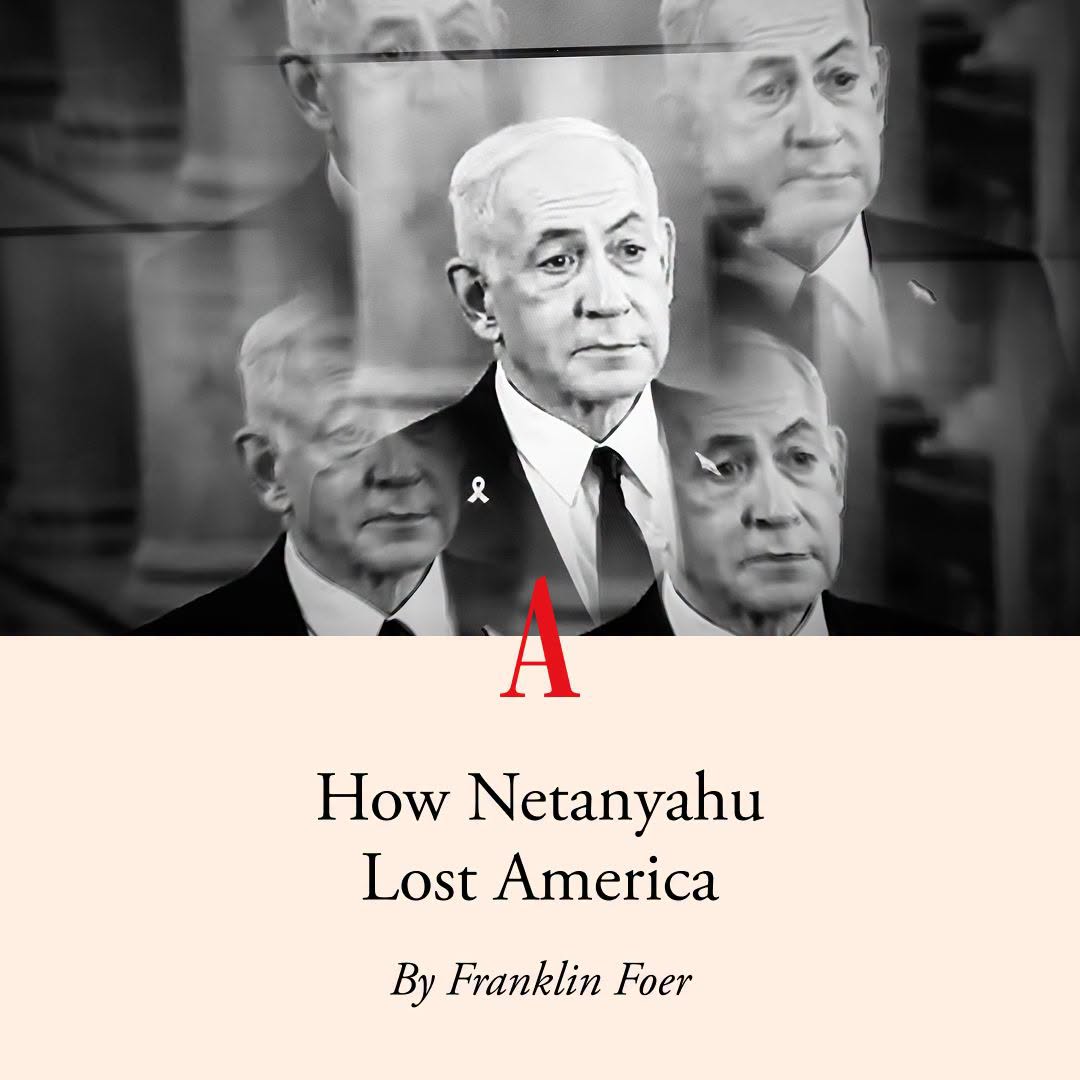
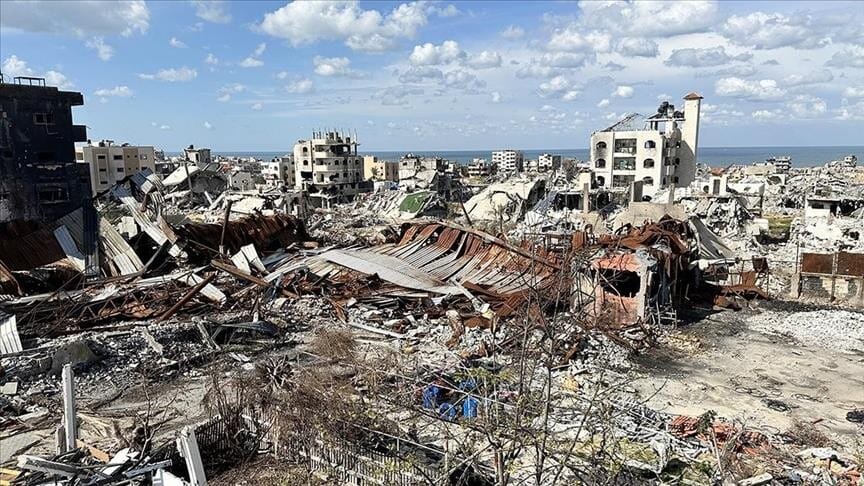
Israeli Prime Minister Benjamin Netanyahu acknowledged Thursday that Israel currently controls 60% of the Gaza Strip and signaled plans to expand it further to 70%.

According to Israel’s Channel 12, Netanyahu said during a seminar in the Jordan Valley: “We currently control 60% of the Gaza Strip, and my directives are to move toward controlling 70%.”

He did not elaborate on how such plans would be implemented.

The Israeli army announced in October last year that it controlled 53% of the Gaza Strip after redeploying to the so-called “yellow line” under the first phase of US President Donald Trump’s plan to end the war in Gaza.

The arrangement envisioned further Israeli withdrawals under the second phase, launched in January. The “yellow line” refers to a temporary separation zone in eastern Gaza dividing areas under Israeli military control from areas where Palestinians are allowed to remain.

But Palestinian sources say that the boundary has been steadily pushed westward in recent months.

Bassem Naim, a senior Hamas official, told Anadolu that Israel has shifted the line by an additional 8% to 9% into Gaza’s territory, raising the area under Israeli control to more than 60% according to Anadolu.

The change has reduced the space available to Palestinians to roughly 38% of the enclave, intensifying an already severe humanitarian crisis.

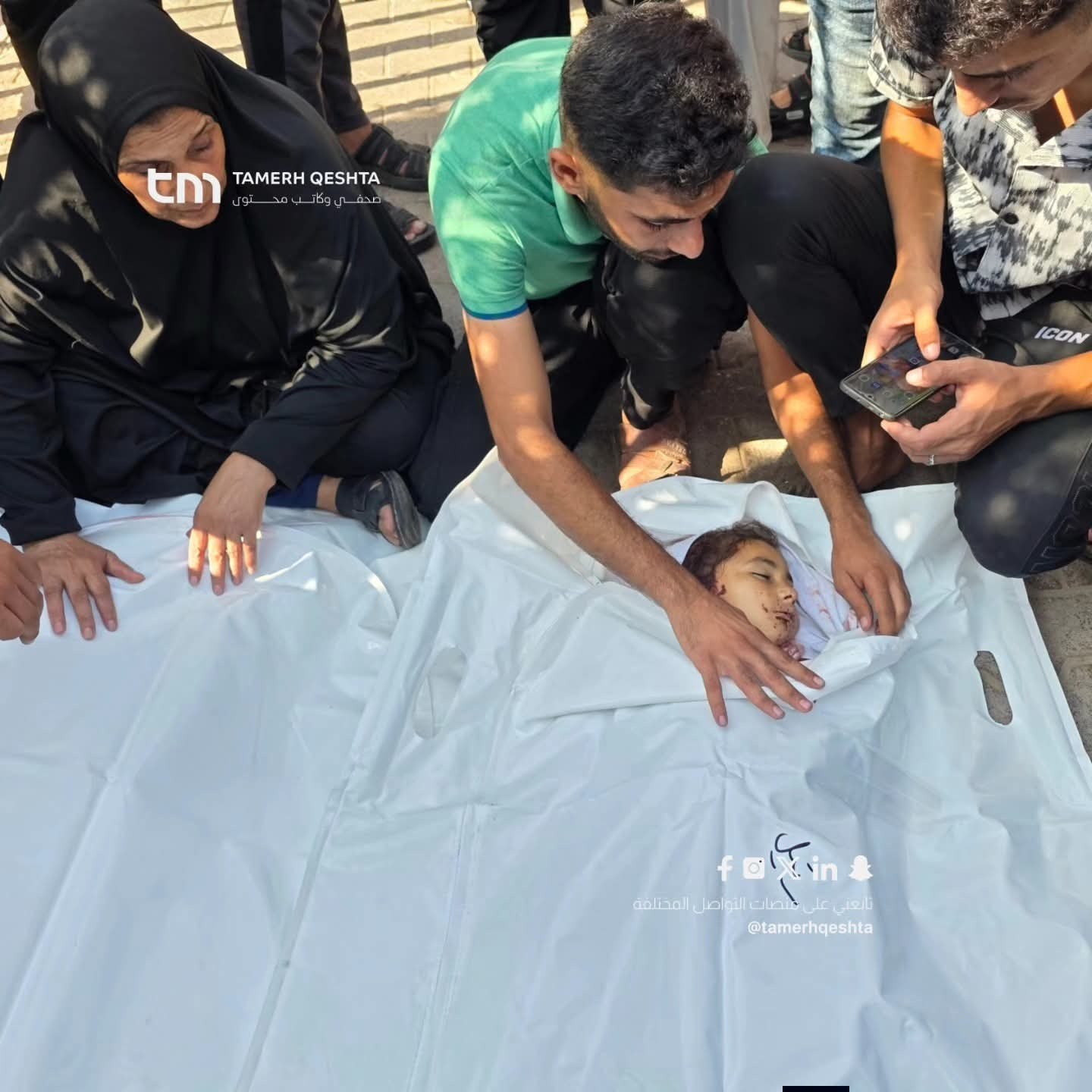
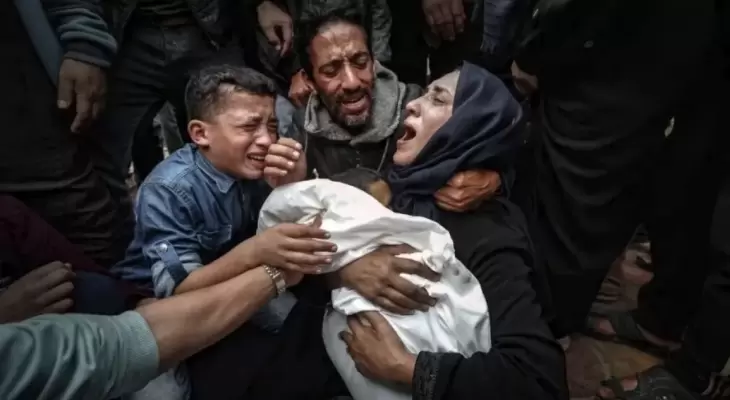
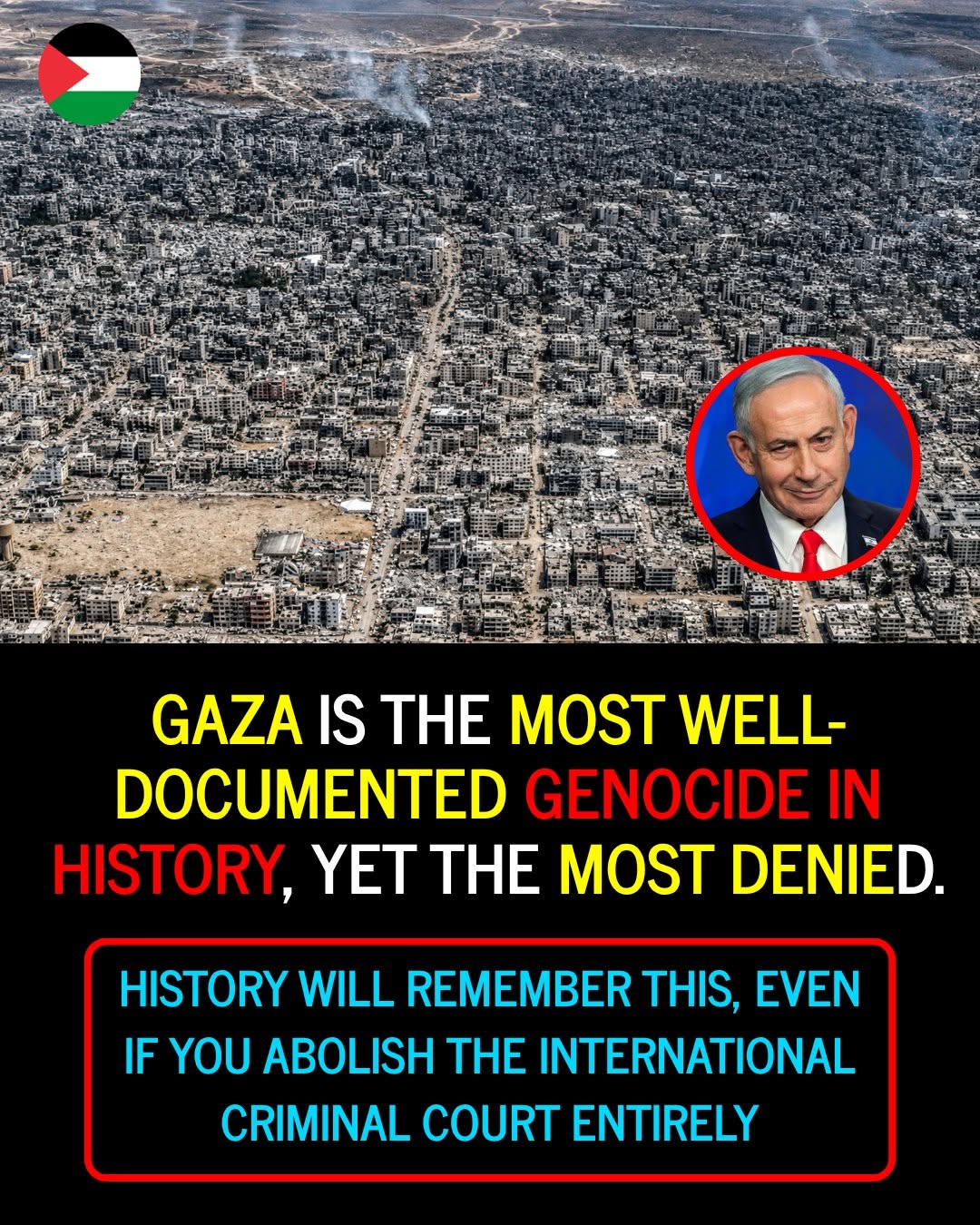
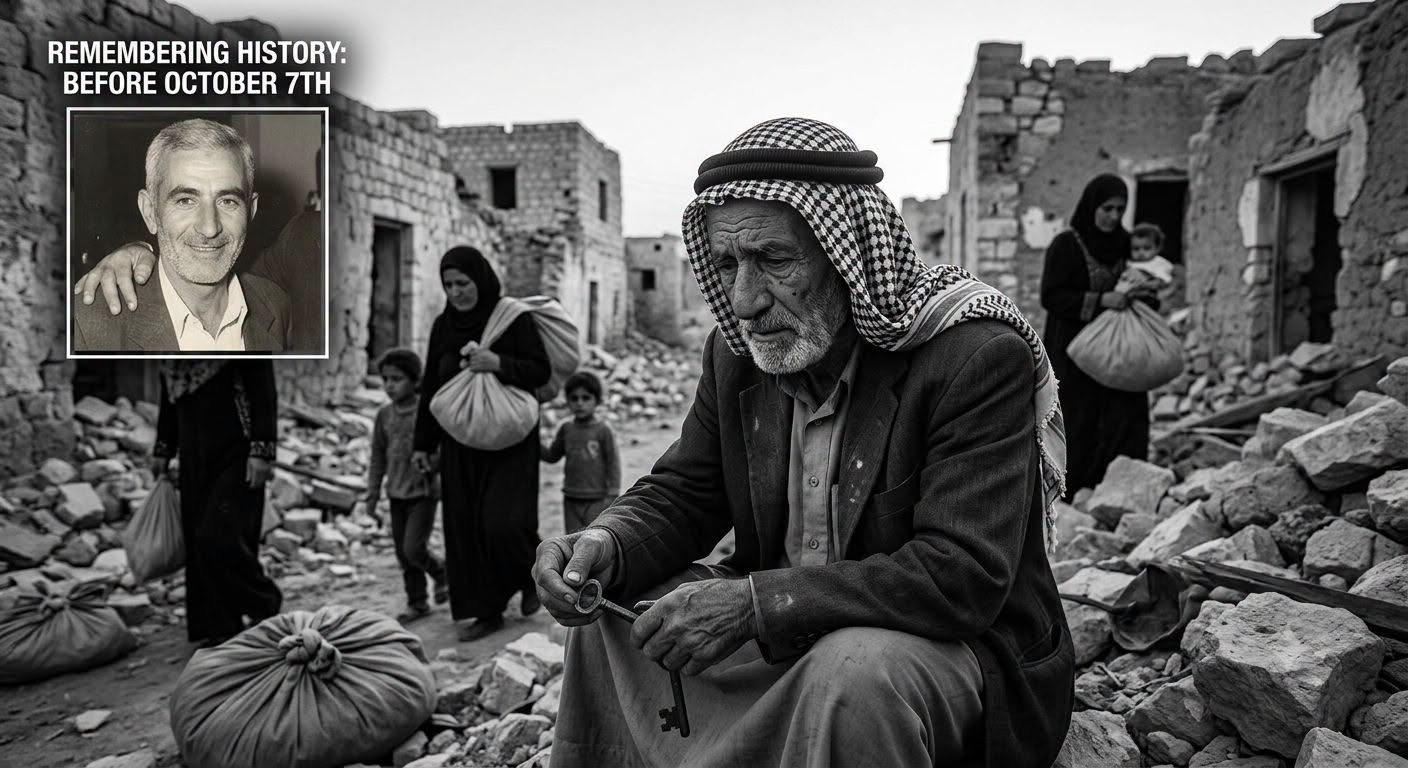
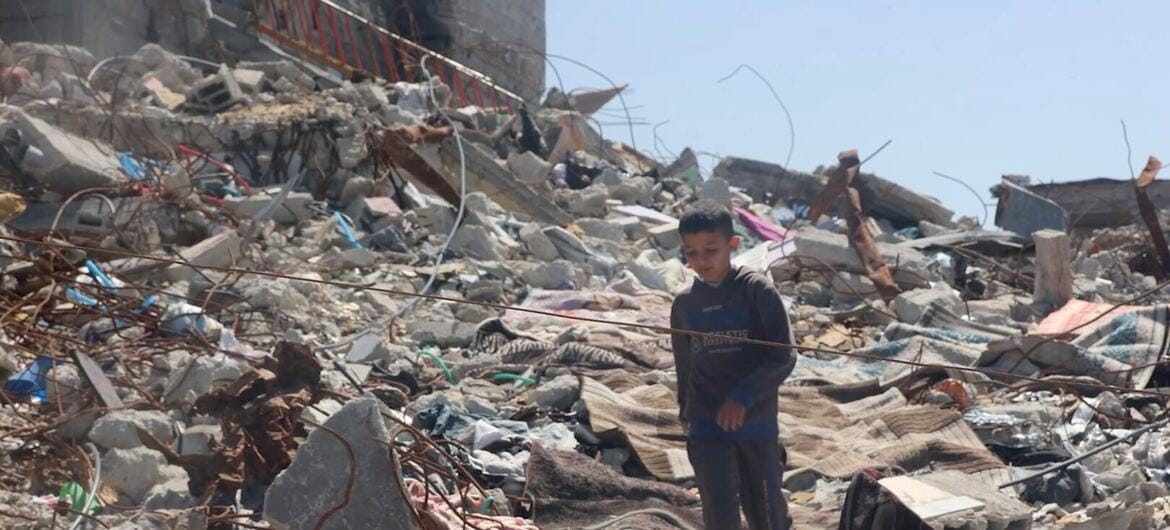
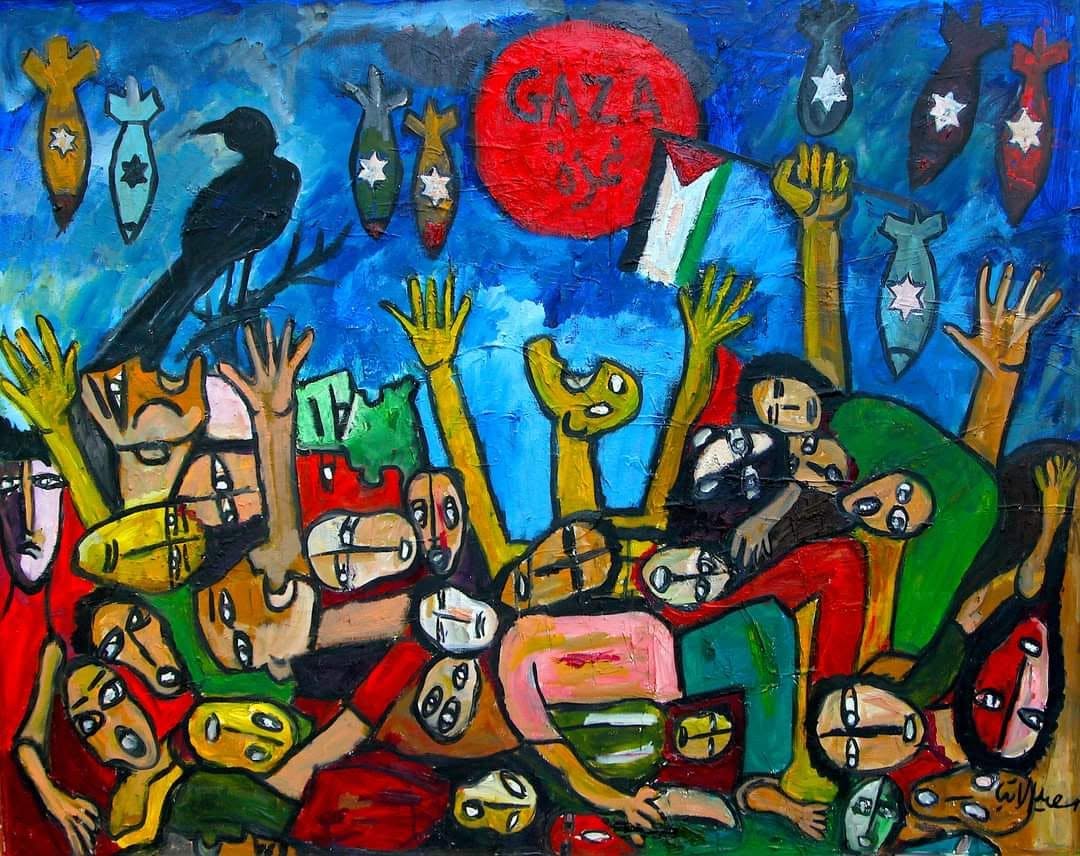
Israel launched a genocidal war in Gaza in October 2023, killing more than 72,000 Palestinians and injuring over 172,000 others, most of them women and children, according to Palestinian figures.

Continue reading