 The Village Awakens
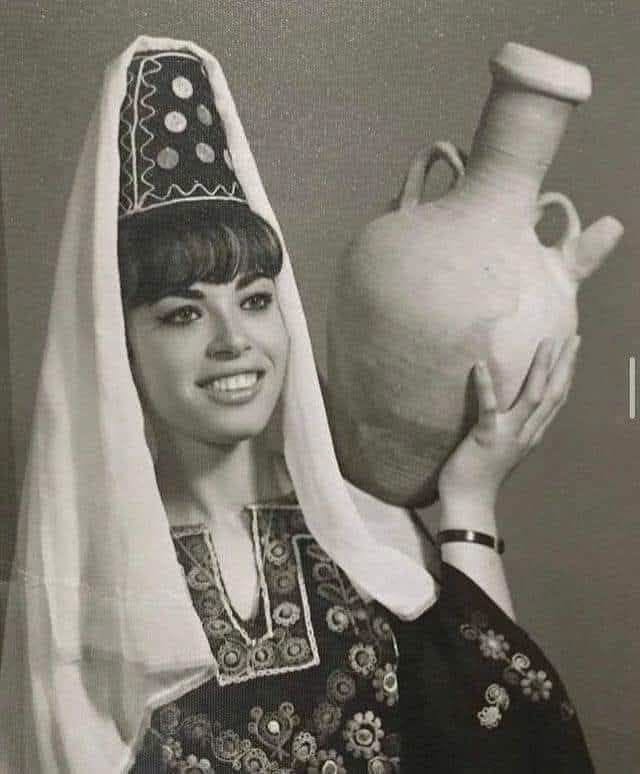
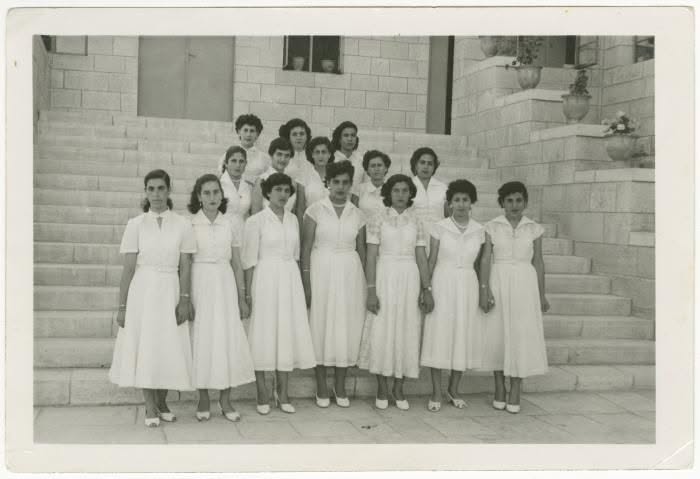
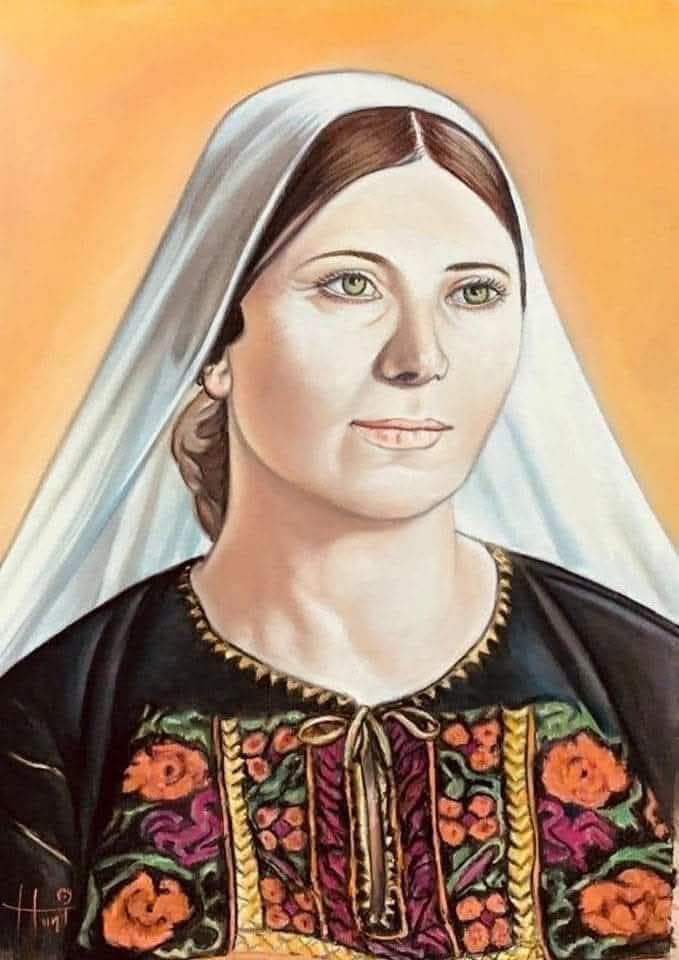
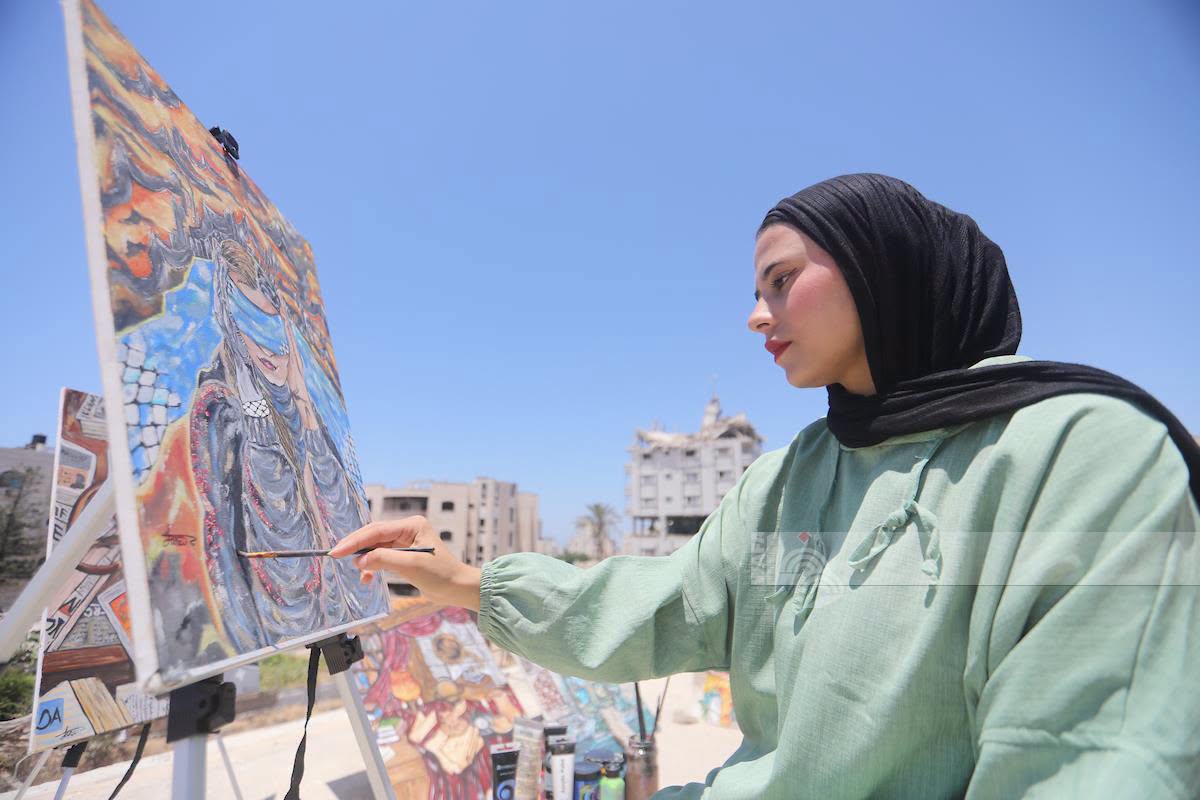
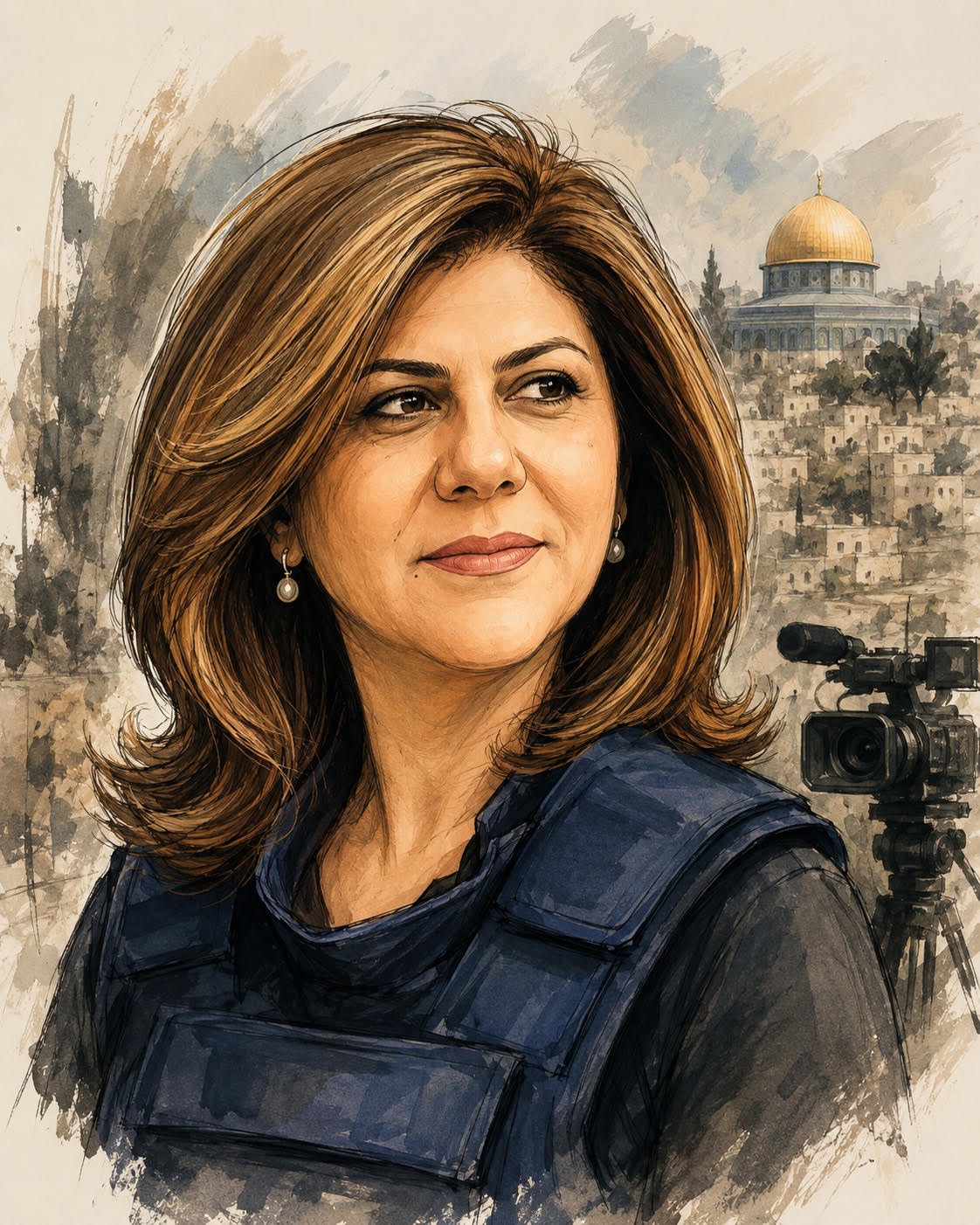
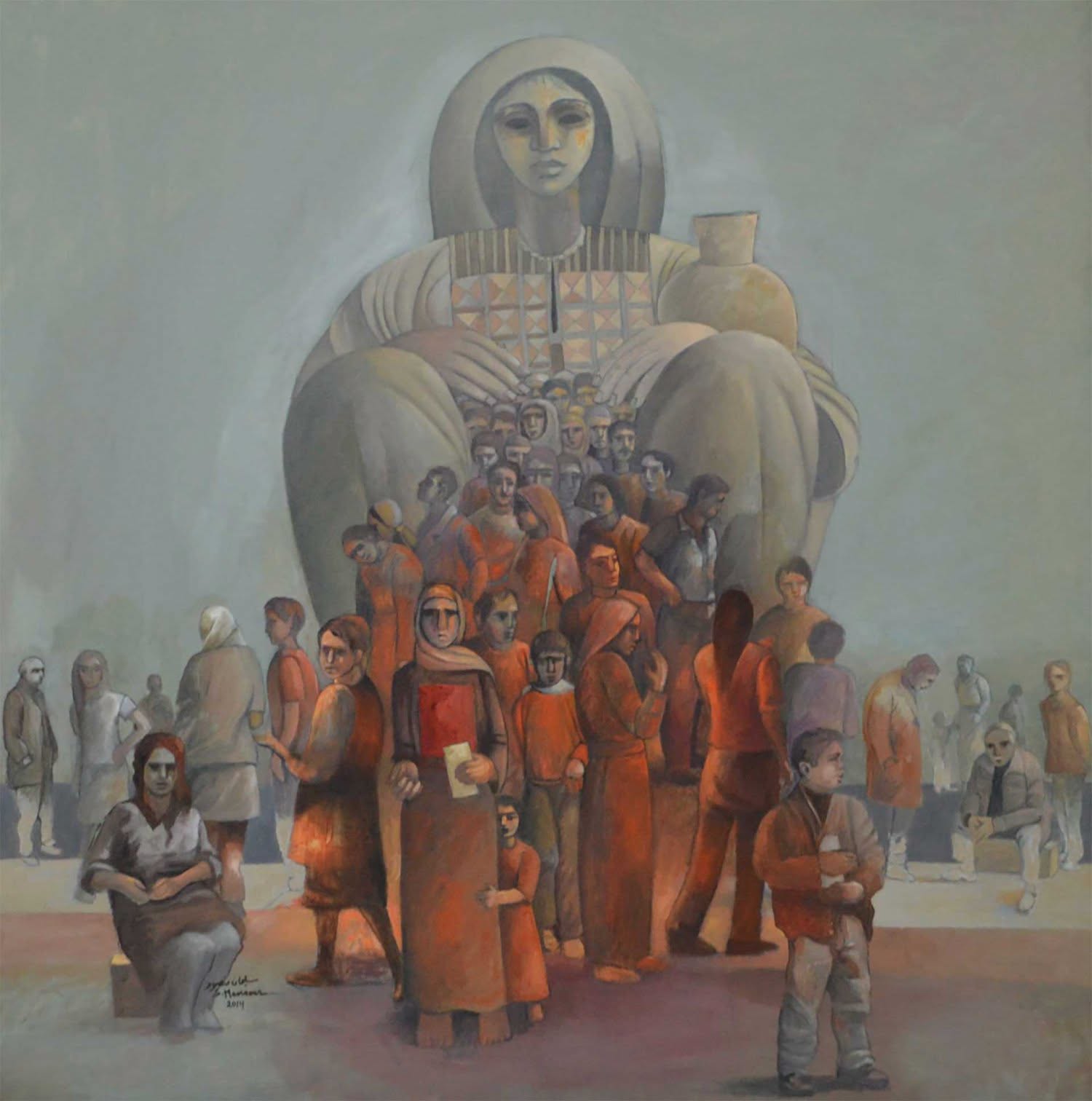
 Palestine – Girl With The Jar
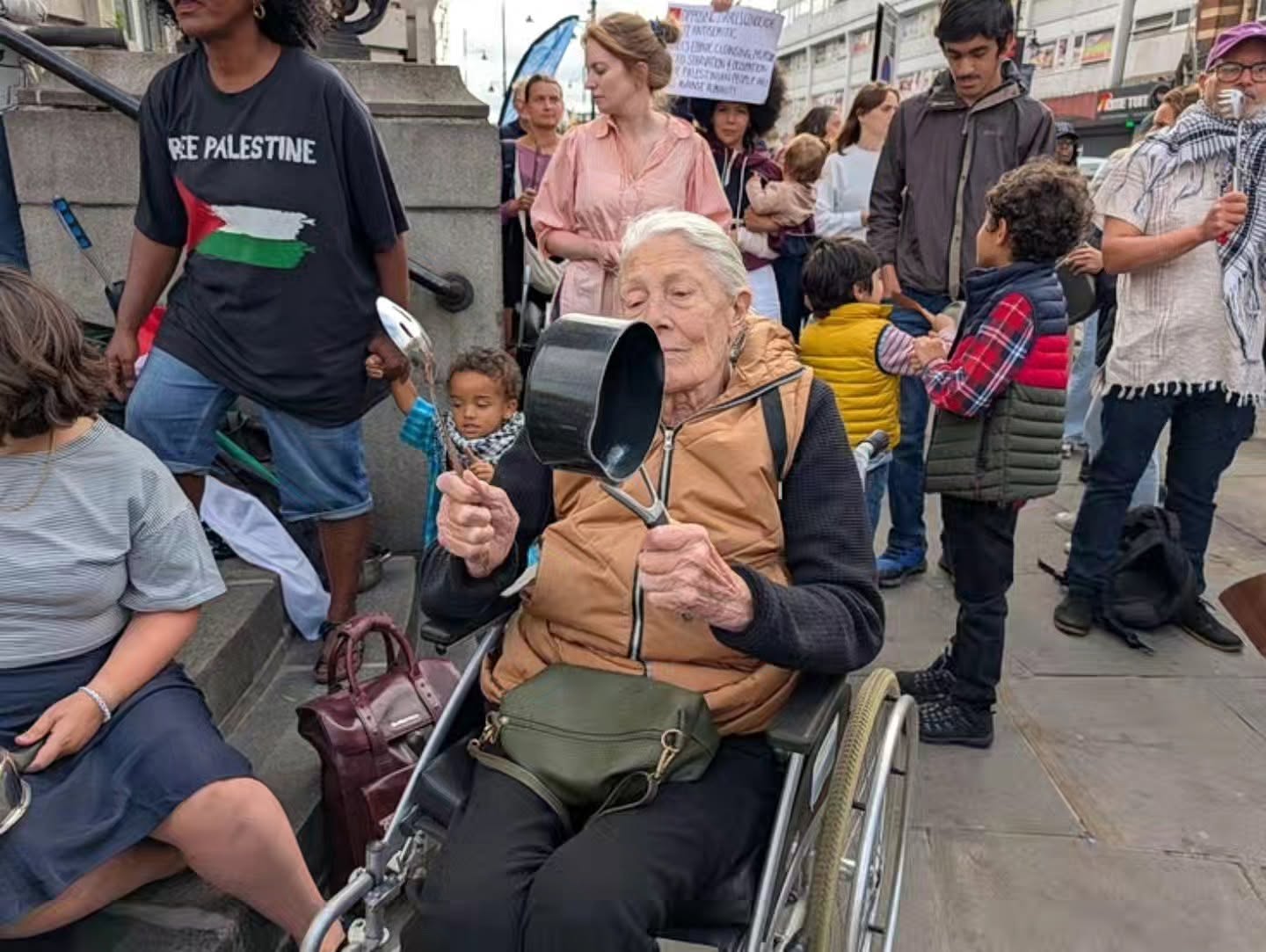
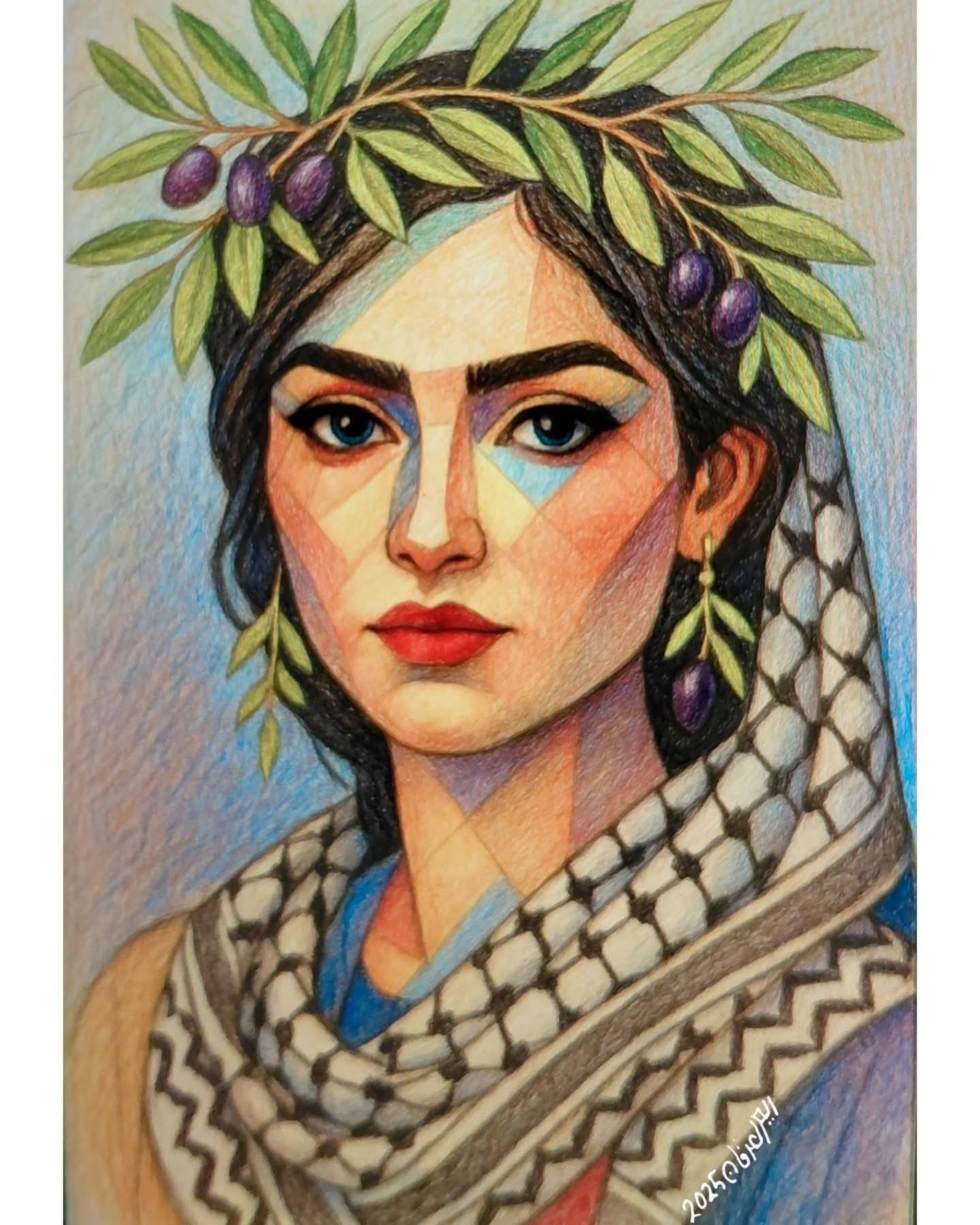
 The Gypsy
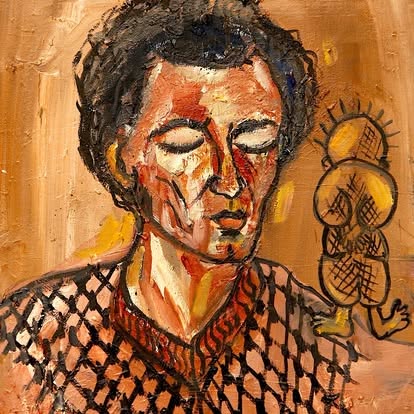
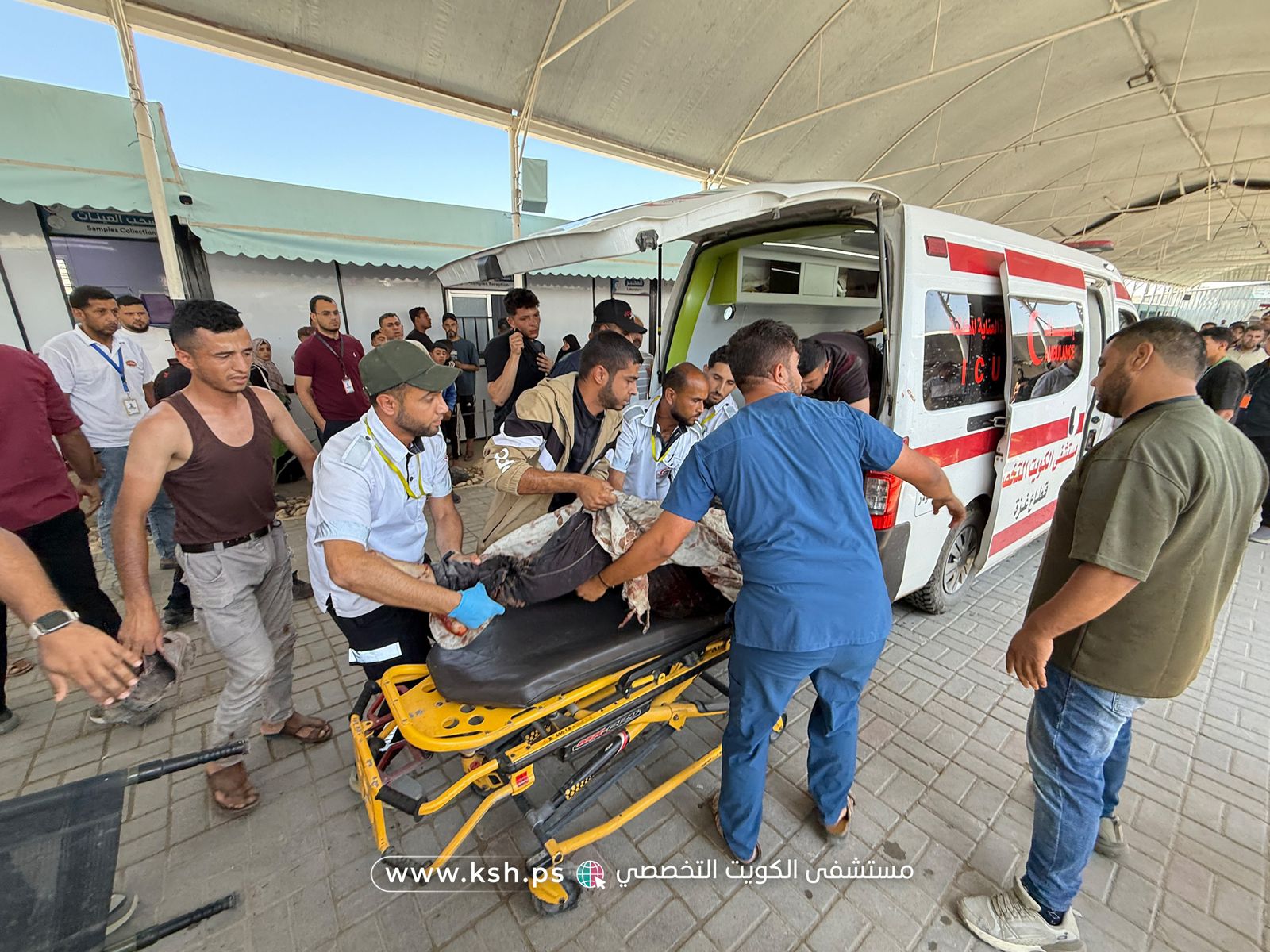
 With 60,737, Gaza Orphans Hit All Time High
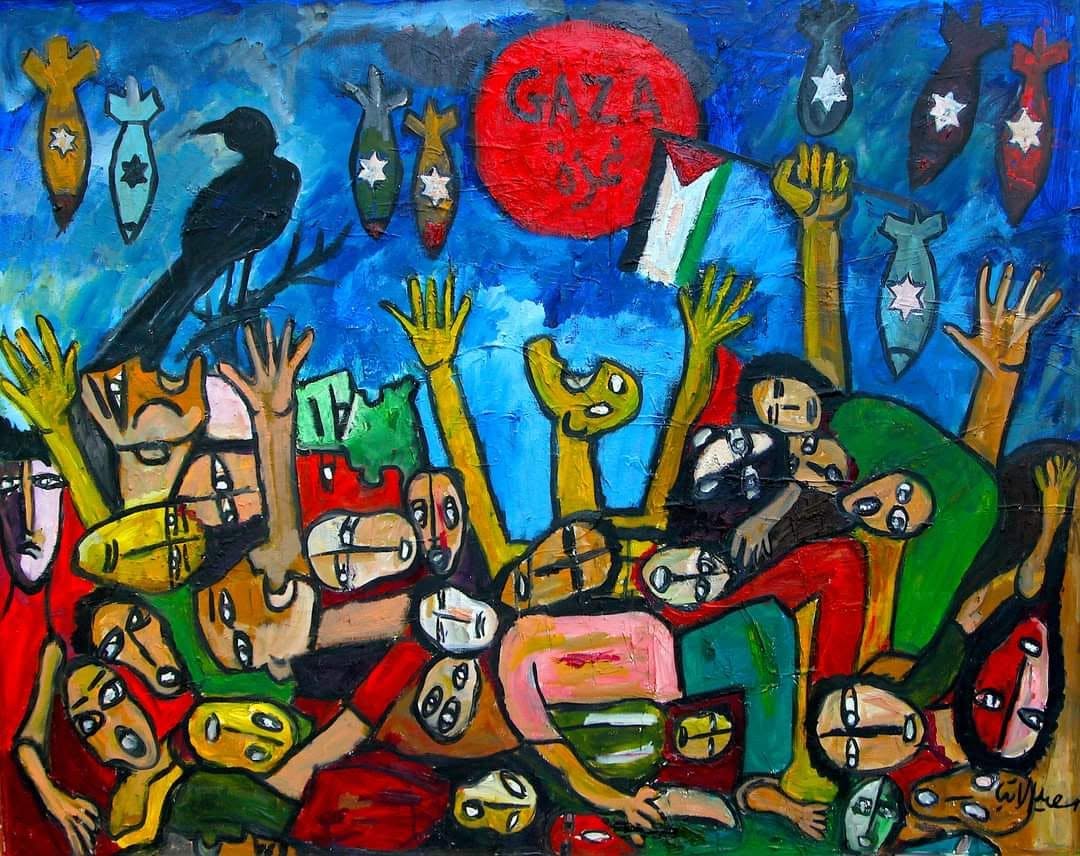
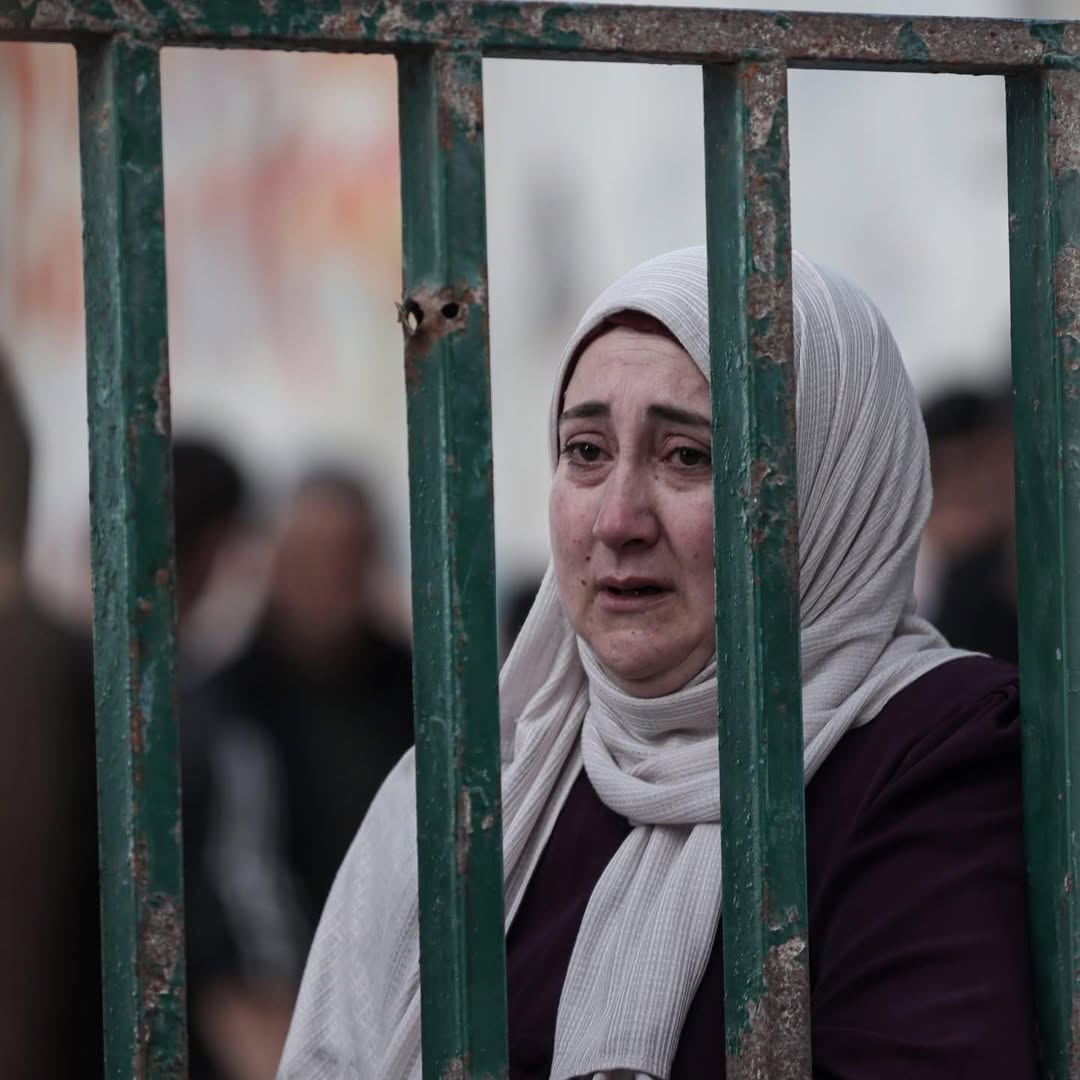
 Israel Wipes Out 2,276 Families From The Civil Registry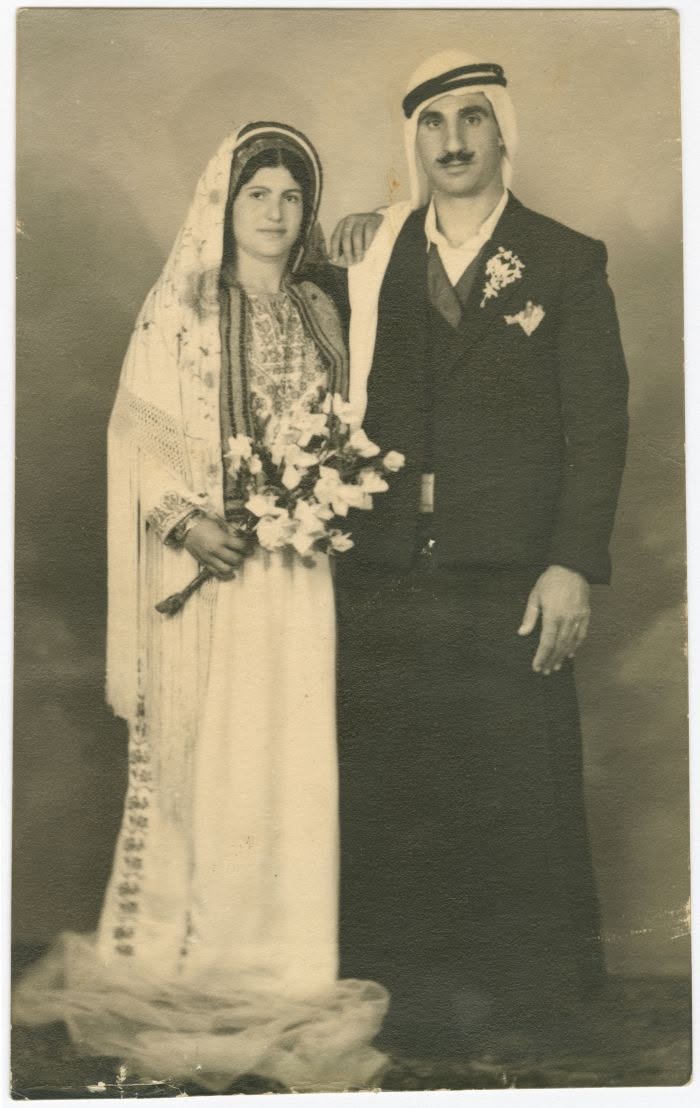

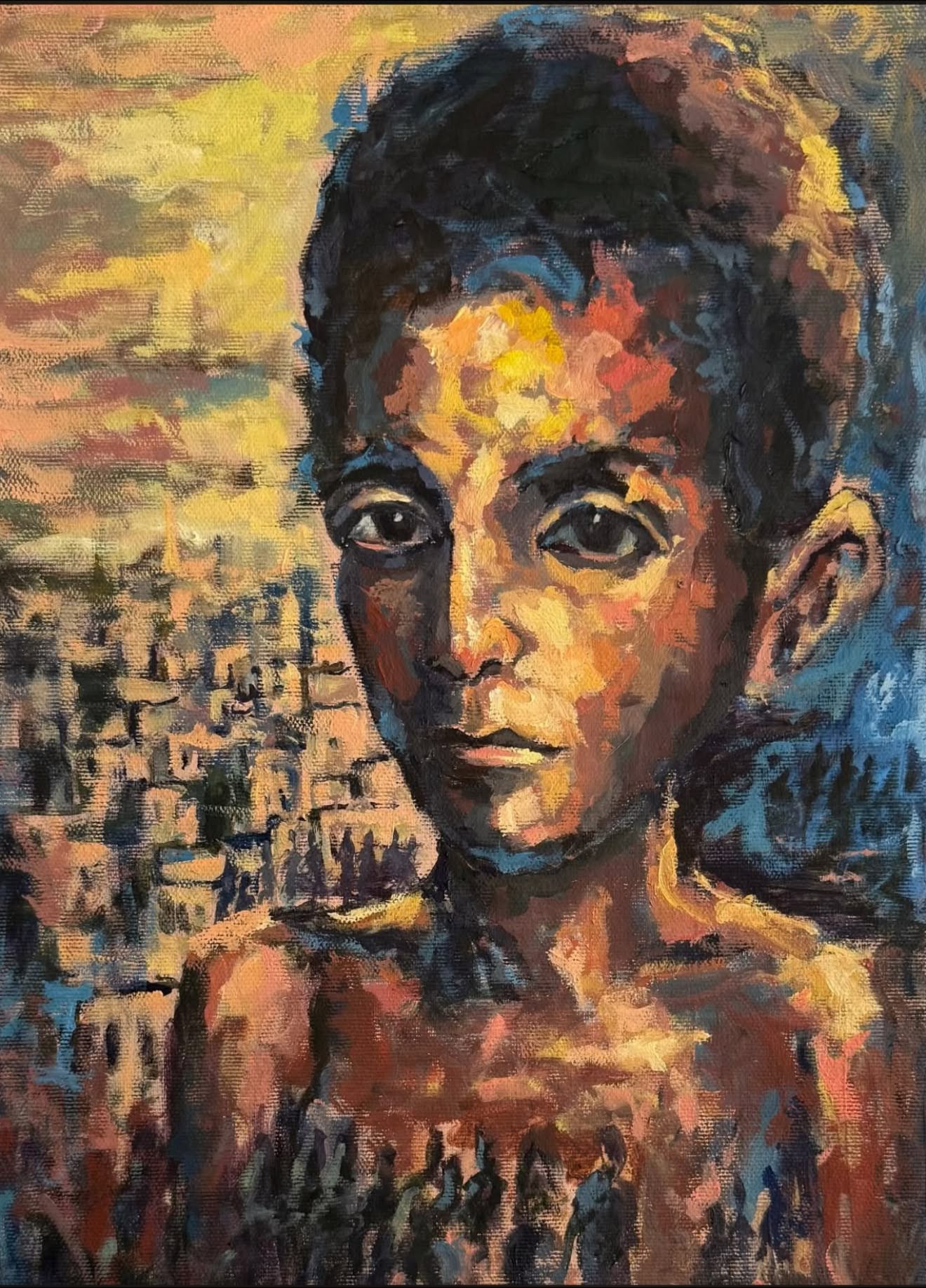
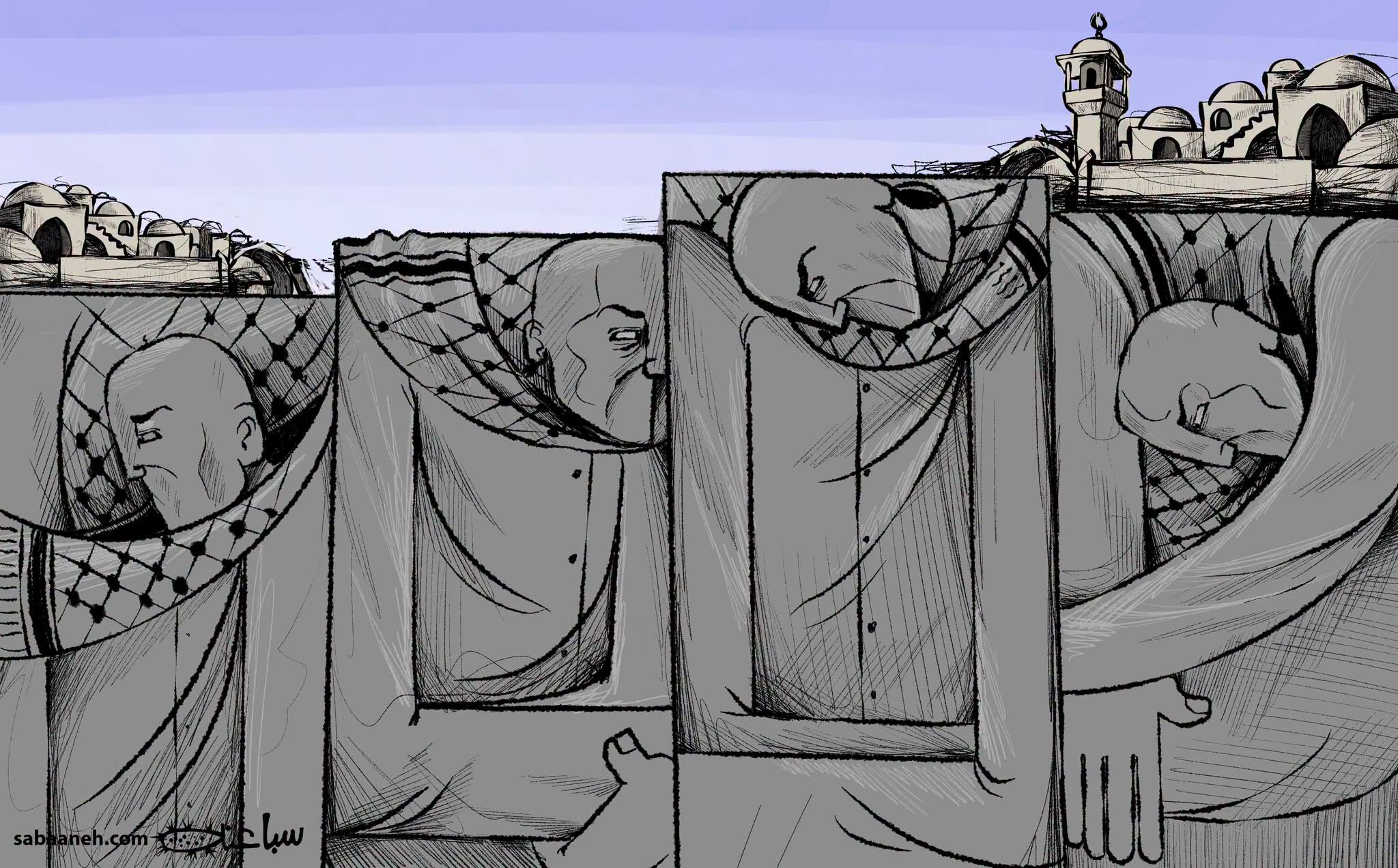
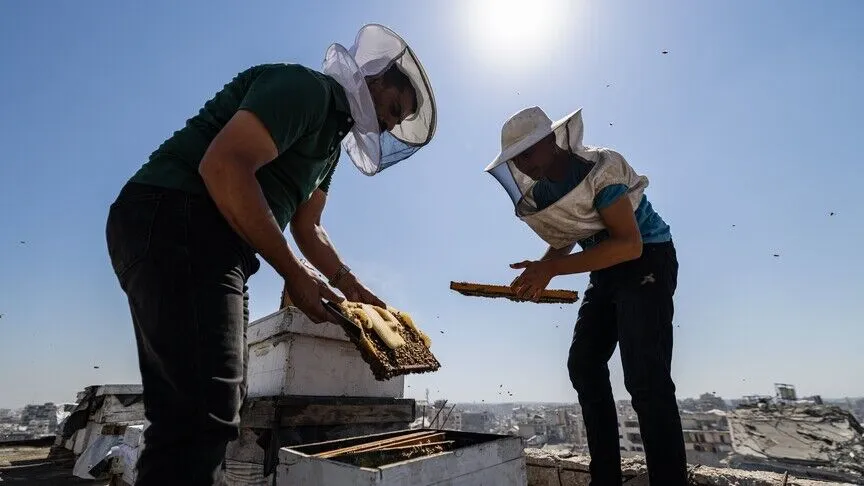
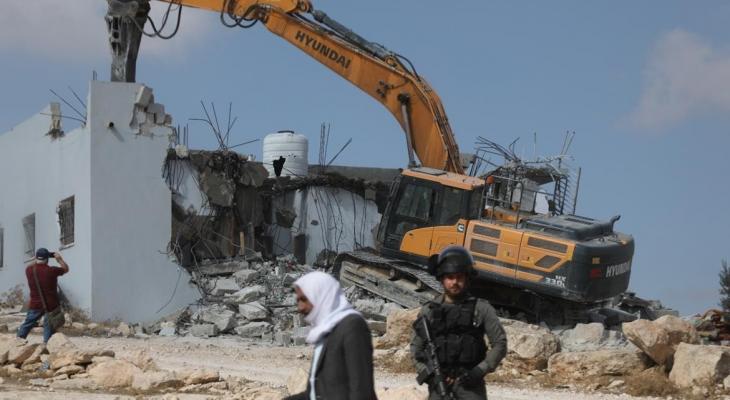
The Village Awakens
marwan
- July 30, 2026
 marwanmarwanmarwanmarwanmarwanmarwanmarwan
 CrossFireArabiaCrossFireArabiamarwanCrossFireArabiamarwanmarwanCrossFireArabiamarwanmarwanmarwanmarwanmarwanmarwanmarwanmarwanmarwanmarwanmarwanmarwanmarwanmarwanmarwanmarwanmarwanmarwanmarwanmarwanCrossFireArabiamarwanCrossFireArabiamarwanmarwanmarwanmarwanmarwanmarwanCrossFireArabiamarwanmarwanmarwanmarwanmarwanCrossFireArabiaCrossFireArabiaCrossFireArabiaCrossFireArabiaCrossFireArabiaCrossFireArabiaCrossFireArabiamarwanmarwanCrossFireArabiaCrossFireArabiaCrossFireArabia
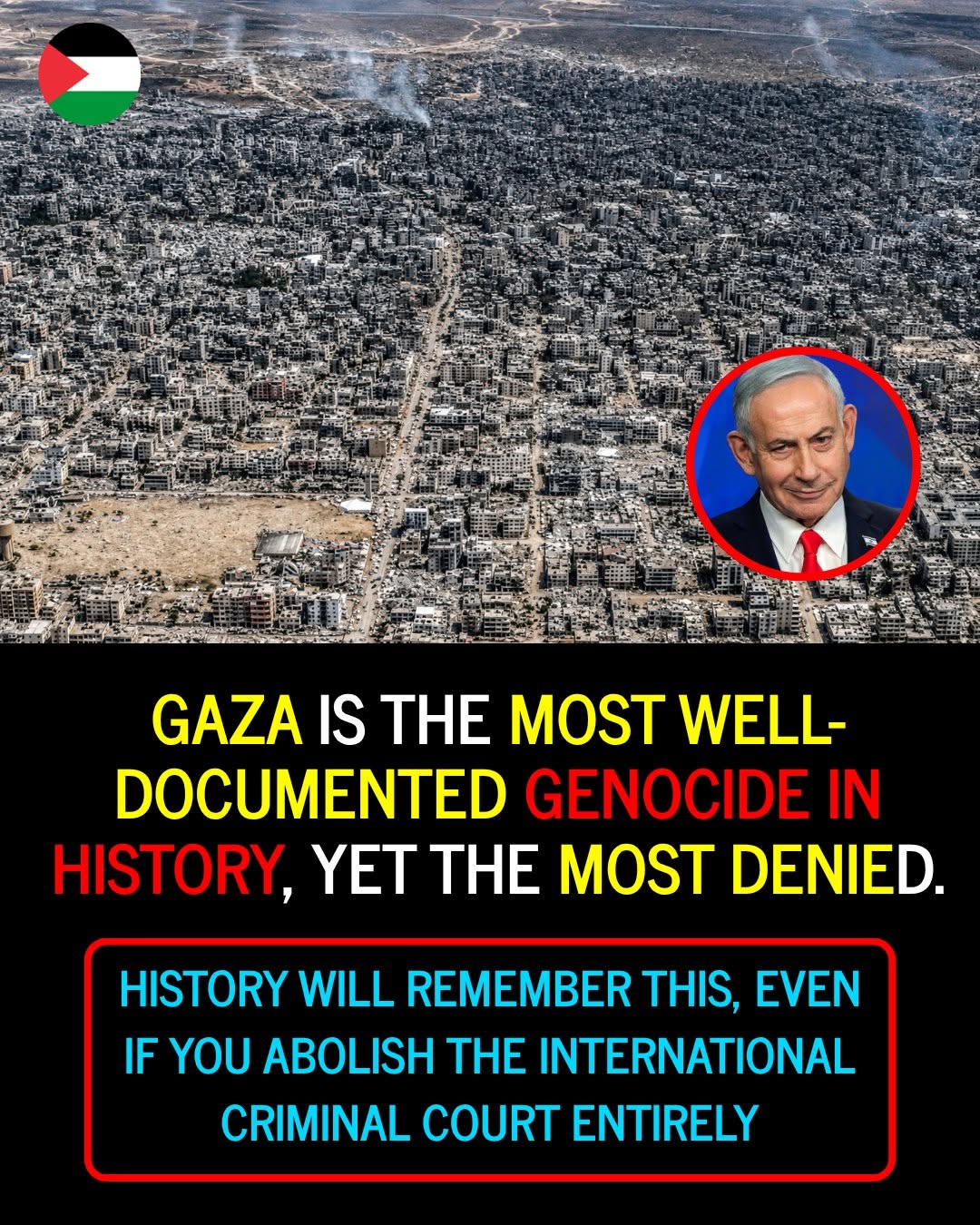
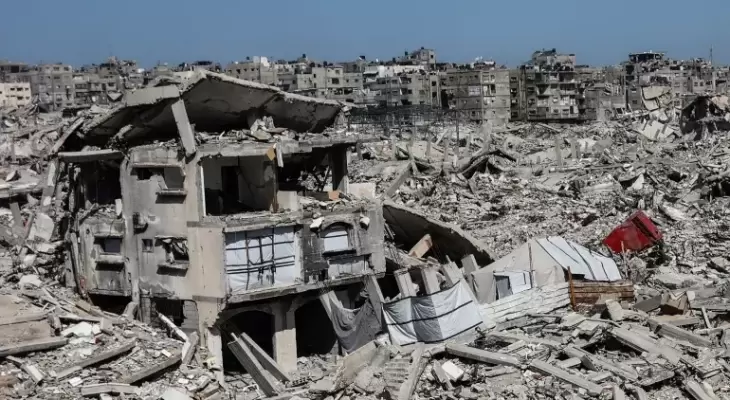
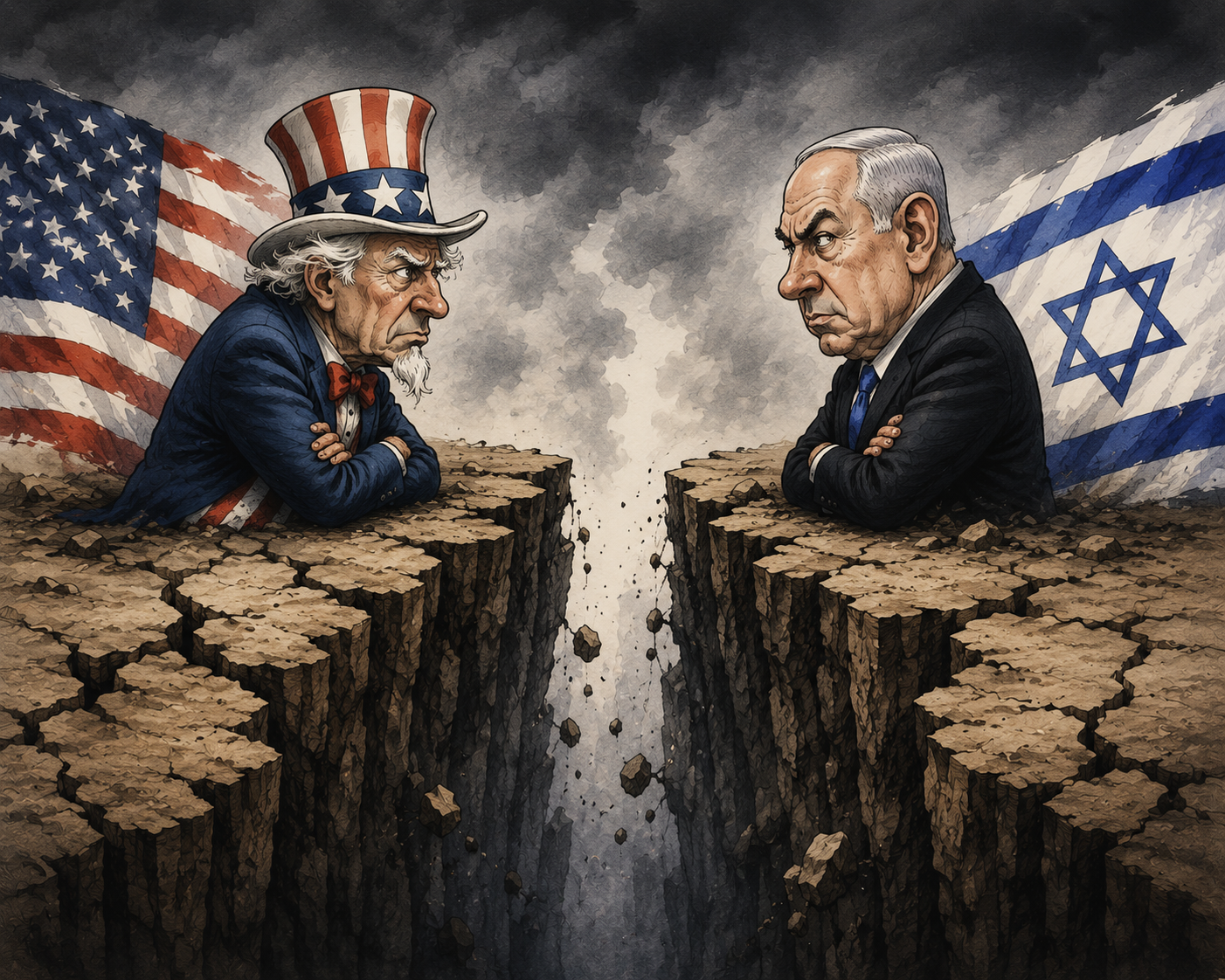
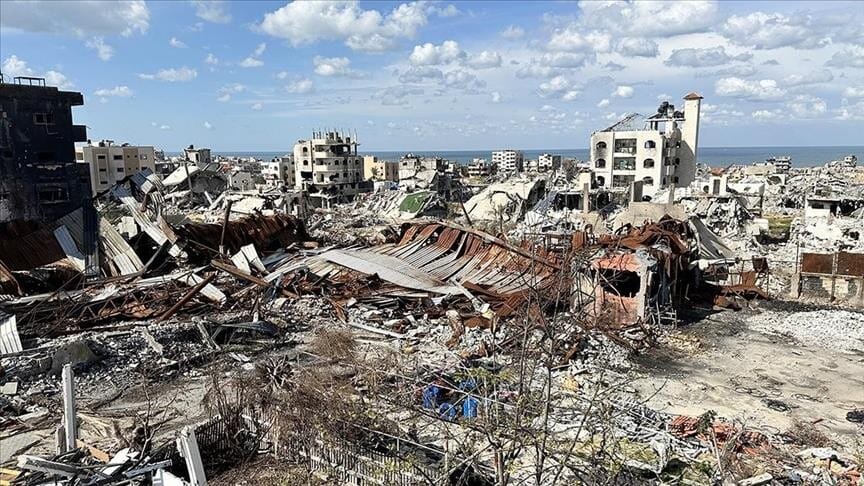
Israeli Prime Minister Benjamin Netanyahu acknowledged Thursday that Israel currently controls 60% of the Gaza Strip and signaled plans to expand it further to 70%.
According to Israel’s Channel 12, Netanyahu said during a seminar in the Jordan Valley: “We currently control 60% of the Gaza Strip, and my directives are to move toward controlling 70%.”
He did not elaborate on how such plans would be implemented.
The Israeli army announced in October last year that it controlled 53% of the Gaza Strip after redeploying to the so-called “yellow line” under the first phase of US President Donald Trump’s plan to end the war in Gaza.
The arrangement envisioned further Israeli withdrawals under the second phase, launched in January. The “yellow line” refers to a temporary separation zone in eastern Gaza dividing areas under Israeli military control from areas where Palestinians are allowed to remain.
But Palestinian sources say that the boundary has been steadily pushed westward in recent months.
Bassem Naim, a senior Hamas official, told Anadolu that Israel has shifted the line by an additional 8% to 9% into Gaza’s territory, raising the area under Israeli control to more than 60% according to Anadolu.
The change has reduced the space available to Palestinians to roughly 38% of the enclave, intensifying an already severe humanitarian crisis.
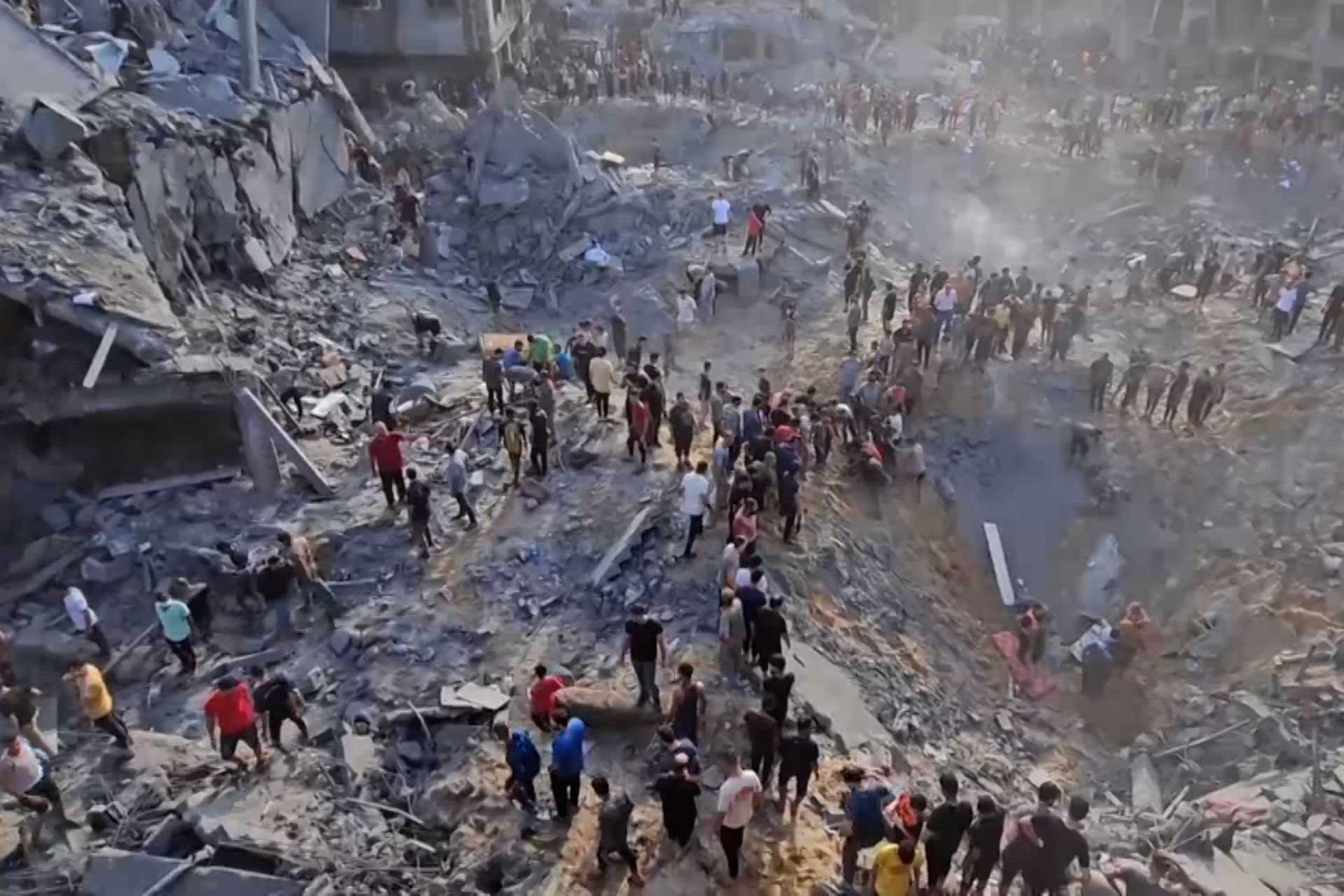
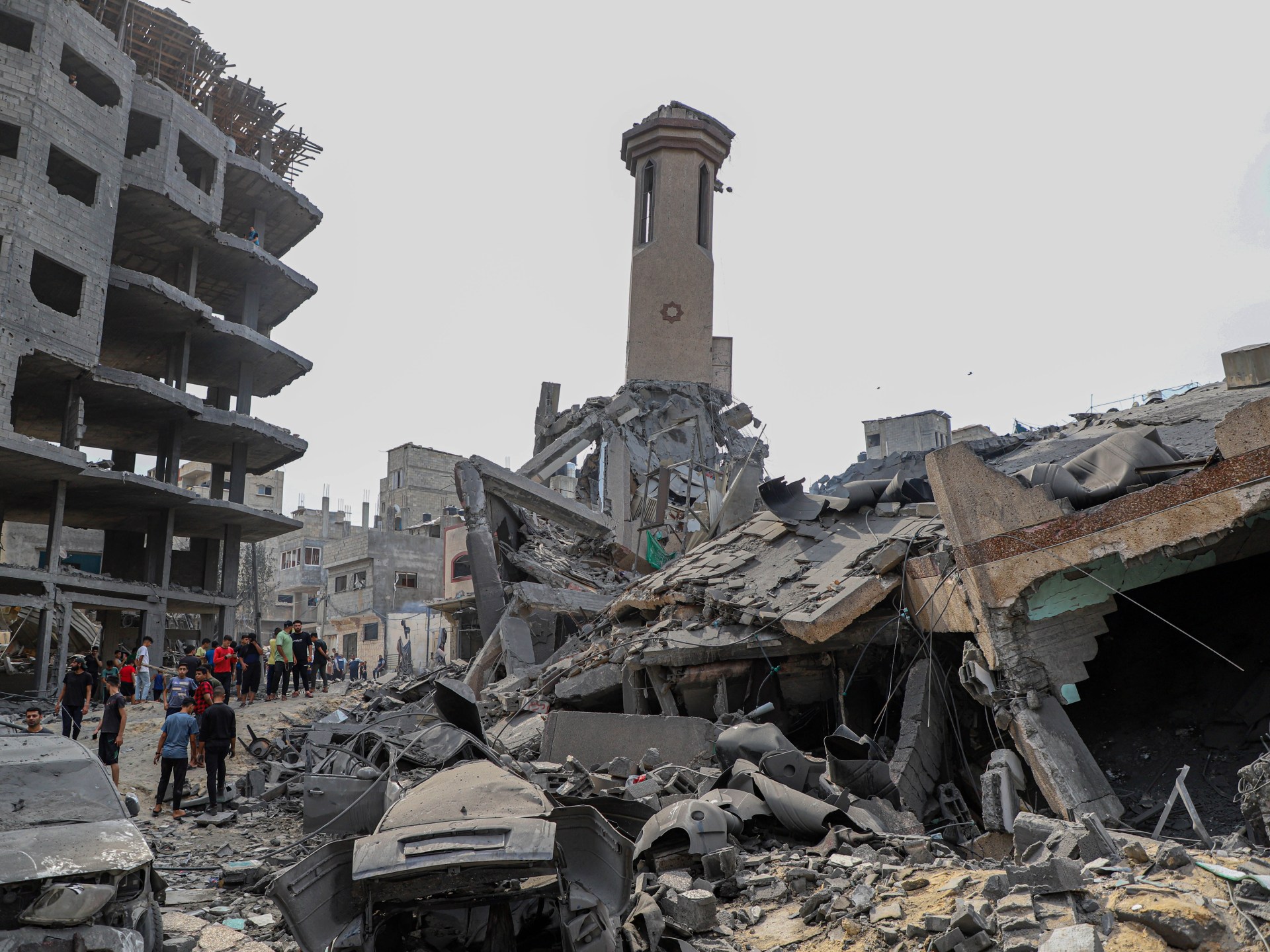
Israel launched a genocidal war in Gaza in October 2023, killing more than 72,000 Palestinians and injuring over 172,000 others, most of them women and children, according to Palestinian figures.
CrossFireArabia
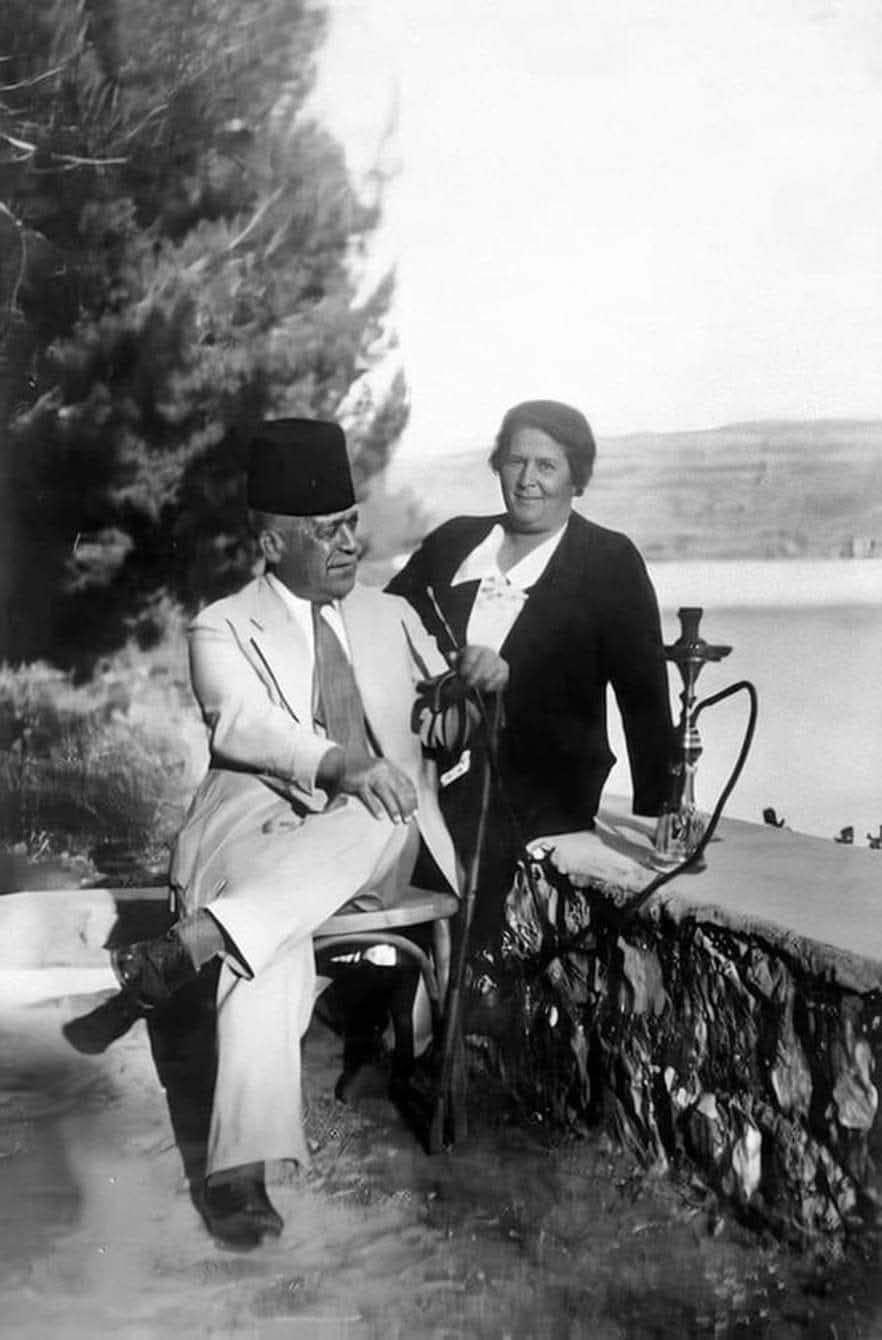
The renowned Palestinian writer and poet Khalil al-Sakakini and his wife in the village of Artas in 1930. Anyone between the ages of 60 and the early 50s knows this towering figure in education who authored the Arabic language curriculum for all grades in the Levant and the Arabian Peninsula during their early years of independence. Students would reach the fifth grade able to read a newspaper fluently and without any errors or stammering, and they also possessed excellent writing skills.
Then, these curricula were replaced with others, and now we see many students graduating from university with stumbling over their reading, not to mention their spelling mistakes and poor handwriting.
CrossFireArabia
Ali Saadeh writes:
[In translation]: The entire society is corrupt… the scum of the earth rule the land… their great arrogance will ultimately lead to a humiliating fall, God willing.
CrossFireArabia
By Dr Marwan Asmar
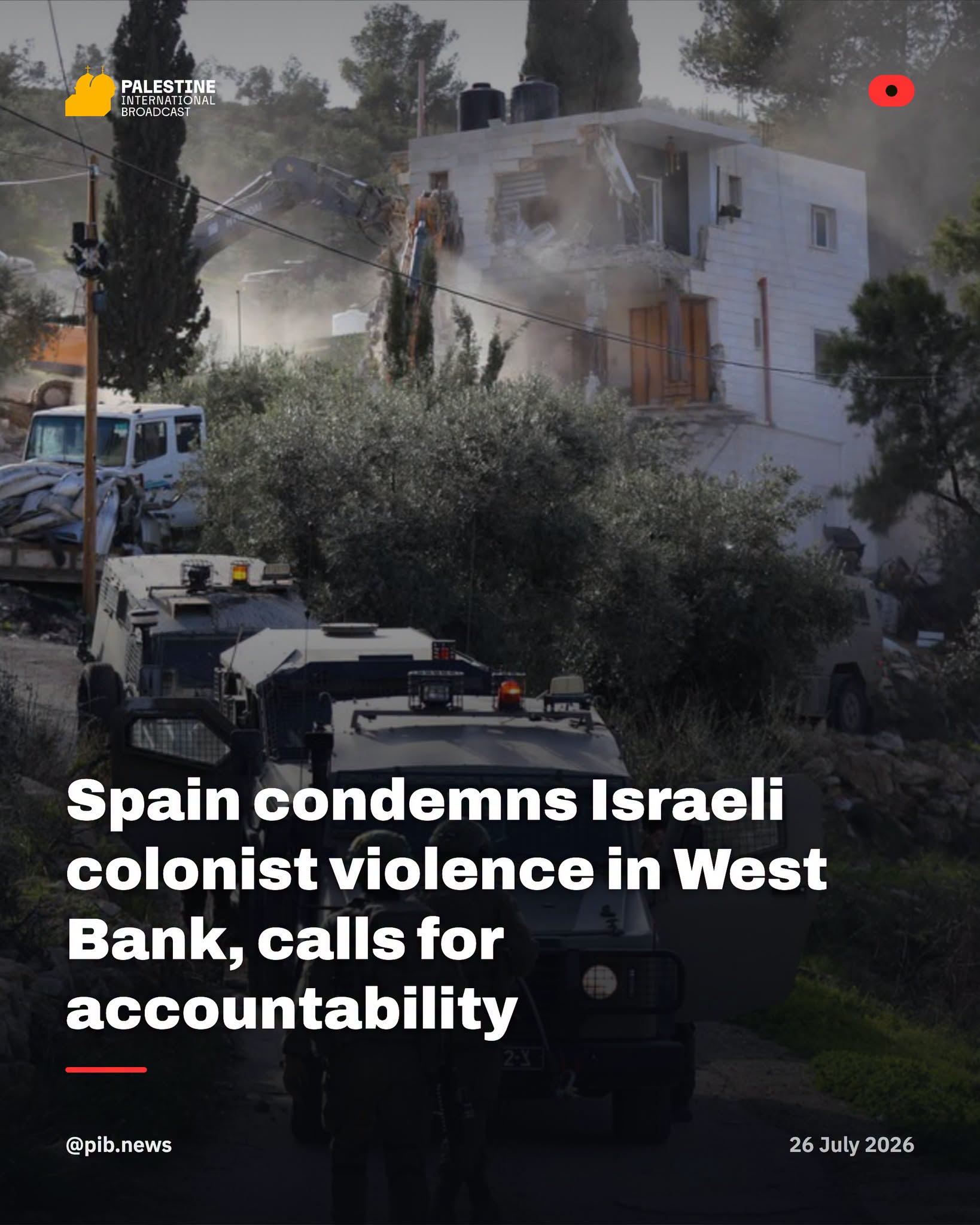
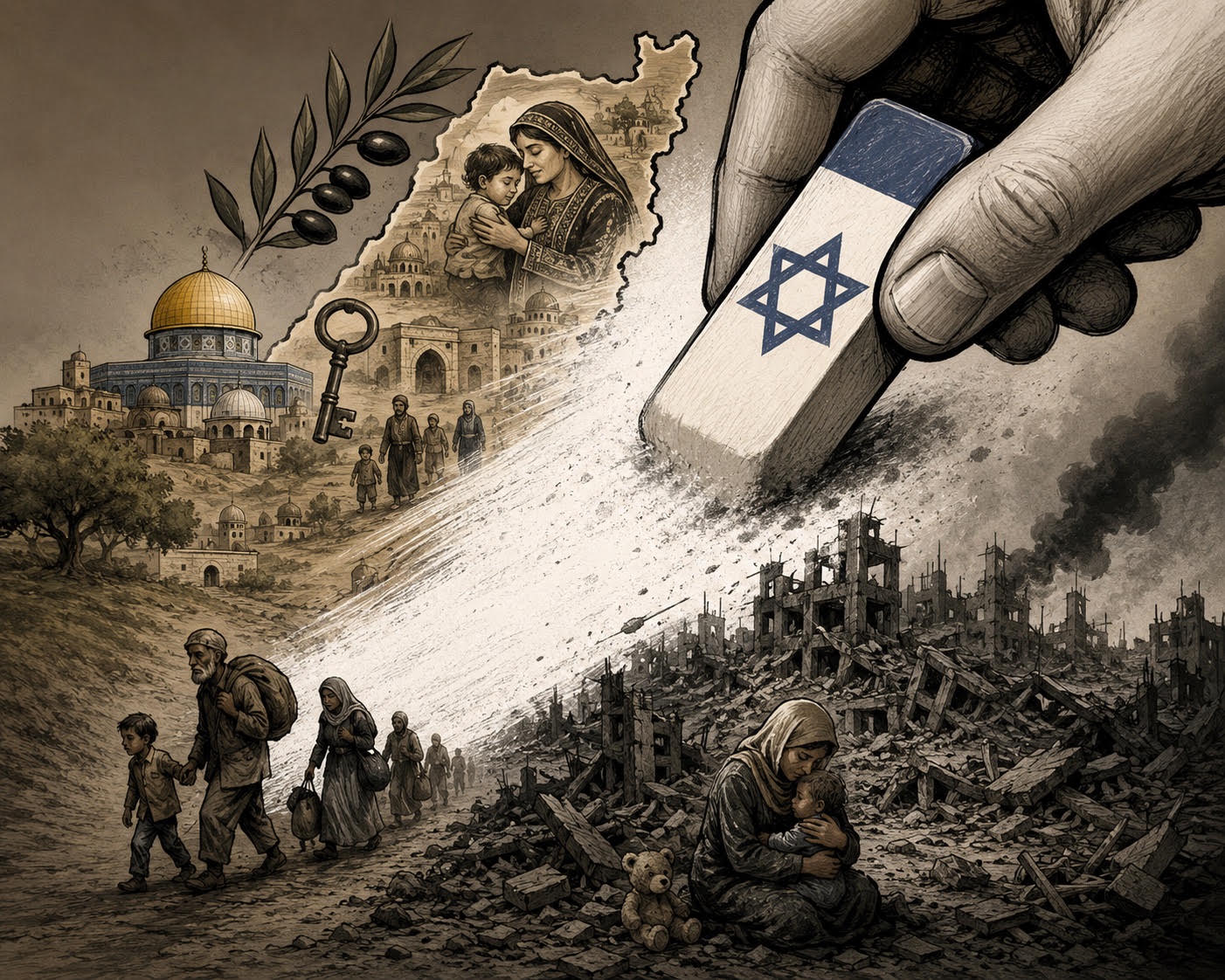
Israel’s government, soldiers and settlers destroyed between 13,000 and 14000 olive trees in the occupied West Bank in the first five months of 2026. The figures are based on different Palestinian and Israeli sources.
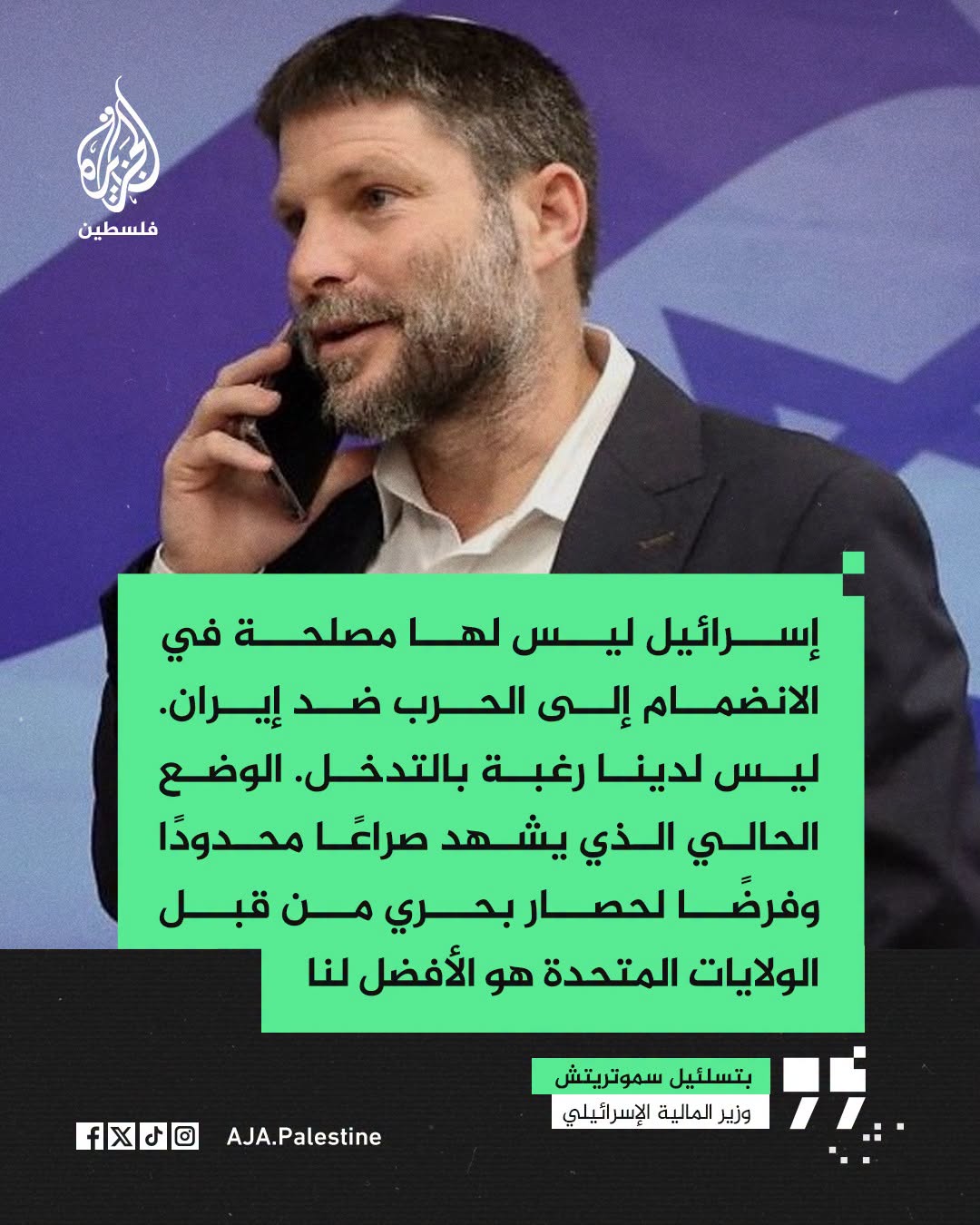
In May 2026 alone Israeli Finance Minister Bezalel Smotrich said he had ordered the uprooting and destruction of 3000 trees in northern Palestine. The uprooting of these trees were ordered to be felled in a single day.
In early February, 2006 human rights’ groups reported that over 8000 trees were destroyed and a report by the Palestinian Wall and Settlement Commission (PWSC) released last Mid-May showed that 4,414 had been uprooted, destroyed and/or poisoned.
The uprooting of “Palestinian trees” by Israeli settlers backed by the Zionist army has become a normal state of affairs as it has increased viciously since October 2023 when over 37,200 olive trees were “uprooted”, “broken” and “burned” in conjunction with the Israeli war and slaughter of Gaza.
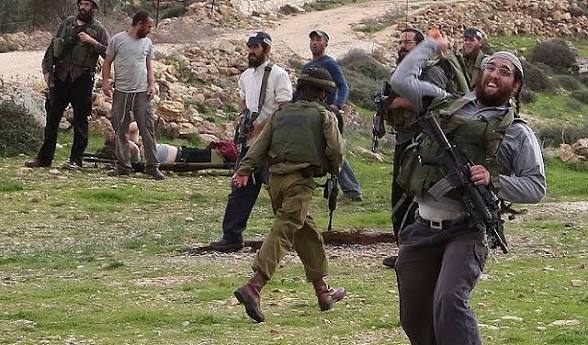
The situation spelled disaster for Palestinian farmers. In cahoots with Israeli soldiers, settlers would go down on Palestinian villages and towns and start uprooting olive trees out of sheer vandalism.
At the end of last April, this is exactly what happened when settlers from the “Adi Ad” settlement descended on the Turmus Aya village that lies to the north-east of Ramallah in the occupied West Bank and started to destroy and vandalize 400 olive trees.
As they did this, on Saturday night, they were guarded by the Israeli army. This attack came days after the settlers descended on the village and set fire to a house and a car there.
The attack on Turmus Aya is not an isolated incident. The village has been targeted for the past few years. The PWSC, a monitoring organization of such attacks said the Israeli army had been responsible for 1,322 of such attacks while the settlers involved for 497 acts of vandalism on different Palestinian cities with Hebron topping the list at (321), Nablus (315), Ramallah (292) and Jerusalem (203).
Statistics point out that Israel has destroyed between 800,000 and 1 million olive trees in the occupied Palestinian territories from 1967 till now. However, since that year, when Israel effectively occupied all of the Palestinian territories, it destroyed 2.5 million trees.
Besides olives, they included orange (different varieties), lemon, grapefruit and clementine trees. The Palestinian territories are known for their varieties like almond, figs, apricots, peaches and plums trees.
These trees were destroyed by the Israeli occupation for basic military takeover to expand the Palestinian lands with Israeli settlements – about 147 settlements and 224 outposts – and create the required infrastructure and roads for these since some of them resemble big cities.
In the case of the Smotrich announcement for example, and the uprooting of 3000 trees on Palestinian lands in the north West Bank, the purpose there was to expand the Israeli Shaked Industrial Park which is next to the settlement there that has the same name.
Gaza, another story
Gaza is another sad story for the Israeli genocide has affected the whole of the agricultural sector. During the last war on the Gaza Strip, Israel destroyed 1 million trees according to Fayyad Fayyad, head of the Palestinian Olive Council. The destruction literally decimated the agriculture sector of the enclave.
Prior to 7 October, 2023, Gaza had 1.1 million trees roughly producing 50,000 tons of olives every year but no more. About 98 percent of Gaza’s tree cropland has been destroyed.
Dr Mazen Qumsiyeh, a biologist at Bethlehem University, calls the destruction in Gaza an “ecocide” as statistics show that over the past two years and more, Israel has destroyed between 500,000 to 700,000 non-olive trees.
Today in Gaza everything has been razed to the ground. There had once been 35 olive oil presses in the Strip but most of these have been destroyed with only five left as of the end of last year.
The loss of a million olive trees is a $50-million-plus-loss since the total olive oil sector (West Bank and Gaza) contributed between $160 and $190 million to the Palestinian national economy as a direct result of exports to regional and international markets.
The olive oil sector accounts for roughly five percent of the Palestinian GDP and 20 percent of the agricultural sector. Further olive oil production sustains 100,000 families in the Palestinian territories.
Marwan Asmar is a writer from Amman and blogs for crossfirearabia.com
CrossFireArabia
EDITOR’S NOTE: This article was written more than 18 years again in October 2007 for the 7iber.com online portal and is reprinted her
Its election time! As a good non-totalitarian democrat I love the elections, when they happen that is. What I really love about the elections is the time leading up to their finale when voters go up to the polling stations and vote. Although I’ve never voted in my life, I’ve always carefully watched election campaigns, right from start to finish. They are exciting days, of banners hoisted, constituency meets, mini-rallies and all the rest of it.
Prospective candidates, some running for the very first time and of which we are expected to know and vote for, hoist their banners across streets and roundabouts, screaming at the electorate to vote for them because they are the best candidates.
This is the 15th elections for the 15th Lower House, and parliament in Jordan has consistently been in session since 1989, after a long absence of parliamentary life in the country. I am proud to say I covered the 1993 elections, the 1997 ones, and just about missed the 2003 elections because of being away from Jordan.
In all these years, the excitement never faded. Islamic Action Front candidates continuously stood under the IAF banner, but this was never the case with the other political parties, such as the nationalists, the leftists, the middle-of-the-roaders and the tribalists. Although a lot of parties came on the scene after 1993, like Al Ahad, Al Yaqatha and Al Risala and still many others, for some reason or another, many of their candidates preferred to stand as independents arguing they are known for their own independent political personalities rather than as representatives of their parties.
Is this a wrong attitude? Well, maybe. However, once some of them were elected to the Lower House of Parliament, they revealed their true political colors and supposedly argued on party-political lines. Ironically, most of the electorate never knew what those lines were when the MP was just a candidate running for a seat. Many of these parliamentarians argued that they stood a better chance of getting into parliament as individuals rather than under the banner of their political parties. This is due to the belief that such organizations were still seen as relatively new and unknown, despite the fact that many, including leftists, Arab nationalists and Baathists parties, had existed in the 1960s and 1970s, but many of which were effectively banned.
They may of course have been right in their assumptions as political parties were just made legal in the early 1990s, and have thus needed time to be nurtured. As independents, the negative connotations of belonging to political parties would wither away among the electorates who needed to get used to voting for candidates on party political platforms. But the problem with running on independent tickets is that it actually perpetuated individualism, parochialism and depended on the appeal to family, kinship and tribal relations. In past Jordanian parliamentary elections, and even today, the tribal bloc vote has been very important in deciding who wins and who loses.
The effect of this frustrates the process of developing political parties, which, except for the Islamic Action Front, remains weak, ineffective and are no more than talking shop. They have even been used by established politicians to further their own individual political ends and causes. This stands contrary to the need for building modern, strong political parties designed to make democracy and the democratic experiment effective.
Realizing that there is a lot to say about the tribal vote, sometimes political candidates, even Islamists, have been known to appeal to kinship and family relationships as a means of getting into parliament. Once they do, they start the usual game of political party meandering under the parliamentary dome.
That may also be why election banners and slogans on roads are no more than hackneyed, clichéd phrases emptied from their political content. They are read for what they are: brief formulaic statements, lacking the resonance of strong, vibrant agendas and political manifestos that promise change and development, as is the case with elections in more mature democracies around the world.
Political parties in Europe, for instance, are big machines with national and local clout. Everyone, especially the main personalities, know who they are, what they stand for, and what they hope to do once they form the government, or become the party in the majority. In this part of the world, the political culture, machinations and value systems are different and have to be treated differently.
However, in the final analysis, a political party is a political party in which ever part of the world it belongs to; sharing little differences with its counterparts. That’s why such parties have to be strong, come out of their closed shops and enclosures, and appeal to the masses; become broad-based with clout in order to be listened to by decision-makers.
In all fairness however, we have to be gentle with our political parties by understanding the history and the context of where they came from. It took political parties in the western world, centuries to develop and become the national institutions they are today.
They emerged through political struggles and a great deal of pushing and shoving.
But does that mean we have to take that long? Not necessarily, the element of transition from one era to another can take place quickly, but it has to be supported by the state and government. There has to be a political will for democracy, where parties are nurtured rather than left alone.
Jordan is doing well despite different hiccups, but the Arab world in general has to pull itself by the bootstraps if it is to enter into a meaningful political era where representation, democracy and political pluralism is seen as healthy for a society. Our problem now is to move faster in order to catch up with the rest of the world, and develop politically.
In the meantime, let’s for a minute stop and enjoy the political actions of the electoral campaign.
 Saleem Ayoub Quna