1 in 5 in Gaza Face Starvation

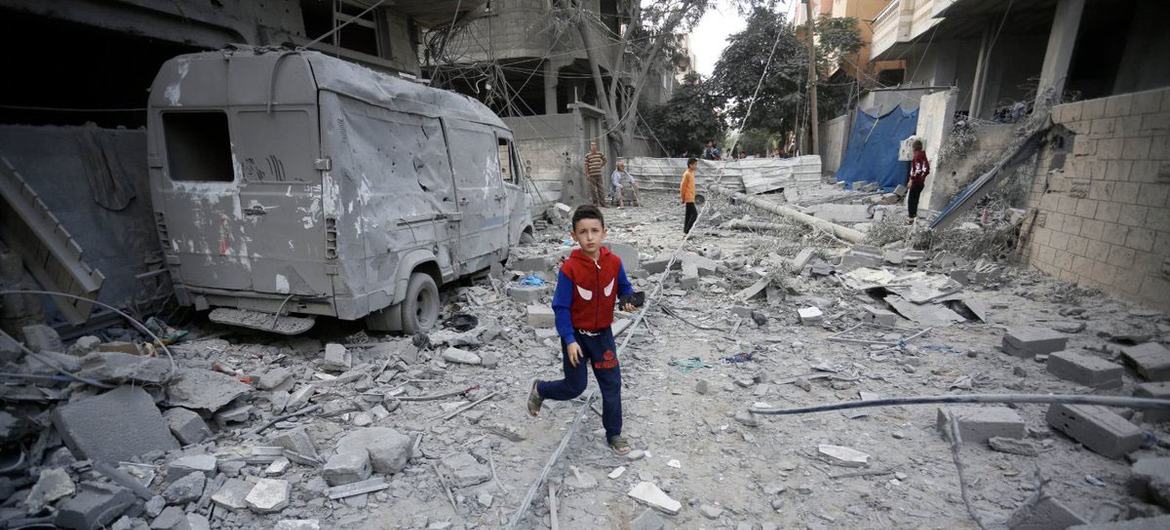
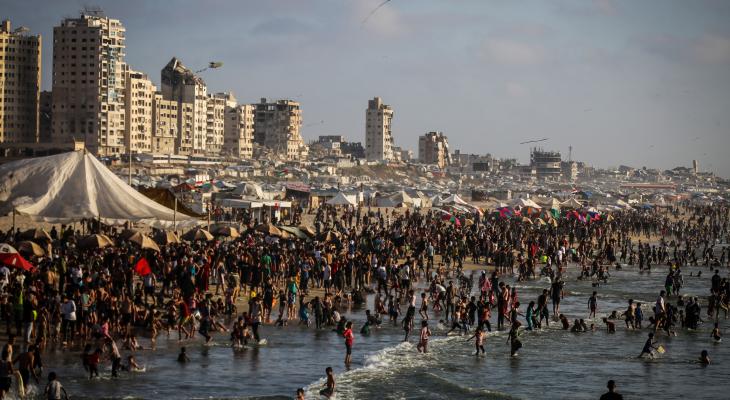
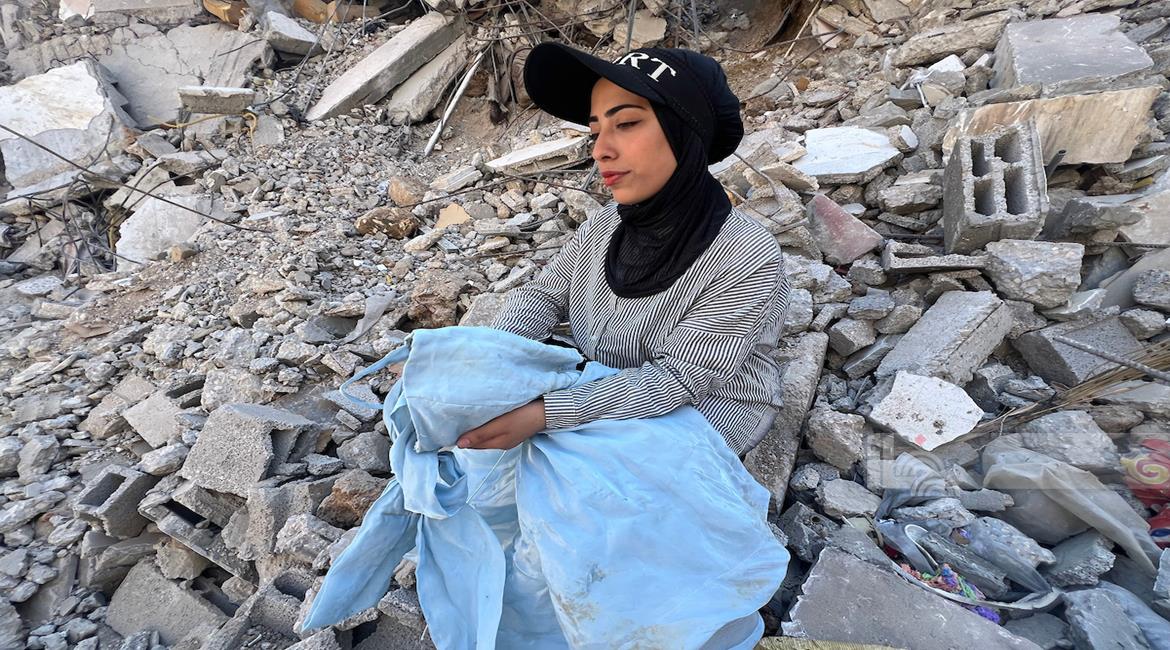
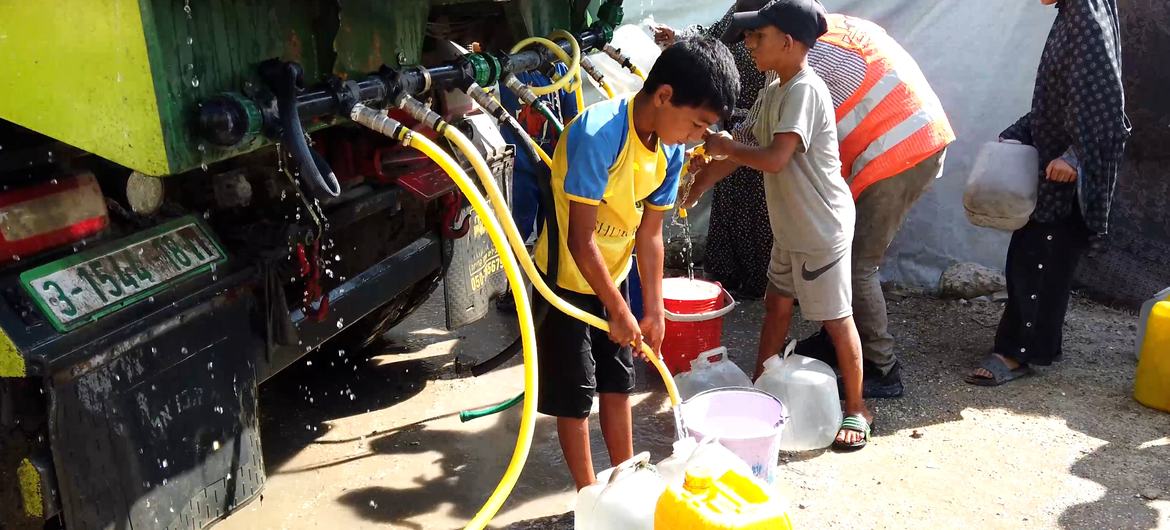
Gazans remain at “critical risk of famine”, UN-backed food security experts warned on Monday, a full 19 months since war began with Israel and 70 days since deliveries stopped of all aid and commercial supplies.

“Goods indispensable for people’s survival are either depleted or expected to run out in the coming weeks…The entire population is facing high levels of acute food insecurity,” said the Integrated Food Security Phase Classification (IPC) platform.

In its latest update, the IPC estimated that one in five people in Gaza – 500,000 – faces starvation.

Prices have soared for basics such as a 25 kilogram sack of wheat flour, which now costs between $235 and $520, representing a 3,000 per cent price spike since February.

“In a scenario of a protracted and large-scale military operation and continuation of the humanitarian and commercial blockade, there would be a critical lack of access to supplies and services that are essential to survival,” the IPC said.

Guterres voices alarm

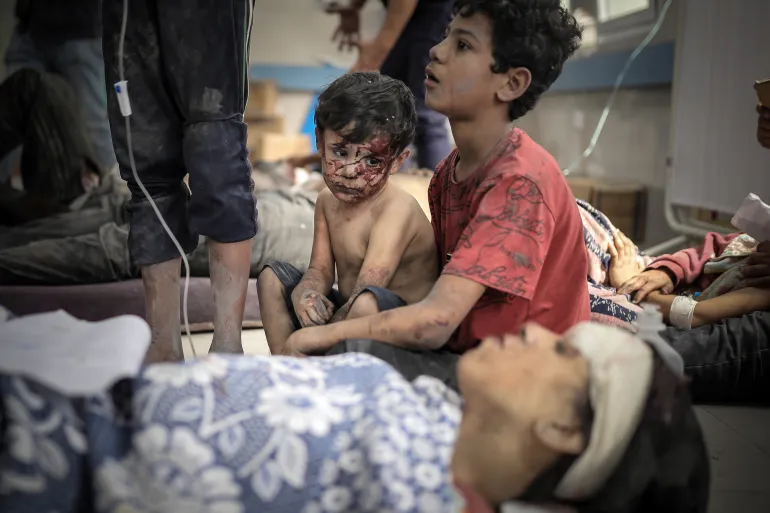
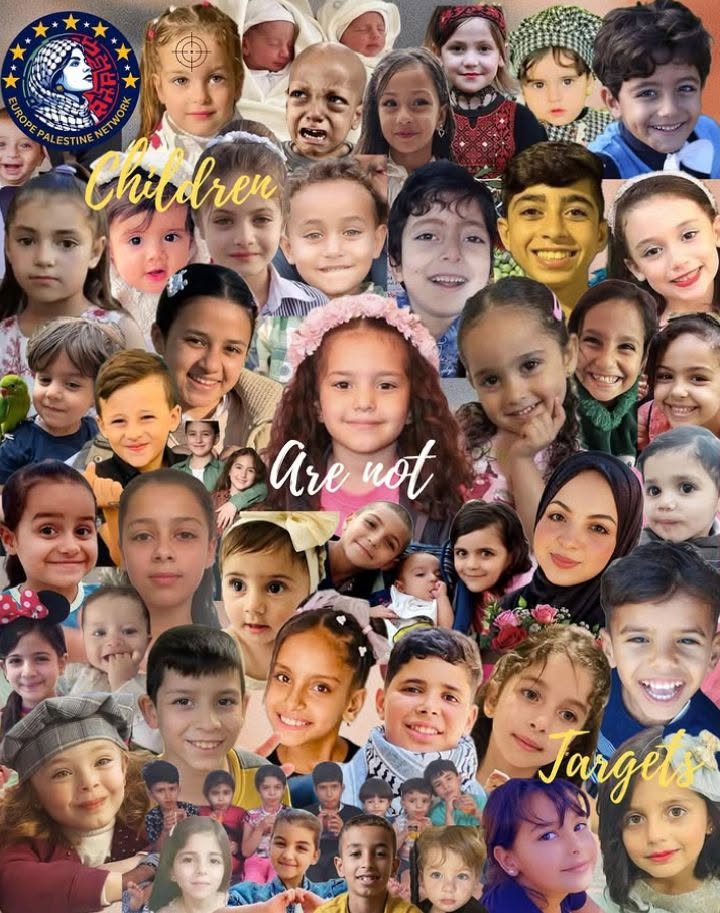
UN Secretary-General António Guterres said he was alarmed by the findings, especially that most children are now facing extreme hunger.

The World Food Programme (WFP) and children’s agency, UNICEFwarned that hunger and malnutrition have intensified sharply since all aid was blocked from entering on 2 March.

WFP chief Cindy McCain said families are starving while the food they need is sitting at the border. “It’s imperative that the international community acts urgently to get aid flowing into Gaza again,” she said. “If we wait until after a famine is confirmed, it will already be too late for many people.”

Aid partners on the ground in Gaza report that the number of hot meals served by those community kitchens that are still operating is declining very quickly. Today, about 260,000 meals have been prepared and delivered across the Gaza Strip. 

That marks a decrease compared to 840,000 meals last Wednesday – a 70 per cent reduction of 580,000 daily meals in just five days.

New strikes on UN shelters

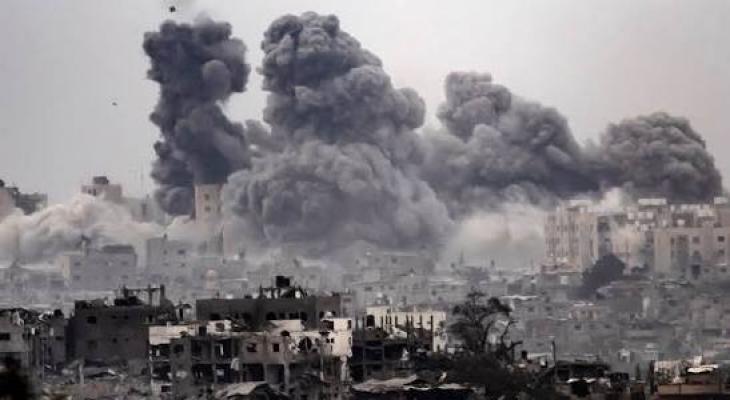
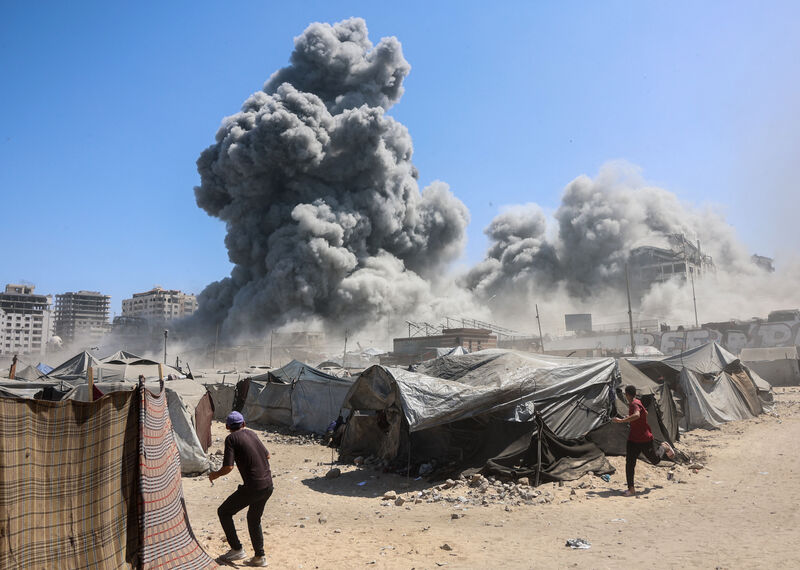
The development comes amid continuing reports of Israeli bombardment across Gaza on Monday. 

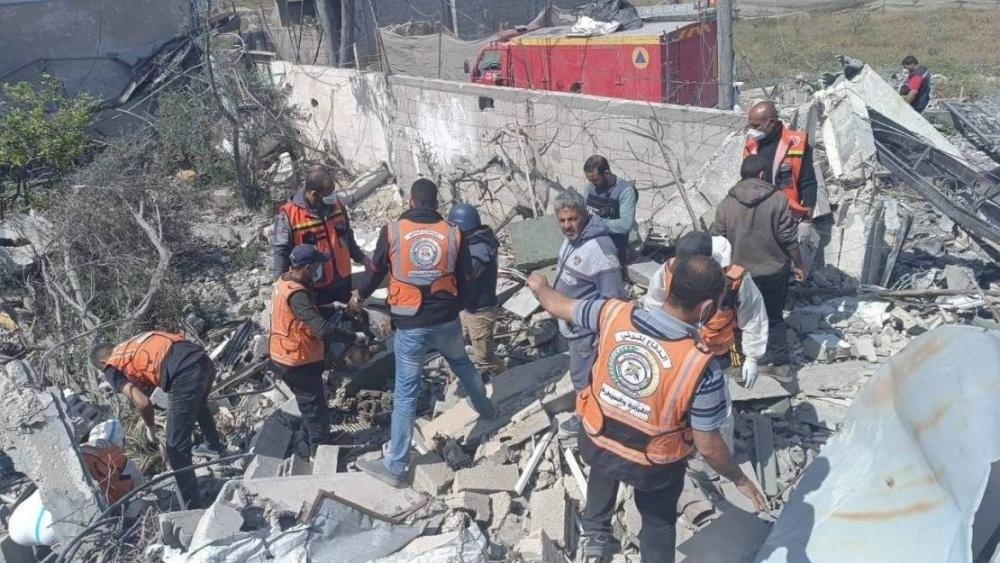
On Saturday, another school run by the UN agency for Palestine refugees, UNRWA was hit, this time in Gaza City at around 6.30pm, reportedly killing two people and injuring an unknown number.

All 2.1 million people in Gaza are expected to suffer high levels of acute food insecurity between now and September.

© IPC

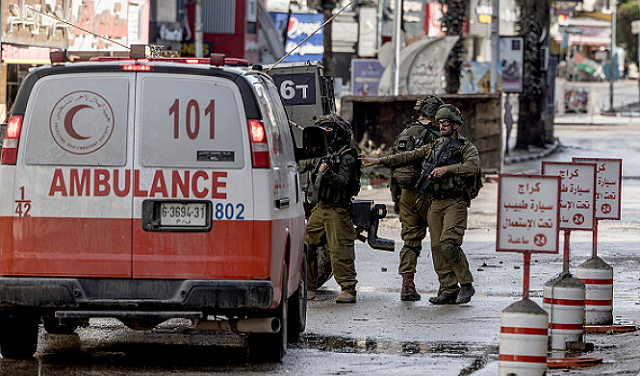
A day earlier, four more people were reportedly killed when another UNRWA facility was bombed in Jabalia camp, north Gaza. The agency’s office was “completely destroyed” and three surrounding buildings sustained severe damage, including a distribution centre. There were no supplies in the distribution centre when it was hit, owing to the continuing Israeli blockade, UNRWA said, noting that it ran out of food for Gaza “more than two weeks ago”. 

Echoing the wider aid community’s rejection of the Israeli plan to manage deliveries of food and non-food items across Gaza’s governorates, the IPC deemed it “highly insufficient to meet the population’s essential needs for food, water, shelter and medicine”.

IPC’s assessments help aid agencies decide where needs are greatest around the world. Food insecurity is measured on a scale of one to five, with IPC1 indicating no hunger and IPC5 denoting famine conditions.

According to the latest data, 15 per cent of people in the governorates of Rafah, North Gaza and Gaza are classified as IPC5. Most of the remainder are little better off.

Israel plan scepticism

Amid this disastrous and deteriorating situation, Israel’s proposed distribution plan will likely create “significant access barriers [to aid] for large segments of the population”, the IPC said.

And pointing to Israel’s recently announced large-scale military operation across the Gaza Strip and persistent obstacles impeding the work of aid agencies, it warned that there was “a high risk that ‘Famine (IPC Phase 5)’ will occur” between now and 30 September.

With hunger everywhere, a high number of households have reported having to resort to “extreme coping strategies” such as collecting rubbish to sell for food. But one in four of this number say that “no valuable garbage remains”, while social order “is breaking down” the IPC reported.

UN News

Continue reading
Haaretz: US Finally Independent From Israel

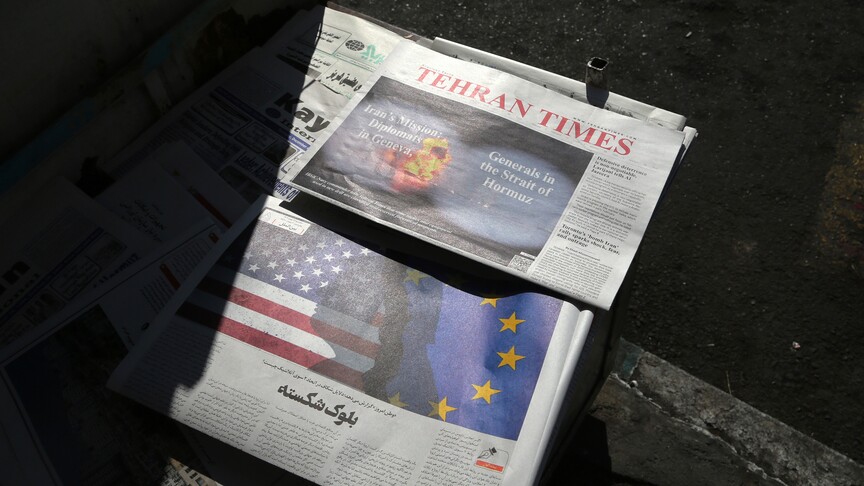
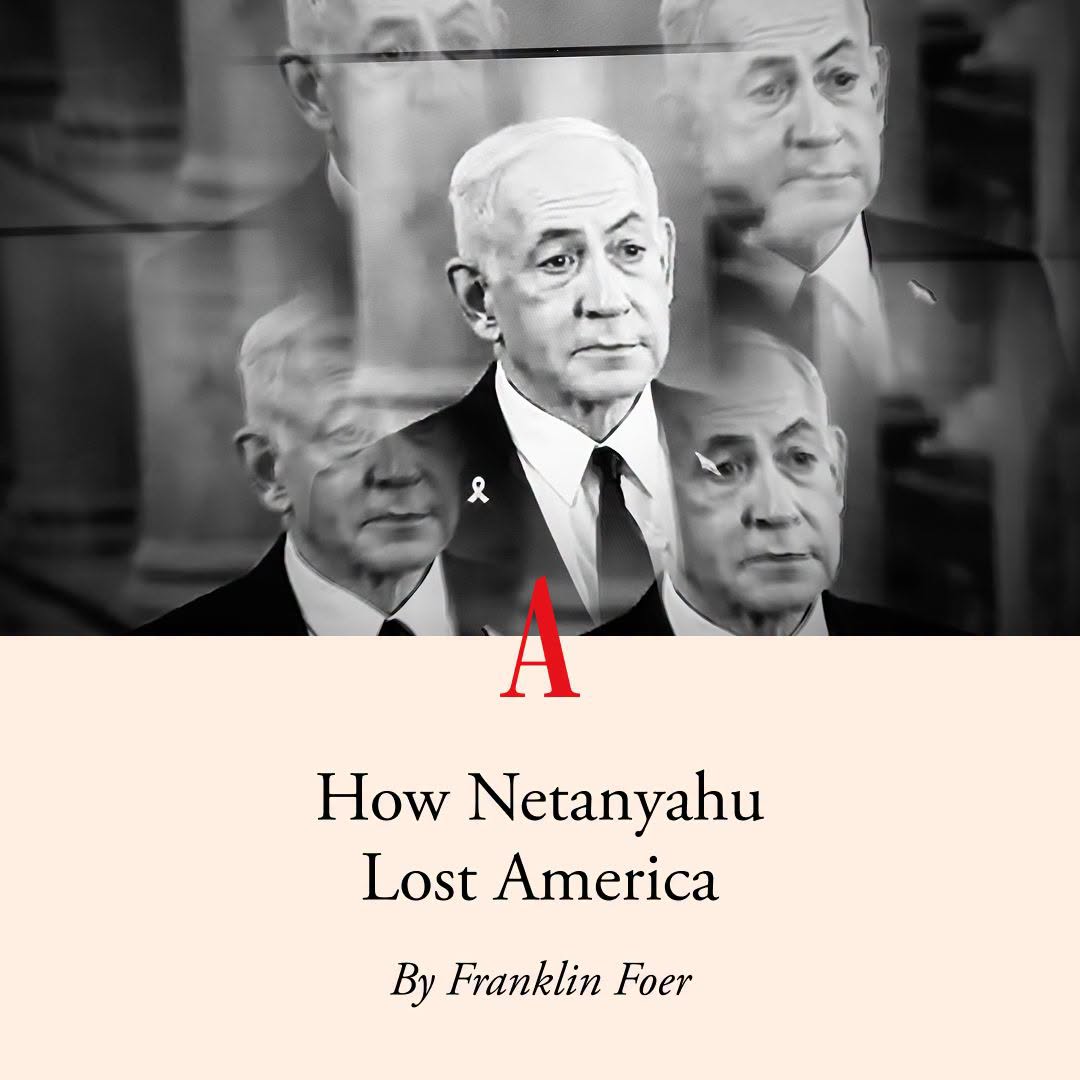
An article in Haaretz reports that Israel has suffered several blows in recent days in its historical relations with the United States. And that US President Donald Trump no longer requires Saudi Arabia to normalize relations with Tel Aviv for Washington’s nuclear cooperation with Riyadh.

Adding insult to injury to the Israel occupying state, Trump has reached an agreement with the Houthis Ansar Allah group to end US military strikes on Yemen. This is plus the fact the US has began negotiations with Iran without the blessing of Israeli Prime Minister Benjamin Netanyahu. Further to that a US official in the Trump administration also held direct contact with the Hamas.

However, Odeh Basharat in his Haaretz article argues that the most painful blow Israel has ever suffered was Trump’s dismissal of his National Security Advisor, Mike Waltz, due to a discussion he had with Netanyahu, behind Trump’s back, about launching a military attack on Iran.

Basharat said the United States has finally begun to wake up and free itself from the shackles of Israel, and act as an independent state, not a “banana republic.” Basharat, a journalist from the Arab world, expressed his astonishment at these developments and wondered whether what was happening before his eyes was real or merely an illusion.

The writer believes that a seismic clash is taking place between the two countries and the two men, and that all the reasons are now converging. “America is gaining its independence 250 years after the beginning of its First Revolutionary War,” referring to the war that took place between 1765 and 1783, when 13 British colonies in North America rejected British colonial rule and gained their independence.

Basharat describes this emancipation as the Great American Rebellion, and attributes its causes to the fact that the world—and the United States as part of it—felt deeply concerned by what the writer, with biting sarcasm, called “Israel’s diplomatic acrobatics,” its “enlightened occupation” of the Palestinian territories, and its “closure (of the Gaza Strip) that allows only air in.”

According to the article, as soon as Israel reaches an agreement on a particular issue, it adds new conditions the next day. Although the Arab states that signed peace agreements with Israel were not required to recognize it as a Jewish and democratic state, only the Palestinians are required to do so, which, as Basharat argues, permanently relegates Israeli Arabs to second-class citizens.

According to the article, it has become clear that Netanyahu is deceiving everyone: Arabs, Jews, and Americans, not just Hamas and the Lebanese Hezbollah movement, as he previously boasted to Israeli police investigators that he misled and deceived them, then bombed them.

Since the time of David Ben-Gurion, Israel’s first prime minister, the state’s policy has been based on force. In contrast, Trump seems to believe in a policy of carrots and sticks—meaning diplomacy and force combined—according to the article.

The author claims that the US president thinks differently, as demonstrated by his actions toward the Houthis, Iran, and the tariffs. Once he realized he had failed, he took a step back.

As for Israel, its problem does not lie solely with Netanyahu, as Basharat argues, but rather with the fact that it has not offered an alternative to force. Only three of its former prime ministers, according to the article, have taken a different path: Moshe Sharett, whom Ben-Gurion was keen to overthrow; Yitzhak Rabin, who paid for it with his life; and Ehud Olmert, who was ousted before even presenting his plan.

Furthermore, Israel has long treated the White House as a branch of its prime minister’s office, intervening in the wording of every sentence in documents issued by Washington regarding Israel, according to the Haaretz article as reported in Al Jazeera.

Continue reading
Hamas Releases US-Israeli Hostage

The International Committee of the Red Cross received Israeli-American soldier Idan Alexander from Hamas on Monday evening. His family confirmed he would travel to Doha later in May to meet President Trump and Qatar’s Emir, Sheikh Tamim bin Hamad Al Thani.

Hamas had captured Alexander in Gaza during the war as he served in the Israeli military. The release followed direct talks between Hamas and the U.S., and came as part of broader efforts to secure a ceasefire, open border crossings, and allow humanitarian aid into Gaza.

The handover took place in Khan Younis in southern Gaza. The Israeli military confirmed it received Alexander and said he is in good health.

Hamas said it released Alexander after “important talks” with the U.S. and praised the American administration’s efforts. The resistance movement emphasized that serious and responsible negotiations produce results in freeing prisoners. Continued military aggression, they warned, only prolongs prisoners’ suffering and risks killing them.

Hamas declared its readiness to begin immediate negotiations for a permanent ceasefire, the withdrawal of Israeli forces, lifting the blockade on Gaza, a prisoner exchange deal, and reconstruction of the war-torn enclave. It also called on U.S. President Donald Trump to intensify efforts to end “Netanyahu’s brutal war against children, women, and unarmed civilians in Gaza.”

Earlier Monday, Israeli media reported full preparations were in place to receive Alexander. His family confirmed he would travel to Doha later in May to meet President Trump and Qatar’s Emir, Sheikh Tamim bin Hamad Al Thani.

Channel 12 said the Israeli army received orders to halt fire in Gaza from midday to ensure a smooth handover. A military helicopter brought Alexander’s family to the Re’im base near the Gaza border to await his release.

Meanwhile, hundreds of Israelis demonstrated outside the U.S. Embassy in Tel Aviv, demanding the release of all Israeli prisoners.

Earlier in the day, Abu Obeida, spokesperson for Hamas’s military wing, said on Telegram that the group had decided to free Alexander. The 21-year-old soldier, originally from New Jersey, had served in the Israeli army and became the 39th prisoner released by Hamas since January 19, when a temporary ceasefire was reached. That deal later collapsed in March when Israel resumed its offensive.

U.S. Middle East envoy Steven Witkoff arrived in Israel for the release. Adam Boehler, the U.S. envoy for hostage affairs, posted a photo from the plane flying him and Alexander’s mother to Israel to receive the soldier.

Boehler praised Hamas’s decision and called for the return of the remains of four other U.S. citizens reportedly killed and still in Gaza.

Israeli Prime Minister Benjamin Netanyahu’s office issued a statement saying Israel remains committed only to securing a safe corridor for Alexander’s release—not to a broader ceasefire or exchange. Talks for other Israeli prisoners, they added, will continue while Israel prepares to intensify attacks.

Netanyahu claimed Alexander’s release came without concessions, crediting U.S. support and Israeli military pressure. “We are in critical days,” he said, “and Hamas now has a deal on the table that could lead to the return of our captives.”

Haaretz quoted a senior Israeli source saying Israel demands that Hamas release at least half of the Israeli prisoners—dead or alive—before it enters full negotiations to end the genocide.

The Times of Israel reported that Hamas had received assurances from a mediator that releasing Alexander would improve their standing with Trump. The resistance movement reportedly hopes the move will encourage the U.S. president to pressure Netanyahu into accepting a broader deal according to the Quds News Network.

Continue reading
Trump Reaches a Deal With Hamas

Hamas, Sunday, said it will release Israeli-American hostage Idan Alexander as part of ongoing efforts to reach a ceasefire in Gaza.

As part of efforts made by mediators to achieve a ceasefire, Hamas are in direct talks with the US administration and has been so over the past few days and expressed a “high degree of positivity.”

Alexander, a soldier who was serving in an elite infantry unit on the Gaza border, is known to be the last remaining American hostage in Gaza who is still alive.

It is understood that his release would be among several steps to facilitate a ceasefire, reopen border crossings and allow humanitarian aid and relief supplies into the Gaza Strip.

Hamas said also it wants to enter immediate and intensive negotiations to reach a final ceasefire accord, a mutually agreed prisoner exchange, and the formation of an independent professional body to govern Gaza.

The Islamist group stated such a framework would help ensure long-term calm and stability alongside reconstruction and the lifting of the Israeli blockade.

Hamas also praised the ongoing mediation efforts by Qatar and Egypt as well as Türkiye.

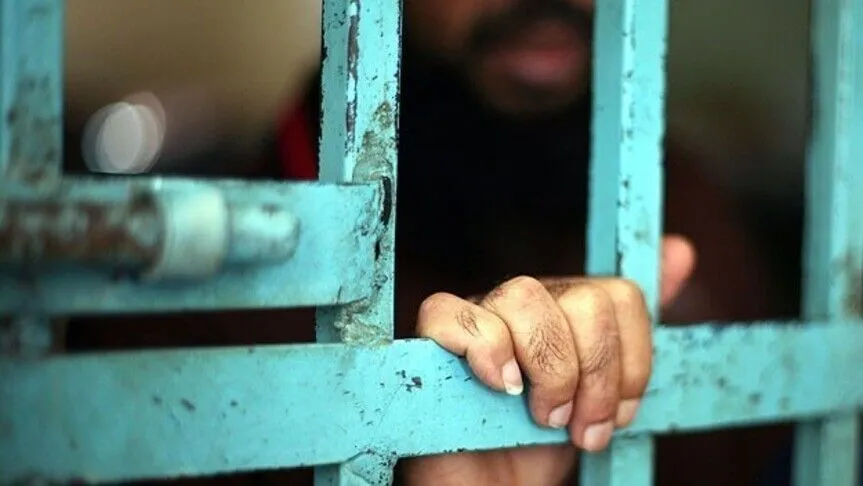
Israel estimates that 59 captives remain in Gaza, including 21 believed to be alive. Meanwhile, over 9,900 Palestinians are imprisoned in Israel, where rights groups report widespread torture, starvation and medical neglect, resulting in several deaths.

Israeli Prime Minister Benjamin Netanyahu’s office said in a statement that the US informed Israel of Hamas’ intention to release Alexander as a gesture of goodwill to Washington and “without any conditions or exchange.”

Netanyahu’s office said the move is expected to lead to negotiations over the release of additional captives based on an original proposal from US President Donald Trump’s special envoy to the Middle East, Steve Witkoff, which Israel previously approved according to Anadolu.

The statement added that Israel is preparing for the possibility that the release will take place.

“In accordance with Israel’s policy, negotiations will take place under fire, with full commitment to achieving all the objectives of the war,” it said.

There was no immediate comment from US or Palestinian officials regarding the statements.

The Israeli news site Walla quoted Israeli officials as saying that Tel Aviv is obligated to implement a temporary ceasefire to ensure the release of Alexander.

The Israel Hayom daily reported that the ceasefire is expected to last only a few hours.

It also said that Israel will allow humanitarian aid to enter Gaza as part of the arrangement for Alexander’s release, which is expected to take place within the next 48 hours.

Citing an unnamed Israeli source, Israel Hayom said Tel Aviv will open border crossings to facilitate the delivery of aid to Gaza as part of the process, while also stating that no Palestinian prisoners will be released in exchange for Alexander.

Channel 13 reported that Israel is not a party to the agreement and was only notified after the deal had been coordinated.

Channel 12, citing an unnamed Israeli source, reported that recent days brought signs indicating that Hamas could release Alexander, though Israel was not involved in the negotiations.

The anticipated release comes ahead of Trump’s scheduled tour of Saudi Arabia, Qatar and the United Arab Emirates from Tuesday through Friday. The itinerary does not include a visit to Israel.

The trip comes amid reports of rising tension between Trump and Netanyahu, including allegations that Trump has cut off direct communication over suspicions that Netanyahu is manipulating the US administration.

Witkoff’s March proposal included the release of five Israeli captives in exchange for a 50-day ceasefire, the release of Palestinian prisoners, the delivery of humanitarian aid to Gaza and the start of negotiations for a second phase, according to Israeli media outlets.

Hamas previously said that it did not reject the Witkoff plan and accused Netanyahu of resuming the war to sabotage the agreement.

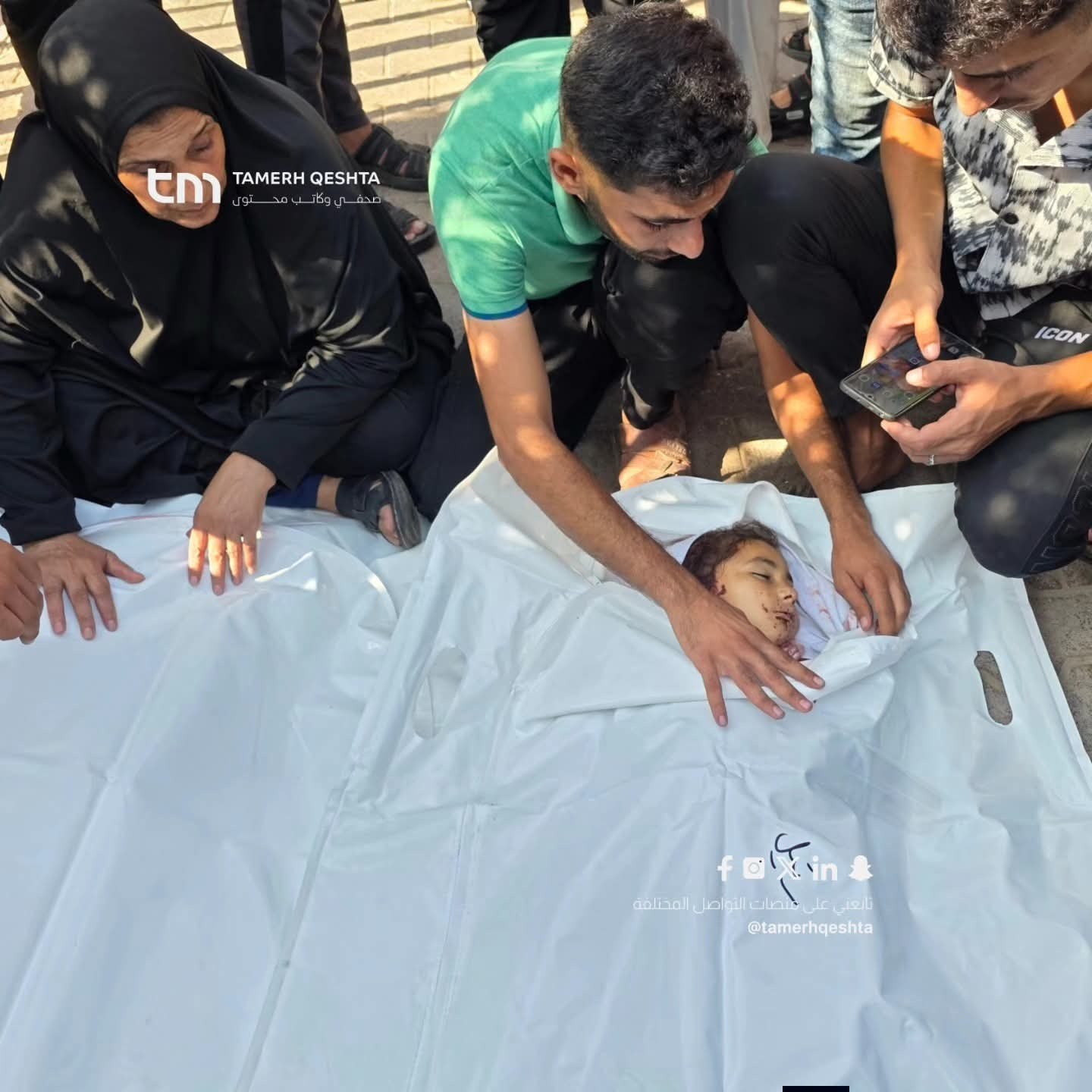
More than 52,800 Palestinians have been killed in Gaza in a brutal Israeli onslaught since October 2023, most of them women and children.

The International Criminal Court issued arrest warrants last November for Netanyahu and his former Defense Minister Yoav Gallant for war crimes and crimes against humanity in Gaza.

Israel also faces a genocide case at the International Court of Justice for its war on the enclave.

Continue reading
Silent Death Sweeps Gaza’s Elderly

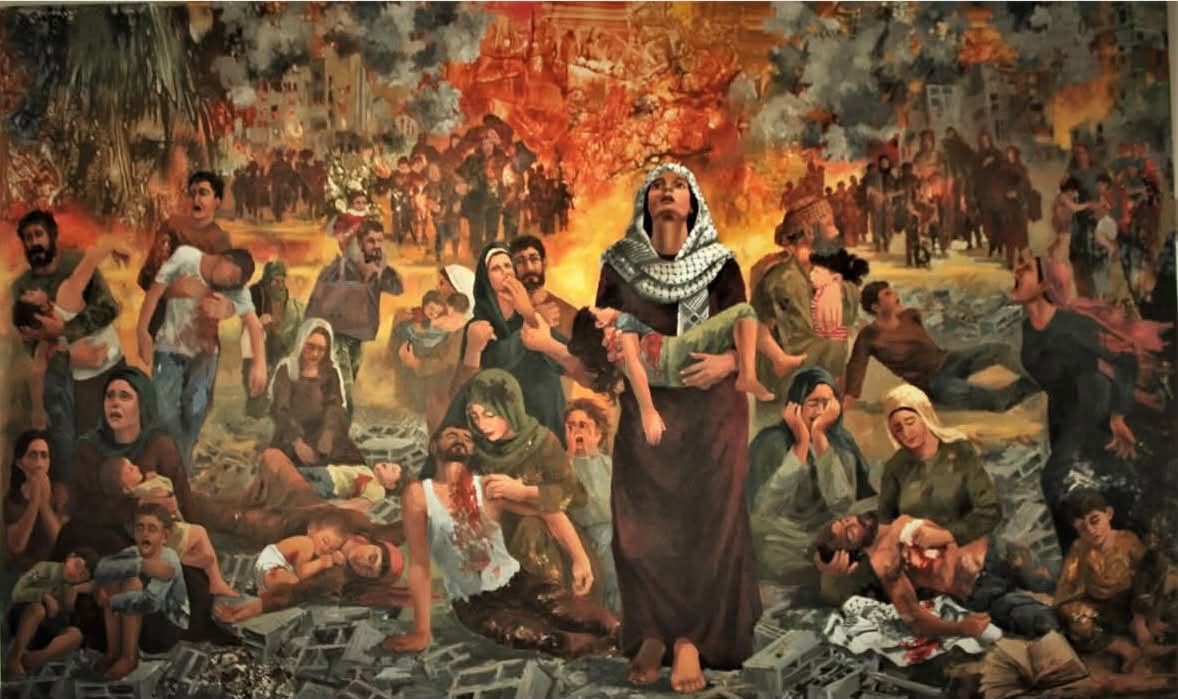
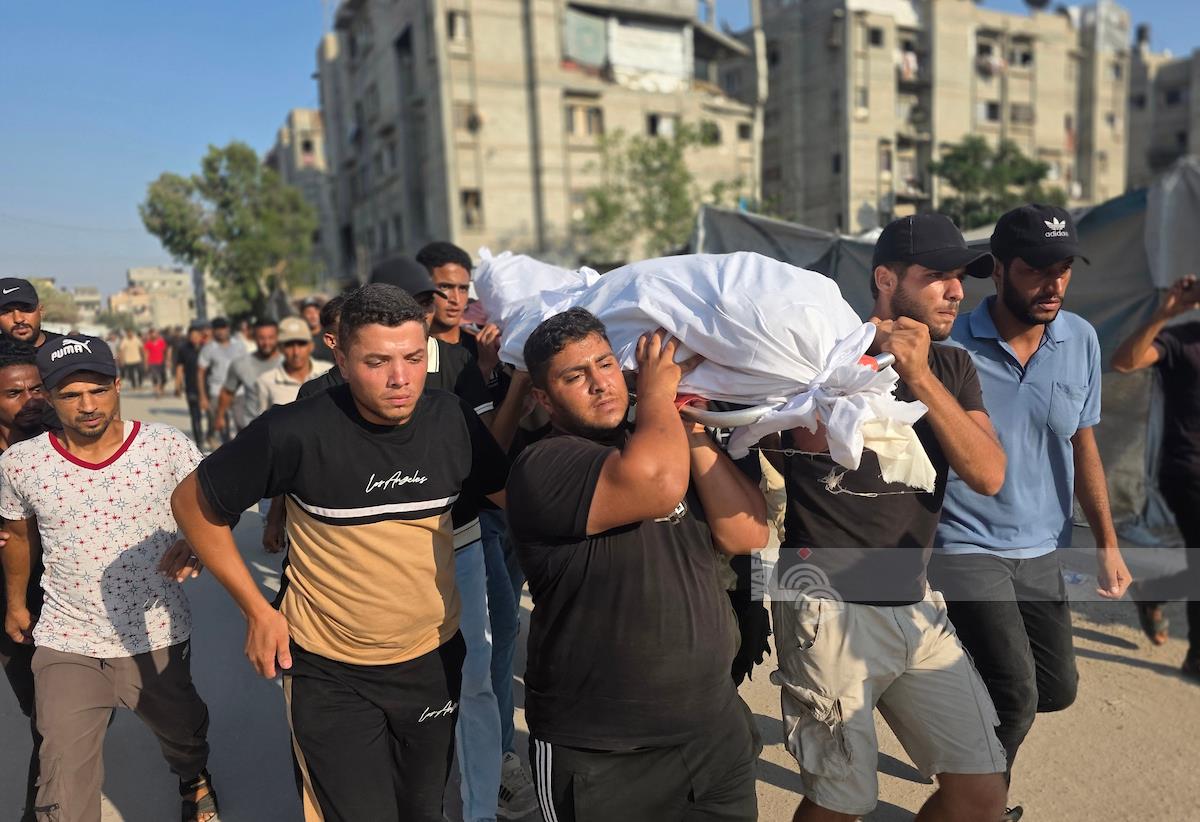
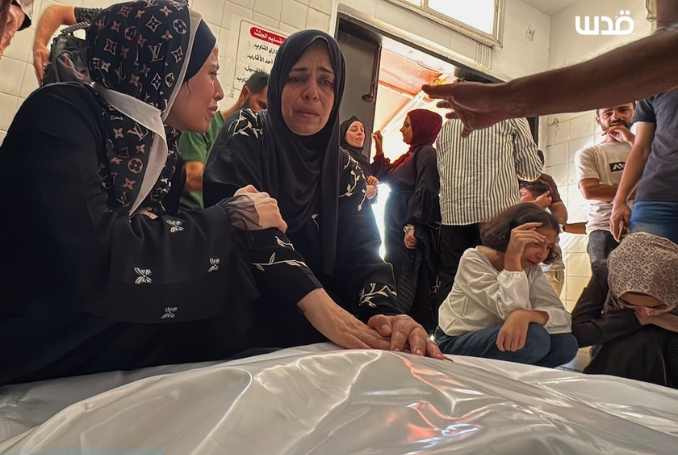
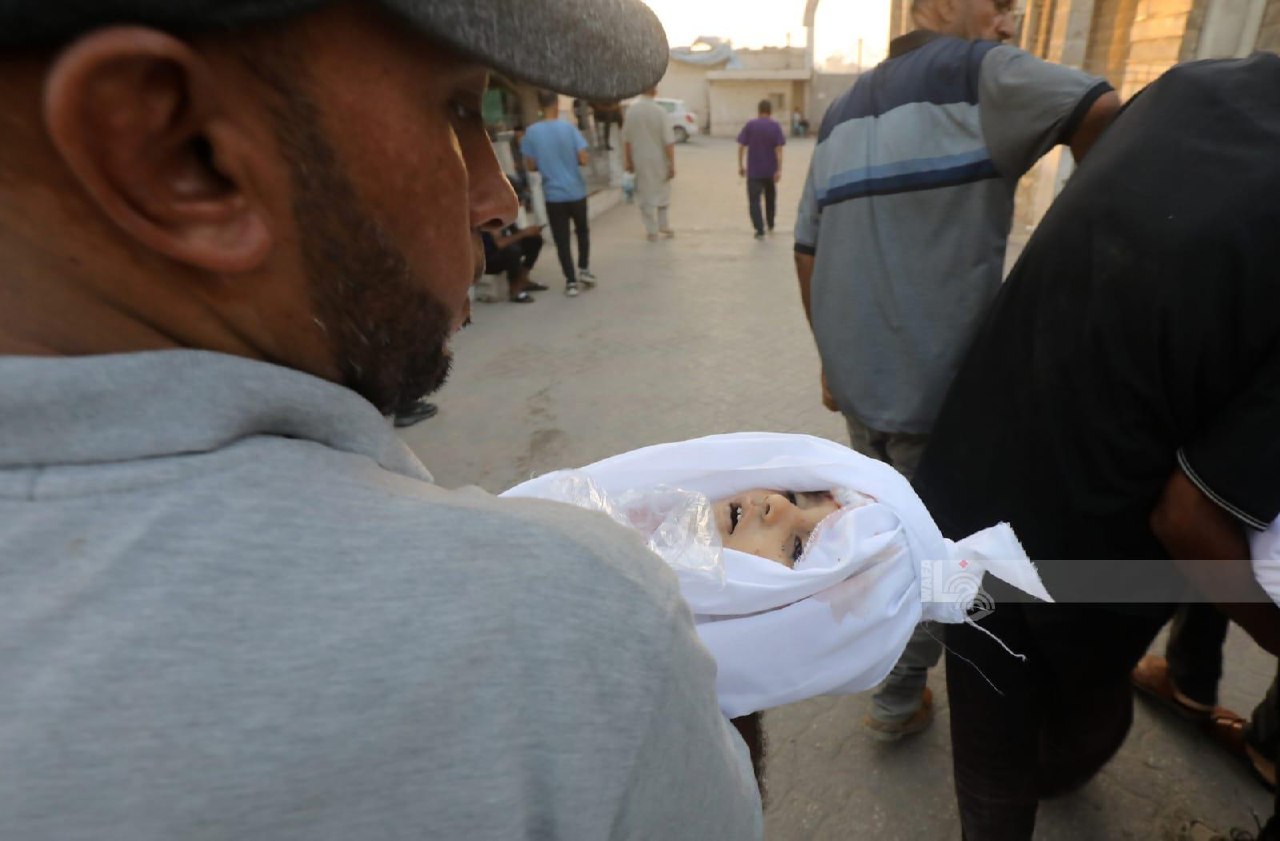
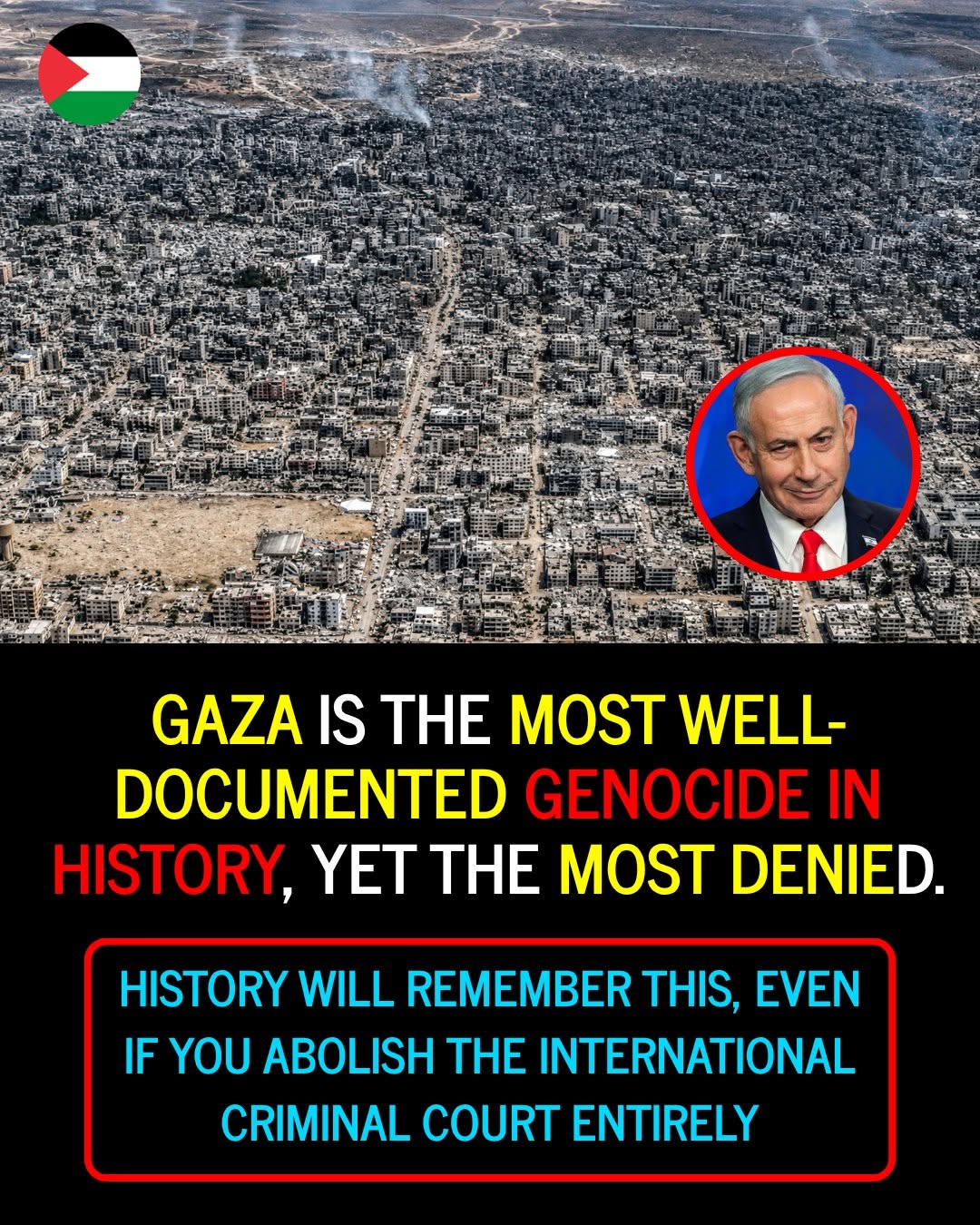
Alongside the relentless toll of fatalities from continuous Israeli bombardment, a silent death is sweeping through Gaza’s elderly and children—largely unrecorded and undocumented. This is the result of deadly living conditions deliberately imposed by Israel to exhaust the population. At the forefront of these crimes are starvation, the infliction of extreme suffering, deprivation of medical care, and the imposition of a total blockade—all constituting acts of ongoing genocide for over 19 months.

Now entering its third consecutive month, the intensified siege has had devastating and long-term effects—disproportionately harming Gaza’s most vulnerable. Israel’s systematic policy seeks to destroy all means of survival and eliminate any path to staying alive. This deepens the humanitarian catastrophe, making it a central instrument in the execution of genocidal policy.

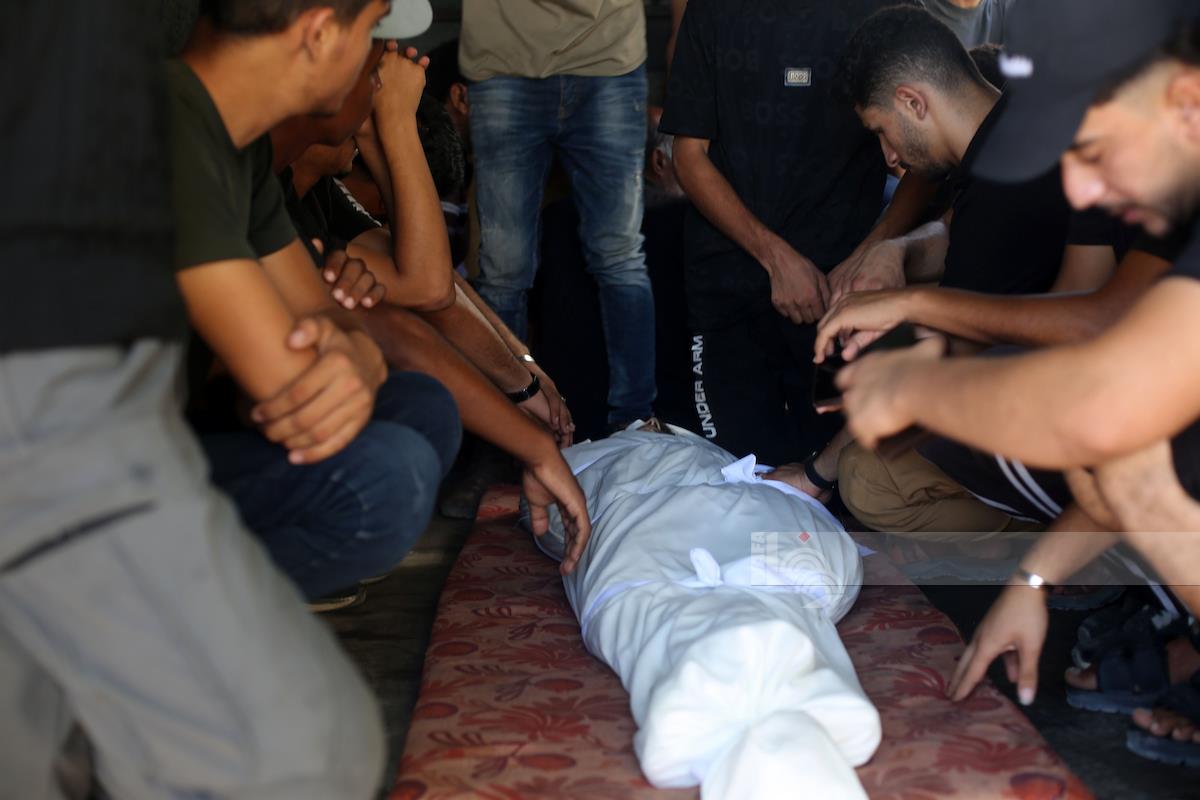
Over the past week, 14 elderly Palestinians were documented to have died across Gaza from complications related to hunger, malnutrition, and lack of medical care. These deaths are directly linked to Israel’s complete closure of border crossings and its prevention of humanitarian aid and essential goods from entering the Strip since 2 March.

[My father] recently suffered a severe health setback. Hunger and malnutrition had left his body extremely weak and frail, so we transferred him to Nasser Hospital. After examination, doctors found he was suffering from acute anaemia and a severe deficiency in proteins and minerals   

Jalal, son of Talib Al-Arja who died due to lack of food

The victims died in various areas of Gaza, where residents face acute shortages of food, clean water, and medicine. Famine is spreading, the health system has collapsed, and even the most basic medical care is unavailable—leaving vulnerable people, especially the elderly and those with chronic illnesses, to die in total isolation from the outside world.

The death of Musbah Abdul Raouf Abdul Ghafhour, 84, was documented in Khan Younis on Saturday. His family told Euro-Med Monitor that his condition deteriorated sharply after he was diagnosed with stomach cancer. He could not be referred for treatment outside Gaza due to the total Israeli blockade. With no treatment available inside Gaza and his health further deteriorating due to malnutrition and lack of suitable food, he eventually succumbed.

The death of Talib Sabbah Suleiman Al-Arja, 80, was recorded on Tuesday, 7 May. His son, Jalal, told Euro-Med Monitor: “After the war on Gaza began and the suffocating siege was imposed, my father suffered repeated health setbacks due to a lack of food. We lived in miserable conditions in Rafah, and when we were displaced to Khan Younis, the suffering worsened. We lacked even the most basic necessities. My father complained about the intense heat inside the tent during the day and the biting insects at night. As an elderly man, he could not endure the hunger or thirst. He would ask for cold drinking water during the day, but we couldn’t provide it. He would long for foods like chicken, fish, eggs, and fruit—but none were available.”

He added, “He recently suffered a severe health setback. Hunger and malnutrition had left his body extremely weak and frail, so we transferred him to Nasser Hospital. After examination, doctors found he was suffering from acute anaemia and a severe deficiency in proteins and minerals. He remained in the hospital for less than 30 hours. His body did not respond to the medications, supplements, or IV fluids administered—and, in the end, he passed away.”

The Euro-Med Monitor team reported that dozens of elderly patients have been arriving at hospitals, the vast majority diagnosed with acute malnutrition and anaemia. With no access to treatment for their chronic illnesses, many have been forced to rely on canned food as their main source of nutrition—causing their health to deteriorate dramatically, in some cases leading to death.

An increasing number of elderly people, children, and patients are now dying as a direct result of the collapsing healthcare, severe malnutrition, and hunger, amidst the systematic breakdown of Gaza’s healthcare system caused by the Israeli blockade. The lack of an effective mechanism within Gaza’s Ministry of Health to monitor such cases means they are often recorded as natural deaths, though in reality, they result directly from deliberate starvation policies and the destruction of the health system. These practices constitute a pattern of intentional killing, which is prohibited under international humanitarian law and international criminal law.

Such actions amount to some of the gravest crimes under the Rome Statute of the International Criminal Court, which classifies wilful killing — including causing death through starvation or denial of medical care — as a war crime and a crime against humanity, particularly when committed as part of a widespread or systematic attack targeting civilians. This is consistent with the pattern of assault being carried out by Israel against civilians in the Gaza Strip.

These actions also meet the legal criteria for the crime of genocide, whether through acts of killing, inflicting serious bodily or mental harm, or imposing living conditions intended to bring about the physical destruction of a protected group, in whole or in part. This crime has been ongoing for over 19 months, perpetrated by Israel against the civilian population of Gaza.

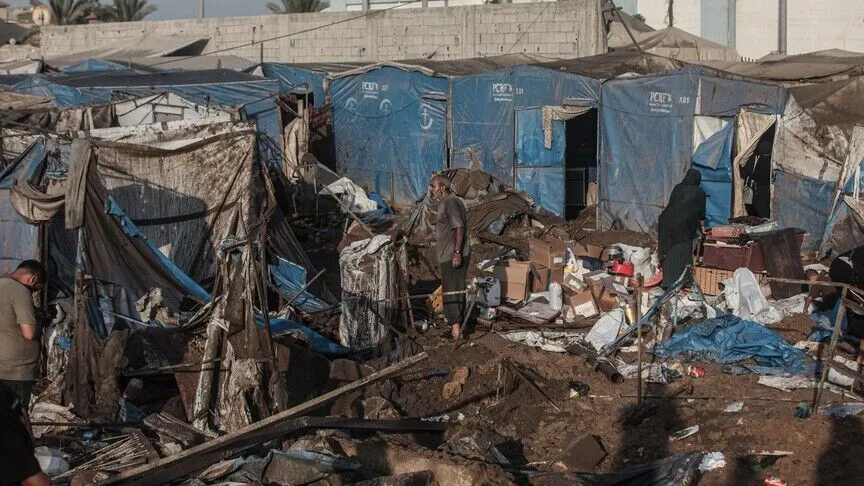
The humanitarian crisis in Gaza has reached catastrophic levels. Hunger is no longer confined to vulnerable or marginalised groups—it now affects all segments of society. There has been an almost total collapse of essential public services and basic requirements for survival, including access to food, healthcare, and shelter.

The unlawful Israeli blockade imposed on the Gaza Strip since the start of the genocide in October 2023—accompanied by systematic and arbitrary restrictions on humanitarian aid and the deliberate destruction of the healthcare system, particularly over the past seventy days—has caused catastrophic deterioration and led to irreversible conditions affecting the health and wellbeing of more than two million people in the territory.

The proposed Israeli-American mechanism for humanitarian aid in Gaza is nothing more than a new manoeuvre aimed at prolonging the illegal and comprehensive blockade. It repackages the crime of starvation in a misleading humanitarian guise, falsely legitimising its continued use as a weapon in the ongoing crime of genocide.

The Euro-Mediterranean Human Rights Monitor has called on all states, individually and collectively, to fulfil their legal obligations and take urgent action to halt the genocide and lift the illegal blockade on Gaza. Immediate and concrete measures must be taken to protect Palestinian civilians—especially the elderly and children.

The international community must act swiftly to lift the unlawful Israeli blockade, as it remains the only viable path to halting the accelerating humanitarian collapse and ensuring the flow of aid into Gaza. Any delay in lifting the blockade will only exacerbate the already uncontainable catastrophe, leaving more than two million people hostage to hunger, disease, and thirst—deprived of the most basic conditions for a dignified life.

The international community must also impose economic, diplomatic, and military sanctions on Israel in response to its systematic and grave violations of international law. This includes banning weapons exports to Israel and halting arms purchases from it; suspending all forms of political, financial, and military support and cooperation; freezing the assets of officials involved in crimes against Palestinians or inciting such acts; and imposing travel bans on them. Moreover, trade privileges and bilateral agreements that grant Israel economic advantages, enabling it to commit crimes, must be suspended.

All states must also be held accountable for their complicity or involvement in supporting Israel’s crimes—chief among them the United States—and any nations providing Israel with any form of assistance linked to the perpetration of these crimes. This includes aid or contractual ties in the military, intelligence, political, legal, financial, media, or economic sectors, or any other domain contributing to the continuation of these violations.

Continue reading