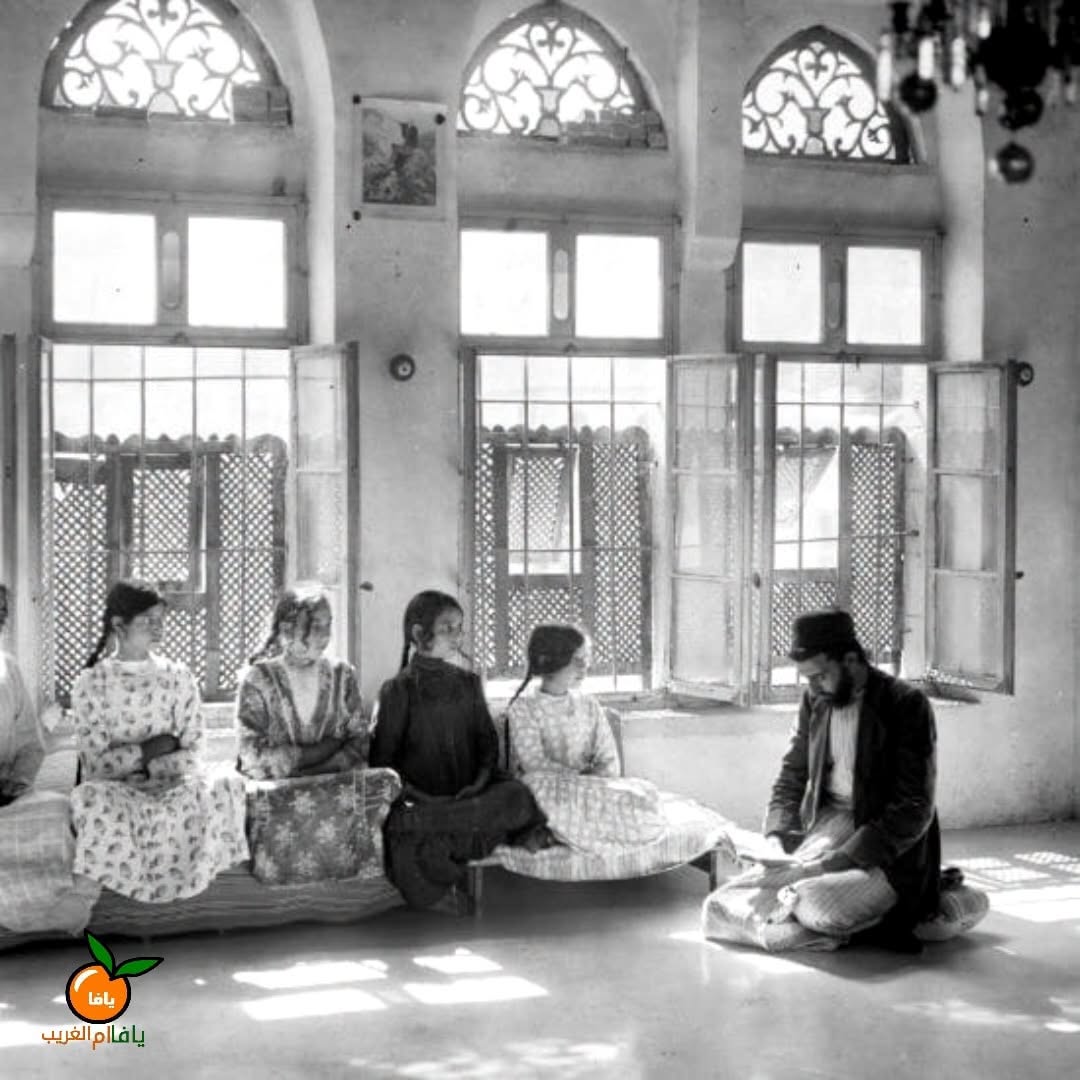
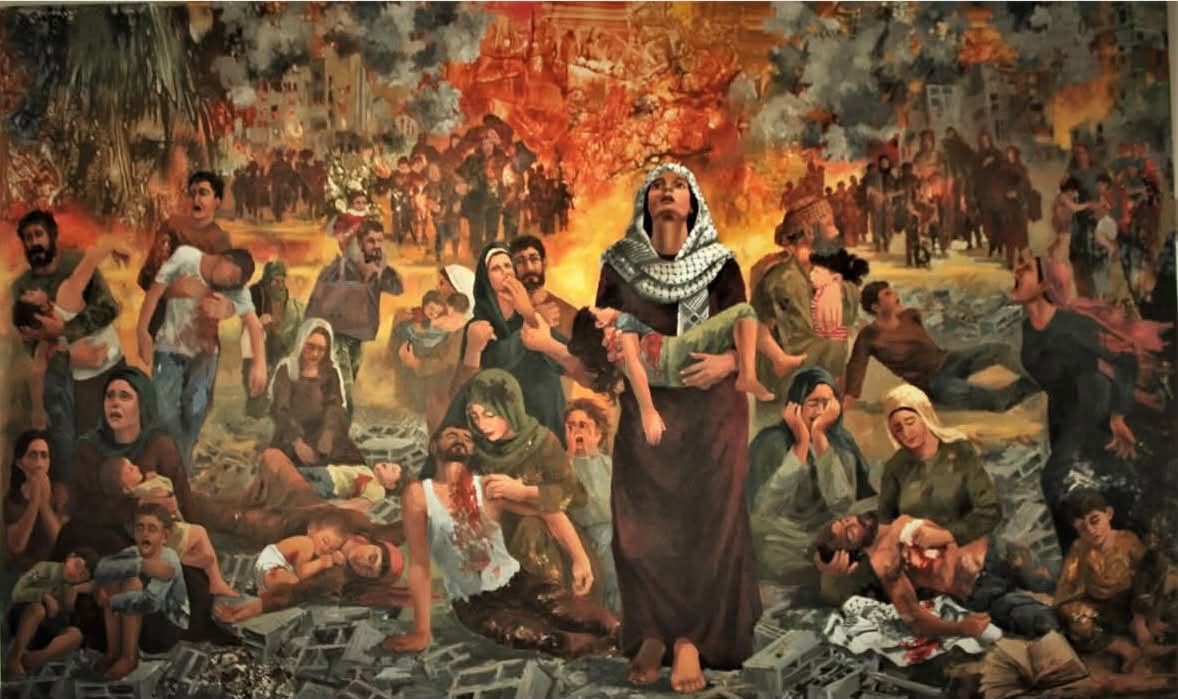
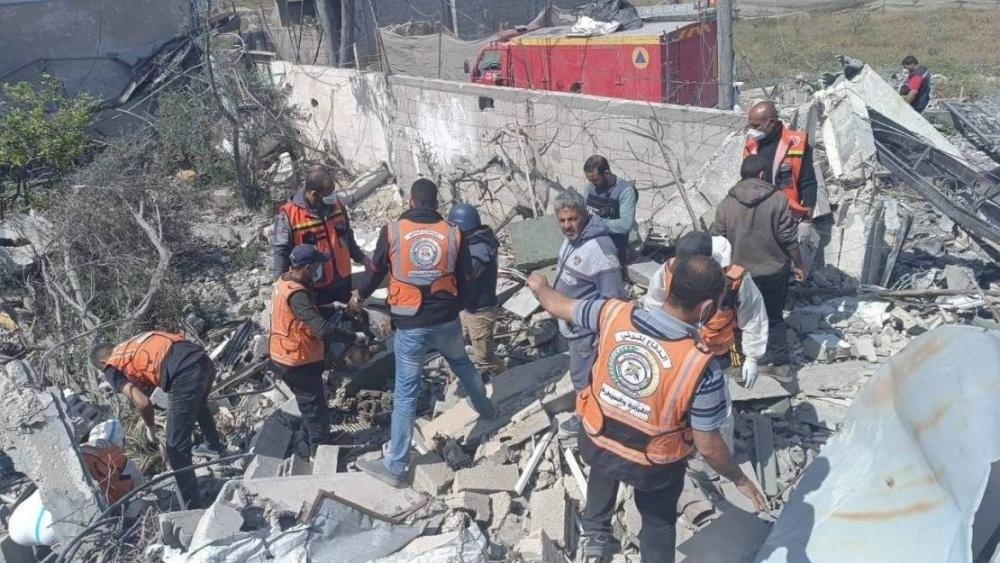
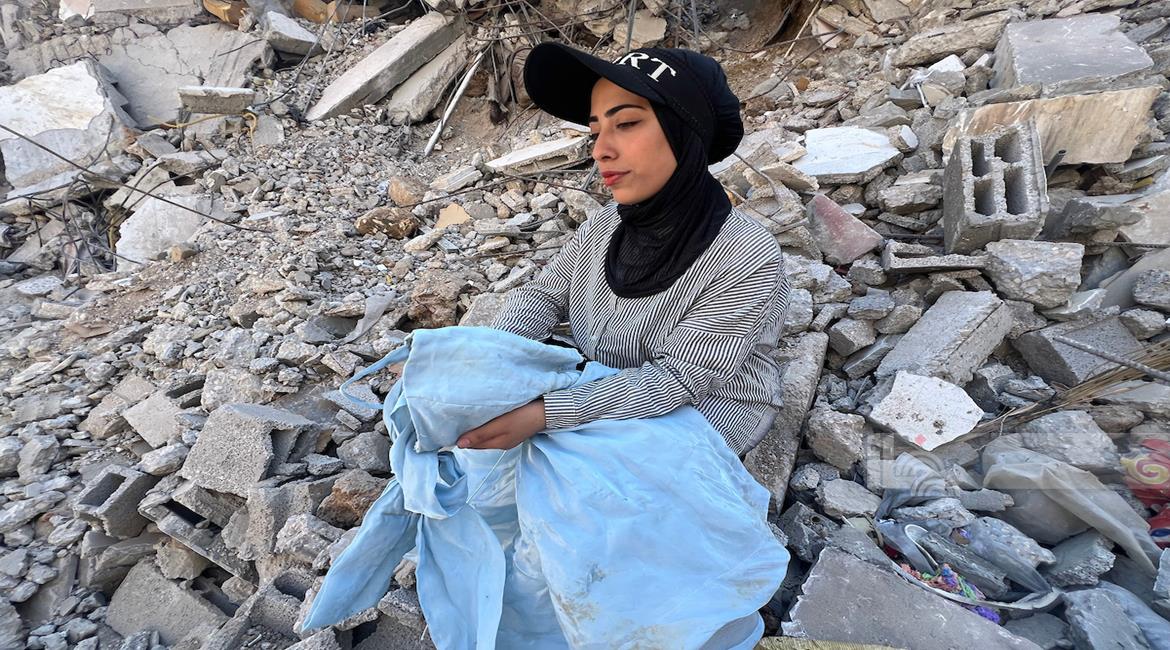
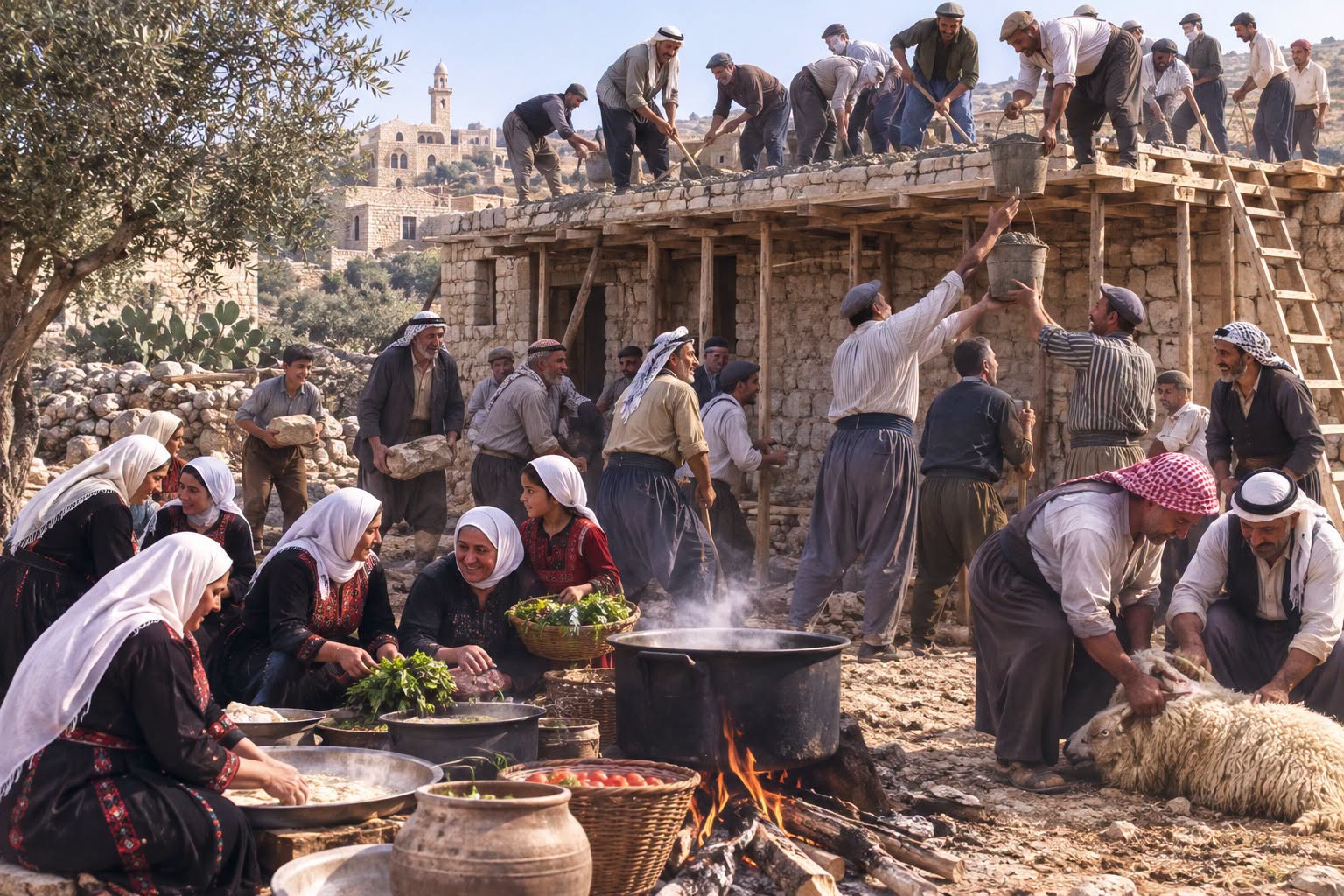
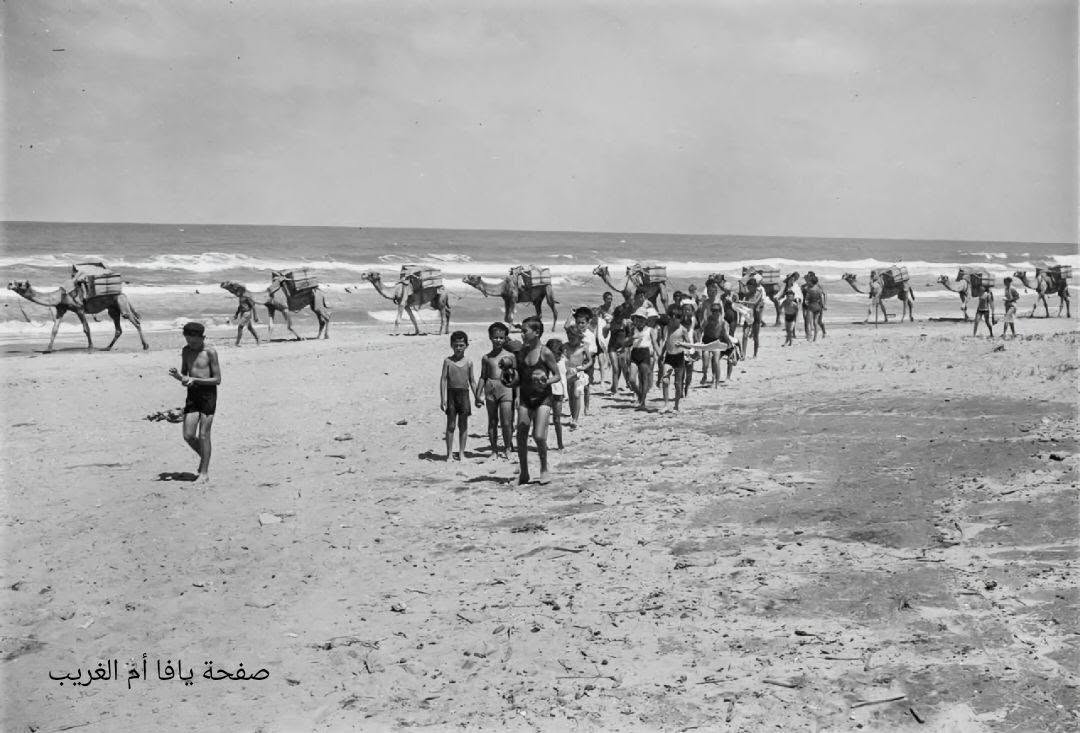
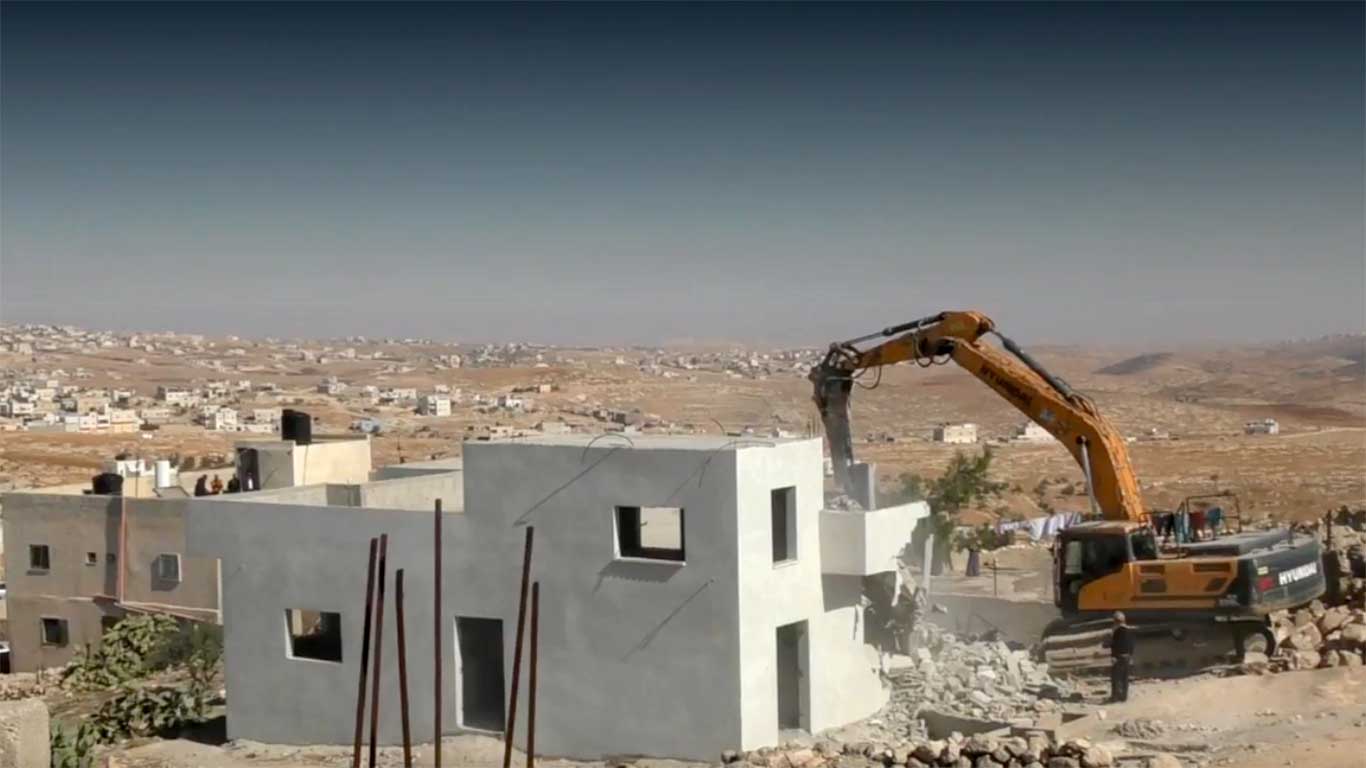
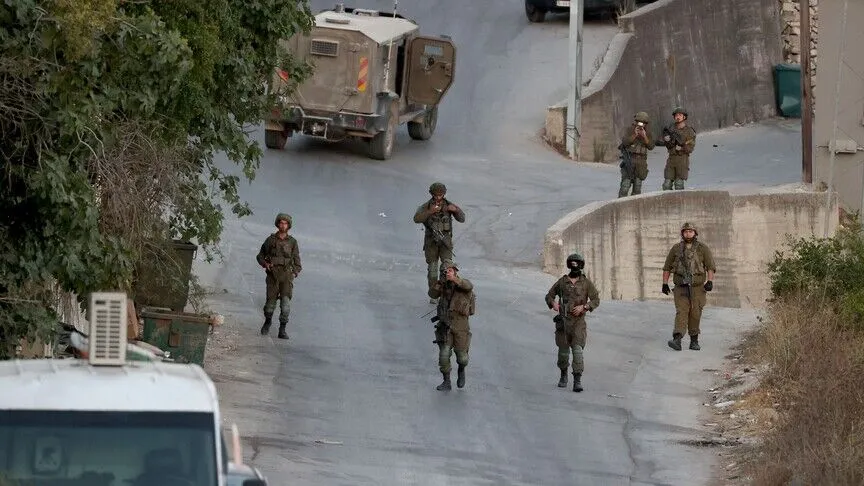
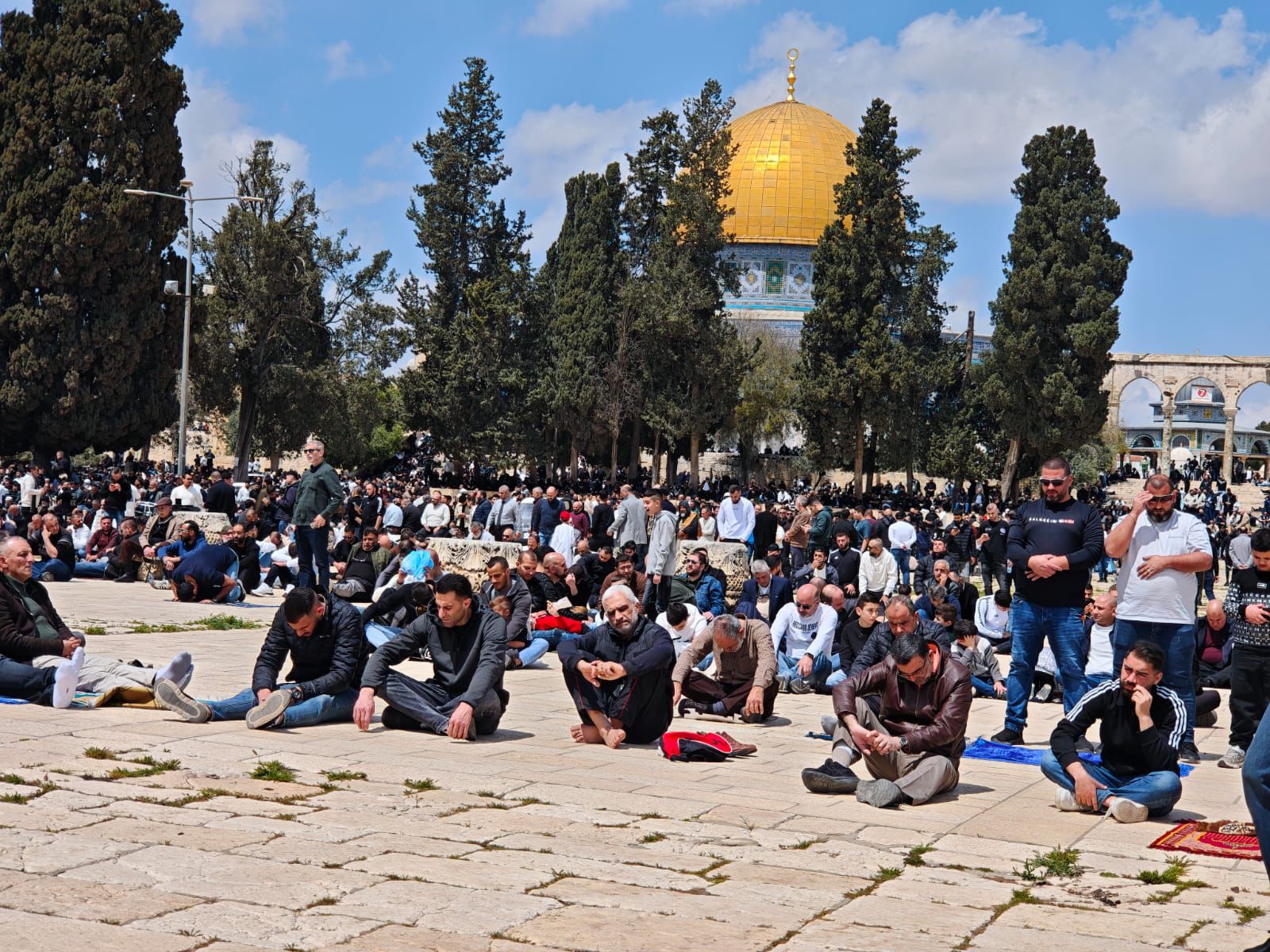
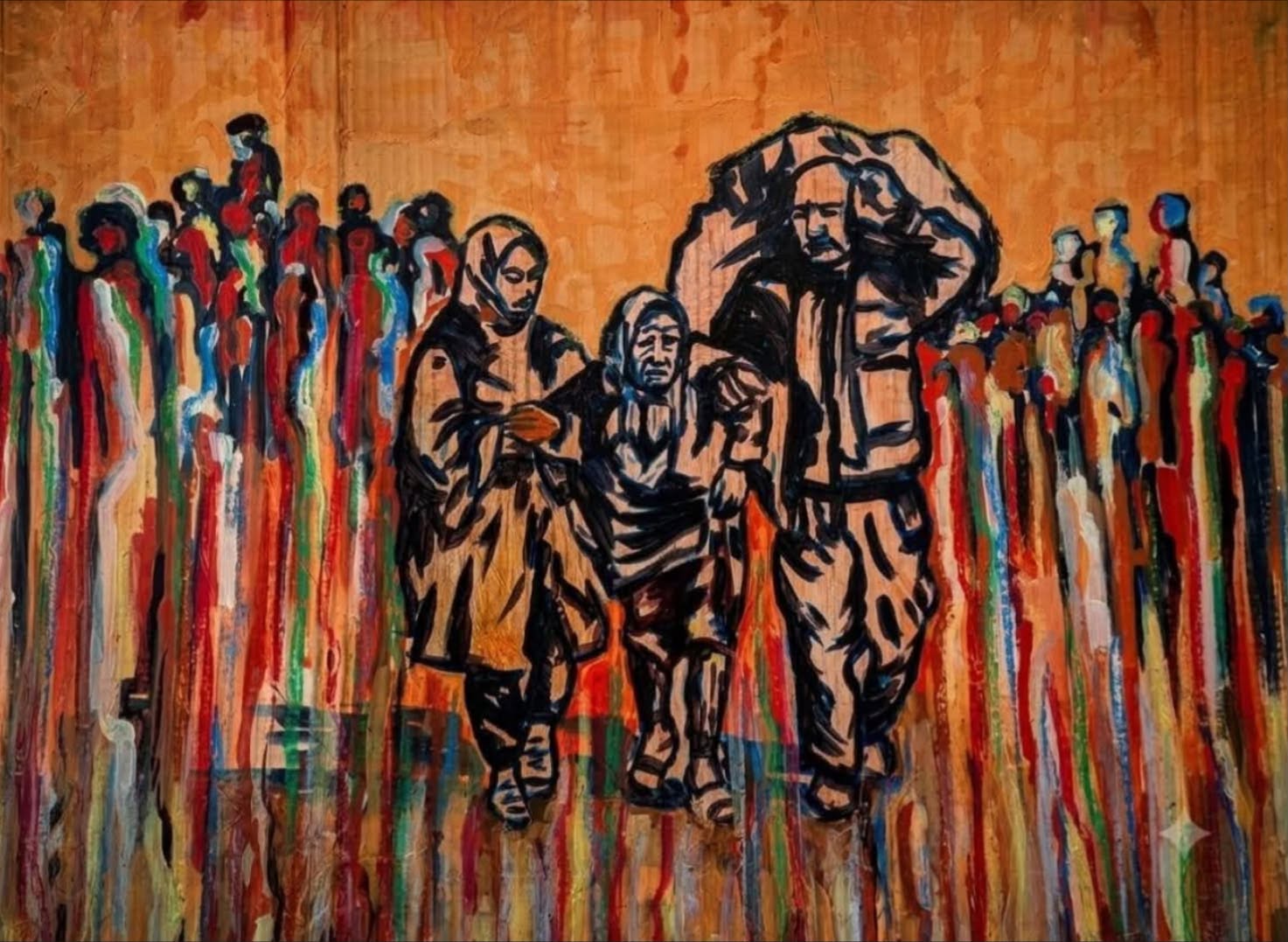
 Palestinian House, Palestinian Architecture
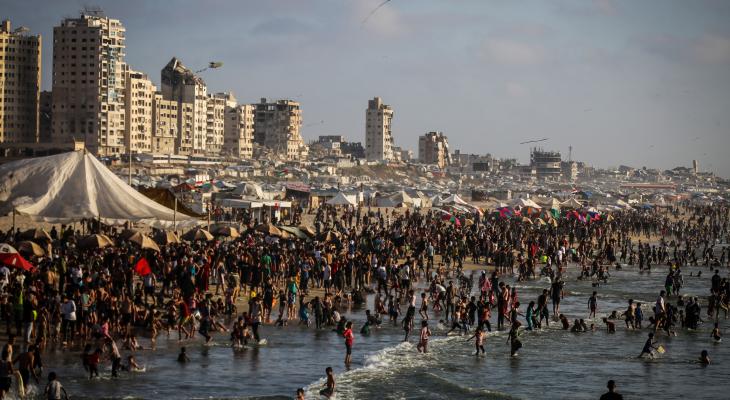
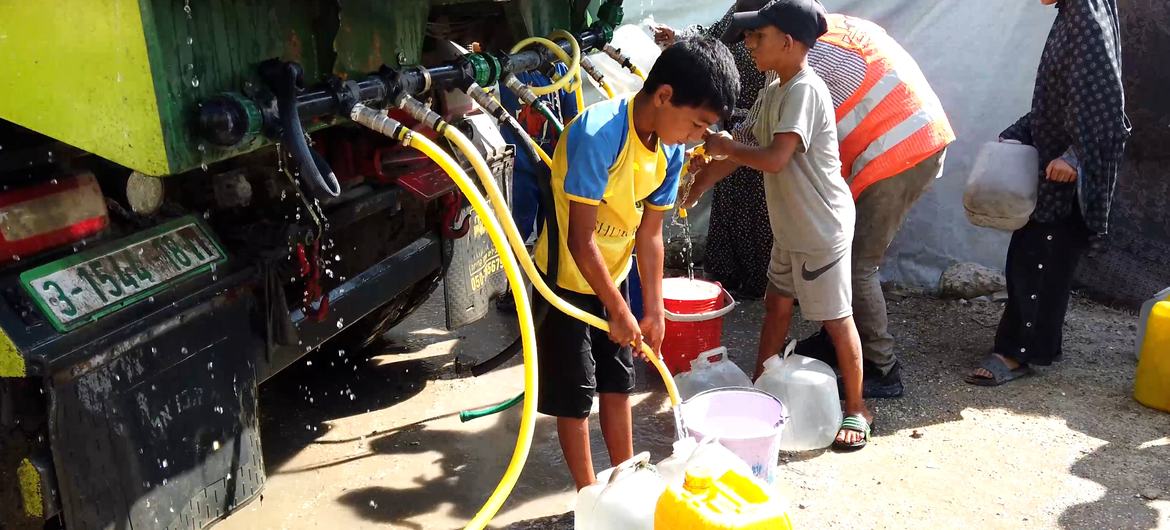
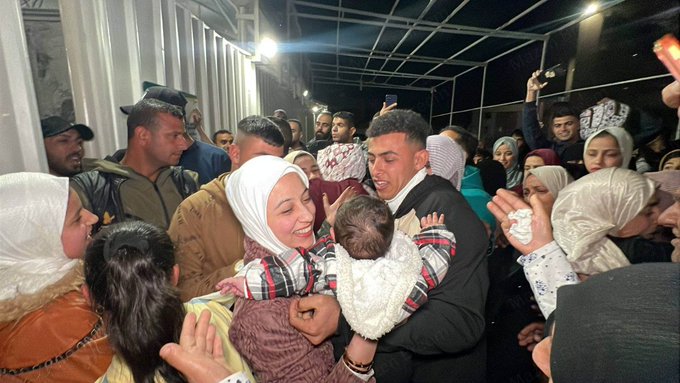 UN Reports Grave Israeli Violations of Gaza Returnees
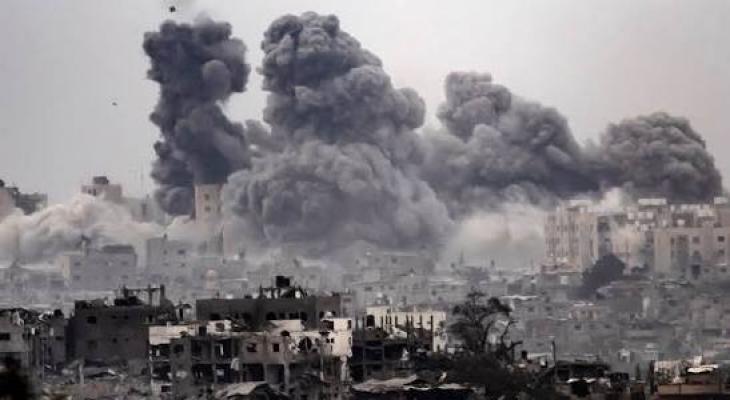
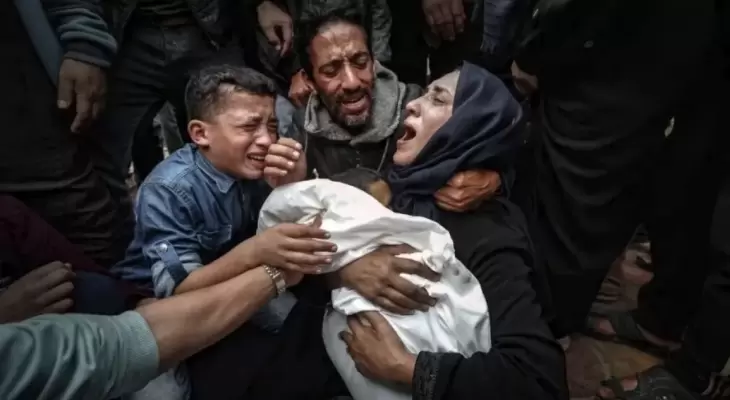
 The Gaza Inferno
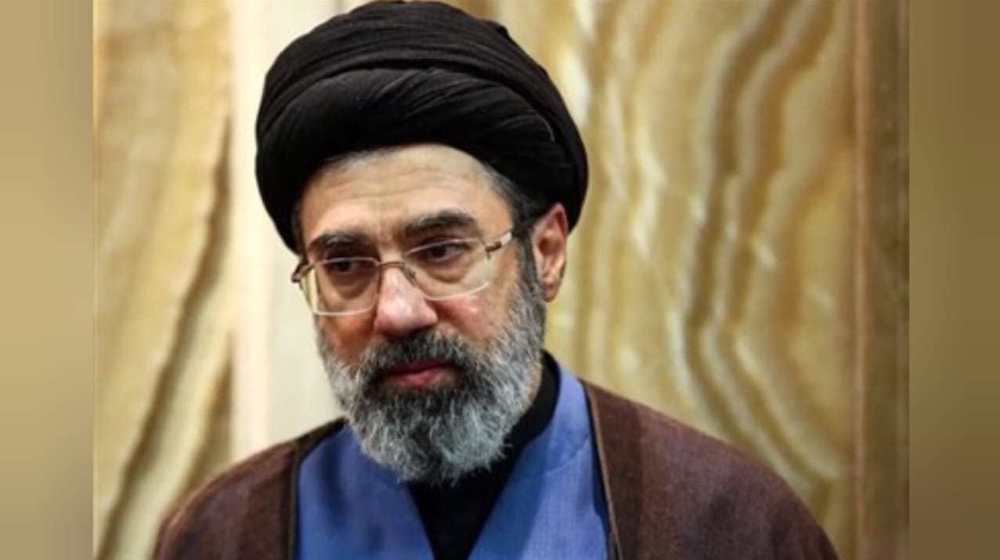
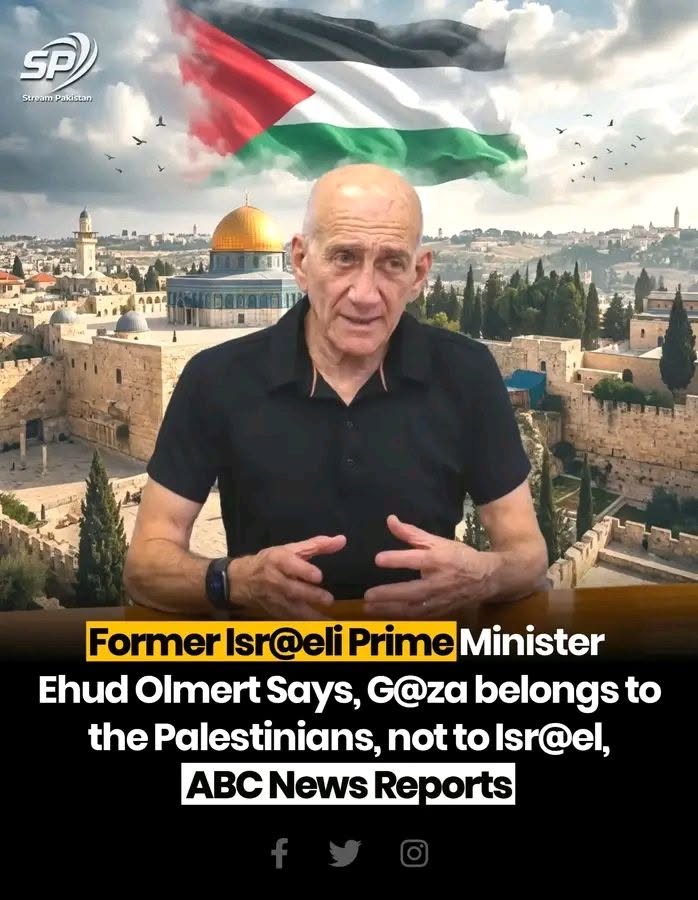 Ehud Olmert: Gaza Belongs to The Palestinians
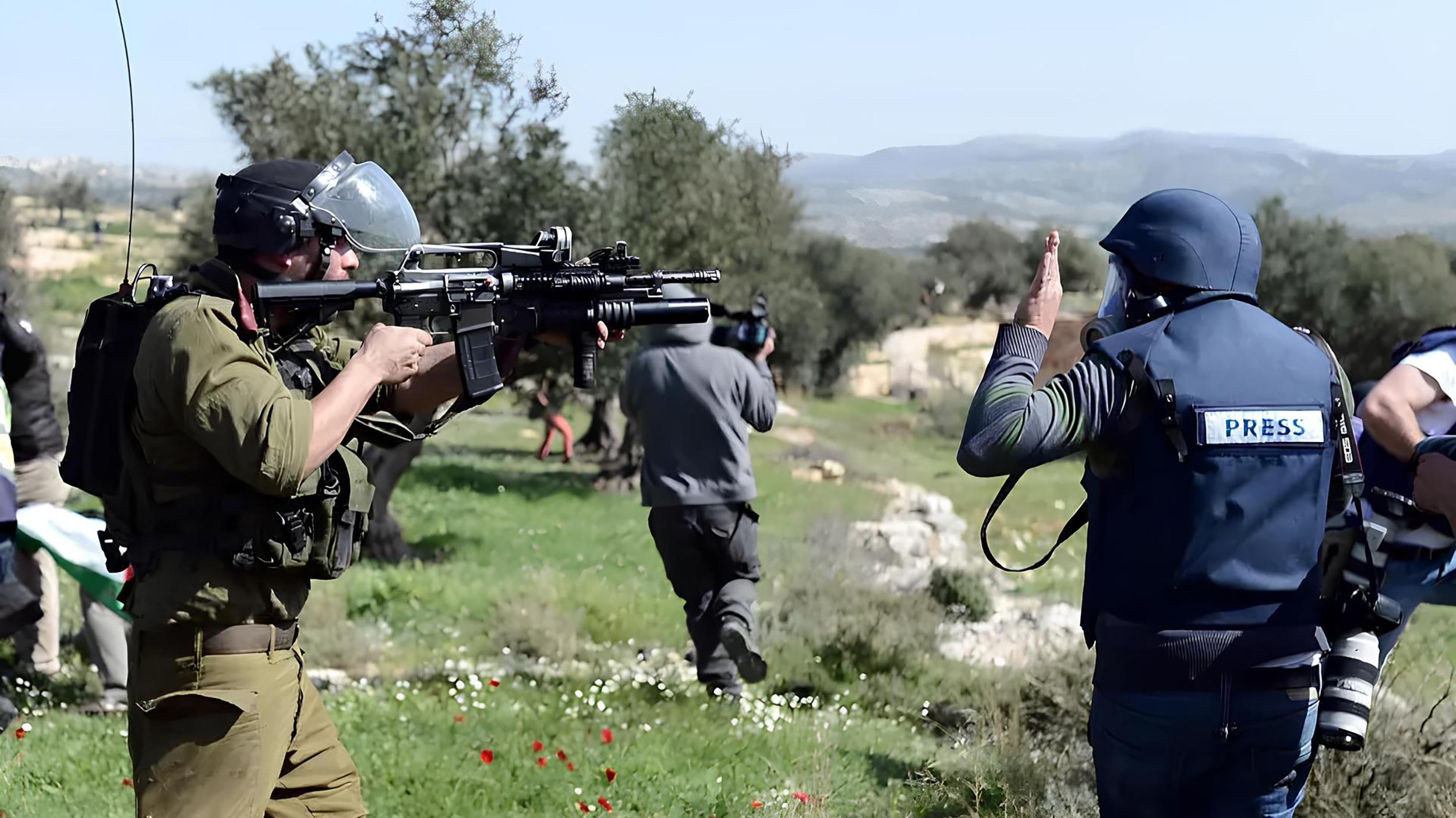
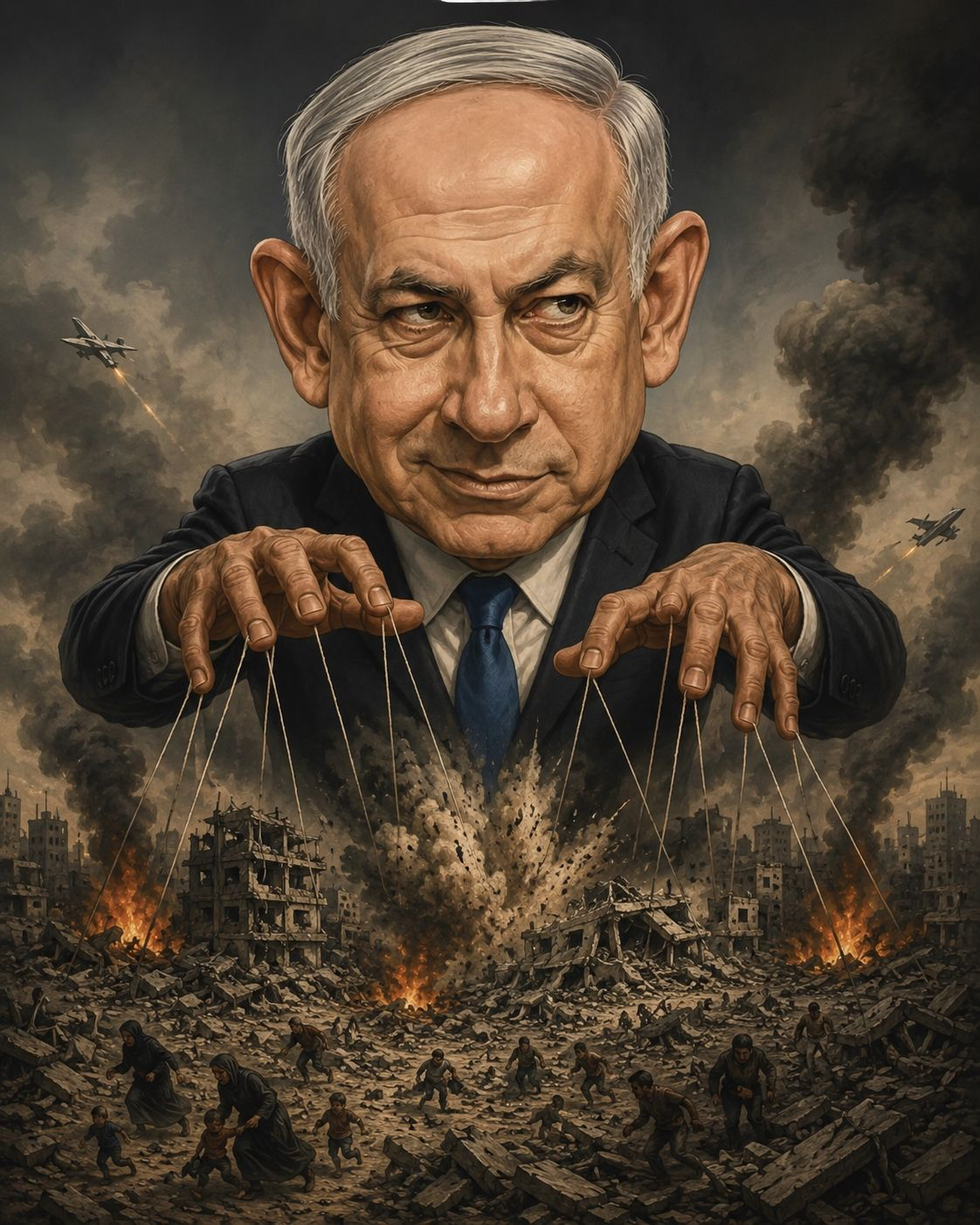
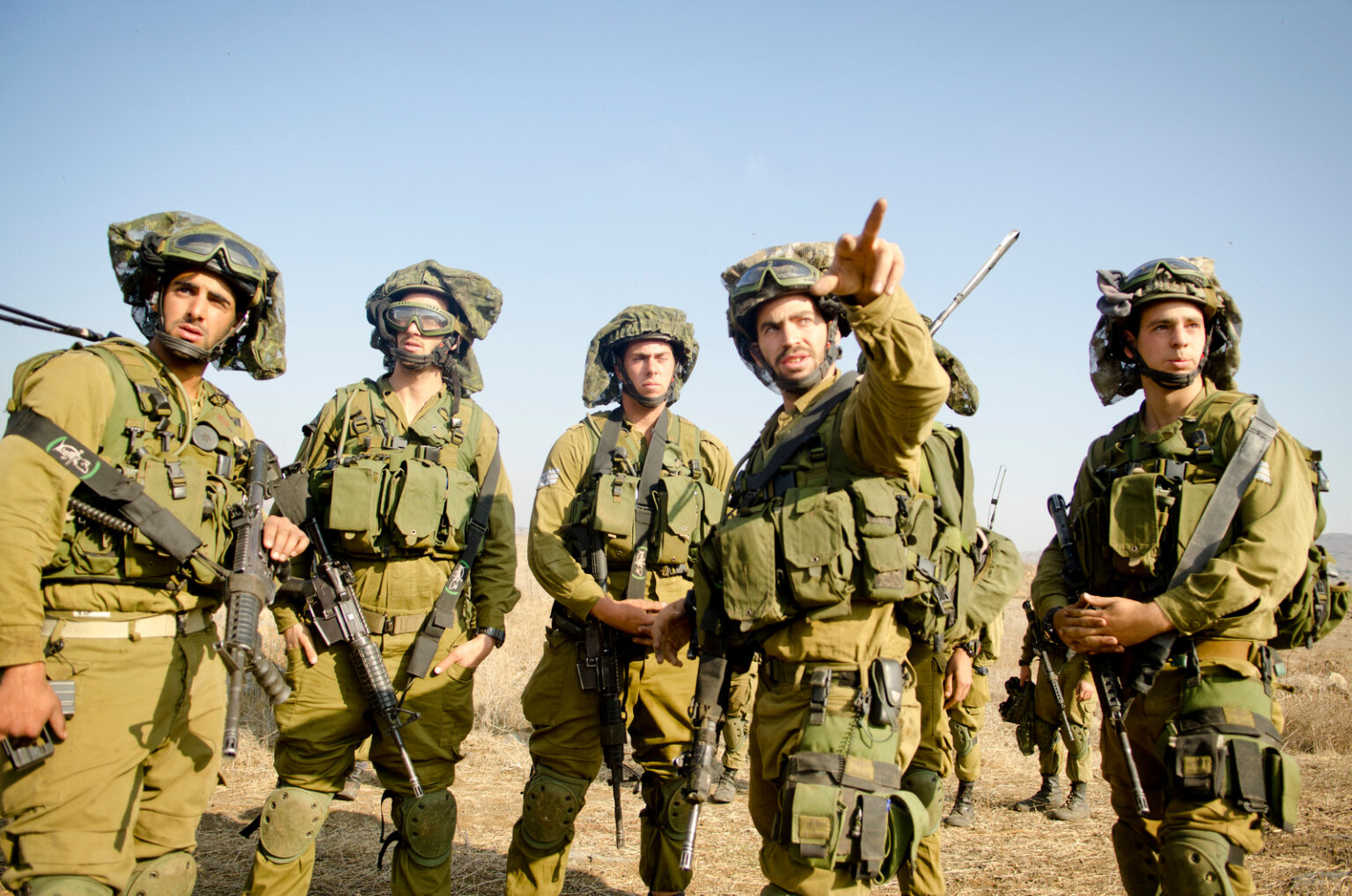 300 Israeli Soldiers Call For an End of ‘Settler Terrorism’
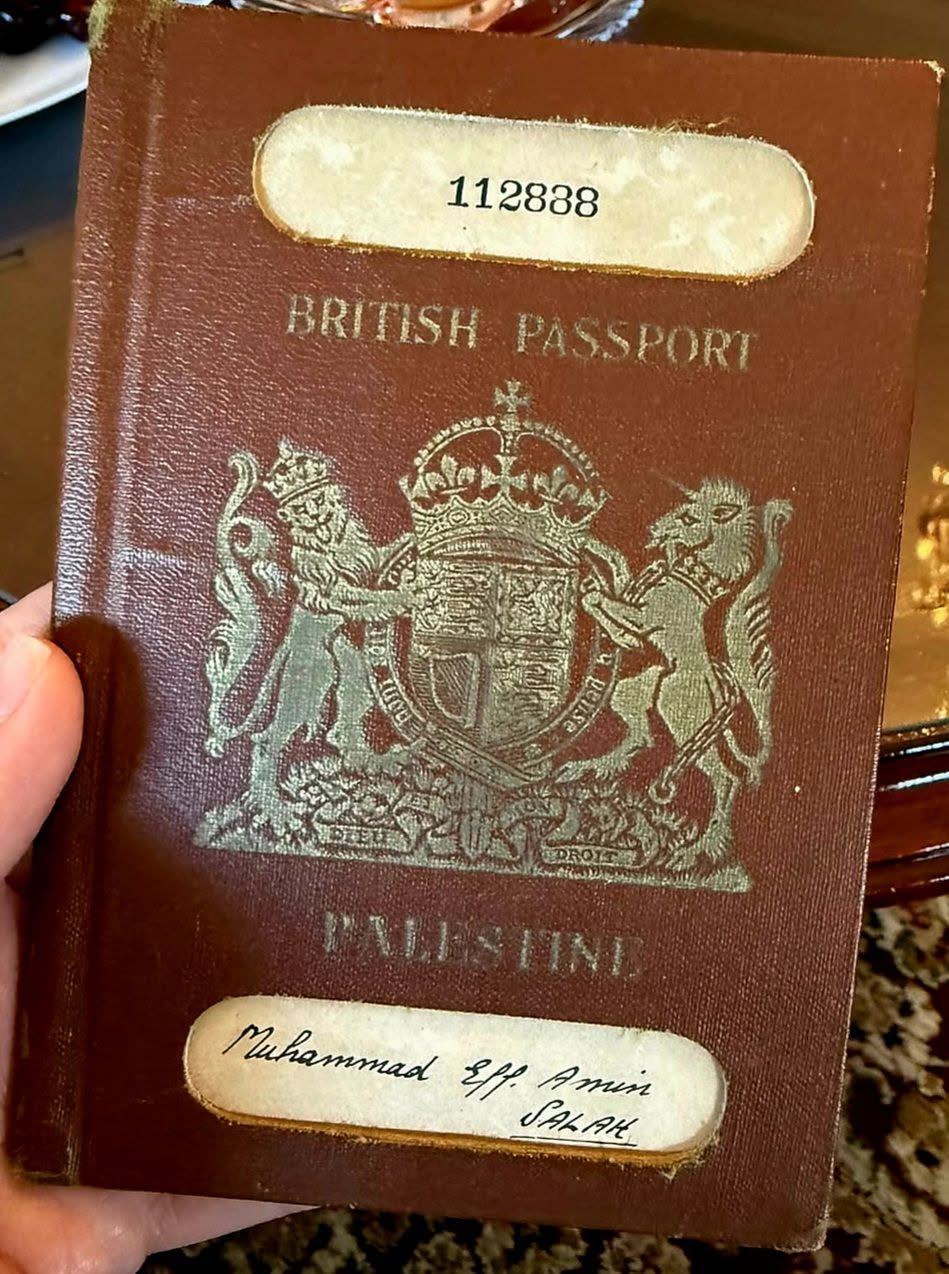


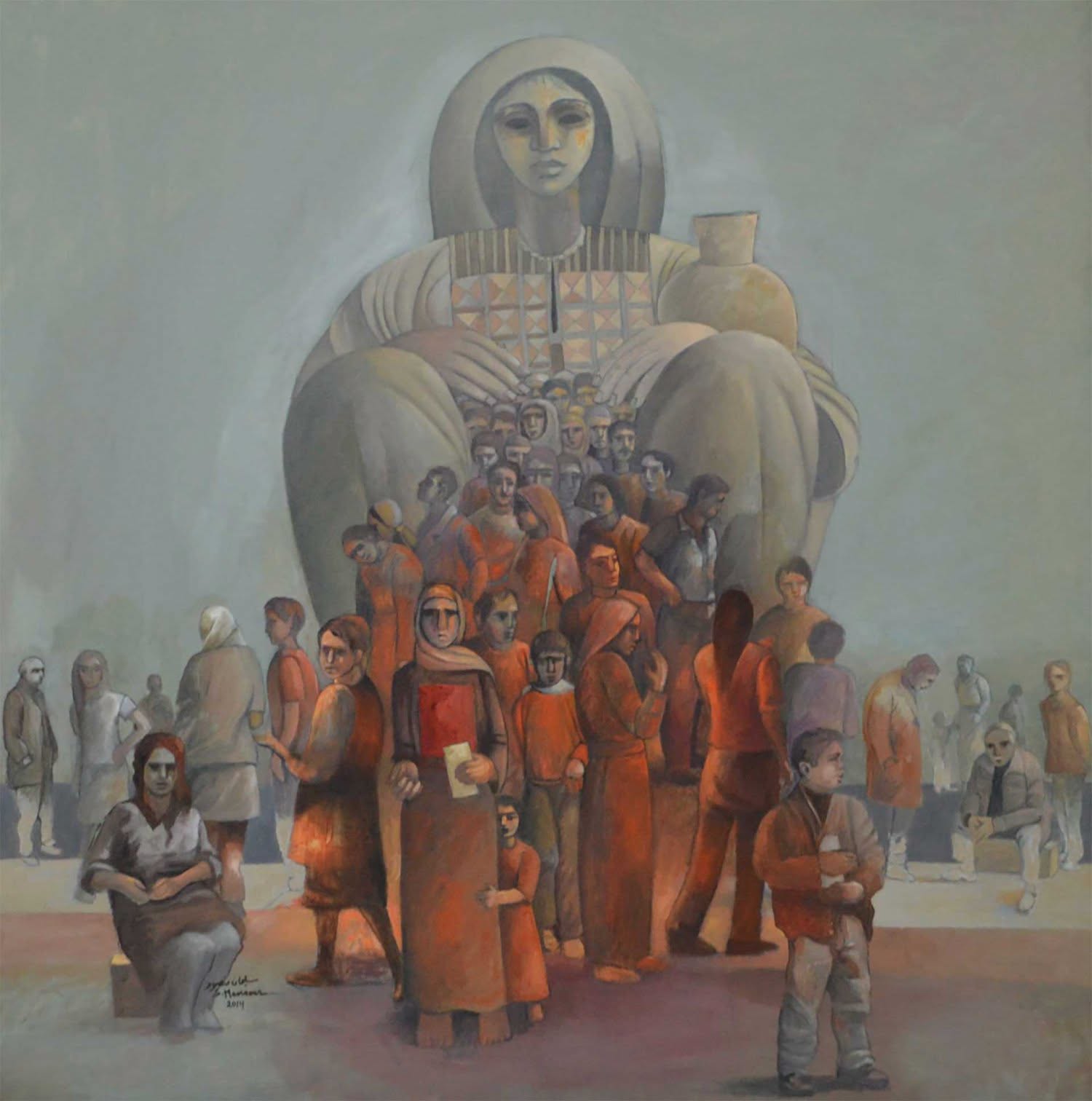
Palestinian House, Palestinian Architecture
 CrossFireArabia
- August 13, 2026
 CrossFireArabia
 marwanmarwanCrossFireArabiamarwan
 HebaCrossFireArabiaCrossFireArabiaCrossFireArabiaHebamarwanCrossFireArabiamarwanHebaCrossFireArabiaHebamarwanmarwanCrossFireArabiamarwanmarwanmarwanmarwanmarwanmarwanmarwanmarwanmarwanCrossFireArabiaCrossFireArabiamarwanmarwanCrossFireArabiaCrossFireArabiamarwanCrossFireArabiamarwanHebaHebamarwanmarwanCrossFireArabiamarwanmarwanmarwanmarwanCrossFireArabiaCrossFireArabiamarwanmarwanmarwanCrossFireArabiamarwanmarwanmarwanmarwanmarwanCrossFireArabiamarwanmarwanmarwanmarwanCrossFireArabiamarwanmarwanmarwanmarwanmarwanmarwanmarwanmarwanmarwanmarwan
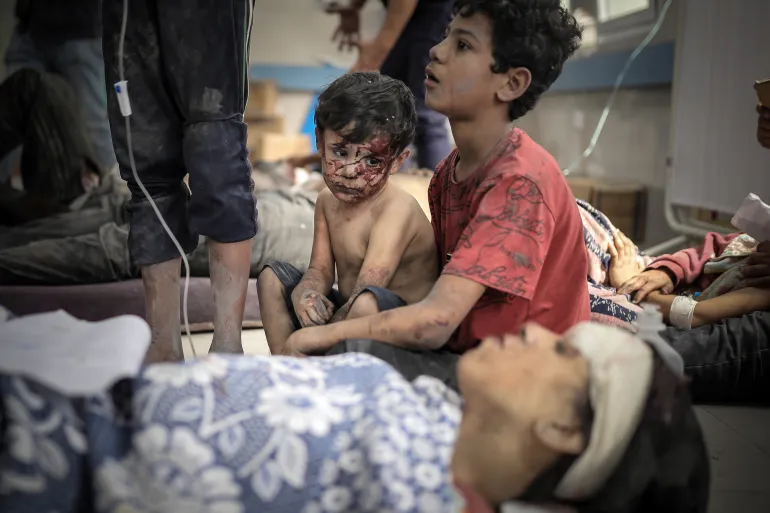
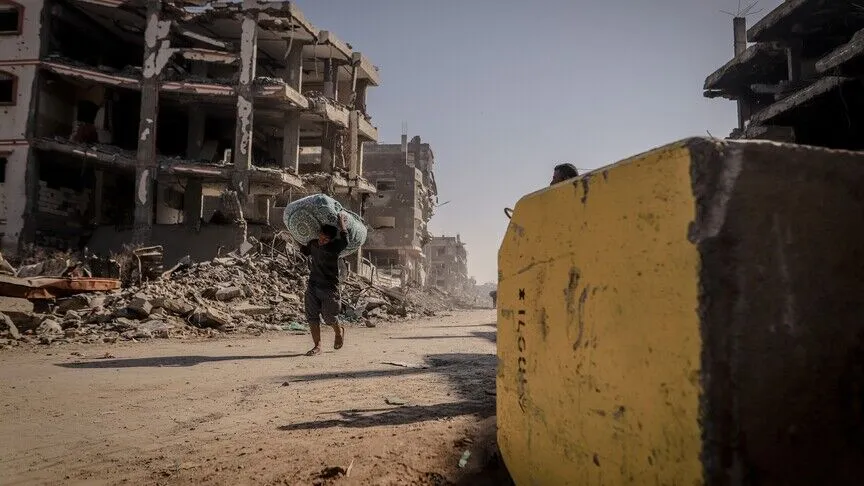
CROSSFIREARABIA – The Health Ministry in Gaza City, stated Thursday, the number of people killed by Israeli gunfire since the 10 October, 2025 ceasefire stands at 1214. This is while the number of injured increased to 3977 and 804 bodies have been recovered from under the rubbles. It added the total number of those killed since 7 October, 2023, today stands at 73,341 and the number of those injured at 73,341.
marwan
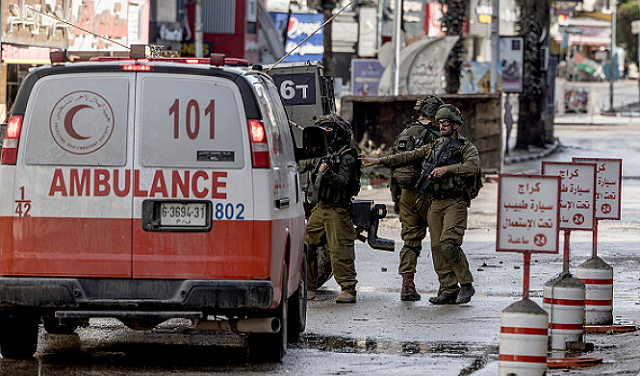
The coordinated actions to dismantle the International Criminal Court (ICC) and hinder its jurisdiction are deeply troubling and signal a dangerous path forward. This trend has become apparent with Venezuela and Chad announcing plans to withdraw from the Rome Statute. This occurs alongside clear US incitement efforts against the Court, including sanctions on its officials, and the European state parties’ lack of substantial action on arrest warrants for Israeli officials.
These actions risk undermining the international criminal justice system and depriving victims of international crimes of one of the few remaining accountability mechanisms, thereby entrenching impunity for perpetrators and providing political and legal cover for ongoing grave violations of international law.
Euro-Med Human Rights Monitor expresses deep concern over the Chadian government’s announcement that it has begun the process of withdrawing from the ICC. This comes shortly after Venezuela notified the United Nations of its withdrawal, following similar notifications from Niger, Mali, and Burkina Faso. These actions indicate a concerning trend of countries moving away from the Rome Statute, both within and outside Africa.
Chad plays a crucial role in Darfur investigations because of its direct border with the region and its large refugee, survivor, and witness populations. It has also recently supported ICC teams in documenting crimes. Although Chad’s withdrawal does not legally remove the Court’s jurisdiction over Darfur crimes, it may significantly hinder access to victims and evidence and impede cooperative efforts.
Additionally, Venezuela’s decision is especially significant because it occurs during an active investigation by the Court into alleged crimes against humanity since April 2017. This investigation involves suspected state security forces, civilian authorities, and pro-government actors. There are serious concerns that the withdrawal might be used as a tool to hinder cooperation and reduce chances of holding accountable those responsible for the crimes under investigation.
Venezuela and Chad’s simultaneous withdrawal decisions, along with similar actions by other states, reveal a coordinated effort to weaken the Court through two main strategies. The first involves a fierce campaign led by the United States with Israeli backing, employing sanctions, threats, and public rhetoric to encourage states to withdraw. The second consists of internal weakening tactics by state parties’ governments, such as withdrawing during investigations, ignoring cooperation duties, or selectively enforcing decisions while refusing to arrest or surrender wanted individuals.
Washington’s welcoming of Venezuela and Chad’s withdrawals on 25 and 27 July are part of a broader campaign, announced by US Secretary of State Marco Rubio on 13 July, aimed at dismantling the Court.
The successive withdrawals primarily harm the victims by limiting their access to justice, rather than penalising the Court as an institution. This situation gives perpetrators of international crimes more room for impunity, especially when there are no effective, independent national judicial alternatives.
The criticisms levelled at the ICC regarding slow procedures, selectivity in case handling, and limited outcomes, particularly concerning crimes committed outside Africa, are legitimate and demand serious structural reforms to strengthen the Court’s independence, efficiency, and consistency. However, addressing these shortcomings must not be done by dismantling or withdrawing from the Court, but by reforming it, enhancing its effectiveness, and ensuring it exercises its jurisdiction free from political interference or selectivity.
Past operational failures should not justify undermining the Court’s authority. The bias within the international justice system highlights the need to reform accountability mechanisms and broaden their scope, rather than weakening the few tools available to hold perpetrators of the gravest international crimes accountable.
Euro-Med Monitor points out the irony of the US administration exploiting African concerns about ICC selectivity while simultaneously intensifying its campaign against the international judicial system. This escalation is mainly due to the Court’s expanded reach to include officials in Israel, a key US ally.
Washington’s imposition of financial sanctions and travel restrictions on the ICC Prosecutor, judges, and deputy prosecutors due to their work on cases involving US and Israeli officials represents a blatant interference in the independence of international justice. These measures not only intimidate Court staff and block access to vital financial and technical resources but also discourage banks, corporations, organisations, and experts from cooperating, which hampers investigations, delays enforcement of decisions, and limits victims’ access to justice. Moreover, it sets a dangerous precedent that allows powerful states to penalise international justice whenever it targets their officials or allies, thereby broadening impunity.
On 21 November 2024, the ICC Pre-Trial Chamber I issued arrest warrants for Israeli Prime Minister Benjamin Netanyahu and former Defence Minister Yoav Gallant, after judges found reasonable grounds to believe they are criminally responsible for war crimes and crimes against humanity in the Gaza Strip.
Both arrest warrants remain in effect and must be obeyed by the parties involved. The argument that the Court lacks jurisdiction because Israel is not a signatory to the Rome Statute is unfounded, as jurisdiction is based on crimes committed within the territory of the State of Palestine, a member state. This covers the Gaza Strip, the West Bank, and East Jerusalem. Therefore, Israel’s non-acceptance of the Rome Statute does not exempt its officials from accountability for crimes allegedly committed on the land of a party state.
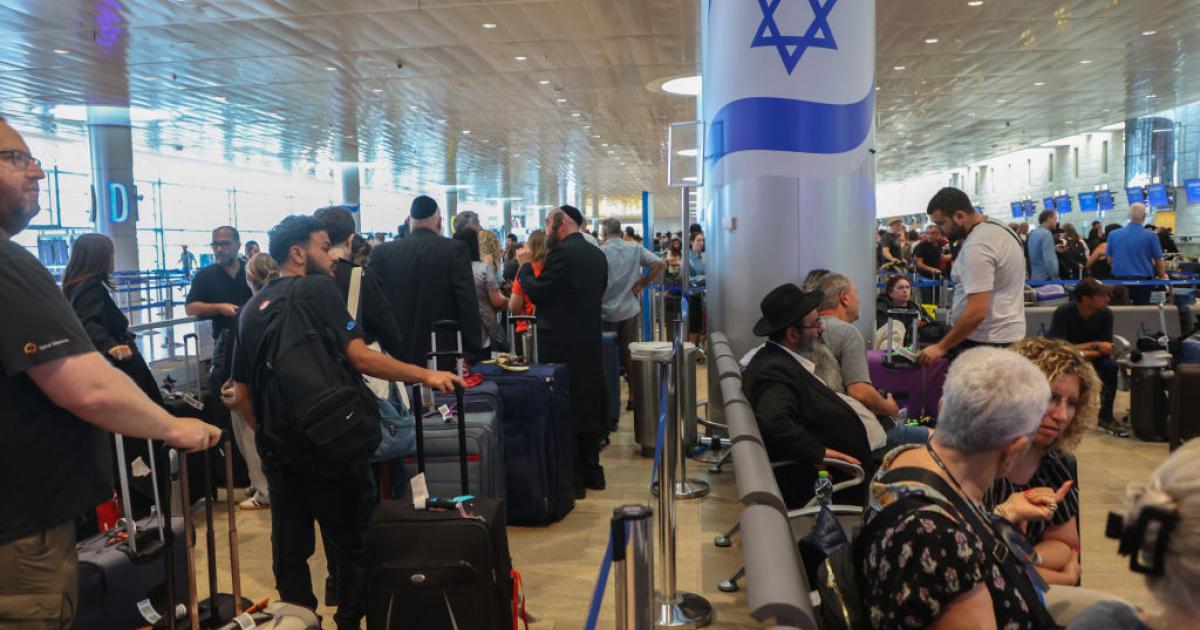
The fact that Greece, Italy, and France permitted a government aircraft carrying Israeli Prime Minister Benjamin Netanyahu to fly through their airspace during his recent trip to the United States, despite all three being state parties to the Rome Statute and aware of the active arrest warrant against him, raises serious questions about whether this conduct aligns with their legal duty to cooperate in good faith with the Court and to refrain from undermining its decisions.
Granting prior airspace transit was not compulsory for these states; it was a sovereign choice they could refuse. This decision allowed an individual wanted by the International Criminal Court on suspicion of war crimes and crimes against humanity to pass, which undermines the purpose of the arrest warrant. It also highlights a contradiction: while these states publicly support legal obligations, their actions of helping wanted persons evade arrest contradict their stated commitments.
The European Union’s political backing for the Court diminishes in credibility and practical value when member states allow a judicially wanted official to transit through their territories, instead of denying transit permissions and using their authority to prevent their territories from being used to evade arrest warrants.
Euro-Med Monitor emphasises that Greece, Italy, and France need to give clear legal reasons for granting transit permissions. It is essential to adopt strict, clear protocols to prevent facilitating the movement of wanted persons and ensure their rapid arrest and surrender to the Court if they enter or land in these countries, in line with their obligations under the Rome Statute.
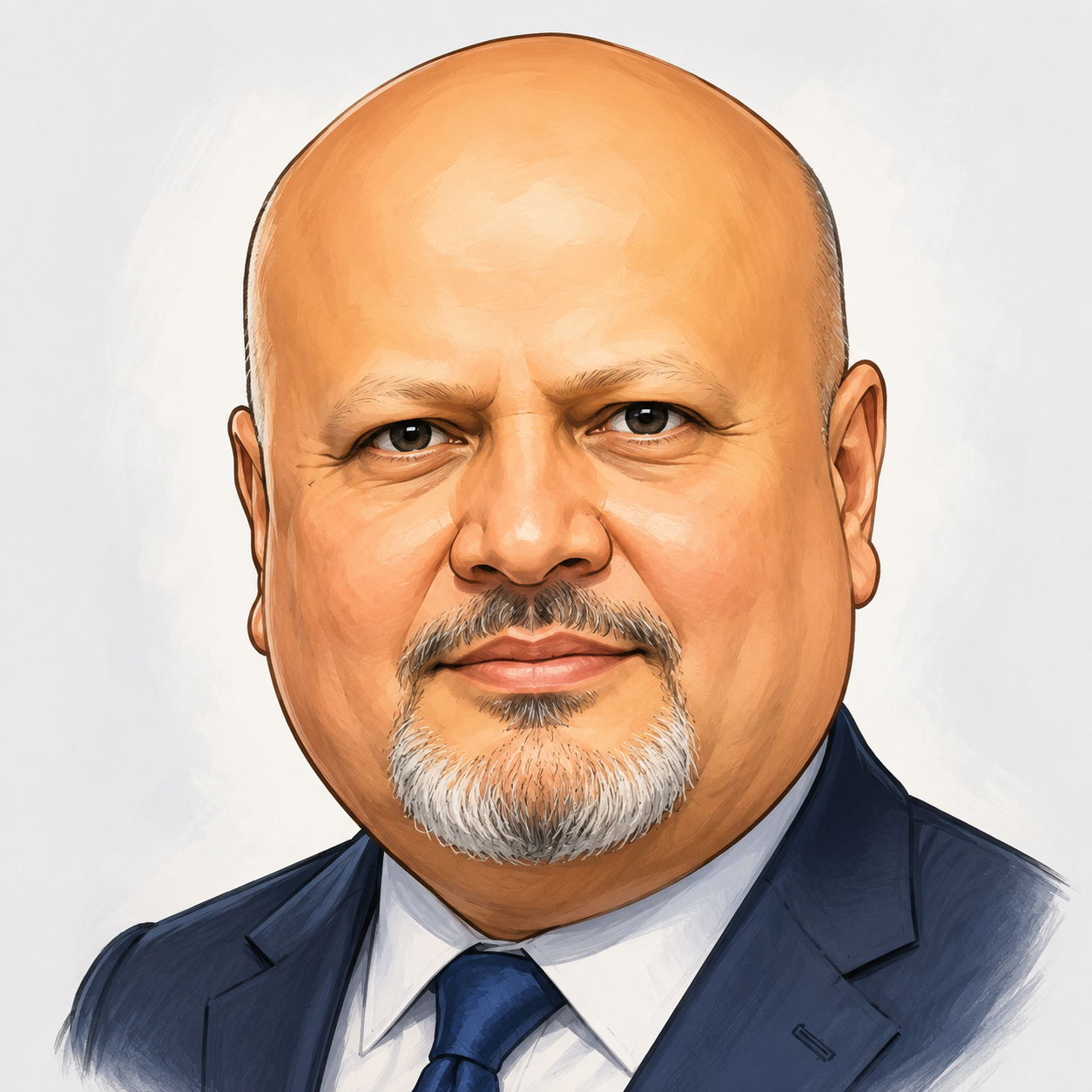
It is important to clearly separate proceedings related to the ICC Prosecutor Karim Khan’s personal and professional conduct from the Court’s judicial decisions. The process of dismissing or investigating Khan is a separate institutional matter and does not affect the legality of the arrest warrants.
Holding any Court official accountable for misconduct, when proven through independent, fair procedures that ensure the rights of all involved parties and safeguard whistleblowers and victims, is an institutional obligation that upholds the Court’s integrity without threatening its independence. Using individual accountability as a reason to discredit ongoing investigations or nullify independent judicial rulings is unacceptable.
Euro-Med Monitor rebukes any attempts to leverage Khan’s case to challenge the investigation into the situation in Palestine or the arrest warrants for Netanyahu and Gallant. The warrants were not issued by the Prosecutor in his personal capacity, but by an independent Pre-Trial Chamber that determined, following an evaluation of prosecution submissions, that there were reasonable grounds to believe both individuals bear criminal responsibility for crimes within the Court’s jurisdiction. Consequently, the enforceability and legal validity of the warrants do not depend on Khan remaining in office.
The removal of the Prosecutor does not disrupt the Court’s legal or institutional continuity, nor does it invalidate ongoing investigations or active arrest warrants, including those related to Palestine and Venezuela. Additionally, it does not absolve state parties from their obligation to cooperate fully with the Court and enforce its judicial orders.
A transparent, independent, and competitive process is crucial for selecting a new Prosecutor. This process should be based on clear public criteria for competence, integrity, and experience, ensuring candidates undergo rigorous professional and ethical assessments. It must also shield the selection from political influence and conflicts of interest. The Court must guarantee continuous progress on all cases without delays or bias, avoiding the transitional period being used to disrupt investigations or expose them to pressure from the US and Israel, which could undermine accountability.
Concerning the legal consequences of the withdrawals, notifications from Chad and Venezuela to begin withdrawal procedures do not cause an immediate departure from the Rome Statute. Article 127 states that a withdrawal becomes effective one year after the UN Secretary-General receives written notification, unless a later date is specified. Until that time, both countries remain state parties with legal obligations, including cooperating with the Court and fulfilling its requests.
Venezuela’s withdrawal, even after it takes effect, does not remove the Court’s jurisdiction over crimes committed while the Rome Statute was in force for the country. It also does not end ongoing investigations or cancel cooperation obligations related to proceedings started before the withdrawal became effective. Similarly, Chad’s withdrawal does not impact the Court’s jurisdiction over Darfur crimes or disrupt cooperation processes initiated during its membership. Withdrawal does not erase individual criminal responsibility nor stop the Court from considering issues submitted before it officially took effect.
Chad, Venezuela, Niger, Mali, and Burkina Faso should reverse their withdrawal decisions, retract their notifications before they become effective, uphold their legal commitments, and collaborate with other States Parties to reform the Court and address operational issues, rather than undermining the international criminal justice system and depriving victims of one of the few accountability tools available.
Concerned states should fully cooperate in relevant cases and investigations. This includes allowing Court investigators access to victims, witnesses, information, and evidence, while ensuring the protection of victims and witnesses and the preservation of evidence. States must also avoid using withdrawal procedures that could hinder investigations or reduce accountability for international crimes within the Court’s jurisdiction.
The United States should stop its efforts to dismantle the Court and lift any financial sanctions and travel restrictions imposed on its judges, prosecutors, and associates. EU member states and other allies need to work together to implement legal, financial, and technical strategies that protect the Court and its personnel from sanctions and political influence, so it can continue to utilise the necessary services and resources to fulfil its responsibilities.
European state parties to the Rome Statute should turn their support for the Court into tangible actions by refusing to accept wanted individuals or allow their transit through their airspace. They must also ensure the arrest and surrender of such individuals on their territories, adhering strictly to legal obligations, including executing arrest warrants for Netanyahu and Gallant without bias or political influence.
Euro-Med Monitor calls on state parties to review national legislation and adopt clear, binding protocols for executing arrest and surrender requests, as well as for handling transit, landing, and official visit requests by wanted individuals, thereby preventing procedural loopholes from being exploited to protect them.
It is vital to persist in investigating the situation in the State of Palestine, covering crimes in the Gaza Strip, the West Bank, and East Jerusalem. This includes executing arrest warrants for Netanyahu and Gallant without bias or political influence and rejecting any efforts to interfere with or alter the investigation’s direction or priorities.
Euro-Med Monitor calls on the Assembly of States Parties to ensure a transparent, independent, and competitive process for choosing and electing the new Prosecutor. This process should be based on published criteria for competence, integrity, and experience, with candidates undergoing comprehensive professional and ethical evaluations. It is also essential to disclose the selection procedures, prevent political interference and conflicts of interest, and thereby protect the independence of the Prosecutor’s Office. These measures are vital for maintaining the trust of victims and Court staff, and for ensuring ongoing investigations.
National judicial authorities should invoke universal jurisdiction as per their national laws, initiating independent investigations into international crimes and prosecuting suspects when jurisdiction is applicable. This approach broadens accountability opportunities beyond just the International Criminal Court. Euromedmonitor
marwan
Reposted by Mahmoud Zayed friends of Sliman Mansour, the great Palestinian painter whose website is slimanmansour.com.
marwan
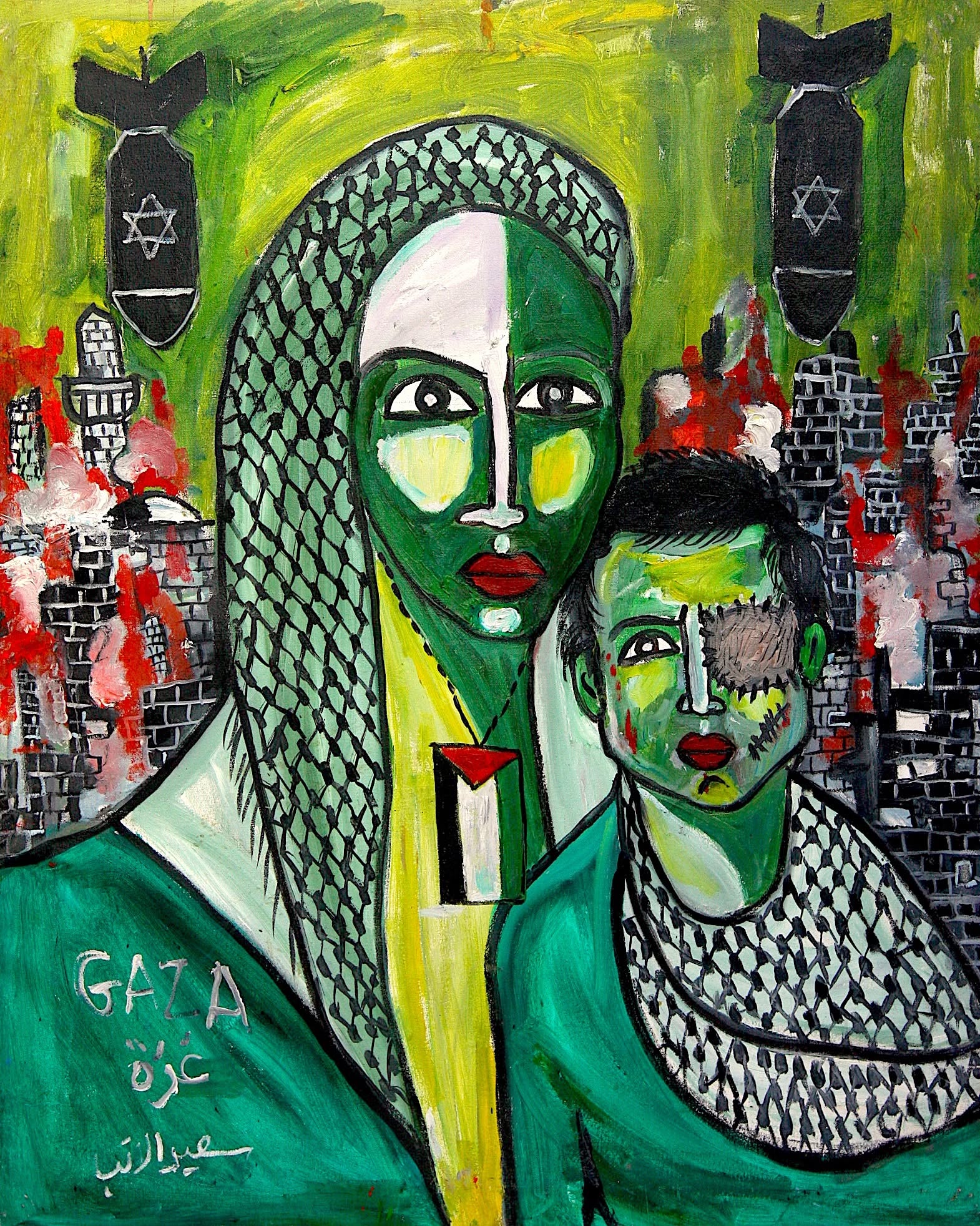
Azza Hassan from Gaza:
A gypsy of beginnings,
Unbound by direction,
Her hair is
A forest unleashed from the wind’s grasp,
Learning from the trees
How to love resilience.
Around her neck, she places
A circle of salvation
Colorless,
Transforming
When night approaches
And when day remembers its name.
Jasmine
Does not guide her steps,
But apologizes to her
Each time she passes.
In her bosom,
Ancient copper
Preserves the warmth of her first fingers,
And at her extremities,
A dove,
Weighed by waiting, became a white shadow
That does not fly.
From a fabric that knows no wear and tear, she wove her Kufic shawl,
And from her presence,
The moon shone
As if it had learned light late.
Her voice
Is not an ordinary voice,
It is the lullaby of memory
When it soothes its wound,
The birds sing
Without knowing why. In June
— When time grieves —
And hearts beat
To an ancient rhythm,
And love ascends
Barefoot to the meadows.
There
Was a boy
The color of shyness,
With eyes yet unawakened
He bent over the last line
And did not write her name,
But left a mark
Resembling home
When it is hidden in the heart
And leaves a scar
A deep, gaping scar
That spreads its pain in the ribs
And spreads across the body
For the soul to follow
It prevents it from yearning and revealing