First Week of War on Iran Costs The USA $6 Billion

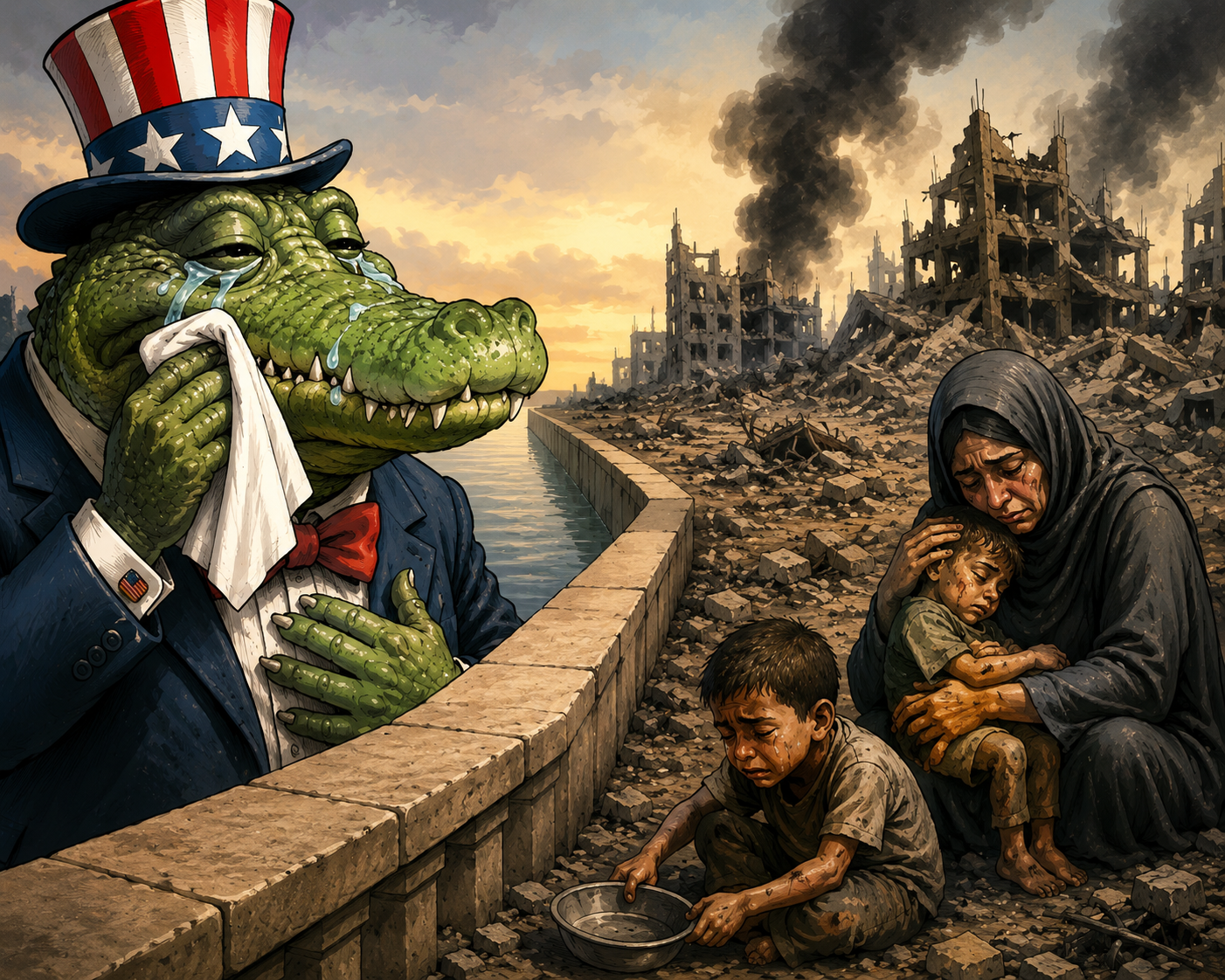
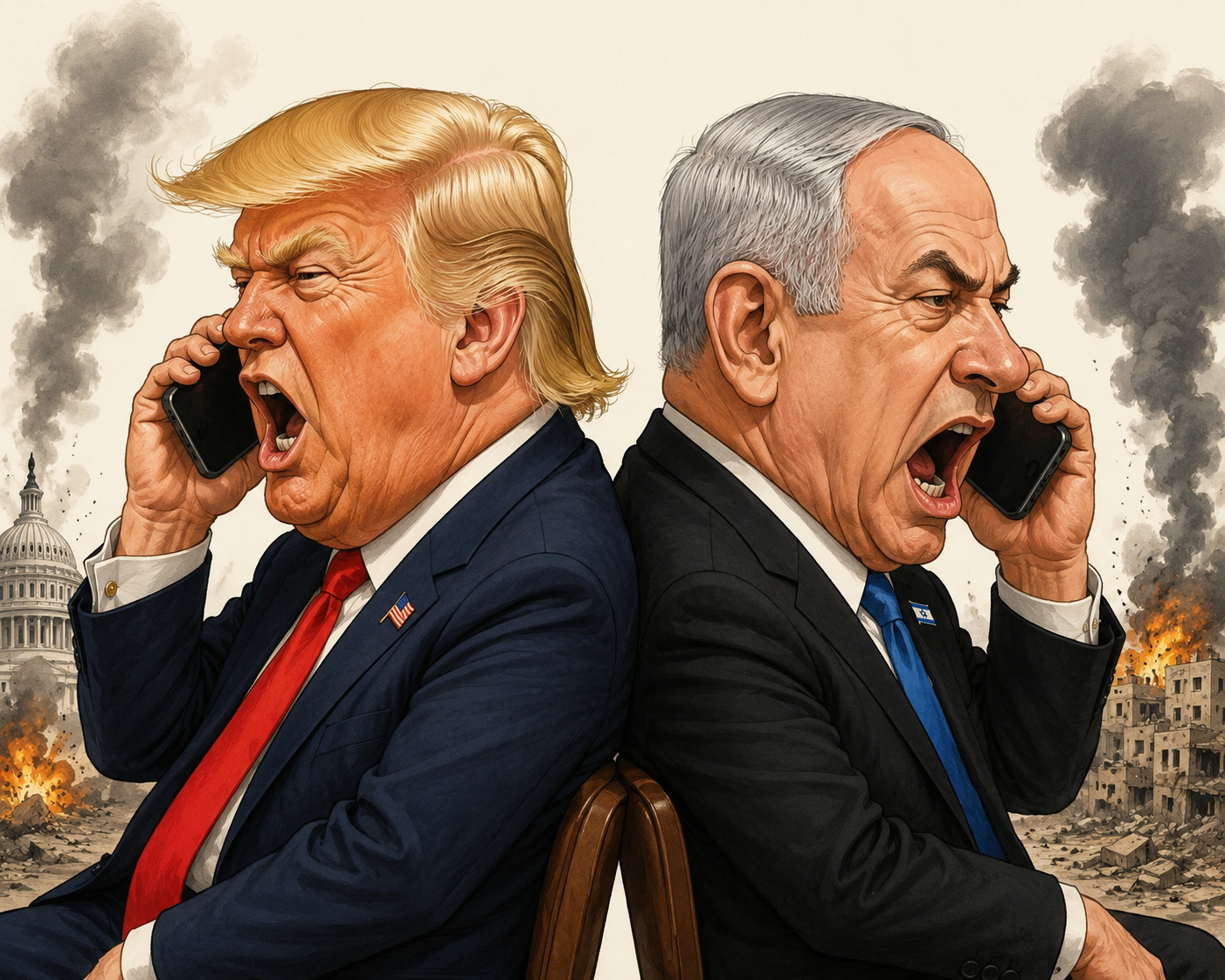
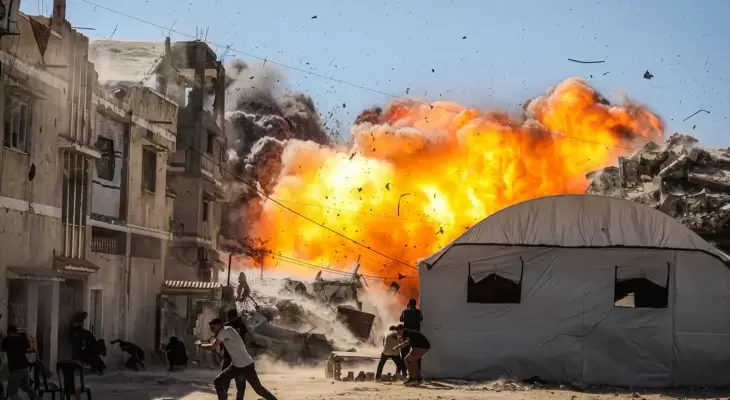
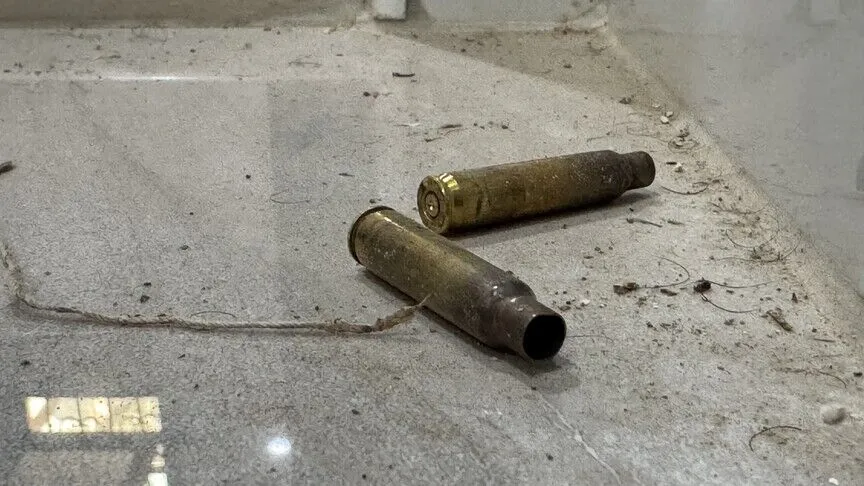
The first week of the US military campaign against Iran has cost roughly $6 billion, Pentagon officials told Congress, with about $4 billion spent on munitions and advanced missile interceptors.
According to the New York Times, about $4 billion of that total alone was spent on munitions expenditures and advanced interceptors designed to shoot down Iranian missiles.
According to the American daily, about 4,000 Iranian targets have been struck, including missile launchers, naval vessels, and air defenses, significantly eroding Tehran’s ability to retaliate.

Adm. Brad Cooper, head of US Central Command (CENTCOM), said Iran’s ballistic missile launches have dropped 90% since the first day of fighting, while drone attacks are down 83% as reported in The figures were disclosed during discussions in Congress this week, where senior defense officials also indicated that further funding will be required to sustain operations and replenish depleted stockpiles according to Anadolu.

Yet the country retains a formidable weapons arsenal, including an estimated 50% of its missile program.

Rising costs and budget concerns

Lawmakers are bracing for a supplemental budget request from the administration in the coming weeks.

The rapid expenditure has drawn scrutiny from both sides of the political aisle.

Critics argued that costly interceptors, some worth millions of dollars each, are being consumed at rates that could strain the US defense industrial base and leave shortfalls in other strategic theaters.

The war erupted with joint US and Israeli strikes against Iranian military targets, but the conflict has since widened across the Middle East, with Iran retaliating via ballistic missiles and drone barrages that require expensive defensive responses.

As debates over war funding intensify in Washington, Pentagon officials emphasized the need to maintain momentum against Iranian capabilities while balancing long‑term national defense priorities.

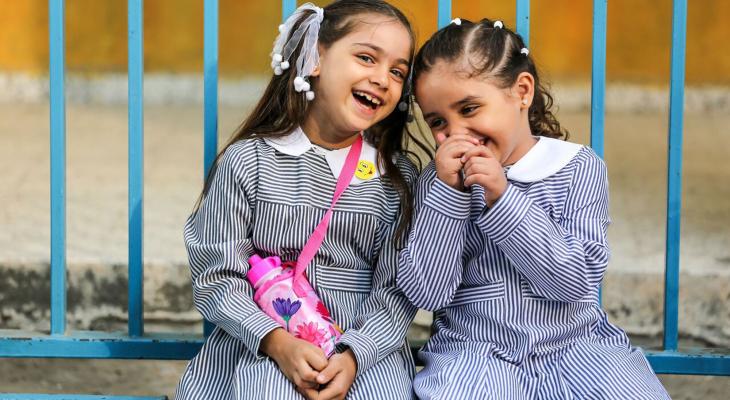
Tensions in the Middle East have escalated since the United States and Israel launched a large-scale attack on Iran on Feb. 28, killing more than 1,200 people, including Iranian Supreme Leader Ali Khamenei, over 150 schoolgirls, and senior military officials.

Iran has retaliated with sweeping barrages of its own that have targeted US bases, diplomatic facilities, and military personnel across the region, as well as multiple Israeli cities. The attacks have continued to escalate.

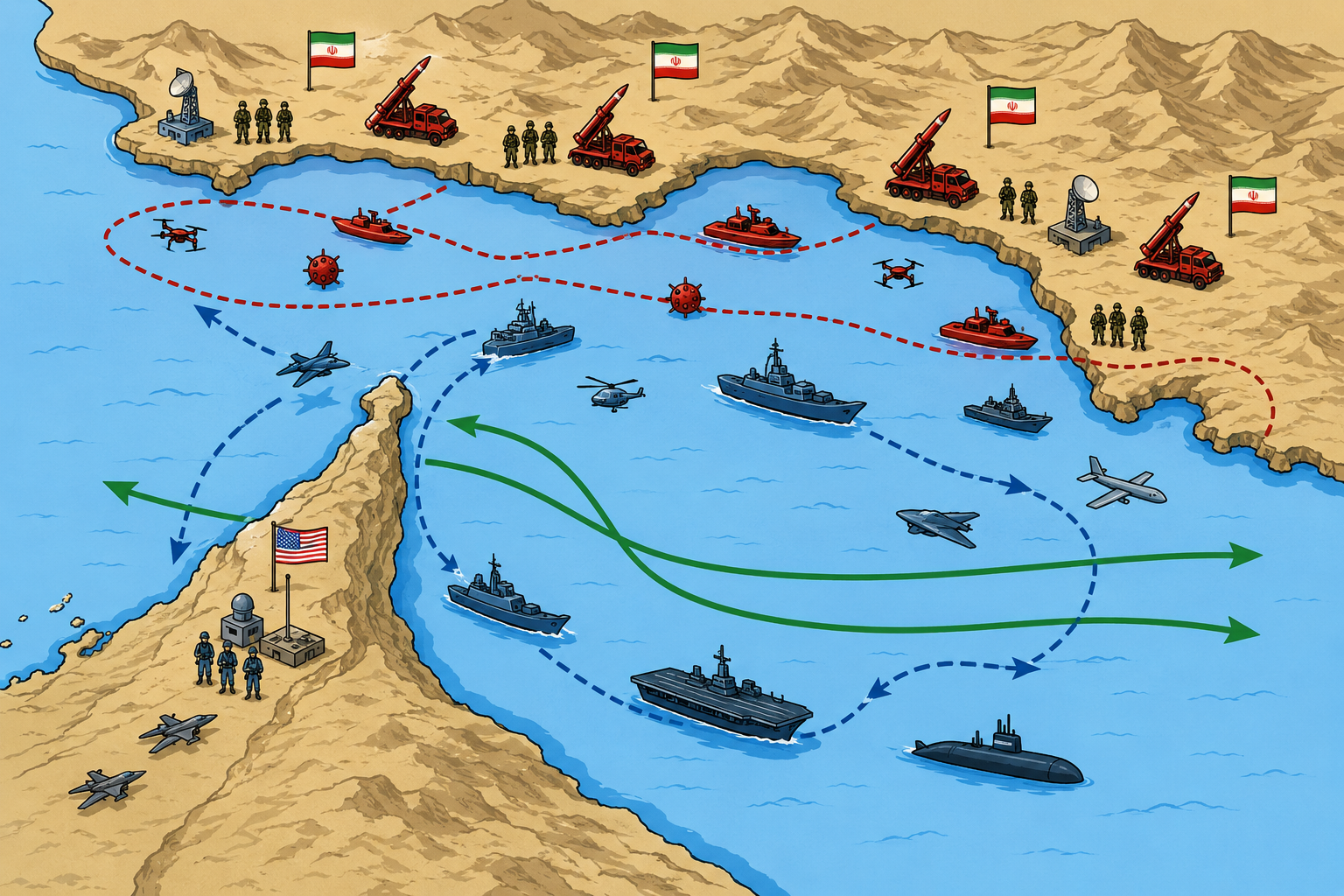
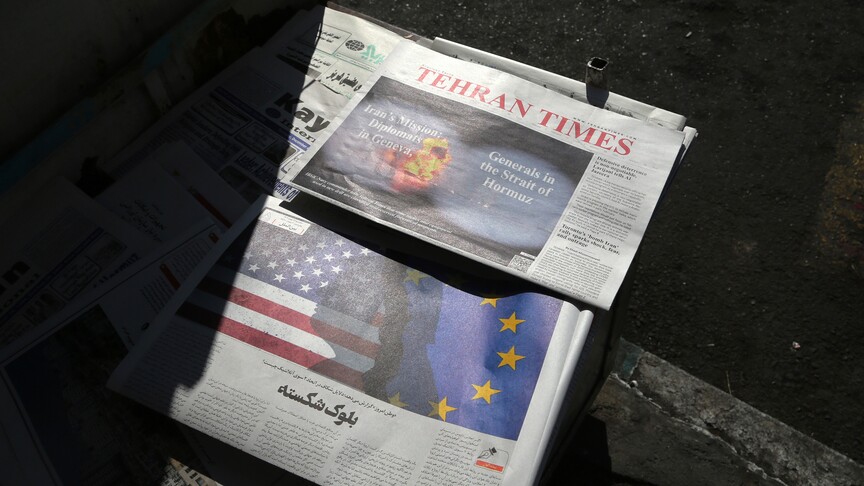
The conflict has raised concerns about global energy supplies amid a sharp drop in maritime traffic through the Strait of Hormuz, a key route that carries about 20 million barrels of oil daily.

Continue reading
Expert: Mojtaba Election Means More Escalation

Military and strategic expert Nidal Abu Zeid stated that the election of Mojtaba Khamenei to a prominent position within the Iranian decision-making apparatus is a clear indication of the escalating trend being pursued by the Iranian Revolutionary Guard Corps (IRGC) at present.

In a statement to Jordan 24, Abu Zeid explained that the developments on the ground that followed the announcement of Mojtaba’s appointment within hours—namely, the launching of missile barrages toward neighboring countries—reflect a direct message that the hardline military faction has seized control of the political and security landscape in Tehran.

He added that Mojtaba Khamenei, whose name rose to prominence during the events of 2009 when he played a key role in suppressing the protests led by the reformist movement known as the “Green Movement,” is known for his rigid approach to managing domestic affairs. He noted that at that time, Khamenei directly confronted reformist opposition leaders such as Mehdi Karroubi and Mir Hossein Mousavi.

Abu Zeid explained that this political history suggests Mojtaba may be heading towards managing Iran’s internal affairs with an iron fist, while dealing with regional and international issues with a more radical and hardline mindset, especially given the escalating regional tensions.

He pointed out that Mojtaba’s initial appearance in a position of power might witness a clear show of support from Revolutionary Guard generals and religious figures, a message reflecting the Iranian regime’s hardline establishment’s commitment to escalation on both the regional and international levels.

Conversely, Abu Zeid noted that the reformist movement’s stance within Iran remains unclear regarding this appointment, while Iranian social media platforms have begun to witness a significant wave of criticism. This reflects indications of popular rejection of the radical mindset’s dominance in running the state, particularly in light of what he described as the existential political and economic crisis the Iranian regime is currently experiencing.

Continue reading
Mojtaba Election in Iran as New Leader Irks Trump

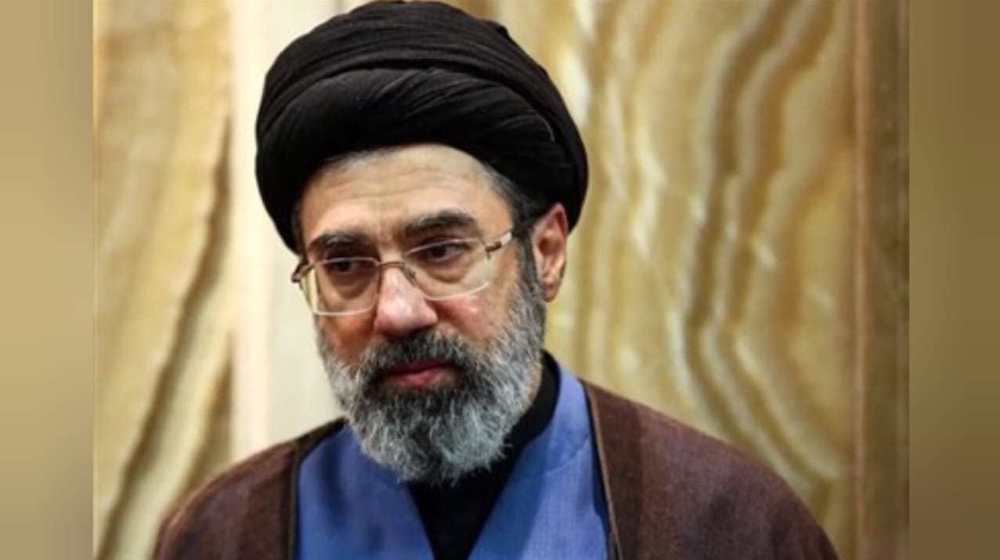
Ayatollah Seyyed Mojtaba Hosseini Khamenei has been elected the new Supreme Leader of the Islamic Revolution and the Islamic Republic of Iran.

Iran’s Assembly of Experts, a body of 88 clerics, on Sunday night officially appointed Mojtaba Khamenei, 56 years old, as the new Leader of the Islamic Revolution and the third Supreme Leader of the Islamic Republic of Iran. Mojtaba Khamenei is the son of martyred Supreme Leader Ayatollah Seyyed Ali Khamenei.

“By a decisive vote, the Assembly of ​Experts appointed Ayatollah Seyyed Mojtaba Hosseini Khamenei as the third Leader of the sacred system of the Islamic Republic of Iran,” the ​assembly said in a statement. Press TV.

Continue reading
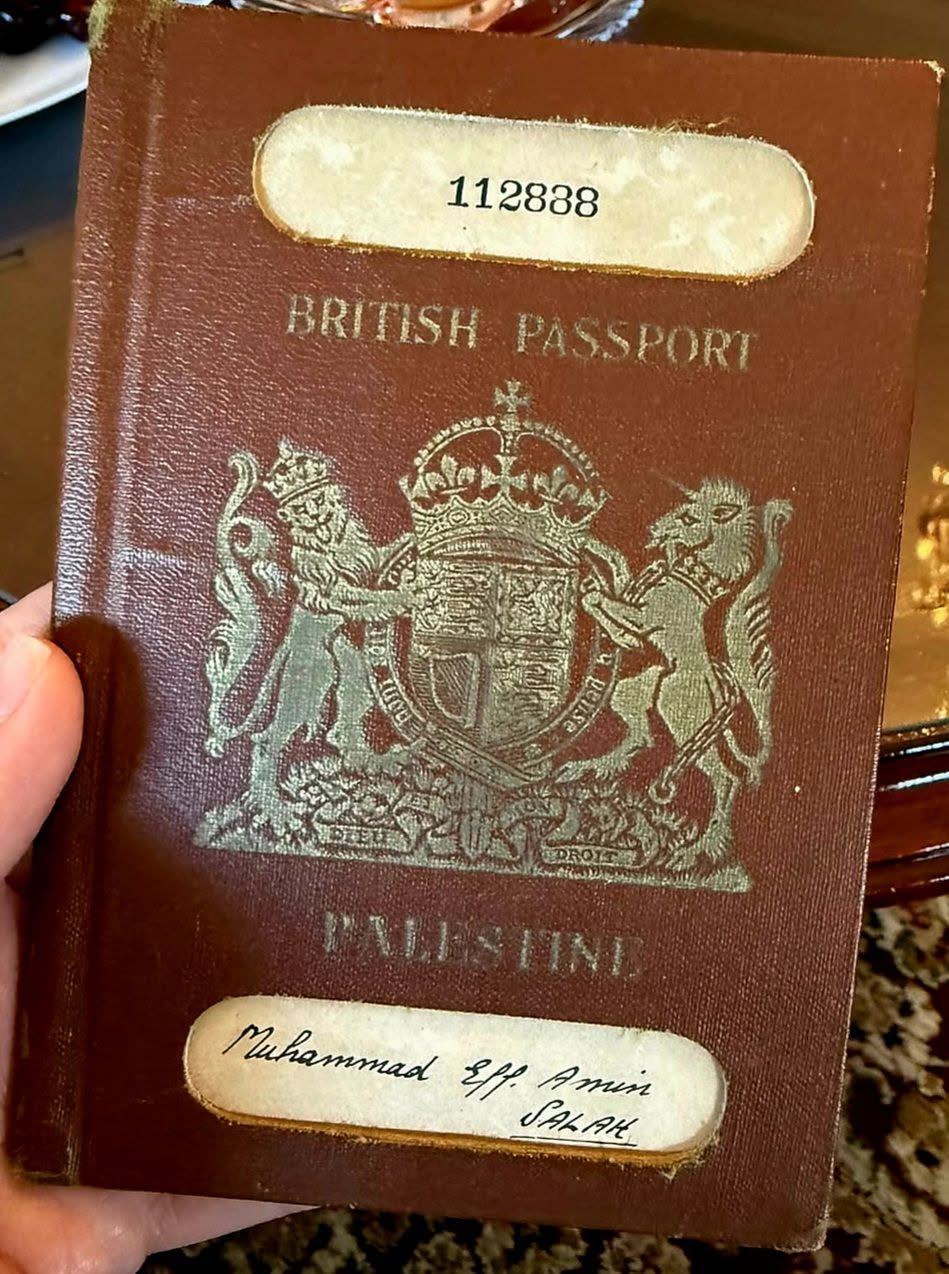
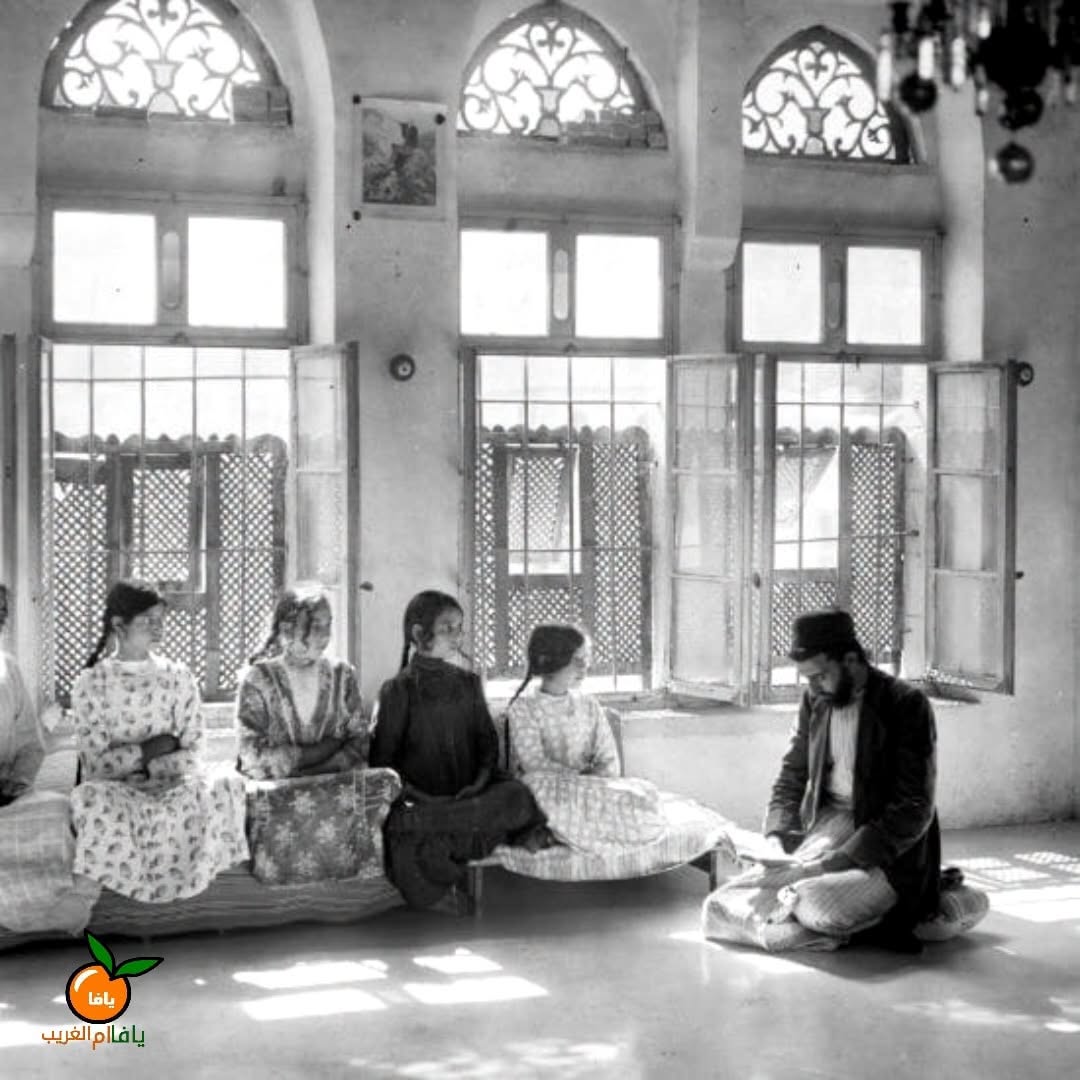
Palestine Mourns a Giant

By Dr Hussan Zomlot

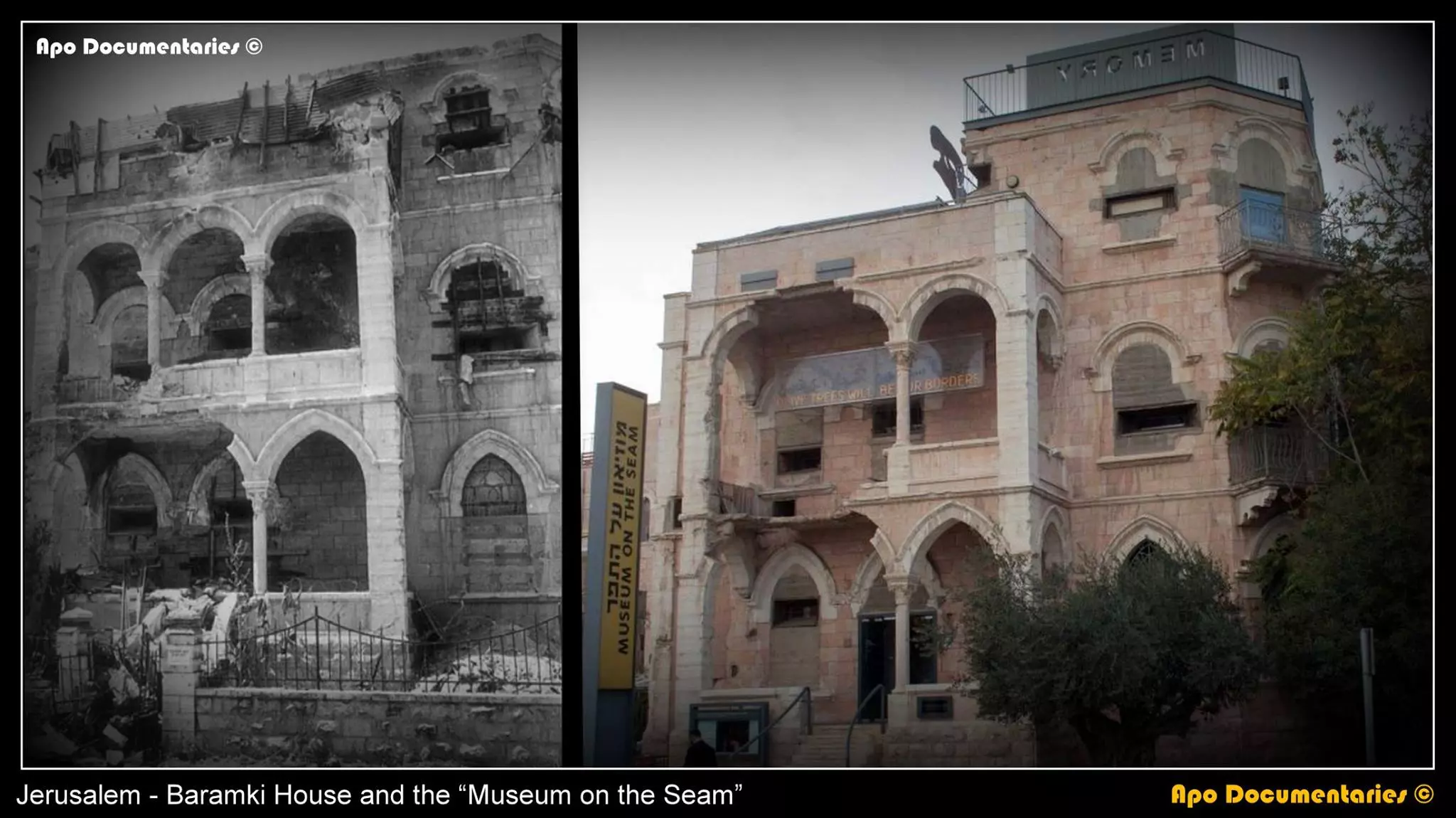
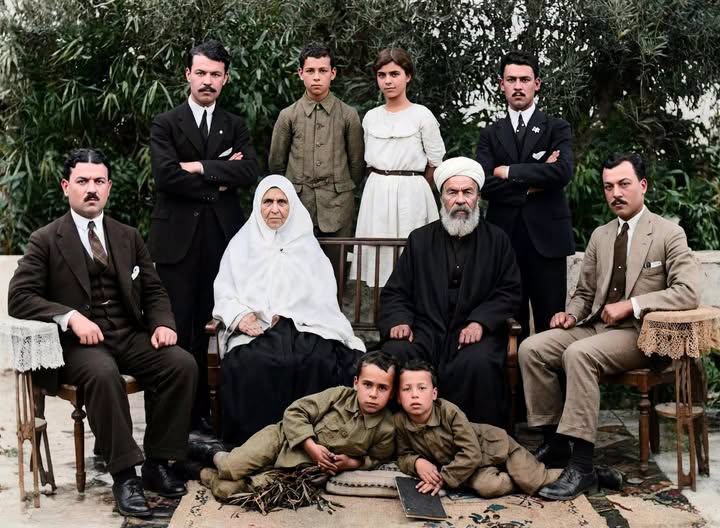
We bid farewell to Dr. Walid Khalidi — a national treasure, a guardian of memory, and a mentor to generations.

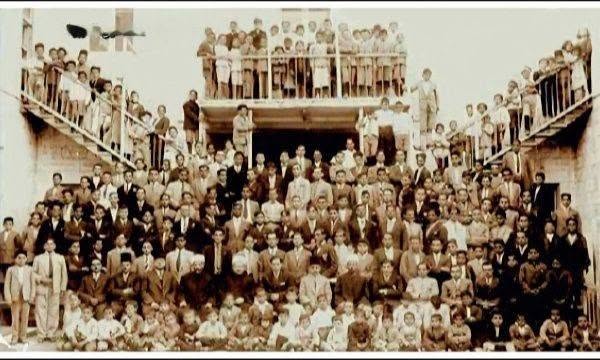
Born in Jerusalem in 1925, he was one of the most commanding Palestinian voices of the modern era. For more than seven decades, he dedicated his life to bearing witness — documenting what happened to Palestine in 1948 with unflinching honesty and scholarly precision, and ensuring that new generations understand Palestine as it was, as it is, and as it must one day be again. He was the teller of our history and the keeper of our collective memory.

I first had the honour of meeting Dr. Khalidi in 2008 in Cambridge, Massachusetts, where I was a Visiting Scholar at Harvard University. By then, he had long made Cambridge his home after decades of teaching and research at institutions including Oxford, the American University of Beirut, and Harvard.

Over the years that followed, his home in Cambridge became a place of refuge and reflection. We would sit for hours speaking about Palestine — its past, its wounds, and its future. He gave generously of his time, wisdom, and spirit. Even through the darkest years — and none have been darker than these last two — he remained a source of steadiness and moral clarity. His emails, arriving with the care and weight of a mentor who never stopped believing, were a lifeline. The last came only weeks ago.

Dr. Khalidi’s extraordinary impact was not only in his scholarship but in his refusal to allow Palestine to be erased. Through landmark works such as Before Their Diaspora and All That Remains, and through the institutions he helped build — most notably the Institute for Palestine Studies — he ensured that the story of our people would be preserved with rigour and dignity for generations to come.

He devoted his life entirely to Palestine — through scholarship, diplomacy, and mentorship. To countless Palestinian researchers, students, and public servants, he was a teacher and a guiding light.

Today, as news of his passing reaches us, I was honoured to speak with his son, Dr. Ahmed Khalidi — himself a distinguished Palestinian scholar — to share my condolences and memories. What I felt most was a proud sadness: proud of everything Dr. Khalidi gave to Palestine and to all of us who followed his path, and sad because the world is immeasurably diminished without him.

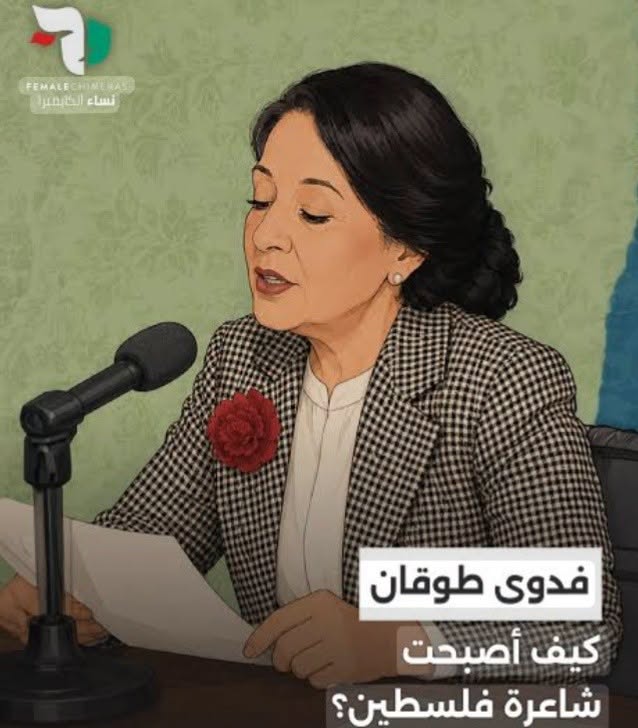
Today, Jerusalem mourns one of its most distinguished sons, as it once mourned Edward Said. Jaffa mourns as it did with Ibrahim Abu-Lughod. Nablus mourns as it did with Fadwa Tuqan. Palestine mourns a giant.

We shall honour Dr. Walid Khalidi in the only way he would have wanted — by continuing the struggle for truth, for justice, and for liberation, until the day scholars walk freely through the gates of a great university in Jerusalem that bears his name, and the Palestine he devoted his life to documenting stands free.

Continue reading
Iran Moves to Major Escalation

Iran’s Revolutionary Guard plans to increase drone attacks by 20 percent and double strategic missile operations amid escalating regional conflict.

Key Developments

  • Iran’s Islamic Revolutionary Guard Corps (IRGC) plans to increase drone operations by 20 percent and missile operations by 100 percent.
  • The escalation comes as part of Iran’s ongoing military response to US-Israeli attacks on Iranian territory.
  • Iranian forces launched the 28th wave of “Operation True Promise 4,” deploying new-generation missiles against Israeli targets.
  • Israeli media reported a missile carrying cluster munitions that dispersed over multiple locations in Tel Aviv.
  • Iranian commanders say military operations will expand further in the coming hours and days.

Planned Escalation

Iran’s Islamic Revolutionary Guard Corps (IRGC) is preparing to significantly expand its offensive operations, including a major increase in ballistic missile launches and drone deployments, according to informed sources cited by Iran’s Fars News Agency.

The sources said the escalation will begin overnight and is intended to intensify Iran’s military response to the ongoing US-Israeli war on the country.

According to the report, Iran will increase the scale of its drone operations by up to 20 percent while doubling the use of strategic missiles.

Iranian officials frame the move as part of what they describe as a broader confrontation with the administration of US President Donald Trump and the White House.

Sources quoted by Fars said the decision was taken in order to strengthen deterrence and ensure what they described as a decisive response to any military aggression targeting Iran’s interests or population.

The announcement comes as the Israeli-US agression on Iran continues to escalate, with repeated missile exchanges and attacks reported across several fronts in the region.

Iranian authorities say that since the start of the joint US-Israeli campaign on February 28, more than 1,200 people have been killed in Iran, including around 200 children and approximately 200 women, while more than 10,000 civilians have been injured.

Missile Operations

Iranian state television also confirmed that the country’s armed forces launched the 28th wave of missile strikes as part of the ongoing military campaign known as Operation True Promise 4.

According to the Islamic Revolutionary Guard Corps, the latest wave involved the deployment of new-generation missiles and targeted sites in the cities of Beersheba and Tel Aviv.

The IRGC said four heavy-warhead Kheibar missiles were used during the operation.

Iranian military officials stated that the strikes were part of continuing attacks against Israeli targets as well as sites connected to US forces in the region.

In addition to the missile strikes, Iranian forces reportedly targeted the infrastructure of Al-Azraq Air Base, which Iranian officials described as one of the largest offensive bases used by US-aligned forces.

The IRGC said the scale and depth of Iranian attacks would expand in the coming hours and days.

Iranian state media also reported that two waves of missiles were launched within minutes of each other during the latest round of attacks.

Tel Aviv Impact

Israeli media reported that one of the Iranian missiles carried a warhead containing more than 16 cluster munitions.

According to those reports, the missile fragmented into multiple explosive sub-munitions over the skies of Tel Aviv.

Fragments reportedly fell across at least sixteen different locations in the city.

Israeli reports said six people were injured after debris from the missile fell across the affected areas.

The missile strike triggered powerful explosions in Tel Aviv and activated air-raid sirens in multiple areas, including Jerusalem and northern regions near the Lebanese border.

Sirens were also reported in the towns of Dovev and Baram amid concerns that drones might infiltrate Israeli airspace.

The incidents were reported within minutes of each other as part of what Israeli media described as concentrated Iranian missile barrages.

Military Statements

Iranian military commanders have continued to signal that the country intends to sustain and expand its military operations.

Major General Ali Abdollahi, commander of Iran’s Khatam al-Anbiya Central Headquarters, said Iran would continue the war until its enemies were forced to retreat.

“Our weapons today are more advanced than before and have high precision and flexibility,” Abdollahi said.

He dismissed claims that foreign governments know the size of Iran’s missile arsenal.

“The enemies said they know the number of our missiles,” Abdollahi stated. “We tell them that they should count the missiles on the battlefield.”

The commander also said Iran had repaired vulnerabilities identified after earlier attacks.

“The armed forces have restored the gaps after the recent aggression,” he said, adding that Iranian forces are deployed across the battlefield with what he described as high morale.

Abdollahi accused US and Israeli forces of targeting civilians inside Iran.

“The malicious enemy targets innocent Iranians in their homes and students in their schools,” he said.

He added that Iran would focus its attacks on military centers and equipment.

Iran’s armed forces also reported targeting specific locations in Haifa and Tel Aviv as well as US military sites, including facilities at Camp Arifjan in Kuwait.

Iranian officials said the strikes were carried out using suicide drones as part of what they described as the country’s response to the ongoing US-Israeli aggression.

The war, which erupted after the US-Israeli attacks on Iran at the end of February, continues to expand across multiple fronts as both sides intensify military operations.

Palestine Chronicle

Continue reading