 Your Ben Gurion! Revelations
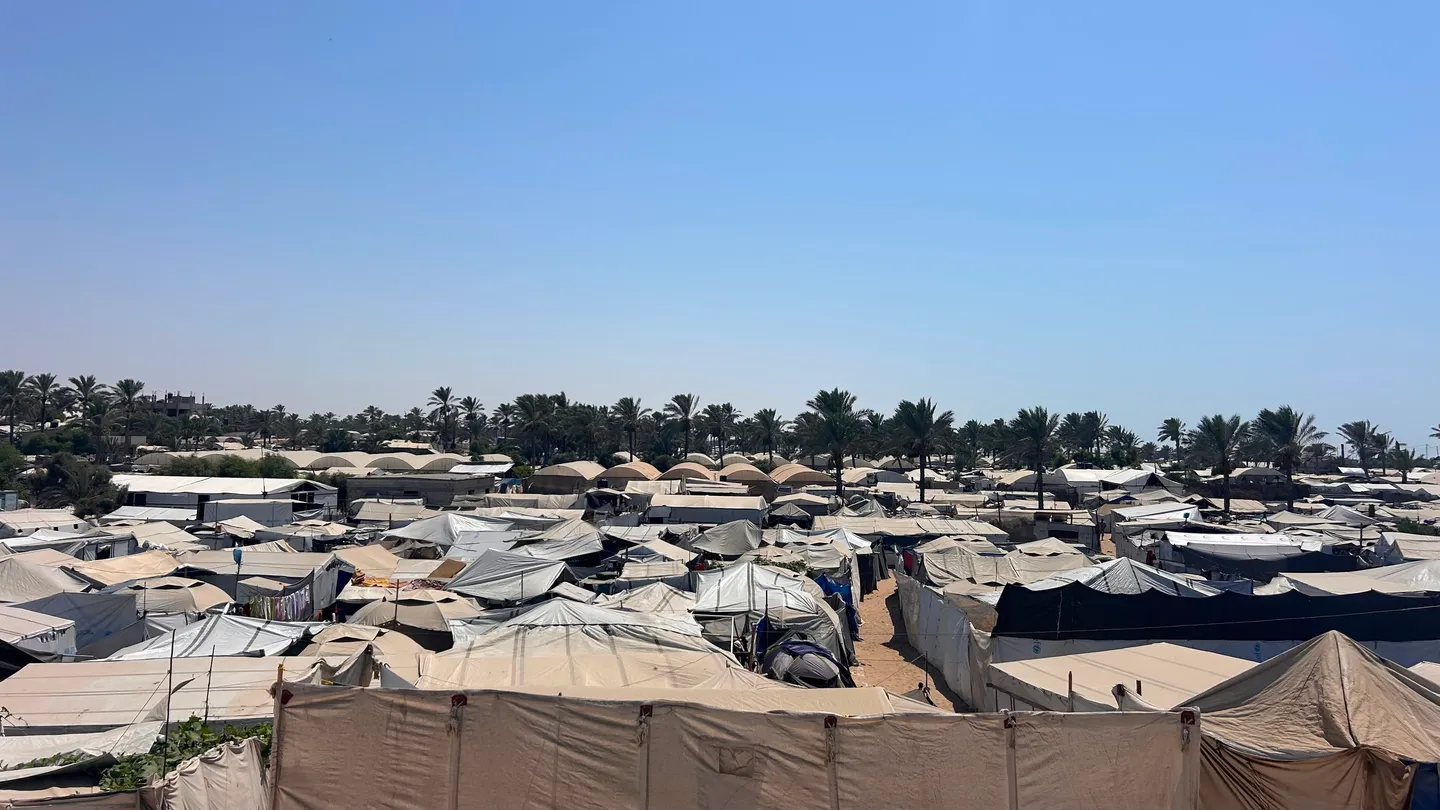
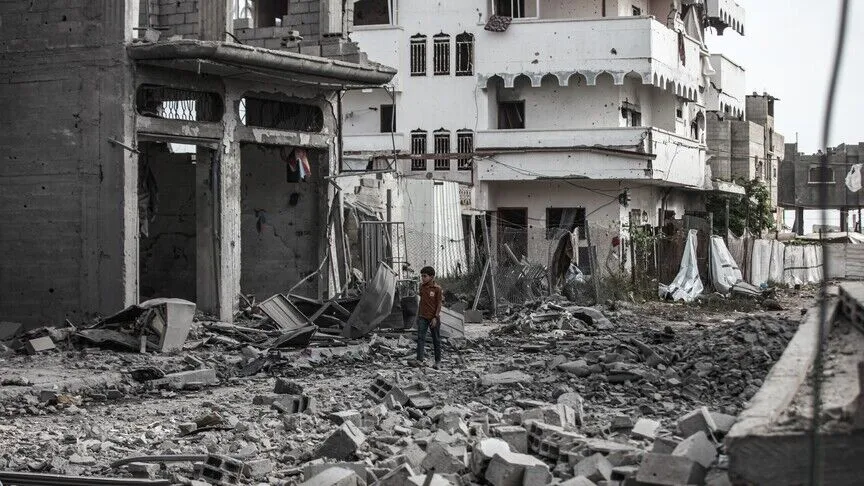
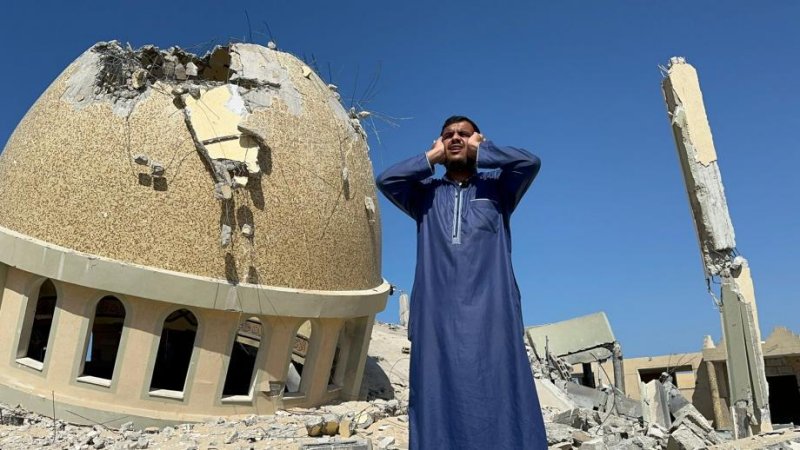
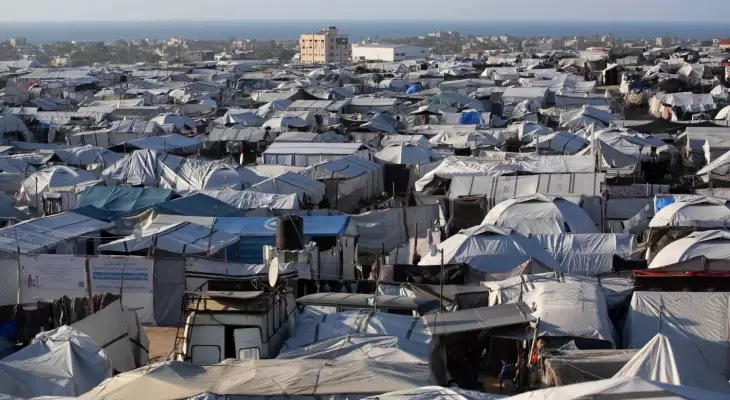
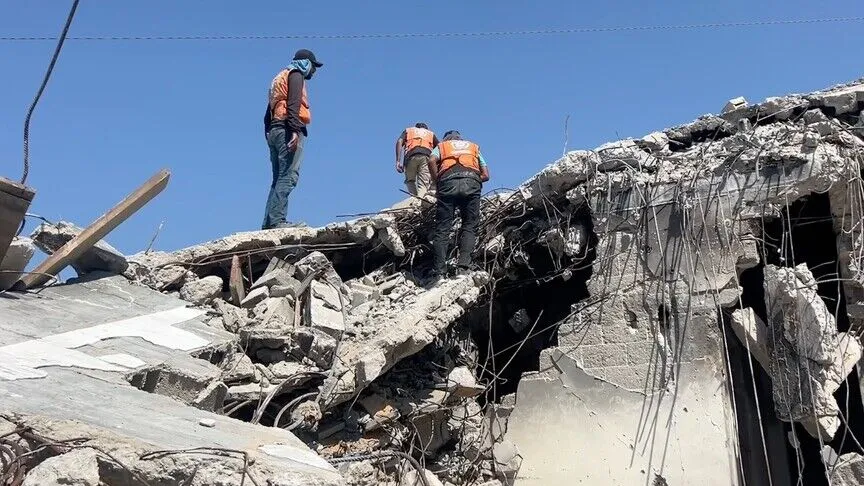
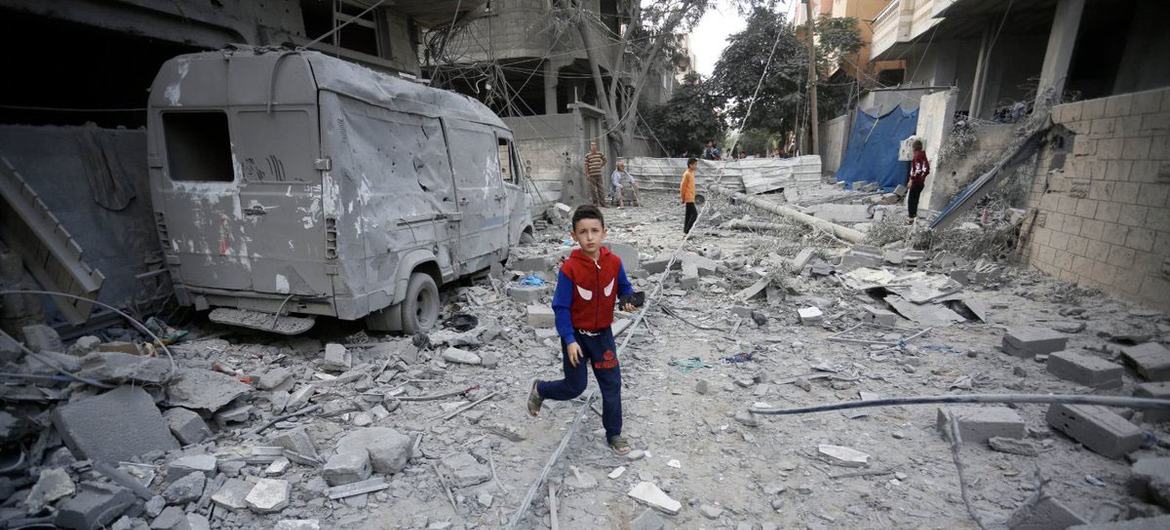
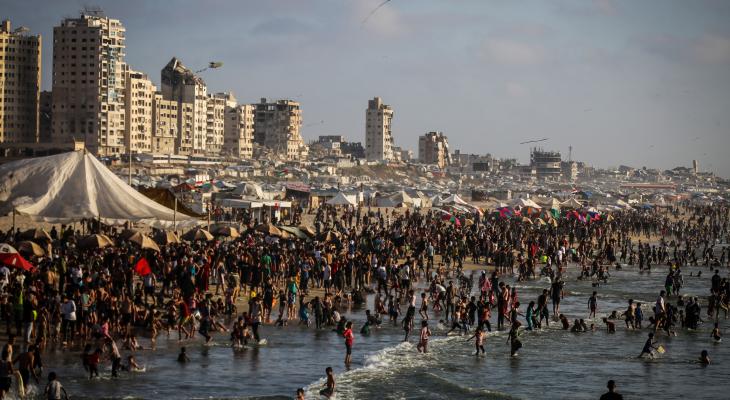
 Gaza’s Face of Destruction
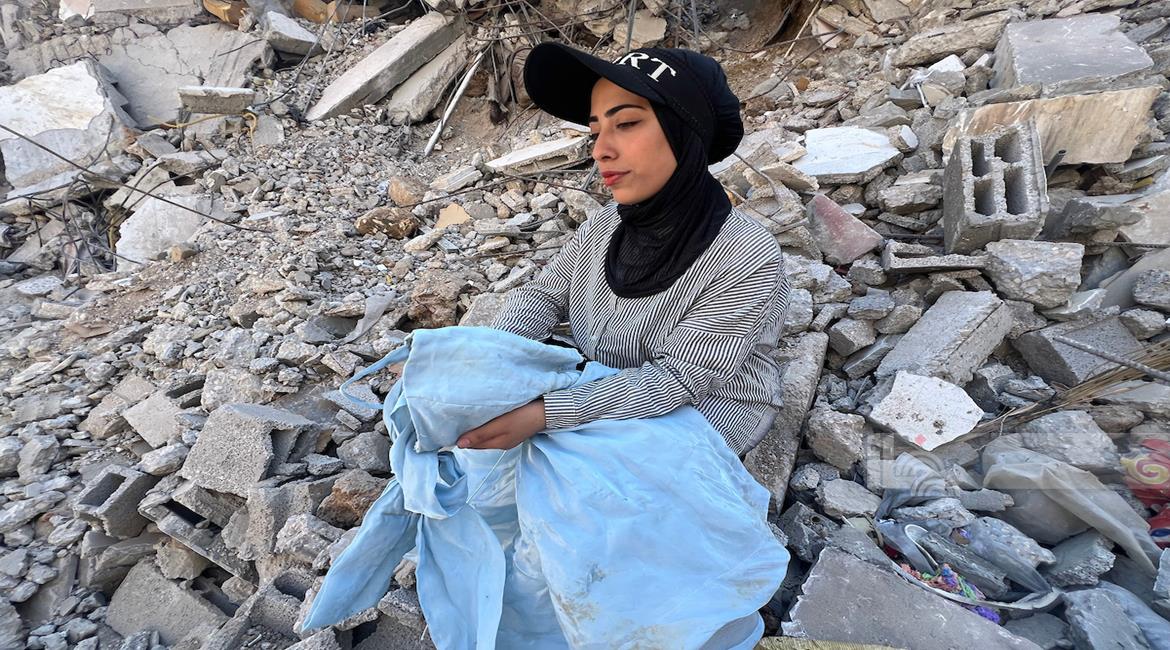
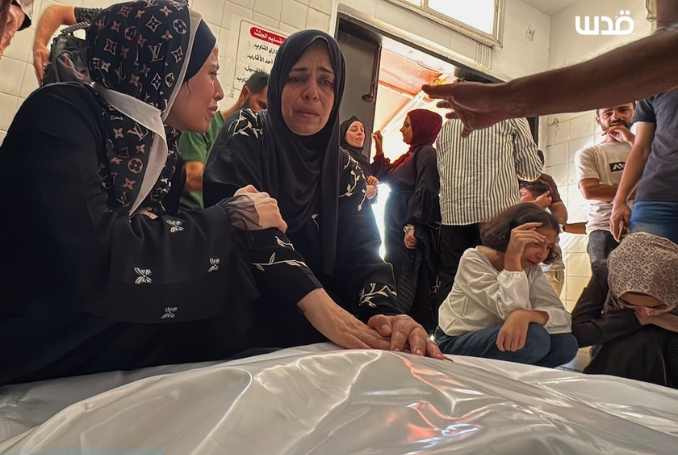
 Sad Woman of Palestine
 Itamar Ben Gvir: ‘We Should Kill 30 to 40 in Gaza Each Night’
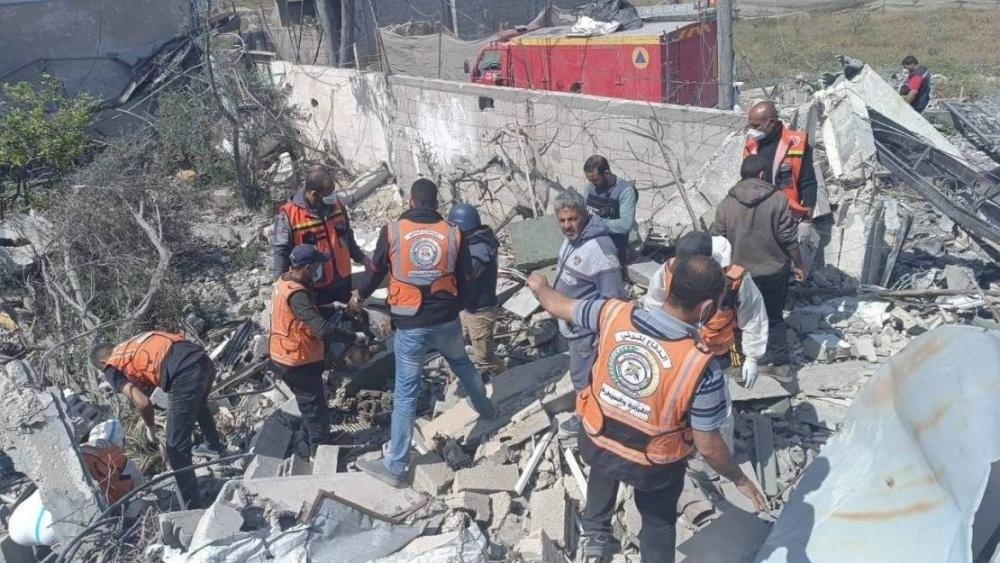
 Gaza Health Ministry States 1266 Killed Since The Ceasefire






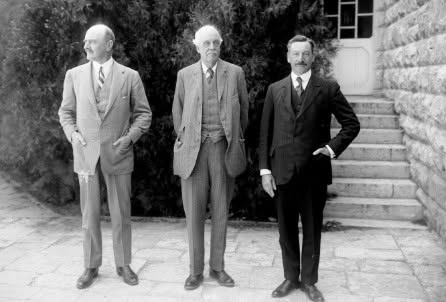
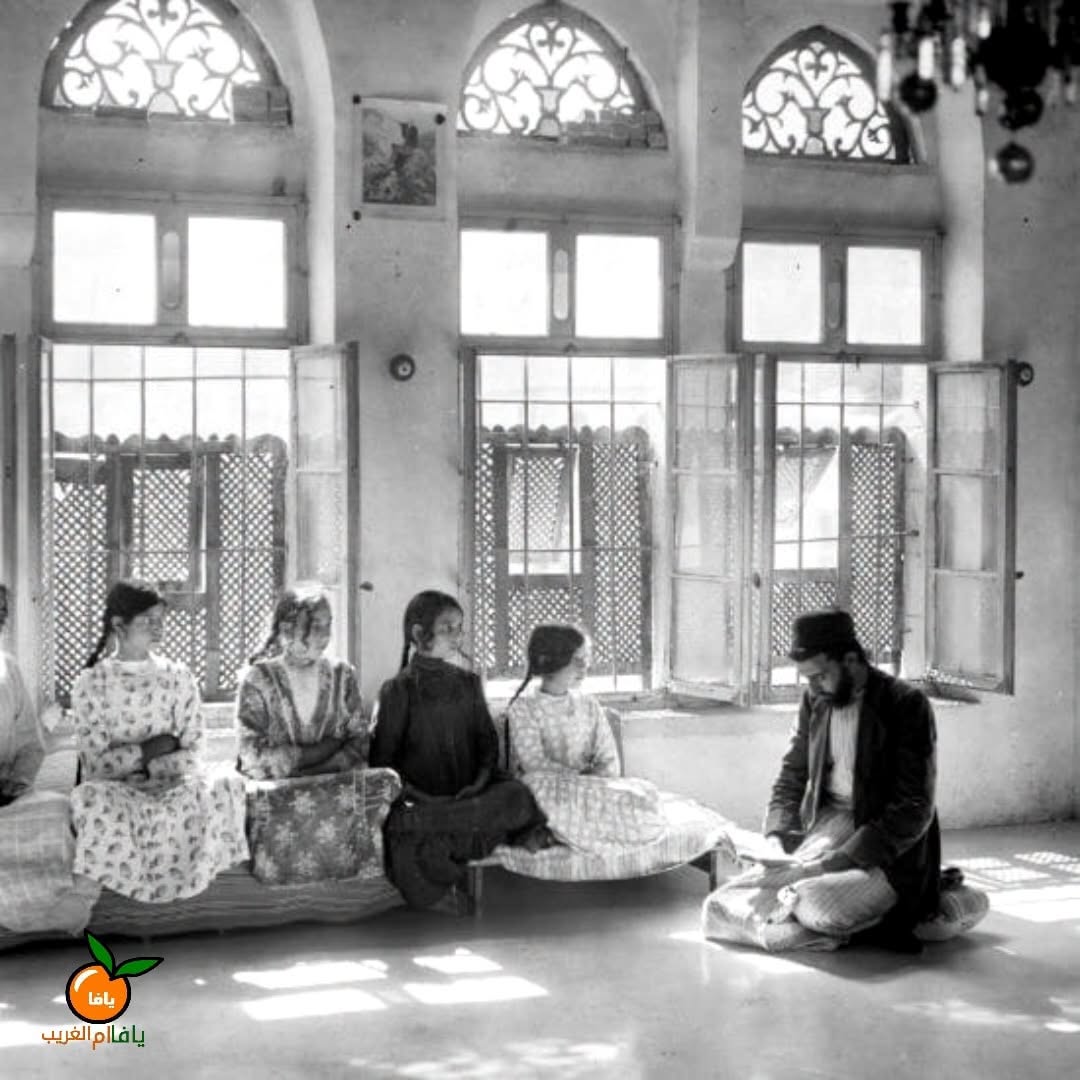
Your Ben Gurion! Revelations
marwan
- August 18, 2026
 marwanmarwanmarwanmarwanmarwanmarwan
 CrossFireArabiamarwanmarwan
 Saleem Ayoub QunamarwanCrossFireArabiaCrossFireArabiaCrossFireArabiaCrossFireArabiamarwanCrossFireArabiaCrossFireArabiamarwanCrossFireArabia
 HebaCrossFireArabiamarwanCrossFireArabiamarwanHebaCrossFireArabiamarwanmarwanHebaCrossFireArabiamarwanmarwanCrossFireArabiamarwanHebaCrossFireArabiaCrossFireArabiaCrossFireArabiaHebamarwanCrossFireArabiamarwanHebaCrossFireArabiaHebamarwanmarwanCrossFireArabiamarwanmarwanmarwanmarwanmarwanmarwanmarwanmarwanmarwanCrossFireArabiaCrossFireArabiamarwanmarwanCrossFireArabiaCrossFireArabiamarwanCrossFireArabiamarwanHebaHebamarwanmarwanCrossFireArabiamarwanmarwanmarwanmarwanCrossFireArabiaCrossFireArabiamarwanmarwan
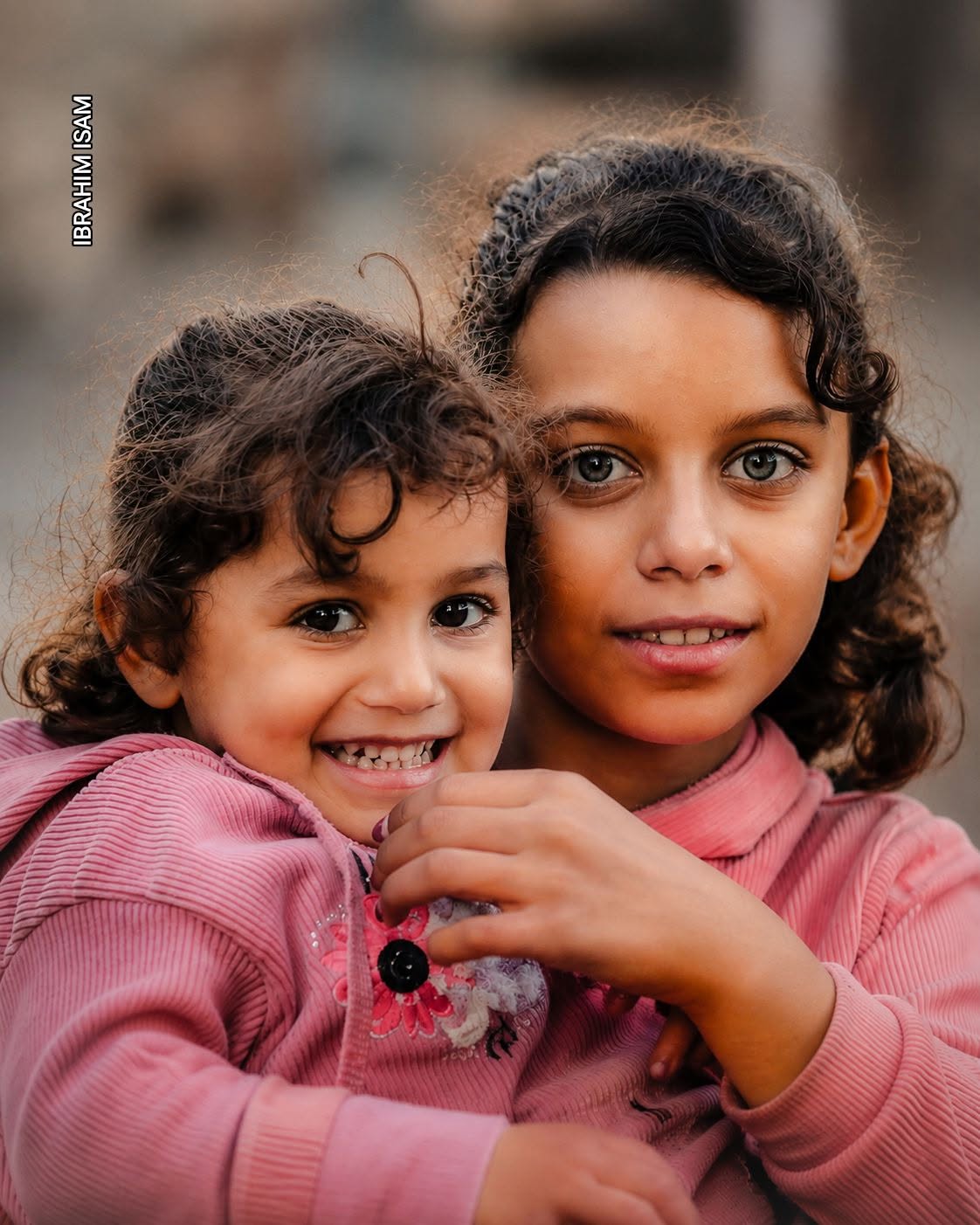
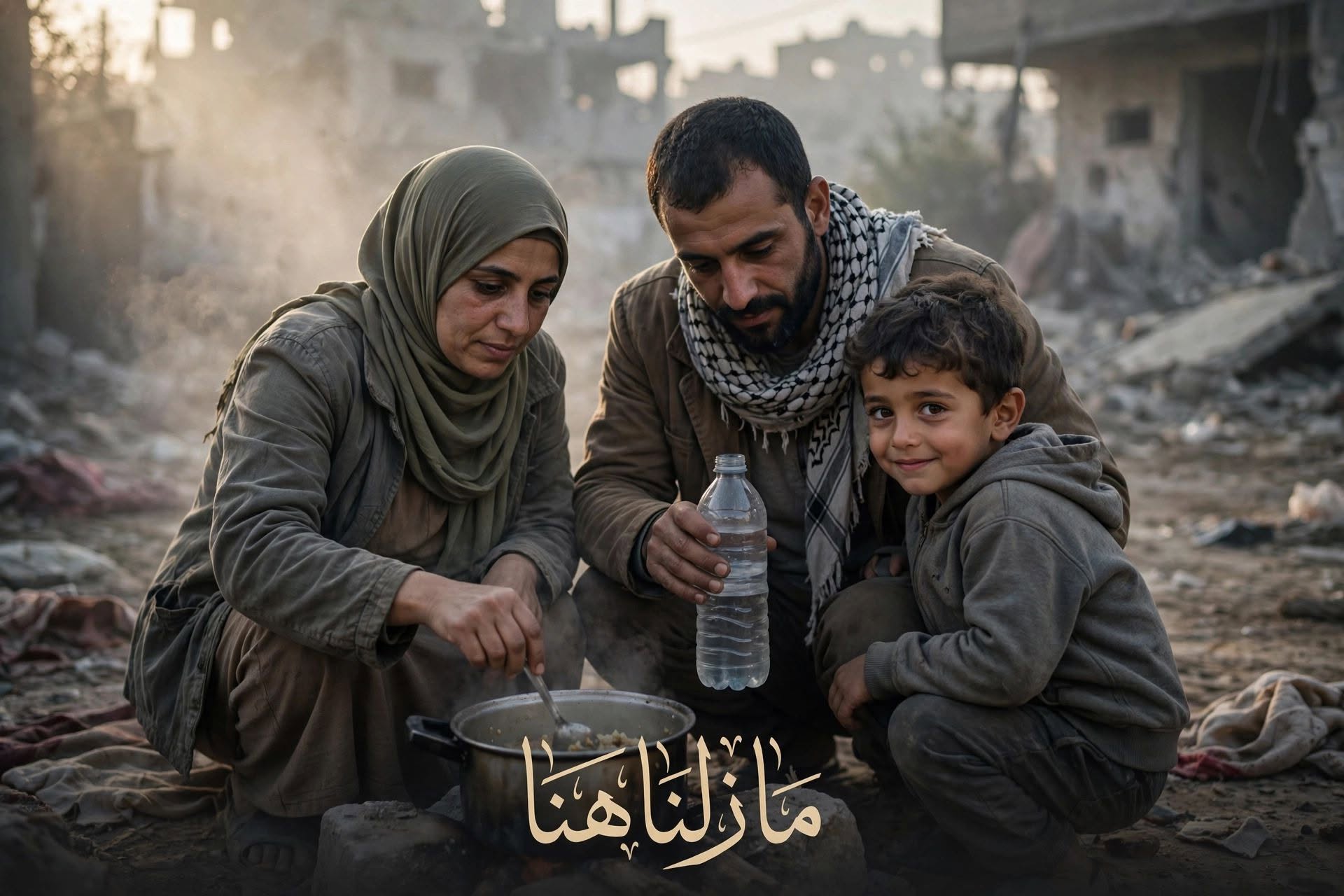
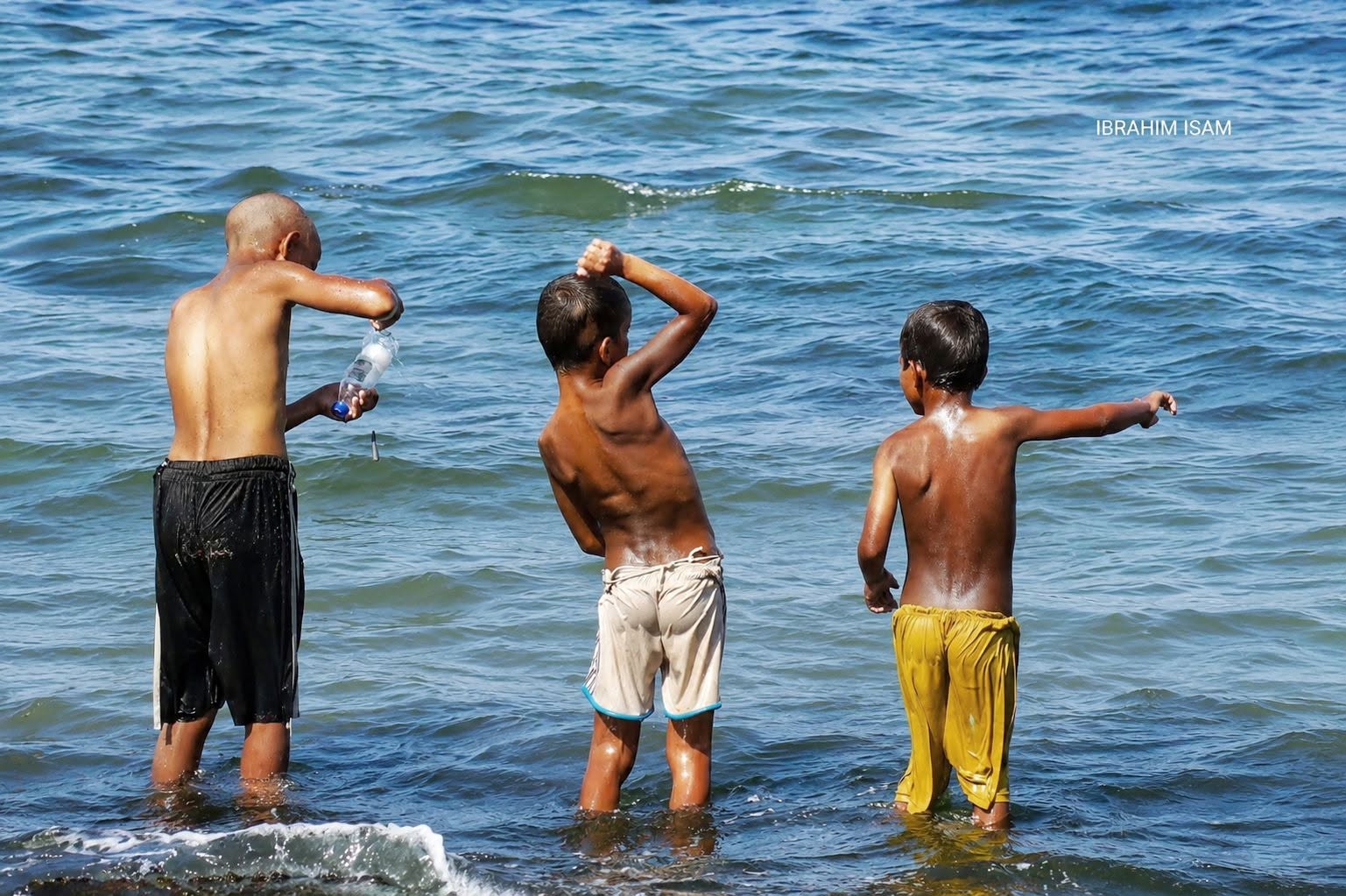
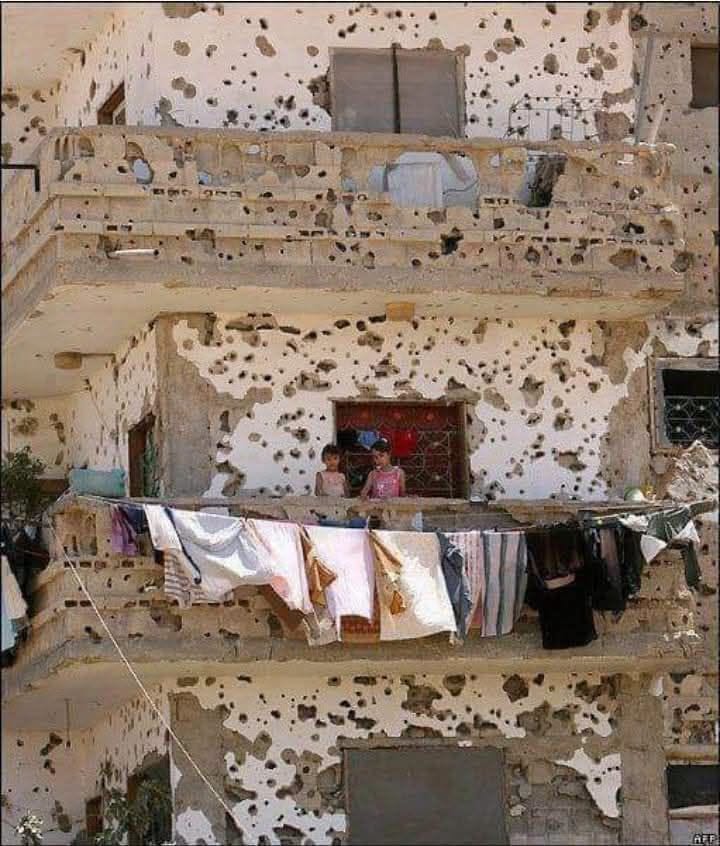
They lost their house, but they still smile ?! They have hope strong and hope, Gaza”s will made by Iron. We make of death the life of this Gaza we never give up. Stand with us and support humanity. Gaza and its children and mothers need your support and your standing by them. Let us be protection and hope for the affected and the bereaved.
marwan
Artist Hafiz Kassis.The artist refers to this painting befittingly as the ‘World of Contradictions’
marwan
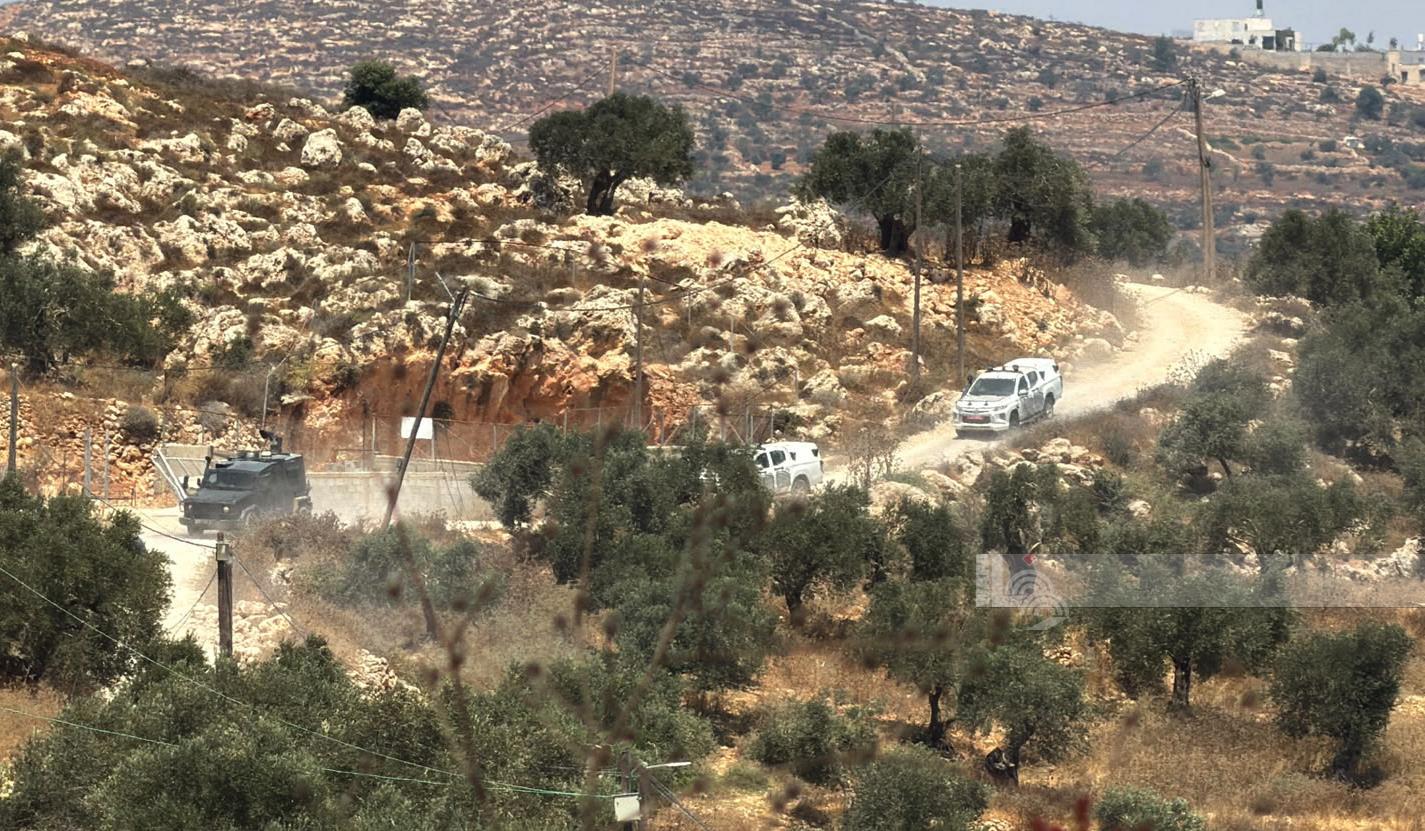
CROSSFIREARABIA – Two Palestinian women were forced to deliver their babies inside the ambulances, Sunday. This because of the military cordons that were forced on the people of the city of Nablus, northern West Bank. The ambulance officers said because of the long stoppage procedures at the Israeli military checkpoints they just couldn’t take the women to hospitals in time and had to deliver them inside the ambulances.
marwan
CROSSFIREARABIA – A Palestinian lady from the Qaryout village, south Nablus, loses fetus because the Israeli army refused to let an ambulance pass the Awarta military checkpoint, Monday, leading to the hospital. The ambulance crew were taken for questioning, leaving the lady on her own at the ambulance after herself being searched. The lady was sixth-month pregnant and was hemorrhaging. The ambulancemen also added that the soldiers forced them to turn off the ignition which led to the stoppage of the aiding equipment inside the vehicle. The ambulance was stopped for at least half-hour before being allowed to pass the military-checkpoint according to the Palestine Information Center.
marwan
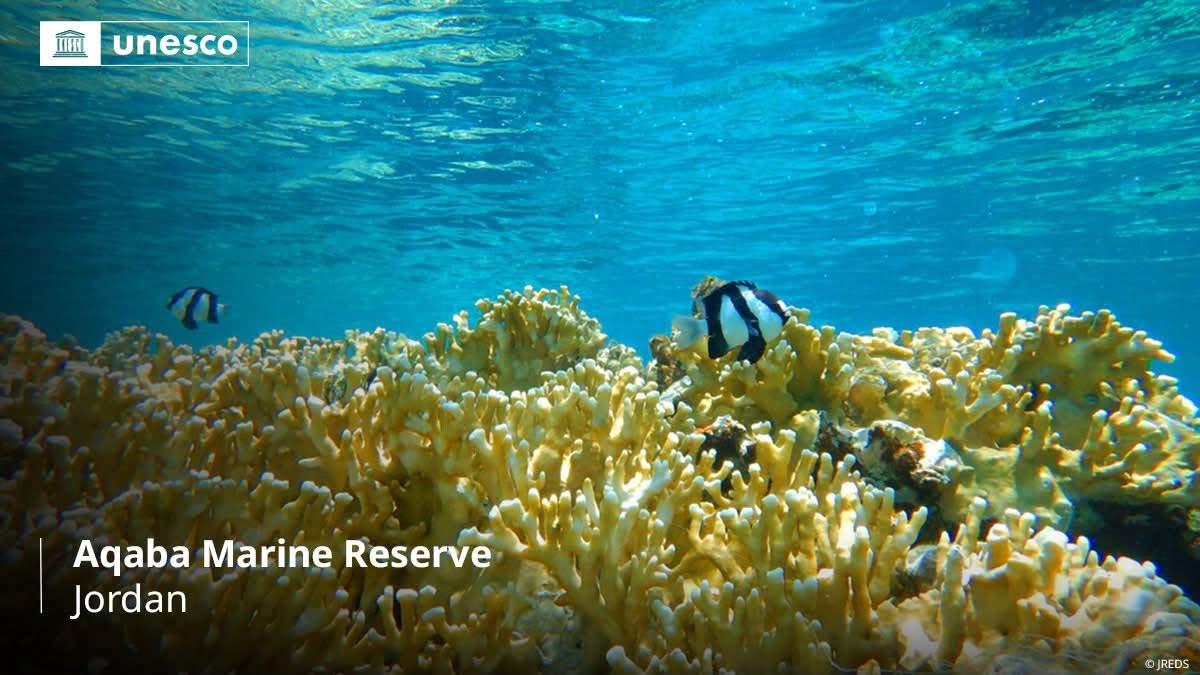
On July 25, Jordan achieved a historic milestone as the Aqaba Marine Reserve was officially inscribed on the UNESCO World Heritage List during the 48th Session of the World Heritage Committee in Busan, Republic of Korea. Recognized under UNESCO’s natural criteria (ix) and (x), the Reserve earned global recognition for its outstanding ecological processes, extraordinary marine biodiversity, and exceptional contribution to the conservation of one of the world’s most resilient coral reef ecosystems. This inscription marks Jordan’s first natural World Heritage Site, adding a new dimension to the country’s internationally celebrated cultural heritage.
This achievement extends far beyond international recognition. It positions Jordan at the center of one of the defining global challenges of the twenty-first century: climate change. While coral reefs around the world continue to suffer unprecedented bleaching events caused by rising sea temperatures and ocean acidification, the coral reefs of the northern Red Sea have demonstrated an extraordinary ability to withstand environmental stress. Scientists increasingly regard the reefs of Aqaba as among the most climate-resilient coral ecosystems on Earth, offering valuable insights into the future survival of tropical reefs worldwide.
The Aqaba Marine Reserve is therefore more than a protected area. It is a living laboratory for international scientific research and a beacon of hope in the global effort to understand, protect, and restore marine ecosystems. The Reserve safeguards hundreds of coral species, over five hundred species of fish, and an extraordinary diversity of marine life that continues to thrive in conditions that threaten reefs elsewhere. At a time when the world is searching for solutions to biodiversity loss and climate adaptation, Jordan now hosts one of the planet’s most significant natural assets.
The UNESCO inscription also carries profound implications for Jordan’s tourism sector. Across the world, World Heritage designation is recognized as a symbol of quality, authenticity, and long-term conservation. It strengthens international confidence, raises global visibility, and attracts travelers seeking meaningful, sustainable, and environmentally responsible experiences. Increasingly, today’s visitors are choosing destinations that demonstrate a genuine commitment to protecting nature and preserving cultural identity. The Aqaba Marine Reserve perfectly reflects this global shift toward sustainable tourism.
For Jordan, this recognition presents an opportunity to diversify its tourism economy beyond traditional cultural attractions. Aqaba can now establish itself as a premier international destination for marine ecotourism, diving, underwater photography, scientific expeditions, educational travel, and conservation-focused experiences. Universities, research institutions, environmental organizations, and climate scientists from around the world are likely to view the Reserve as an increasingly important destination for collaboration and discovery. Such partnerships generate knowledge, investment, employment opportunities, and long-term economic benefits while reinforcing Jordan’s reputation as a responsible steward of global heritage.
Perhaps the greatest opportunity lies in integrating this achievement into Jordan’s broader tourism vision through the Golden Triangle—the internationally renowned destinations of Aqaba, Petra, and Wadi Rum. Few countries possess such an extraordinary concentration of globally significant heritage within such a compact geographical area. Within only a few hours, visitors can dive among some of the world’s most climate-resilient coral reefs, stand before the timeless grandeur of Petra, and experience the breathtaking desert landscapes of Wadi Rum. Together, these destinations offer an unparalleled journey through sea, stone, and desert, where nature, culture, history, and adventure come together in one seamless experience.
The Golden Triangle now tells a more compelling story than ever before. Aqaba represents the resilience of nature. Petra embodies the resilience of human civilization. Wadi Rum showcases the dramatic geological forces that have shaped the landscape over millions of years. Together, they present Jordan as a destination where natural heritage and cultural heritage complement one another, creating a tourism model that is both economically powerful and environmentally sustainable.
Petra and Aqaba, in particular, share a remarkable narrative despite representing different forms of heritage. Petra stands as one of humanity’s greatest achievements in adapting to an arid environment through sophisticated engineering, water management, and urban planning. Aqaba demonstrates how nature itself has adapted to environmental extremes, preserving coral reefs that continue to flourish despite rising sea temperatures. One tells the story of human resilience; the other tells the story of ecological resilience. Together, they position Jordan as a global symbol of adaptation, innovation, and coexistence between people and nature.
This achievement also reinforces Jordan’s international leadership in heritage conservation. With six UNESCO World Heritage properties—five cultural and now one natural—the Kingdom demonstrates that protecting heritage is not limited to preserving monuments and archaeological sites. It extends equally to safeguarding ecosystems, biodiversity, and the natural landscapes upon which future generations will depend. The inscription of the Aqaba Marine Reserve broadens Jordan’s global identity from a country renowned for its ancient civilizations to one that also contributes meaningfully to international environmental conservation.
Yet UNESCO inscription is not the conclusion of the journey—it is the beginning of a greater responsibility. Global recognition brings with it an obligation to strengthen conservation efforts, enhance scientific monitoring, carefully manage tourism growth, regulate coastal development, and ensure that local communities remain active partners in protecting this remarkable marine environment. Sustainable management must remain the foundation upon which future tourism development is built.
Jordan has shown that conservation and economic development are not competing priorities but complementary objectives. Protecting nature creates opportunities for scientific innovation, sustainable investment, local employment, and responsible tourism. The Aqaba Marine Reserve now stands as a global example of how environmental stewardship can generate lasting social and economic value while preserving irreplaceable natural heritage.
As the world confronts the realities of climate change, biodiversity loss, and increasing environmental uncertainty, Jordan offers a powerful message of optimism. The inscription of the Aqaba Marine Reserve is more than a national achievement—it is a contribution to humanity’s shared future. Together with Petra and Wadi Rum, it establishes the Golden Triangle as one of the world’s most remarkable destinations, where ancient civilizations, resilient ecosystems, and extraordinary landscapes unite to tell a story of hope, sustainability, and the enduring relationship between people and the natural world.
Yazan K. Mahadin is commissioner for Petra Archeological park and Tourism – PDTRA. He contributed this article to The Jordan Times