The Youth Who Run For Flour But….

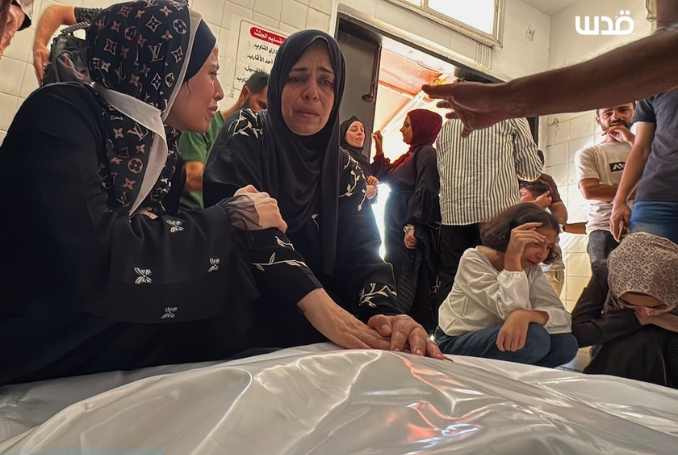
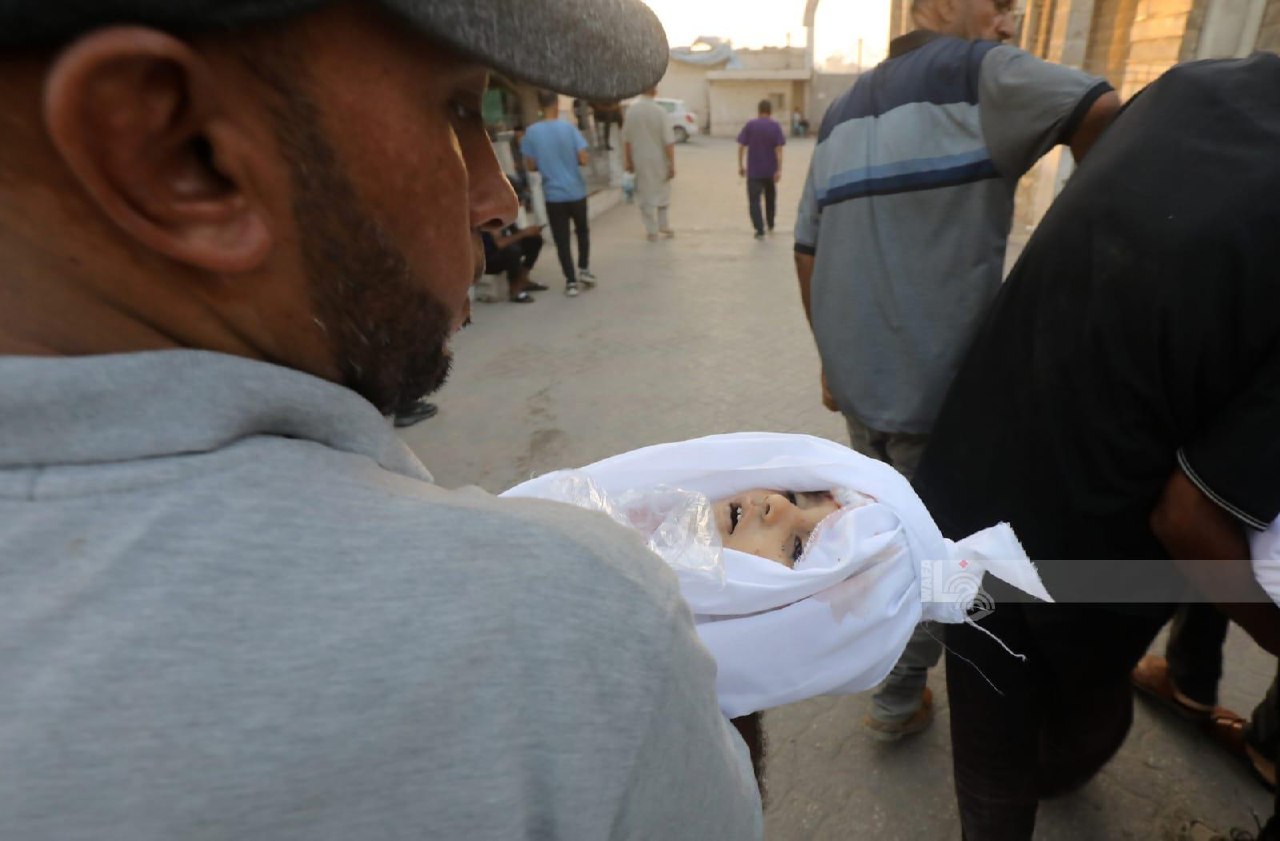
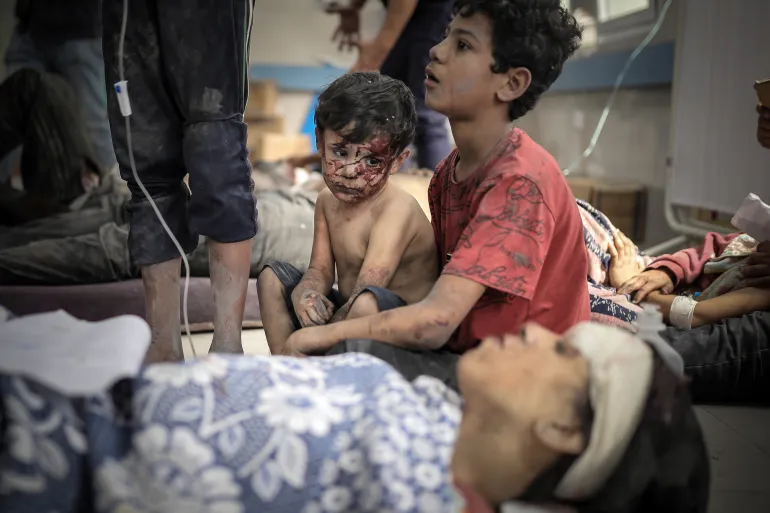
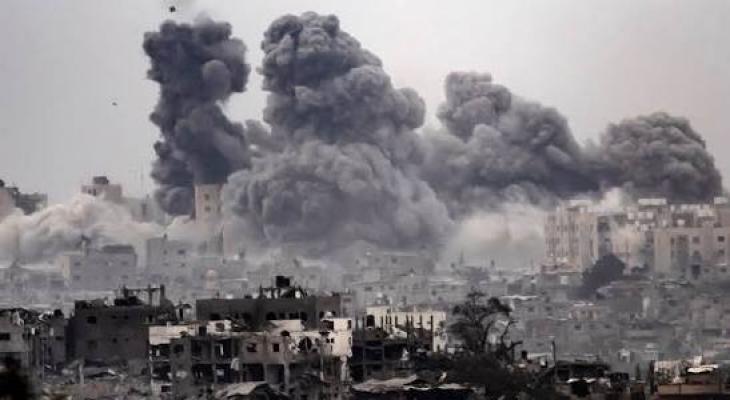
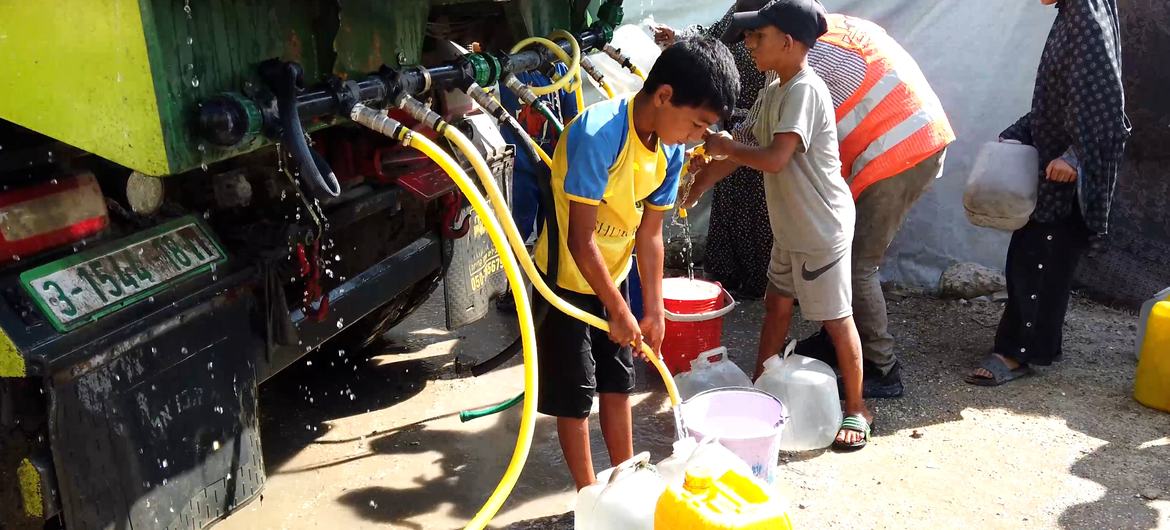
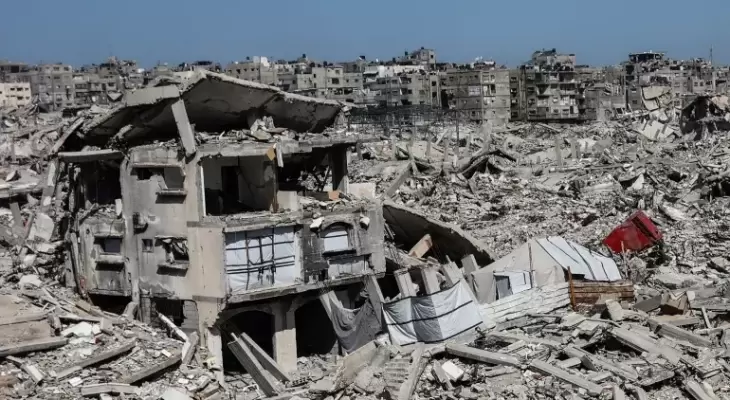
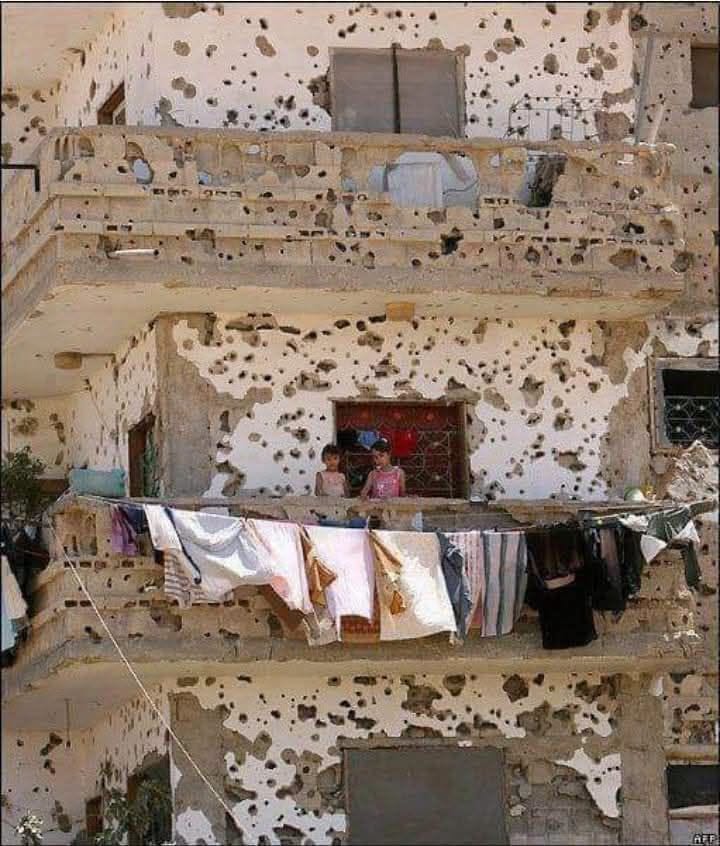
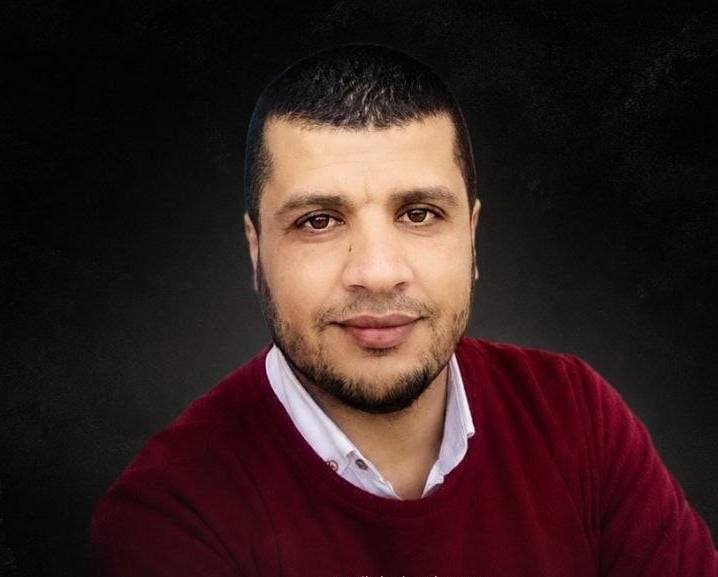
This is a story posted on linkedin recently by a young man in north Gaza who went with his friend to try and get a bag of flour for his family. His name is  Abdalghani Owda and a founder of the Gaza Tech Club. This is his account of that morning, as he ducked through Israeli machine guns, deadly quadcopters and the man whose brain gushed out of his head!  In the end he didn’t get the flour but says he hoped to comeback the next day!
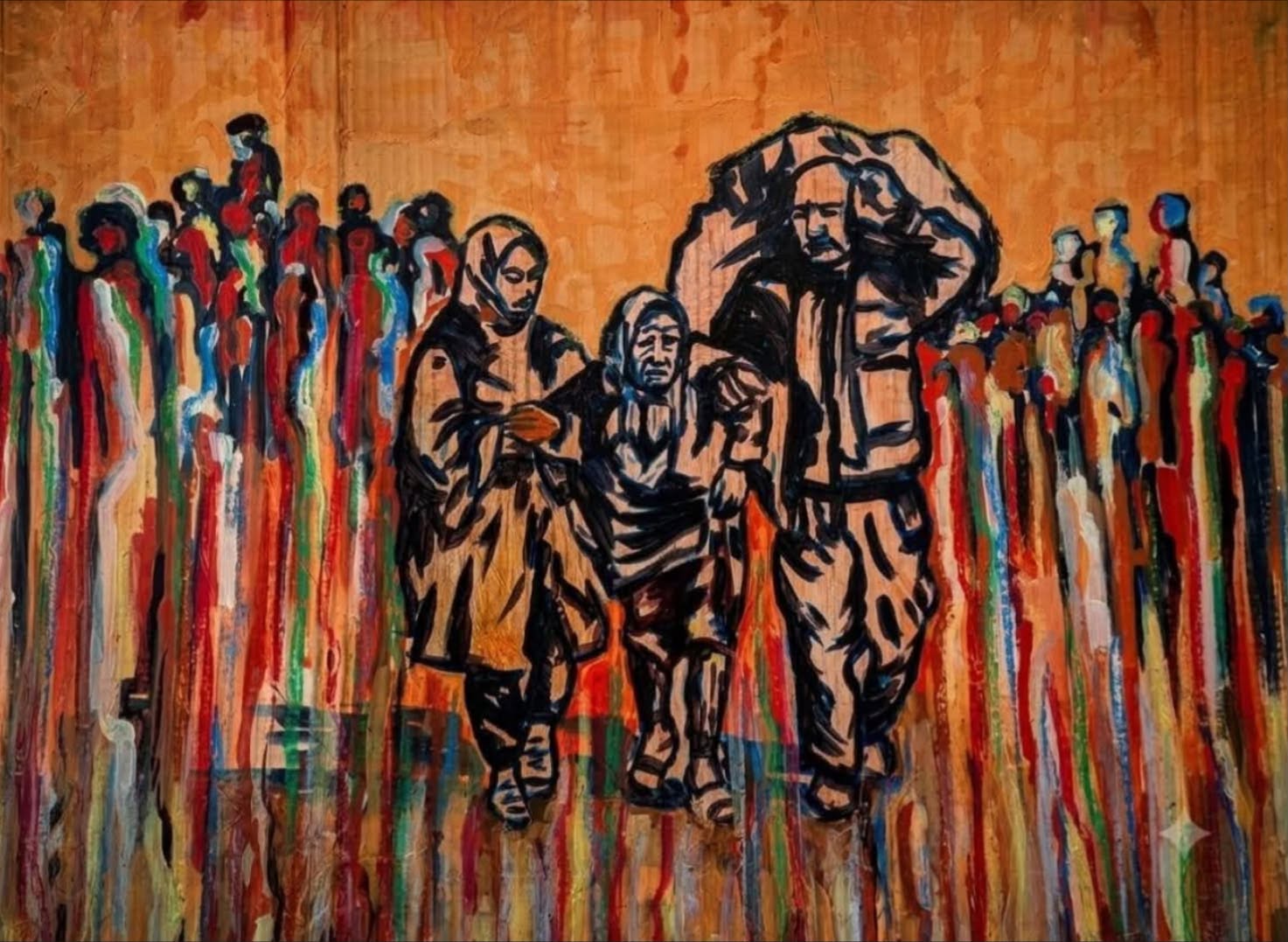
“I want to quickly tell you about one of the worst and most difficult days of my life.

Today, Sunday, July 20.

At 8:00 AM, my phone rang. It was my friend.

He said, “Hurry, I’m waiting for you. We need to go to the Zikim area in northern Gaza because trucks carrying flour will be arriving in an hour.”

Without realizing it, I quickly washed my face, got dressed, and flew to my friend’s house, saying, “Oh God!”

Hurry, hurry, let’s walk so we can arrive early and be among the first to take our pick.

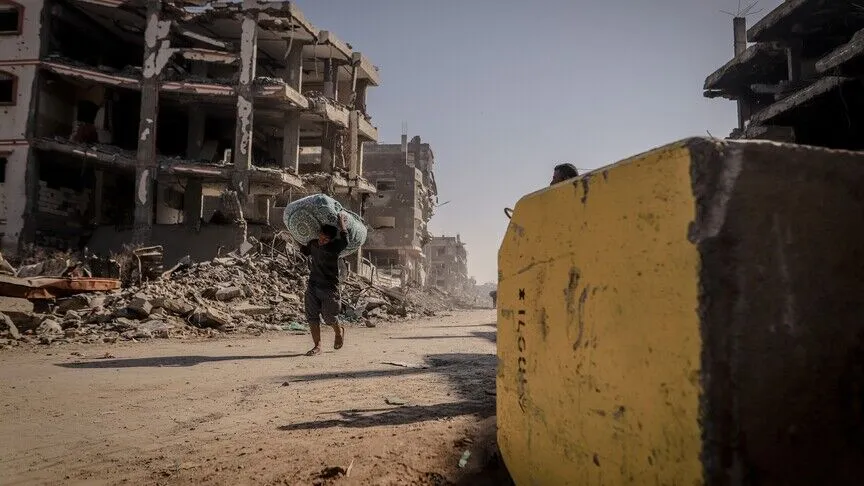
As we reached Al-Bahr Street, I found a human flood, perhaps 5 kilometers long.

Everyone was coming to take their share of flour, just like us.

I said, “Come on, I won’t leave. Everyone gets their share, and if we have something, we’ll take it.”

Of course, I didn’t eat breakfast because there was no breakfast.

There was a man selling falafel. A disc was the size of a pill and cost 1 shekel.

That means if I wanted to eat my fill, I’d need 100 shekels (US$29) to truly break my fast.

I bought for 10 shekels, and we said: “Anything is better than nothing.”

We kept walking northward, hoping my friend and I would have a better chance of getting a bag of flour.

The closer we got, the more dangerous the situation became.

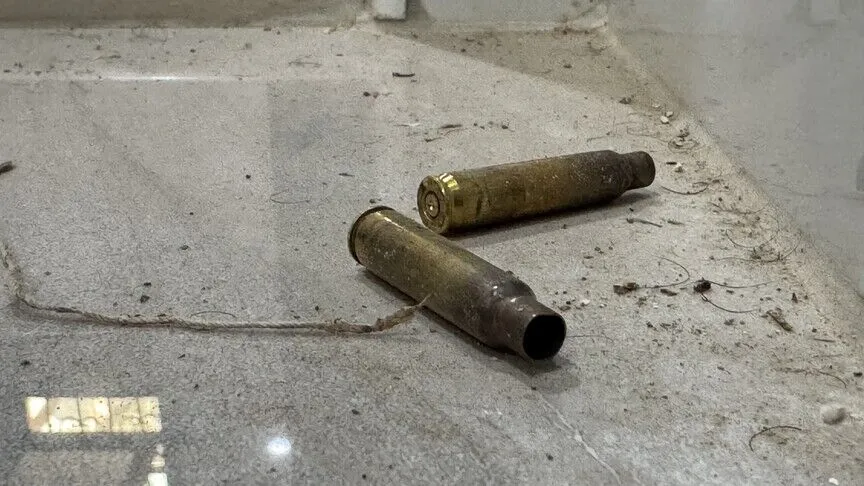
The sound of bullets whistling past my head.

The closer I got, the more intense the bullets became.

There was a robotic arm hanging from a very high crane, and it was clearly operating automatically, firing randomly.

The tank was stationary, directly firing at anyone in its path.

My friend and I were barely 150 meters away from the tank.

We were already in a restricted area, but we had to take the risk to have a higher chance of getting flour.

For half an hour, we were hiding in a high earthen embankment to protect us from bullets and artillery shelling.

A short while later, the trucks arrived.

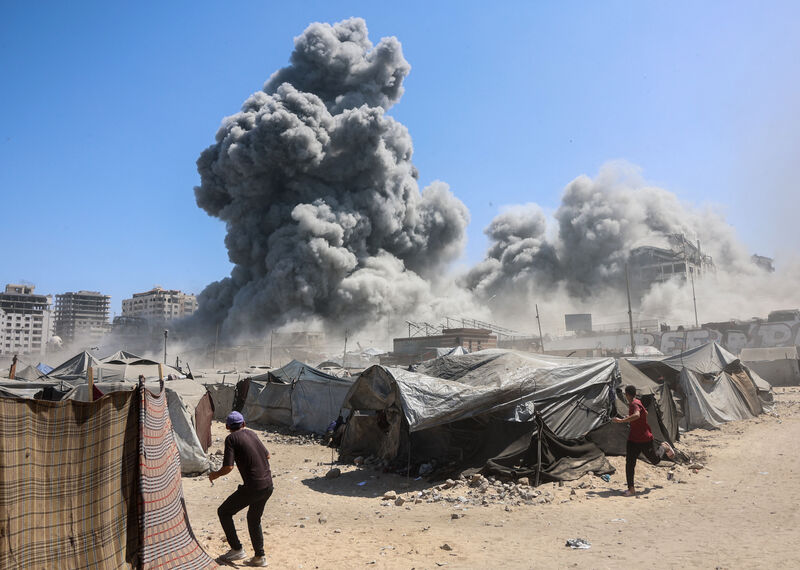
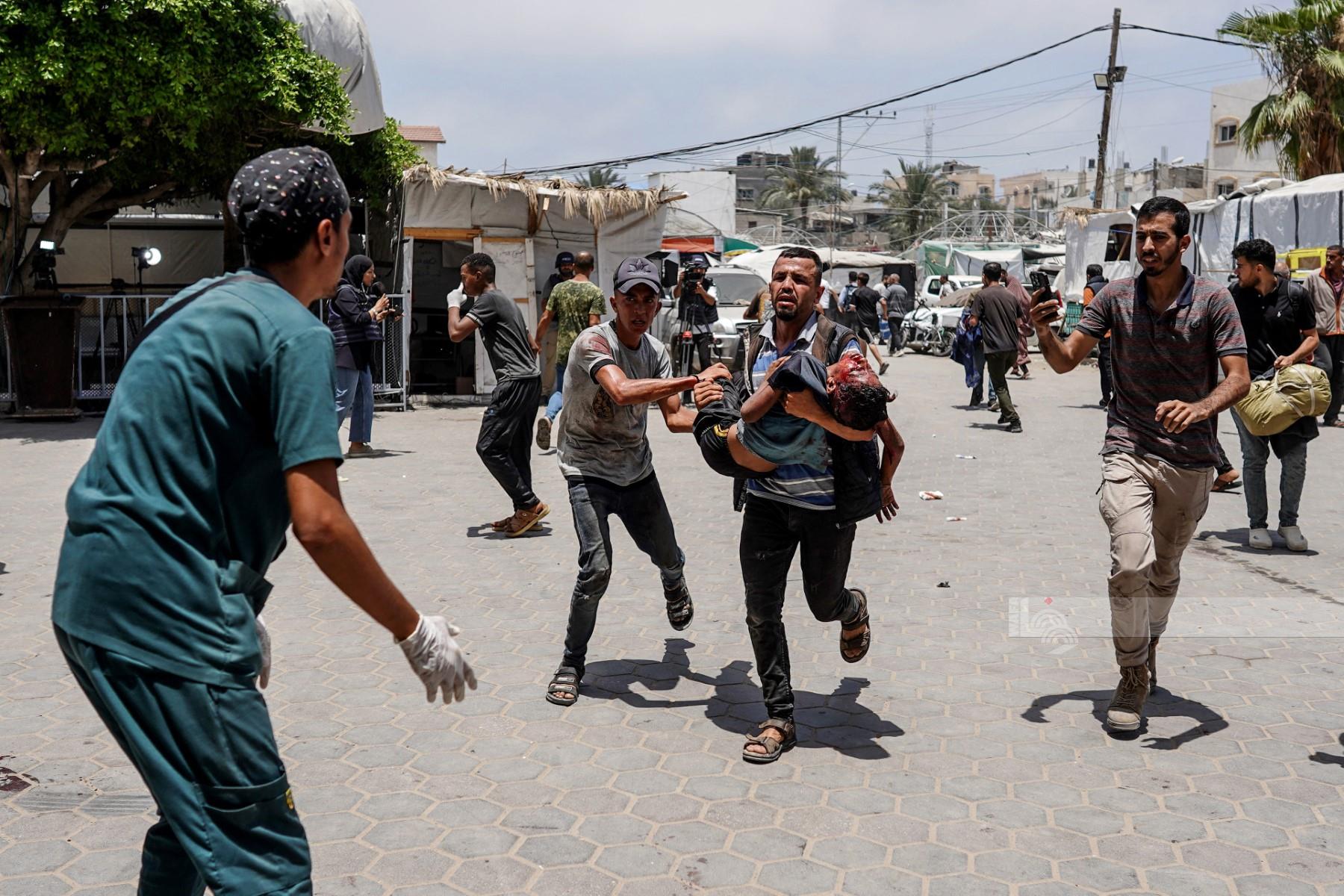
As soon as people attacked to get flour, the quadcopters came out and activated their machine guns. Blood began to flow.

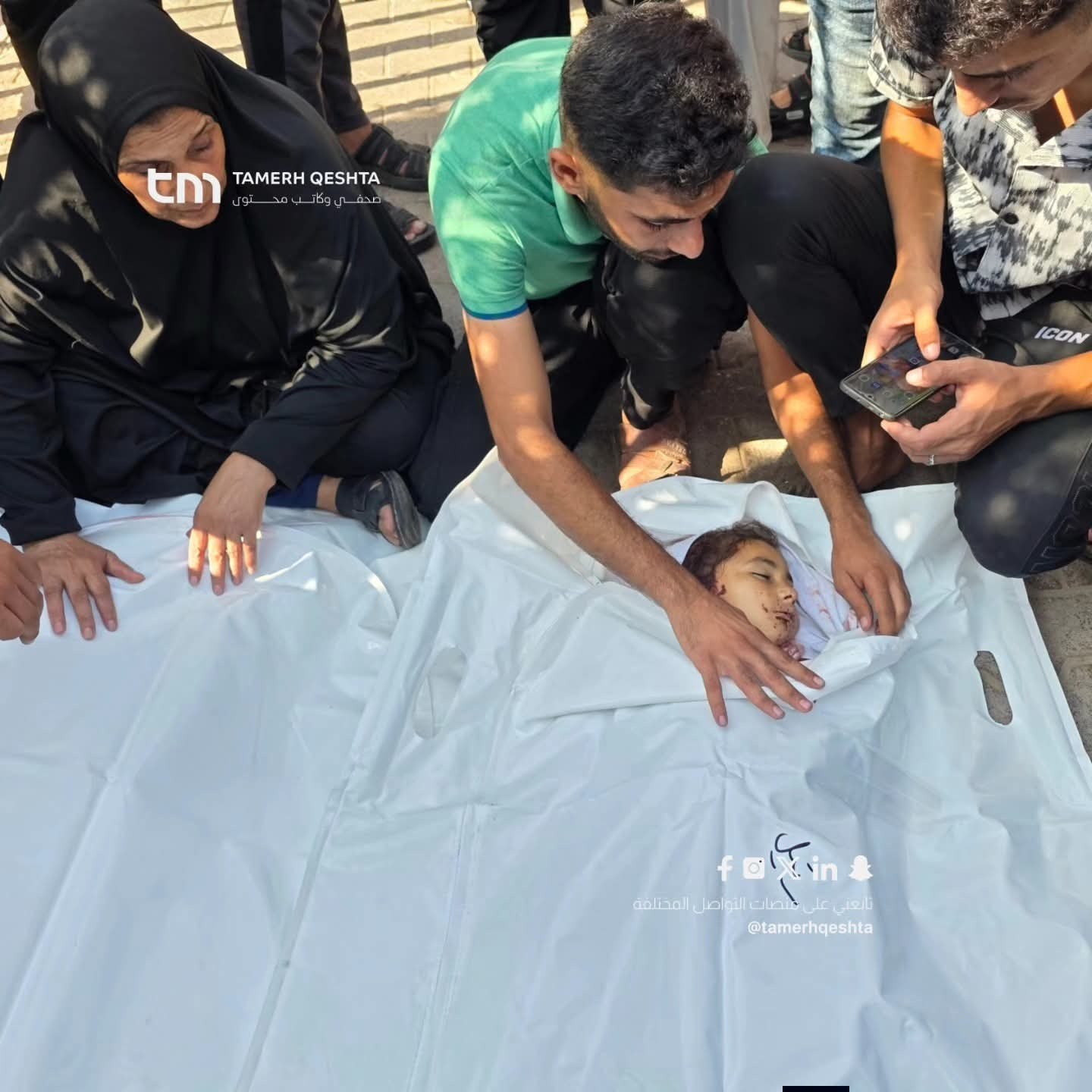
More than five young men around me were killed instantly, in addition to the large number of injuries.

Honestly, I didn’t see any of them, and nothing mattered to me at all except getting home with a bag of flour.

I got very close to the truck, but it was very crowded and the situation was very dangerous.

A shot from the quadcopter hit right under my feet, and I felt it very strongly.

I told myself I had to step back a little.

I stepped back a little.

There was artillery fire, and the truck driver started to move because the truck was empty.

A man, about 40 years old, was standing in front of the truck.

The truck ran over him and drove over his head.

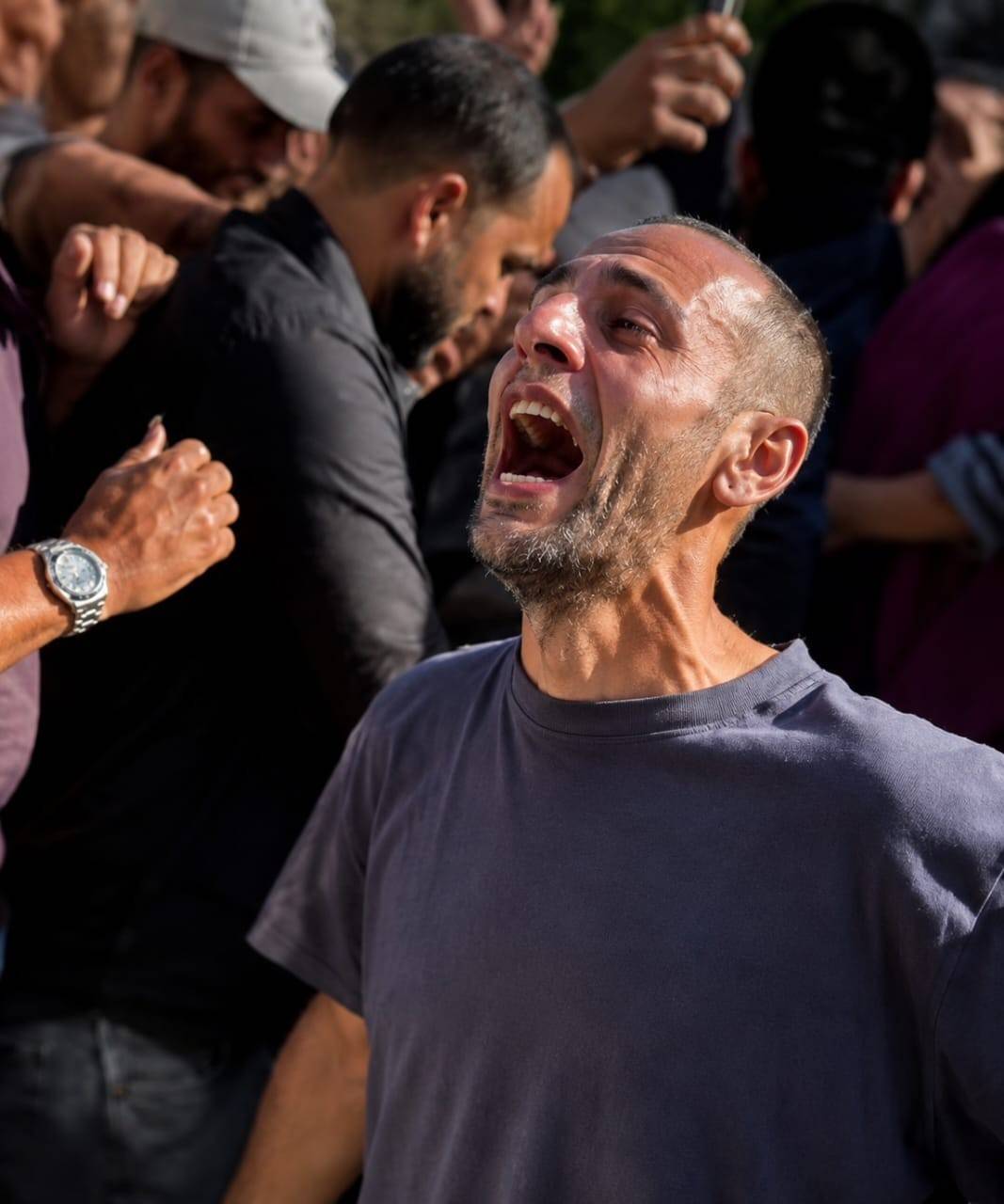
His brain came out of his skull and onto the ground, and the man died instantly.

Of course, I couldn’t get over this scene or this man.

I went to see him, maybe he was someone I knew personally.

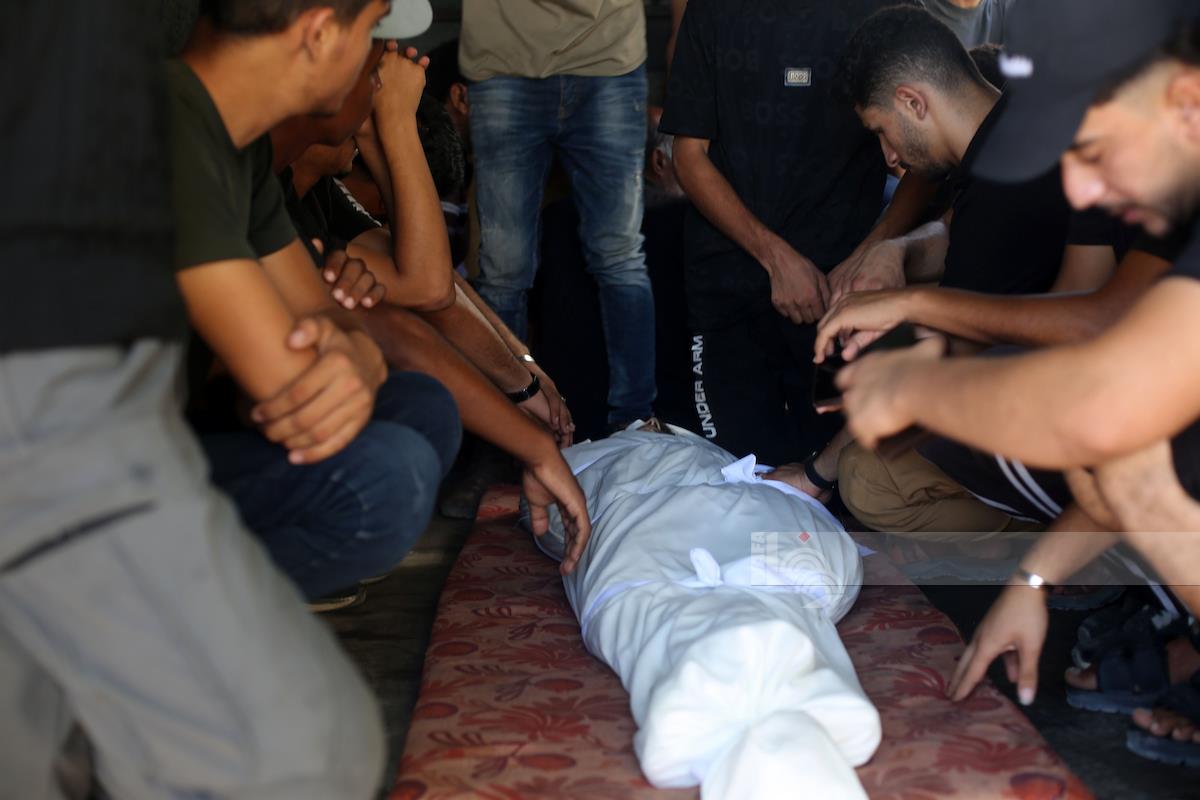
It turned out to be someone I didn’t know, but my friend and I grabbed his body and moved it away from the middle of the road. I had a large empty bag with me just in case.

My friend and I picked up the man’s brain that came out of his skull and put it in the bag I had with us. We tried to find some young men to come with us and carry the body.

We put the body on a donkey-drawn cart, which contained a large number of dead bodies and injured people.

Then, within the 10 minutes we spent collecting the dead man, the trucks ran out of flour, leaving nothing left for us to take.

We returned with nothing.

We are waiting for tomorrow to go again, or for God to provide a way out for us and the people of Gaza.

A story I will never forget in my life.

This is a scene from life in Gaza. I am recounting it to you, and the image of the man who was run over by the truck is still etched in my mind and will never leave.

May God have mercy on this man, on all our martyrs, and on all the people of Gaza, and grant them a way out of this great distress and this intense suffering.

crossfirearabia.com

Continue reading
Israel Destroys 1000 Food Trucks Rather Than Feed Gazans

Israel’s army has destroyed massive amounts of humanitarian aid meant for Gaza, including food, medical supplies, and bottled water, according to a report by Israel’s public broadcaster Kan.

The spoiled aid, left rotting at the Kerem Shalom crossing for weeks, was buried or burned. “We buried everything in the ground, even burned some of it,” said an Israeli army source. “Even today, there are thousands of packages waiting in the sun. If they are not transferred into Gaza, we will be forced to destroy them too.”

The aid totaled over 1,000 truckloads, the source added.

Military officials blamed the destruction on what they called a failed aid distribution mechanism, referring to the Israeli-US Gaza Humanitarian Foundation (GHF). “The mechanism simply doesn’t work,” one officer said. “The trucks are stuck. There is no functioning coordination. The roads are damaged. Nothing is moving.”

Thousands of packages continue to sit at the crossing point, rotting in the heat.

Officials said that even during previous ceasefire deals, large quantities of aid never reached Palestinian civilians. “During the prisoner exchange deal, 4,500 trucks allegedly entered daily. Much of it never left the crossing area,” the army source said.

Currently, only about 100 to 150 trucks enter Gaza daily, a fraction of the need. That aid too is reportedly “spoiling fast.”

Israeli military officials also dismissed suggestions of air-dropping aid into Gaza. “That has already failed, just like the seaport idea,” one said.

This revelation comes as Israel continues to starved Palestinians in Gaza for over 145 days. Over 122 people, most of them are babies, were staved to death by Israel according to Quds News Network.

Continue reading
World Loses Its ‘Humanity’ in Gaza

The UN Office for the Coordination of Humanitarian Affairs (OCHA) has again sounded the alarm over the catastrophic and rapidly deteriorating conditions in the Gaza Strip as Israeli military operations continue to cause death, displacement and destruction.  

In an update on Friday, OCHA said that the starvation crisis is deepening across the enclave, with the local health authorities announcing that two more people had died from starvation the previous day.

Hunger and malnutrition increase the risk of illnesses that weaken the immune system, particularly among women, children, older people and persons with disabilities or chronic diseases, with deadly consequences. 

Food scarcity also impacts pregnant and breastfeeding women, increasing the risk of their babies being born with health complications and affecting mothers’ ability to breastfeed. 

Aid constrictions

The small trickle of supplies making it into the Strip is nowhere near adequate to address the immense needs as Israeli authorities continue to impose constraints on humanitarians and hamper their response. 

Out of 15 attempts to coordinate humanitarian movements inside Gaza on Thursday, four were outright denied, three were impeded, one was postponed and two others had to be cancelled by the organisers, with only five missions facilitated.

Even though the limited amount of fuel received yesterday was fully allocated to community kitchens, healthcare and water and sanitation facilities, the fuel shortage continues as the quantities entering Gaza remain insufficient to maintain essential facilities.

UN preparations

Despite severe constraints, UN teams are prepared to ramp up aid delivery and address these severe needs as soon as they are allowed to do so. 

For the UN to accelerate the delivery of food aid, health services, clean water and waste management, nutrition supplies and shelter materials, Israel must open its crossings, allow fuel and equipment in and permit humanitarian staff to operate safely.

The Under-Secretary-General for Humanitarian Affairs, Tom Fletcher, said in a social media post on Thursday that “we must save as many lives as we can – and we have a plan.” 

The plan he shared with Member States outlines the necessary steps to stop the horror and alleviate constraints on humanitarian operations. 

Mr. Fletcher has also written to the head of the Gaza Humanitarian Foundation (GHF), the aid distribution model backed by Israel and the United States, reiterating that the UN is ready to engage with any partner to provide desperately needed humanitarian aid to Gaza.

He stressed that any such partnership must adhere to the globally accepted principles of humanity, impartiality neutrality and independence, with aid going where needs are greatest and without discrimination and that humanitarians answer to civilians in need, not the warring parties. 

Mr. Fletcher also said that he welcomes dialogue on how to reach as many people as possible to alleviate suffering without causing harm. 

UN News

Continue reading
Last Days of a Baby Which Israel Starved

His birth into this world was meant to be a celebration for his parents and a source of joy for his family, who eagerly awaited the moment they could embrace him and bless their lives with his presence. They hoped to meet all his needs so that he could grow up healthy, like any other child in the world.

When Yahya came into this world, he was born in the disaster-stricken Gaza Strip. His arrival brought a moment of joy amid the surrounding tragedy, but it also marked the start of a relentless struggle to secure his most basic needs under deadly conditions.

Yahya was born in a city subjected to Israeli blockade for over 19 years, a blockade that has further intensified alongside the ongoing genocide since October 2023. Israel has enforced a systematic policy of starvation against the civilian population, allowing only limited quantities of food in rare instances, which are insufficient to meet the desperate needs of the starving population in the Gaza Strip.

Yahya’s mother collided with this deadly reality. Her infant, like many in the city, showed signs of debility from extreme hunger. Weakened by hunger herself, she rushed him to Nasser Hospital in Khan Younis, southern Gaza, as he was suffering from fatigue caused by days of diarrhoea. There, she and his father learned he was severely malnourished, and the doctor said he must be placed under observation in the intensive care unit.

The facts of the matter are that Yahya reached this critical condition after going four days with nothing to eat but anise, which provides no nutritional value for a four-month-old infant. He did not starve by coincidence or due to negligence. Yahya’s parents knocked on every door in the city in search of milk or any nutritional supplements, but found nothing because of the tight Israeli blockade. Israel prevents the entry of even the most basic nutritional necessities for both children and adults, leaving them to starve to death in full view of a world that watches these atrocities unfold and remains silent.

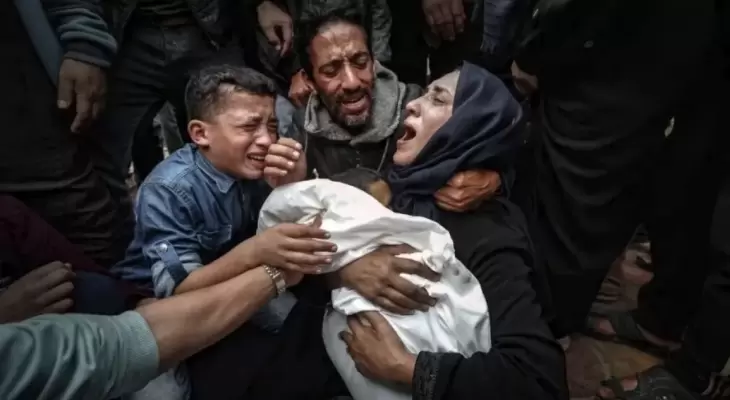
Starvation did not give Yahya much time, and his small, frail body could not endure for long. He died after only four months of a life in which he knew nothing but suffering and pain. What once seemed an unlikely fantasy became a grim reality: Yahya died of starvation.

Describing his child’s body, Yahya’s father asked, “What is my child’s fault that he should die of hunger and the lack of children’s supplies in the Gaza Strip? What is his fault?” He continues, “Look how his body has wasted away; look how his skin has stuck to his bones!”

Yahya’s father carried his child’s body, crying out with a heart heavy with grief, sorrow, and pain: “We call on the entire world, and on anyone with a living conscience, mercy, and humanity, to look into the fate of our children who are dying for lack of milk and food.”

His mother wept bitterly as she recounted, “He hasn’t eaten anything for four days except anise and water because there was no milk or formula available. He was always putting his hand in his mouth because he was so hungry.”

The grieving family gathered around Yahya’s body, which lay colourless on the bed, his bones protruding and skin wrinkled. They wept as their joy turned into bereavement by circumstances too overwhelming to alter or improve.

Yahya was neither the first nor the only child to die in Gaza as a result of Israel’s systematic starvation policy. According to the Palestinian Ministry of Health in Gaza, over 110 people, mostly children, have died from starvation and malnutrition.

Since last March, when Israel reimposed severe measures on the Gaza Strip, approximately 90 children have died from starvation, which continues to worsen. Increasing numbers of people of all ages are arriving at hospitals in states of extreme exhaustion and fatigue, with some collapsing from severe hunger and malnutrition.

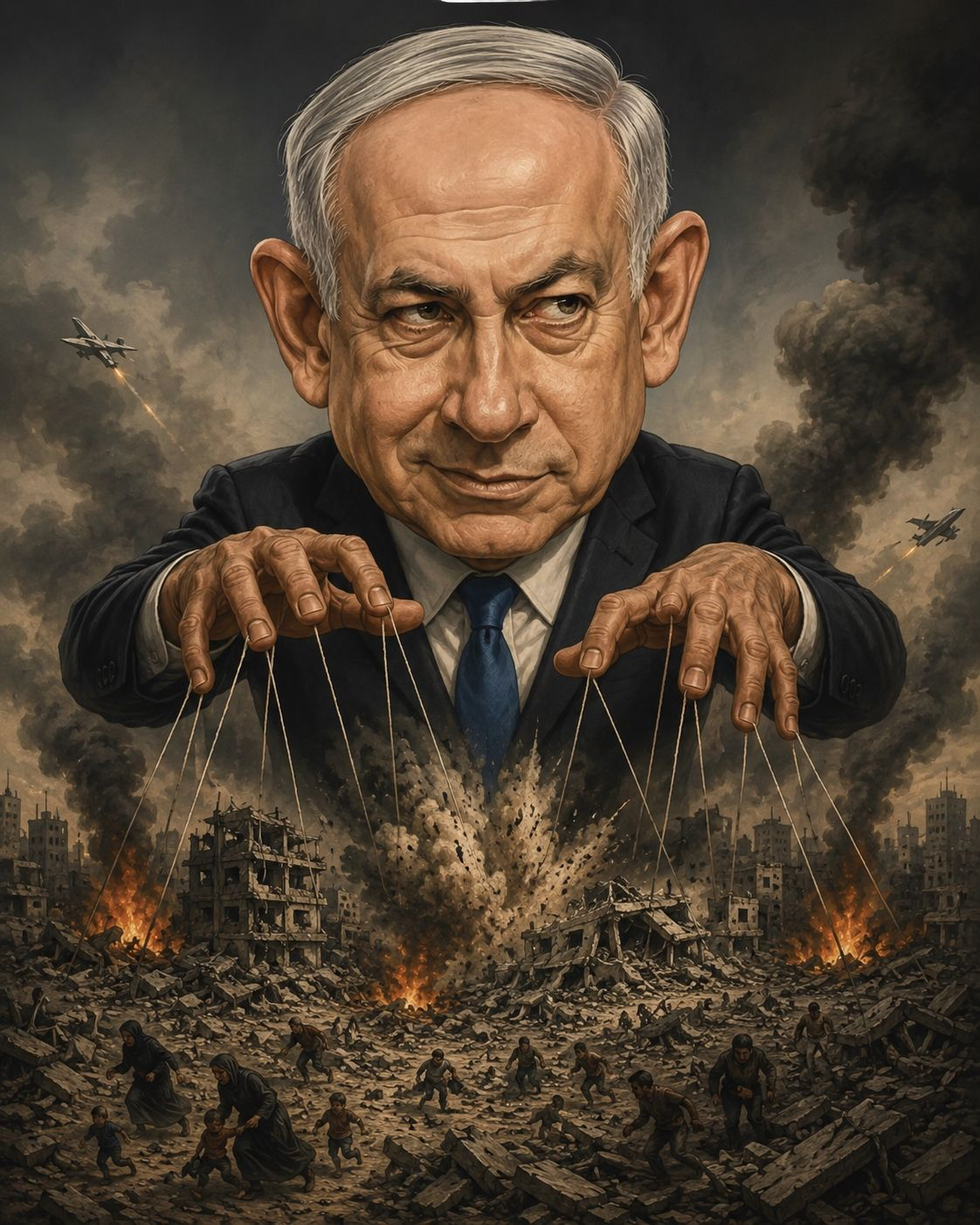
During Israel’s genocide in the Gaza Strip, Prime Minister Benjamin Netanyahu repeatedly stated that the assault is not merely Israel’s war, but a “clash between barbarism and civilisation”that extends beyond the fight against terrorism.

Is it truly a merit of the ‘civilised world’ to starve children and adults to death? Or to enable such starvation by turning a blind eye to Israel’s atrocities in Gaza, providing it with every justification to continue? Are the vulnerable, starving-to-death victims in Gaza ‘barbaric’ and therefore deserve to be wiped out?

In the besieged Gaza Strip, approximately 650,000 children are at risk of starvation unless the world acts urgently to halt the genocide, lift the suffocating blockade imposed on civilians, and use all available tools to save what remains after over 21 months of comprehensive and systematic targeting of every aspect of life in the enclave, and the deliberate destruction of society in its entirety.

Death by starvation should never be a common sight in hospital corridors, morgues, or cemeteries. Yet, in Gaza, its chilling spectre now looms constantly over everyone as famine deepens and the blockade, which Israel has tightened since 2 March, continues.

Since late May, Israel, with US support, has imposed a sham aid mechanism that, once put into operation, has proven to be a new killing ground and a death trap. A US-backed foundation places limited food boxes for thousands of starving people in dangerous military zones, while the Israeli army kills them in cold blood as they approach. More than a thousand starving people have since been killed, unprovoked and without any reason or even a pretence of justification.

Palestinians in the Gaza Strip no longer have any means of escape from the conditions that have converged to destroy and erase them. With empty stomachs and frail bodies, they stand alone against a vast military arsenal designed for warfare against massive armies, not defenceless civilians, while no one is intervening to end this slaughter.

EuroMed Human Rights Monitor

Continue reading
France Recognizes a Palestinian State

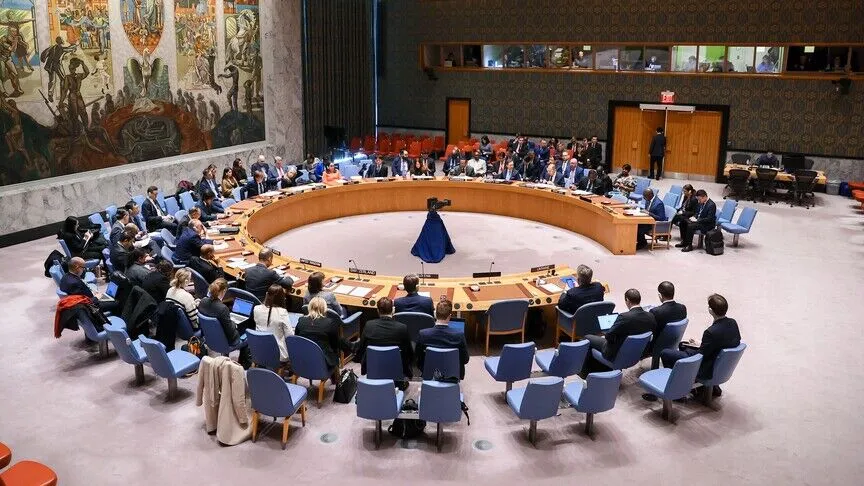
French President Emmanuel Macron on Thursday said he will officially announce France’s recognition of the State of Palestine at the UN General Assembly in September.

“Faithful to its historic commitment to a just and lasting peace in the Middle East, I have decided that France will recognize the State of Palestine,” Macron said on X.

He underlined the urgency of ending the conflict in Gaza and providing aid to civilians affected by the war.

“The urgent priority today is for the war in Gaza to end and for the civilian population to be rescued,” he stated according to Anadolu.

“Peace is possible,” Macron stressed, calling for an immediate ceasefire, the release of all hostages, and large-scale humanitarian assistance.

He also highlighted the need to “ensure the demilitarization of Hamas, secure and rebuild Gaza.”

Macron said the goal must be to “build the State of Palestine, ensure its viability, and enable it—by accepting its demilitarization and fully recognizing Israel—to contribute to the security of all in the Middle East.”

“There is no alternative,” Macron stated, stressing that the French people want peace and that achieving it requires a collaborative effort between Israelis, Palestinians, and international partners.

“The French people want peace in the Middle East. It is up to us, the French, together with the Israelis, the Palestinians, and our European and international partners, to prove that it is possible,” he added.

He said he conveyed his determination to move forward in a letter to the President of the Palestinian Authority, citing “the commitments made to me by the President of the Palestinian Authority.”

“Trust, clarity, and commitment. We will achieve peace,” Macron concluded.

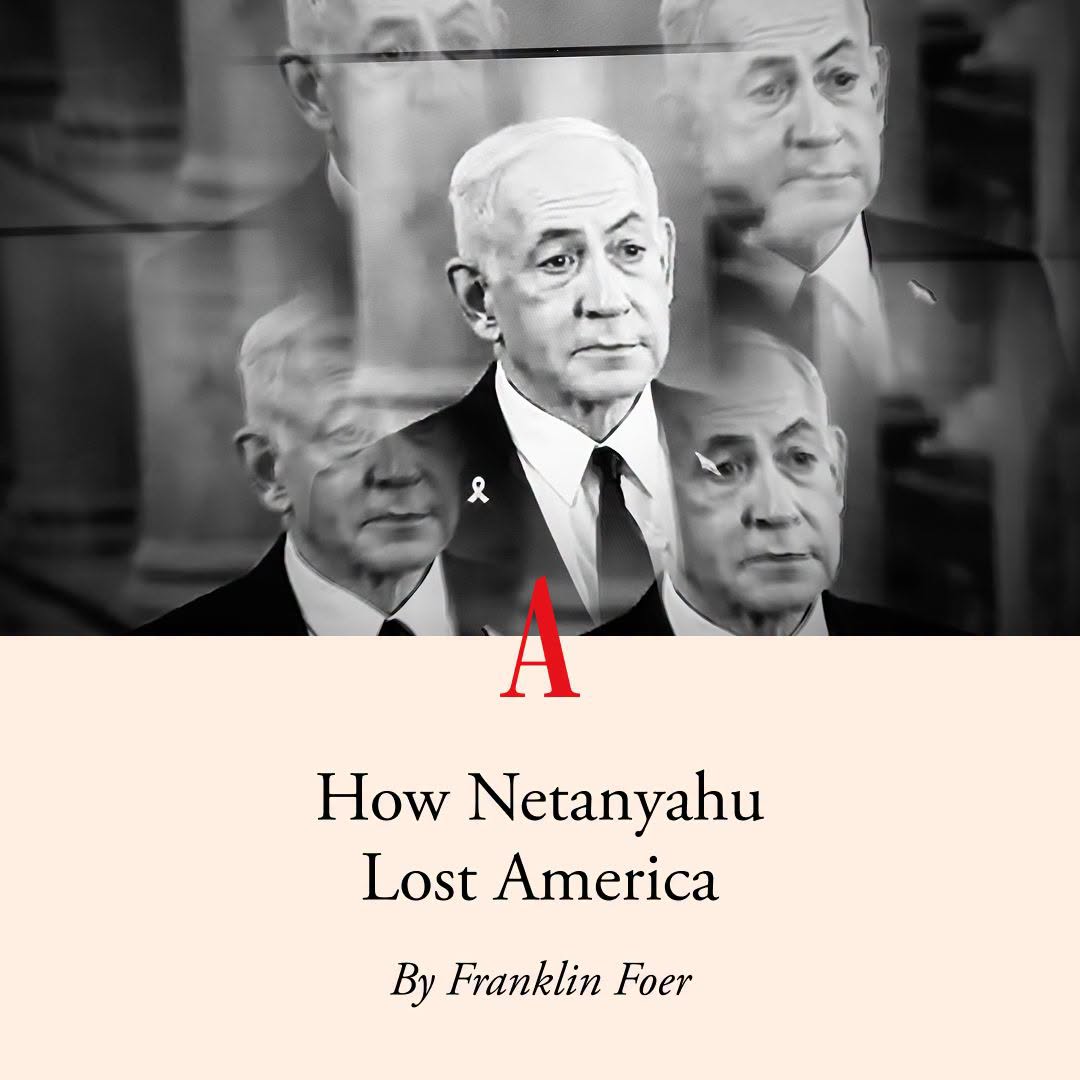
Israeli Prime Minister Benjamin Netanyahu and senior officials expressed outrage after French President Emmanuel Macron announced Thursday that France will recognize the State of Palestine during a UN General Assembly meeting in September.

In a statement issued by his office, Netanyahu condemned Macron’s pledge as “rewarding terror,” referencing the Oct. 7, 2023 attack by the Palestinian group Hamas on Israel.

“I strongly condemn President Macron’s decision to recognize a Palestinian state next to Tel Aviv in the wake of the October 7 massacre,” the statement said, adding that such a move “rewards terror and risks creating another Iranian proxy, just as Gaza became.”

“A Palestinian state in these conditions would be a launch pad to annihilate Israel — not to live in peace beside it,” he claimed.

“Let’s be clear: the Palestinians do not seek a state alongside Israel; they seek a state instead of Israel,” he added.

Hamas welcomed French President Emmanuel Macron’s pledge Thursday to recognize Palestine as a state at the UN General Assembly in September.

The Palestinian group described the declaration as “a positive step in the right direction” toward justice for the Palestinian people and support for their right to self-determination and an independent state on all occupied Palestinian land, with Jerusalem as its capital.

It called the French stance “a political development that reflects growing international conviction in the justice of the Palestinian cause and the failure of the Israeli occupation to distort facts or suppress the will of free nations.”

Hamas added that such international steps “represent political and moral pressure” on Israel.

The Palestinian Foreign Ministry also welcomed Macron’s decision, describing the move as “historic.”

In a statement, the ministry noted that the decision “reflects a commitment to international law and resolving the conflict through political means to implement the two-state solution under UN resolutions and to achieve peace in the region and the world.”

The ministry urged other countries to recognize Palestine and participate actively in the upcoming UN conference in New York, while also taking practical steps to ensure the preservation of the two-state solution.

It described Macron’s announcement as “a victory for Palestinian diplomacy and Arab efforts, particularly those led by the Kingdom of Saudi Arabia, to secure broader international recognition of the State of Palestine.”

Macron said in a post on X that he will officially announce France’s recognition of the State of Palestine at the UN General Assembly in September.

“In line with our historic commitment to a just and lasting peace in the Middle East, I have decided that France will recognize the State of Palestine,” he said.

Continue reading