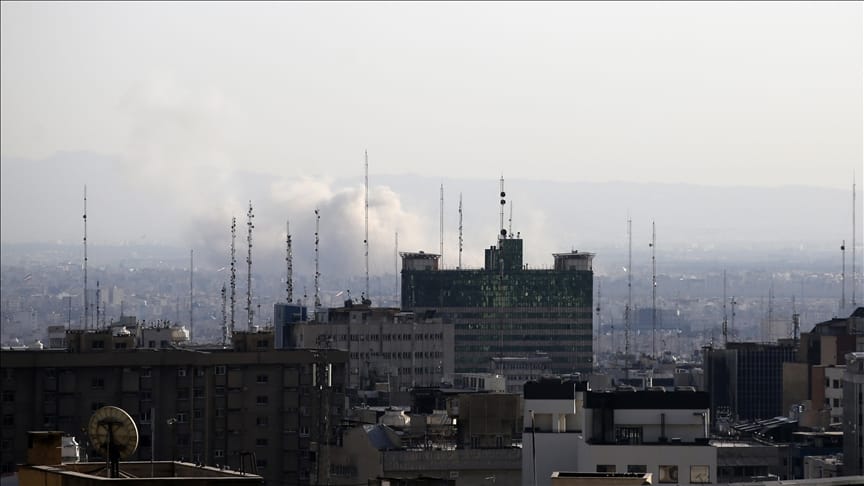
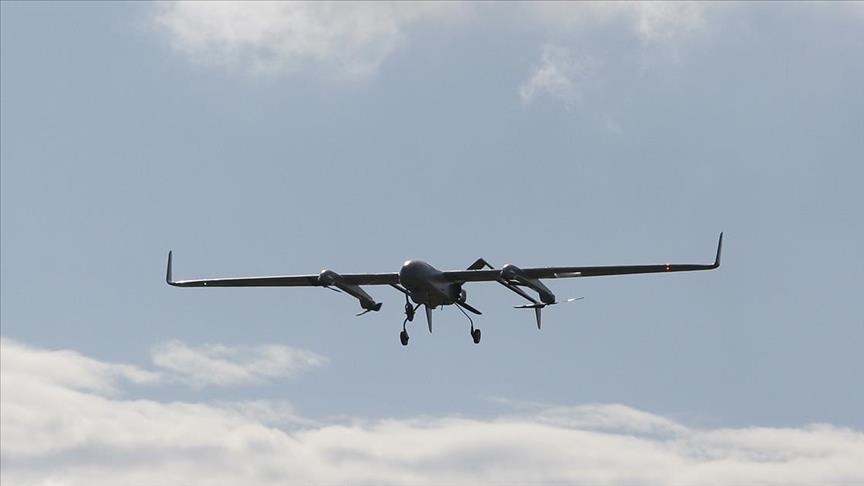
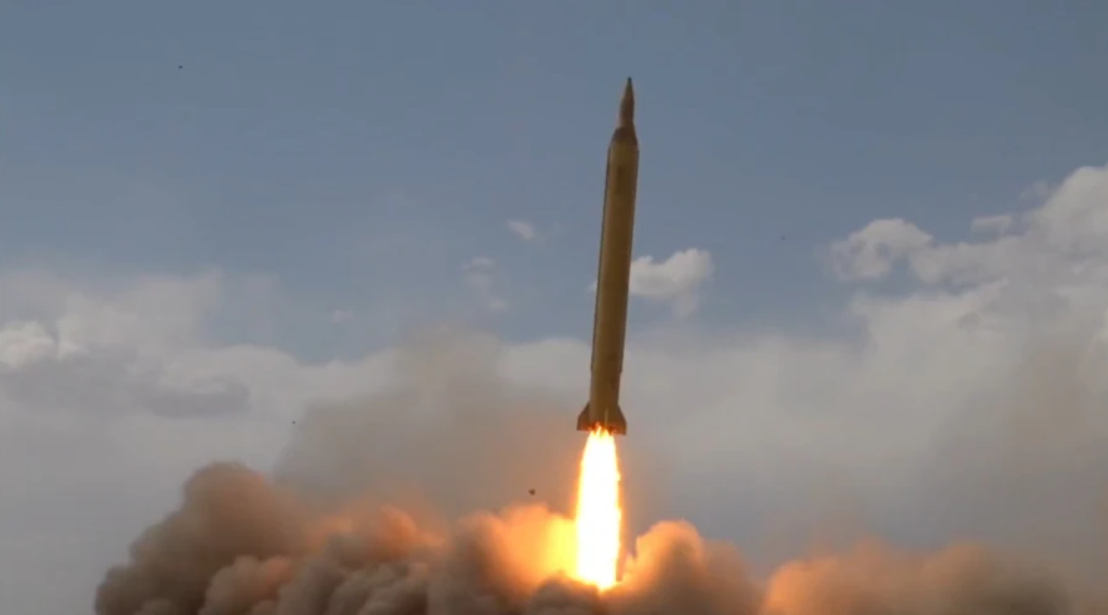
Iran Denies Role to Assassinate Israeli Envoy

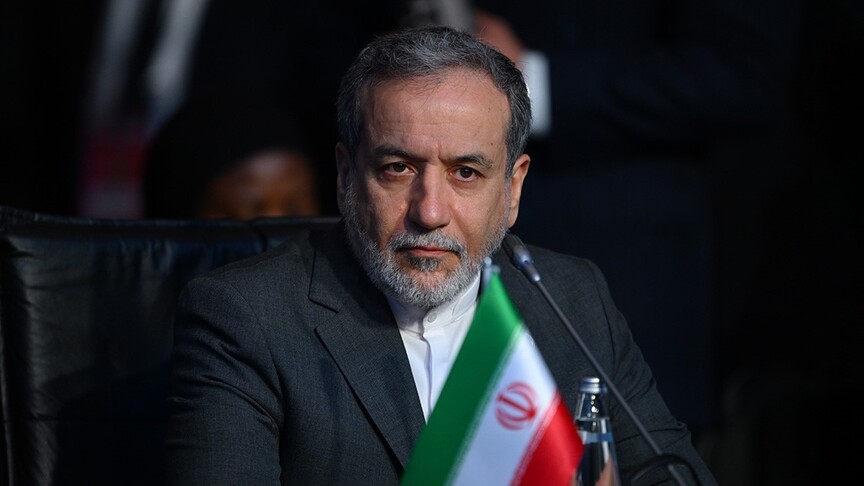
Iran denied allegations Friday that it attempted to assassinate Israeli ambassador to Mexico, Einat Kranz-Neiger

It called the claims “a fabricated lie” to damage Tehran’s relations with Mexico.

The Iranian Embassy said the reports were “a major falsehood and media fabrication intended to harm the friendly and historic relations between Iran and Mexico.”

“Iran categorically rejects these baseless allegations,” it said, stressing that “we would never harm the good image of our Mexican friends. Betraying Mexico’s interests would be like betraying our own. Respect for Mexican law remains our top priority.”

The denial followed a report by US-based news outlet Axios, which cited unnamed American and Israeli officials claiming that Iran’s Islamic Revolutionary Guard Corps (IRGC) Quds Force attempted to assassinate the Israeli ambassador earlier this year.

Axios said Mexican security forces allegedly foiled the plot, a claim that Israel’s Foreign Ministry later said was accurate.

Mexico also has rejected the allegations. The Foreign Ministry said there were no reports of an attack on Kranz-Neiger and denied security forces had thwarted any such operation.​​​​​​​

“The Ministry of Foreign Affairs reiterates its commitment to maintaining open and continuous communication with all diplomatic missions accredited in our country,” it said, adding that Mexico remains committed to “respectful and harmonious cooperation with all security institutions” within the framework of national sovereignty according to Anadolu.

Continue reading
Turkish Court Issues Arrest Warrants For Netanyahu, 36 Israeli Officials

Hamas welcomed a Turkish court decision, Friday, to issue arrest warrants for Israeli Prime Minister Benjamin Netanyahu and 36 other officials on charges of genocide and crimes against humanity over Israel’s deadly war on the Gaza Strip.

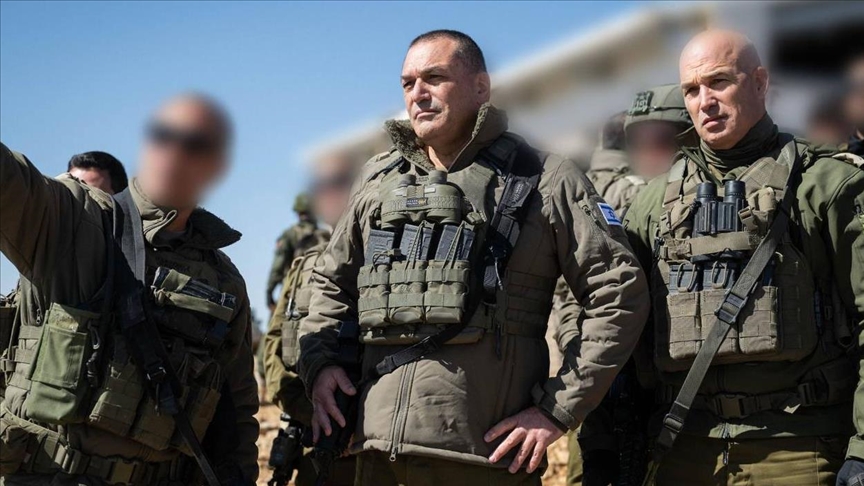
The warrants issued by the Istanbul Chief Public Prosecutor’s Office target senior Israeli officials, including Defense Minister Israel Katz, National Security Minister Itamar Ben-Gvir, Army Chief Eyal Zamir, and Israeli Naval Forces Commander David Saar Salama.

“This commendable step reflects the genuine positions of the Turkish people and leadership in standing firmly by justice, humanity, and the bonds of brotherhood that unite them with our oppressed Palestinian people, who have faced and continue to face one of the most brutal genocidal wars in modern history at the hands of the fascist occupation leaders,” Hamas said in a statement.

It called on world governments and judicial bodies to “issue legal warrants to pursue the leaders of the Zionist (Israeli) occupation wherever they are, and to bring them before courts to hold them accountable for their crimes against humanity.”

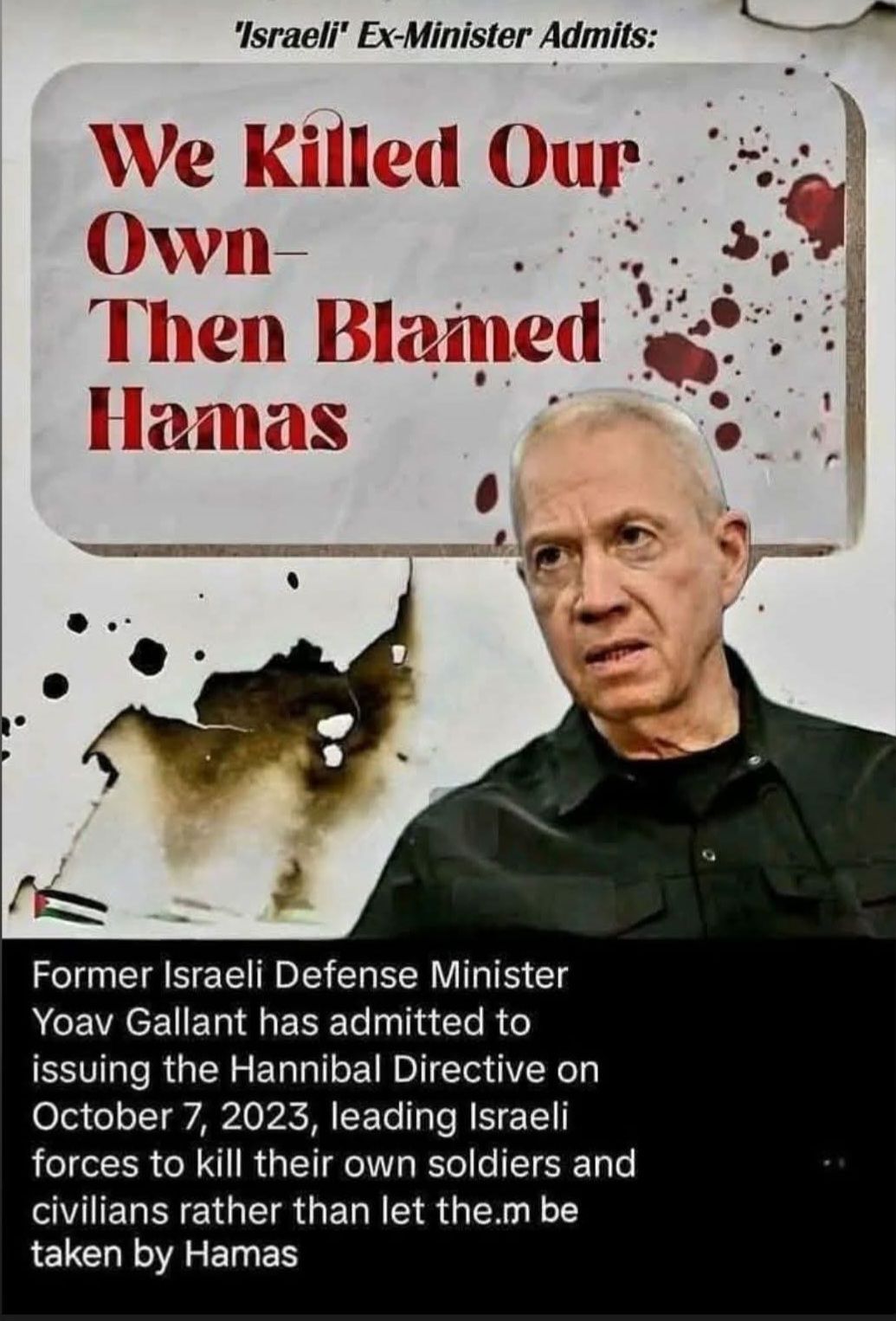
On Nov. 2024, the International Criminal Court issued an arrest warrant for Netanyahu and former Defense Minister Yoav Gallant over war crimes and crimes against humanity committed against Palestinians in the Gaza Strip.

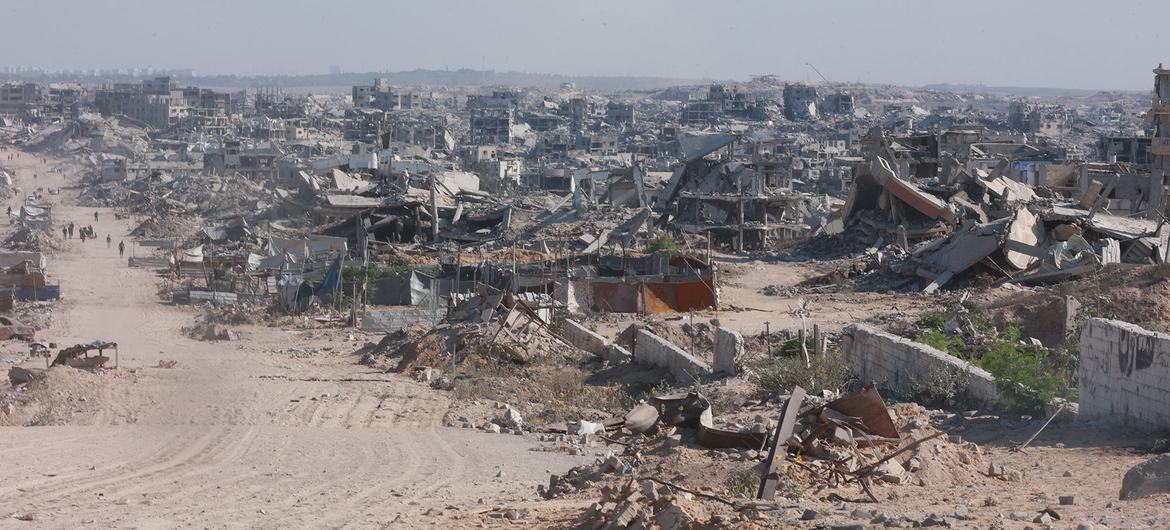
Israel has killed close to 69,000 people, mostly women and children, and injured over 170,000 others in a brutal assault in Gaza since October 2023, before the offensive came to a halt under a ceasefire deal that took effect on Oct. 10.

Continue reading
Analysis: Israel Seeks “Most” Out of Ceasefire

Military-strategic expert retired Major-General Mamoun Abu Nuwar states the ceasefire in the Gaza Strip remains extremely fragile as Israel continues to control the ground, security corridors and the buffer zone east of the enclave.

Abu Nuwar told Jordan 24 the current situation on the so-called “yellow line”—with its construction, improvements, and the creation of earthen fortifications—clearly shows Israel wants to make this line a permanent reality and has no intention of withdrawing from east of Gaza and will continue to carry out airstrikes and artillery shelling under the pretext of “thwarting imminent terrorist attacks.”

He added Israel seeks to establish a new reality on the ground and reinforce its security presence in the eastern areas, while simultaneously continuing to bombard the western areas of the Strip. This, he clarified, threatens the continuation of the truce and reduces it to a mere shadow.

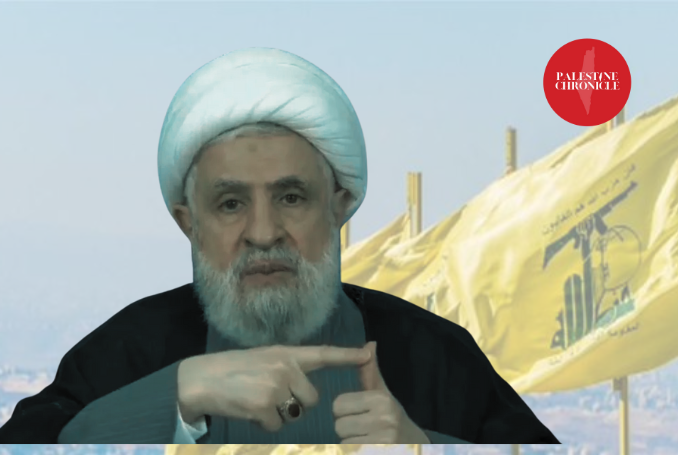
Retired Major-General Mamoun Abu Nuwar

Regarding the formation of an international stabilization force in Gaza, Abu Nuwar explained it would be “a key element in the transitional phase,” but its success hinges on several crucial factors, notably a clear UN and Security Council.

He pointed out that any international force wouldn’t succeed without first of all coordinating it with and agreement of Hamas. He said without this, such a force would be seen as an occupation force exposing it to armed confrontation with the other resistance factions.

He stressed such force must have specific and clear tasks limited to maintaining security and assisting in the reconstruction of Gaza, along with establishing rules of engagement and a unified command structure to prevent a slide into open conflict.

Abu Nuwar indicated disarming Hamas is going to be one of the most “significant obstacles” to a settlement, as Israel insists on making it a precondition for any reconstruction or withdrawal. This is while Hamas states it would only disarm if a just political settlement leading to the establishment of a Palestinian state is reached.

He added Hamas agreed in principle to the formation of a technocratic administrative committee to take over the administration of Gaza and to allow the deployment of a new Palestinian force currently being trained in Jordan and Egypt, as part of an international plan to manage the next phase. However, Israel rejects the presence of Turkish forces in any potential mission and prefers the participation of countries such as Azerbaijan, Malaysia, and Indonesia.

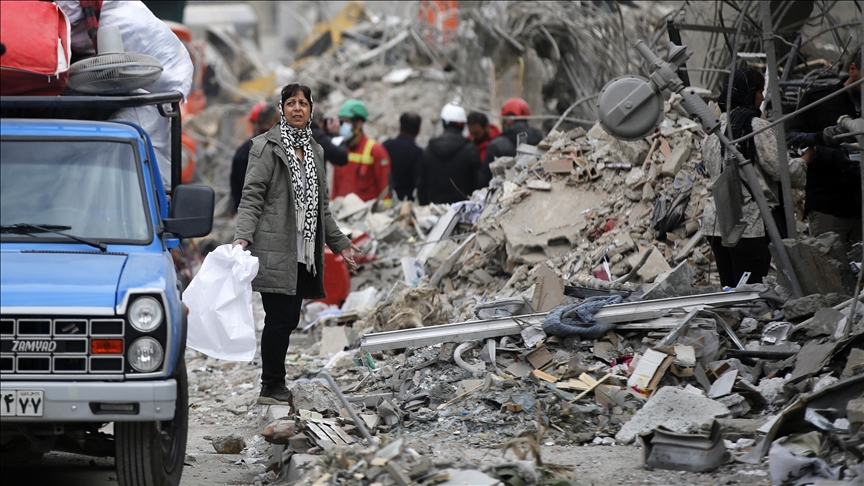
Abu Nuwar believes Israel will not withdraw completely from the Gaza Strip and will seek to maintain its security and military control over the border crossings and areas. He pointed out the continuation of this situation could lead to new waves of displacement of Palestinians, given the catastrophic humanitarian conditions in the south, particularly in Rafah and Khan Younis.

He indicated any attempts to rebuild or develop new areas in Rafah will fail unless the siege is lifted and full Palestinian control is restored. He noted the continued ambiguity surrounding the “yellow line” drawn by Israel east of the Gaza Strip suggests there is an attempt to impose a new geographical and political division in the enclave

Abu Nuwar concluded by saying that the road to a political solution or a comprehensive peaceful settlement is still long and arduous, especially with Israeli Prime Minister Benjamin Netanyahu’s lack of interest in the political process due to his internal electoral calculations. He stressed that the continuation of the current situation will make the ceasefire merely a cover for a new occupation reality, and will open the door to repeated clashes and numerous difficulties in implementing any peace plan or genuine reconstruction.

Continue reading
Mamdani: First Muslim New York Mayor

Muslim New Yorkers celebrated Tuesday night after Zohran Mamdani won the city’s mayoral race, becoming the first Muslim and South Asian to lead the Big Apple.

❮❯

Muslim New Yorkers celebrate Zohran Mamdani’s mayoral victory

Mamdani, 34, a Democratic Socialist and state lawmaker from Queens, defeated independent former governor Andrew Cuomo and Republican Curtis Sliwa in what observers describe as one of the city’s biggest political upsets in years.

With more than 50% of the vote and a record-breaking turnout exceeding 2 million ballots, Mamdani’s victory sparked celebrations across neighborhoods like Astoria in Queens, where his grassroots campaign first began.

For many Muslim residents, the win carries deep emotional significance.

“I am very excited about this election,” Zamzam Ali, who lives in Brooklyn, told Anadolu during a celebration in front of a Yemeni cafe in Astoria. “Zohran Mamdani embodies the universal struggles that the general population of a city strive for — better living conditions, fair pay, affordable price and rent and equality for all.”

Ali said Mamdani’s victory also resonates on a personal level.

“Muslims have really struggled and been victims of discrimination in America since 9/11,” he said. “So, to see a Muslim become the mayor of the very city in which Muslims were blamed for all kinds of crimes and accused of terrorism — it’s phenomenal.”

Mamdani’s campaign centered on affordability and social justice, pledging rent freezes, free buses, universal childcare, and city-run grocery stores. He has also proposed raising the minimum wage to $30 per hour by 2030 and increasing taxes on corporations and millionaires to fund these programs.

Faizah, 31, who wanted to be identified only by her first name, said Mamdani’s proposals give her hope.

“As a teacher, I think that he has a lot of good policies with moving the funding so that teachers and parents can actually put more of their emphasis on to education,” she told Anadolu. “Rent is pretty insane in New York City, so freezing the rent is a big deal. I think he’s for the people.”

For others, the moment feels transformative.

“We’re very proud of him,” said Badger Shahbain, a Muslim New Yorker who has known Mamdani for years. “This is going to change history — the way he was able to win changes everything. I truly believe he’ll do a great job.”

During the victory party at Brooklyn’s Paramount Theater, Mamdani thanked supporters and called for unity. “We will build a City Hall that stands steadfast alongside Jewish New Yorkers … where the more than 1 million Muslims know that they belong,” he said to thunderous applause. “No more will New York be a city where you can traffic in Islamophobia and win an election.”

The Council on American-Islamic Relations (CAIR) hailed Mamdani’s win as a “historic turning point” for American Muslim political engagement. “Mamdani’s ability to win while openly advocating for Palestinian human rights and experiencing a barrage of anti-Muslim hate also marks a historic rebuke of both Islamophobia and anti-Palestinian racism in politics,” the group said.

Continue reading
The Pharaoh, Sphinx and The Museum

After years of anticipation, the Grand Egyptian Museum by the Pyramids opened on Saturday evening, marking the world’s largest archaeological complex dedicated to a single civilization.

The museum was opened in an official ceremony attended by President Abdel Fattah al-Sisi and delegations from 79 countries, including 39 led by kings, princes, and heads of state and government.

The launch featured musical performances in one of the museum’s courtyards, with the three pyramids visible in the background.

Performers appeared in distinctive pharaonic attire, resembling a grand procession according to Anadolu.

Egyptian Prime Minister Mostafa Madbouly described the museum as a “unique global edifice” and an “exceptional event in Egypt’s history.”

“This dream has lived in our imagination for years. This world-class monument is a gift from Egypt to humanity — a nation with more than 7,000 years of history,” he told a press conference before the opening.

Madbouly thanked everyone who contributed from the idea’s inception to the completion of the project, noting that most of the construction was carried out over the past seven years.

He explained that the concept dated back around 30 years, followed by preparatory work, design competitions, and architectural studies, before the construction began.

Board of Trustees member and businessman Mohamed Mansour predicted that the museum would attract over five million visitors annually.   

‘Fourth pyramid’

The idea of the Grand Egyptian Museum originated in the 1990s under former Culture Minister Farouk Hosni, who envisioned an open museum encompassing the pyramids, the Sphinx, and surrounding temples.

Former President Hosni Mubarak laid the foundation stone for the museum in 2002, and site preparation began in May 2005, but the project stalled for years.

Work resumed in 2014 under President Sisi, who expanded the plan to make it the largest museum in human history.

Between 2017 and 2023, construction, digital infrastructure, display design, and service and investment facilities were completed. The museum began trial operations in October 2024, pending its official opening as the world’s largest archaeological complex dedicated to a single civilization — Ancient Egypt.

Located two kilometers from the Giza Pyramids, the museum covers 490,000 square meters. Visitors can view the pyramids through the five-story glass facade, designed to align with the Great Pyramid’s height, and take photos with the pyramids while exploring King Tutankhamun’s treasures.

The project cost around $1 billion, financed through two Japanese loans totaling $800 million, in addition to Egyptian government funding, donations, and partnerships.

The entrance hall features a colossal statue of Ramses II, and the museum houses over 57,000 artifacts chronicling Egypt’s history. The Grand Staircase spans 6,000 m² — the height of a six-story building — and the museum includes 12 main galleries, temporary exhibition halls, and the Tutankhamun collection with over 5,000 artifacts displayed together for the first time since the tomb’s 1922 discovery.

It also includes a children’s museum, artifacts from Queen Hetepheres, mother of King Khufu, the Khufu boat museum, and various pieces from the Greek and Roman eras.

The design represents sun rays converging from the three pyramids, forming a conical structure — the museum itself — appearing as a “fourth pyramid” when viewed from above.

The logo, unveiled on June 10, 2018, emerged from an international UNESCO-supervised design competition. It reflects the building’s architectural identity, inspired by the orange glow of sunset over the plateau and fluid Arabic calligraphy evoking desert dunes.

Continue reading