Why Are Israeli Soldiers Committing Suicide?

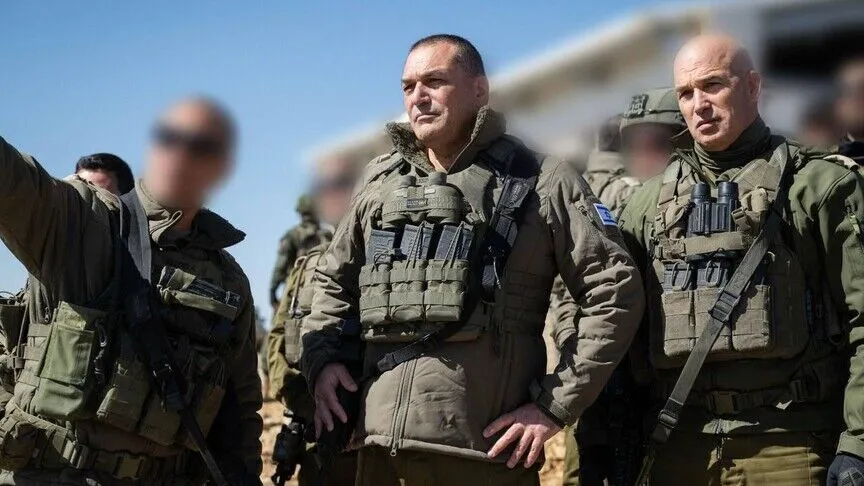
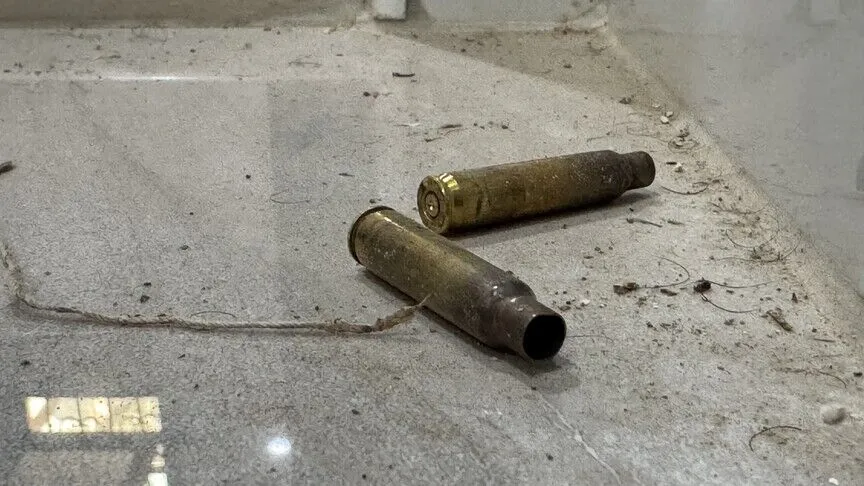
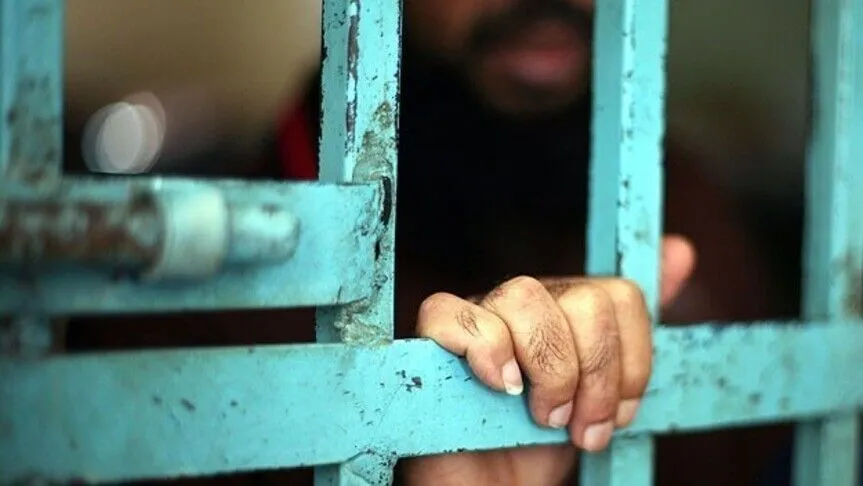
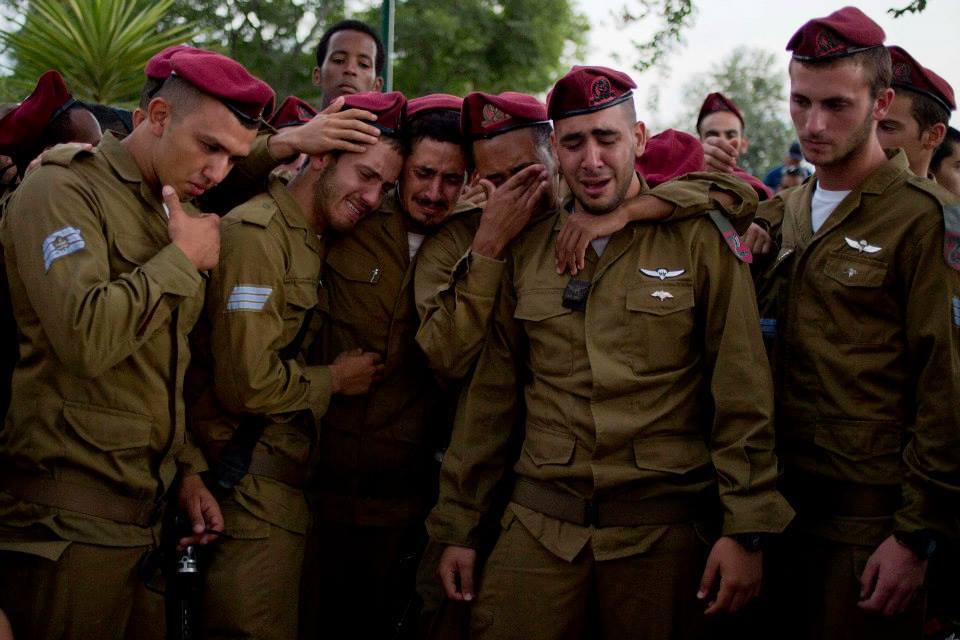
The number of Israeli soldier committing suicide after serving in Gaza is going up at alarming rates. Just last Thursday a soldier soldier took a gun to his head and fired point-blank.

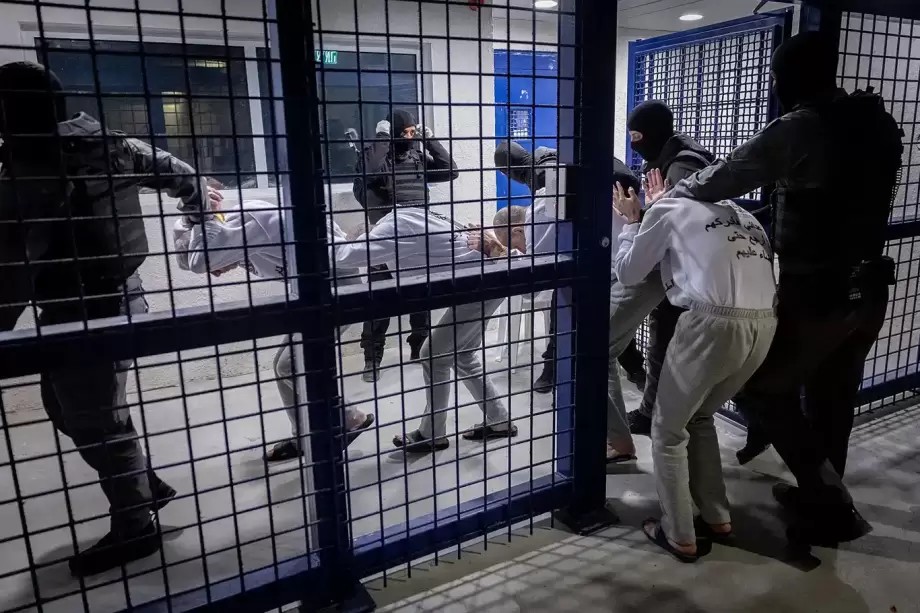
The incident was at the Sde Teiman military base in southern Israel. The soldier had just returned from fighting in the Gaza Strip.

The Israeli daily Haaretz reported that the soldier was a member of the notorious Golani Brigade that has been fighting in Gaza soon after 7 October, 2023 and who was being questioned by the Israeli military police for bloody incidents carried out in Gaza.

He had come to the military base for a rest from the fighting but soon found out the military police were waiting for him according to Haaretz.

Its rare to investigate soldiers committing atrocities in Gaza but a probe was opened against him a month ago where it was reported that his commanders decided to confiscate his weapon.

On the night of the incident shooting he slowly took the gun of his friend who was his asleep and pulled the trigger on himself.

Its understood, he was suffering from a sever psychological depression since his close friend was killed in a bomb explosion in Gaza last month.

The number of Israeli soldiers committing suicide have shot up since the start of the Gaza war in October 2023.

On Sunday, a reserve soldier killed himself in a forest near the northern city of Safed due to psychological problems from the Gaza war.

About 21 soldiers took away their lives in 2024 according the Israel Hayom newspaper. This is while Haaretz said that 42 soldiers committed suicide since the start of the Israeli genocide.

Last week another Israeli soldier took away his life just after celebrating his 24th birthday having served in the wars on Gaza and Lebanon.

“He told me he saw horrors. He couldn’t stand the pain anymore,” the mother of soldier Daniel Edri told Walla News.

“He told me that he saw horrors, and said to me: Mom, I smell the smell of the bodies and I see the bodies all the time,” his mother recalled. He was discharged from the army five months ago and was involved in transporting the bodies of dead Israeli soldiers.

His life stopped after he set himself on fire inside his car outside an Israeli settlement near the Palestinian town of Safad, pointing out that he was mentally disturbed.

Many have long reported that there is a clear mental health crisis in the Israeli army with the highest toll in 13 years of soldiers taking away their lives

Continue reading
Israel Kills Two Journalists in Under 48 Hrs

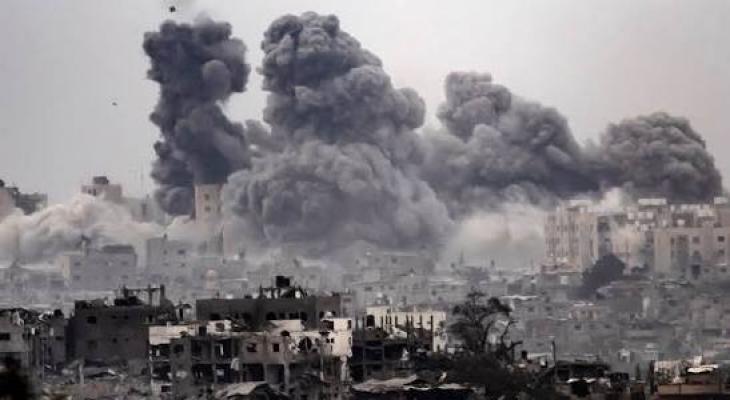
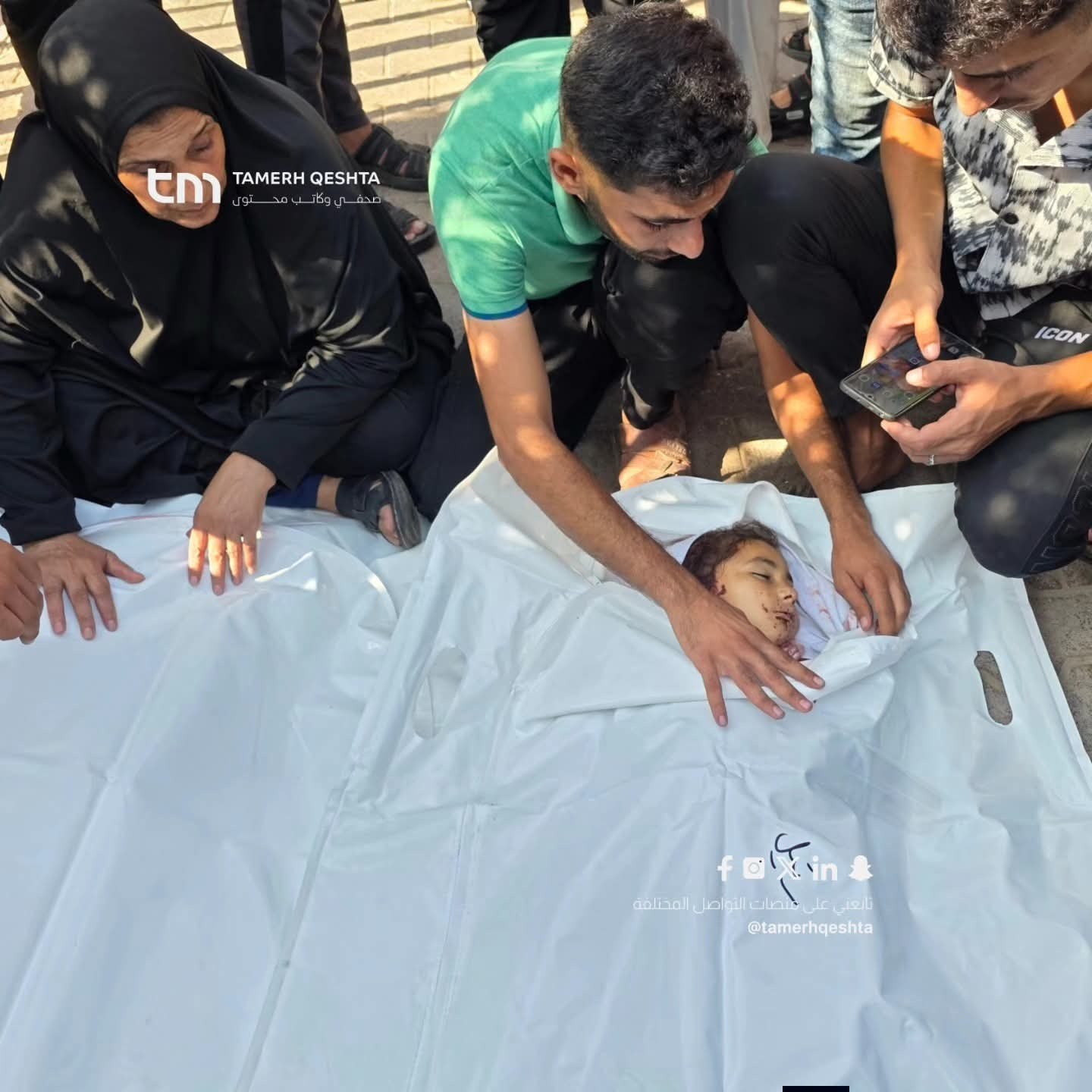
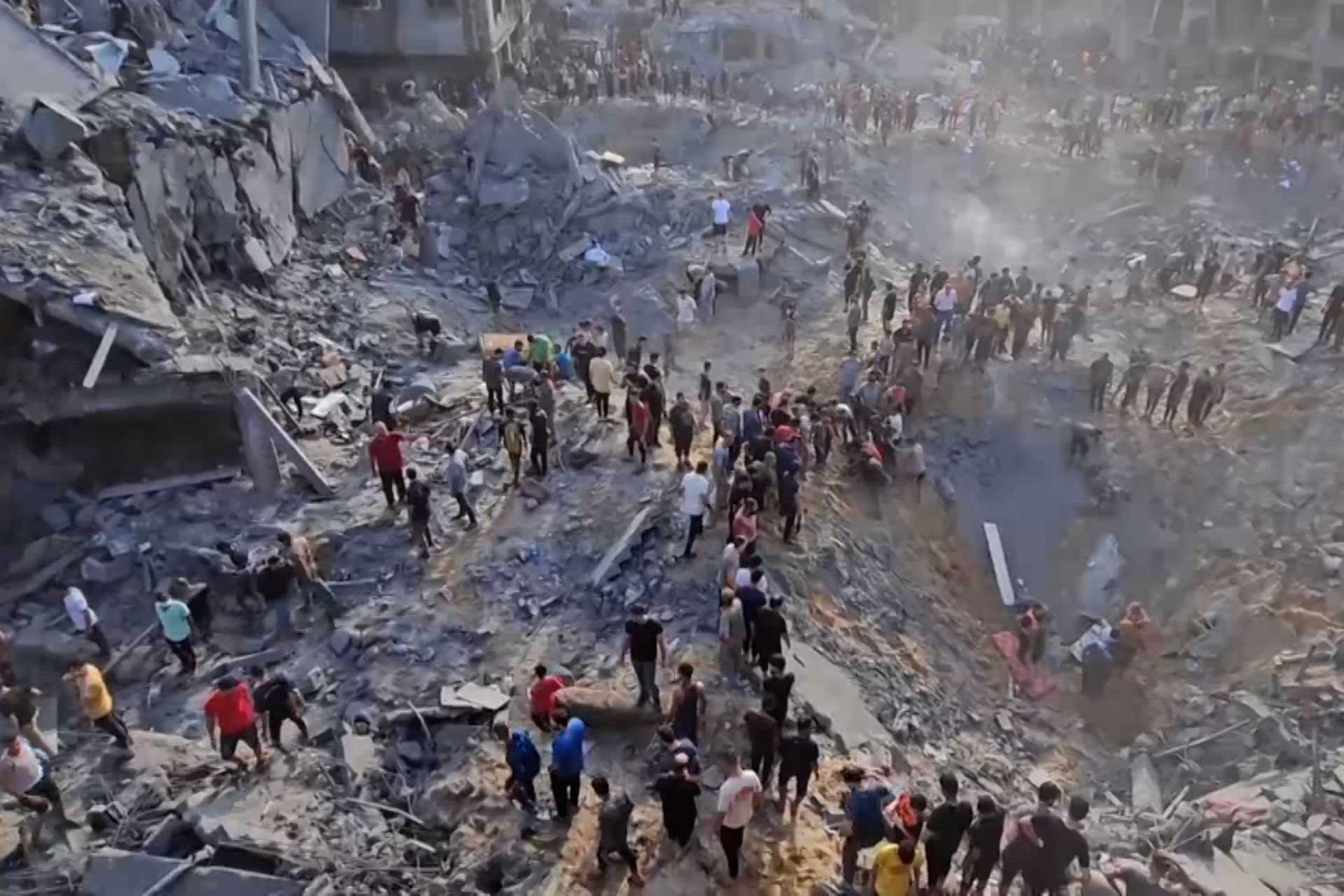
Israel killed one more Palestinian journalist, Sunday, in a mass airstrike on Al-Zaytoun neighborhood in southeastern Gaza City.

The strike killed two Palestinians, including journalist Fadi Khalifa, according to medical sources in Gaza.

Khalifa’s death hikes the number of journalists killed in Gaza since the start of Israel’s military campaign on Oct. 7, 2023 to 230 according to data by the Gaza Government Media Office.

Israel repeatedly targets journalists in a bid to stop coverage of the genocide, now going to nearly two years. On Thursday, the office said journalist Ahmad Salamah Abu Aisha lost his life after being directly hit in an Israeli drone attack in front of his home in the Sawarha area, west of the Nuseirat refugee camp in central Gaza.

The office explained that Abu Aisha was killed as a result of a direct attack by Israeli drones in front of his home in the Al-Sawarah area, west of the Nuseirat refugee camp in the central Gaza Strip.

In a Media Office statement condemned “in strongest terms” the occupation’s systematic targeting and assassination of Palestinian journalists, calling on the International Federation of Journalists, the Federation of Arab Journalists, and all journalistic organizations around the world to condemn these crimes.

The statement also held the Israeli occupation, along with the US administration and countries involved in supporting the aggression, such as Britain, Germany, and France, fully responsible for the continued killing of journalists and media professionals.

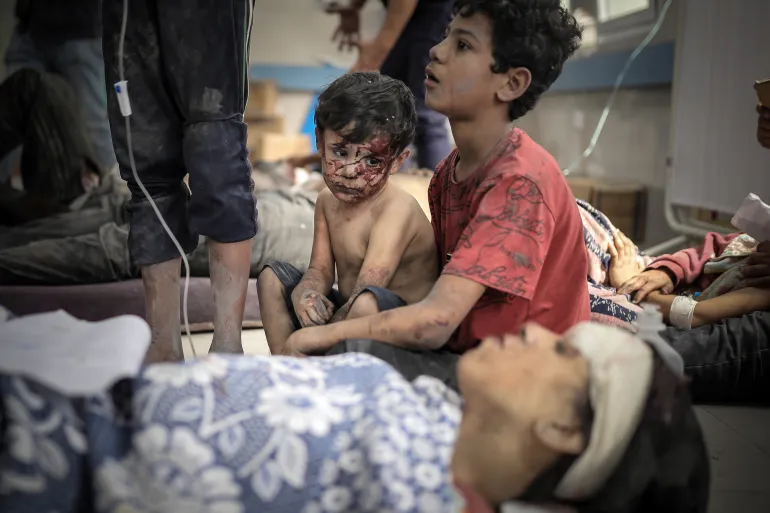
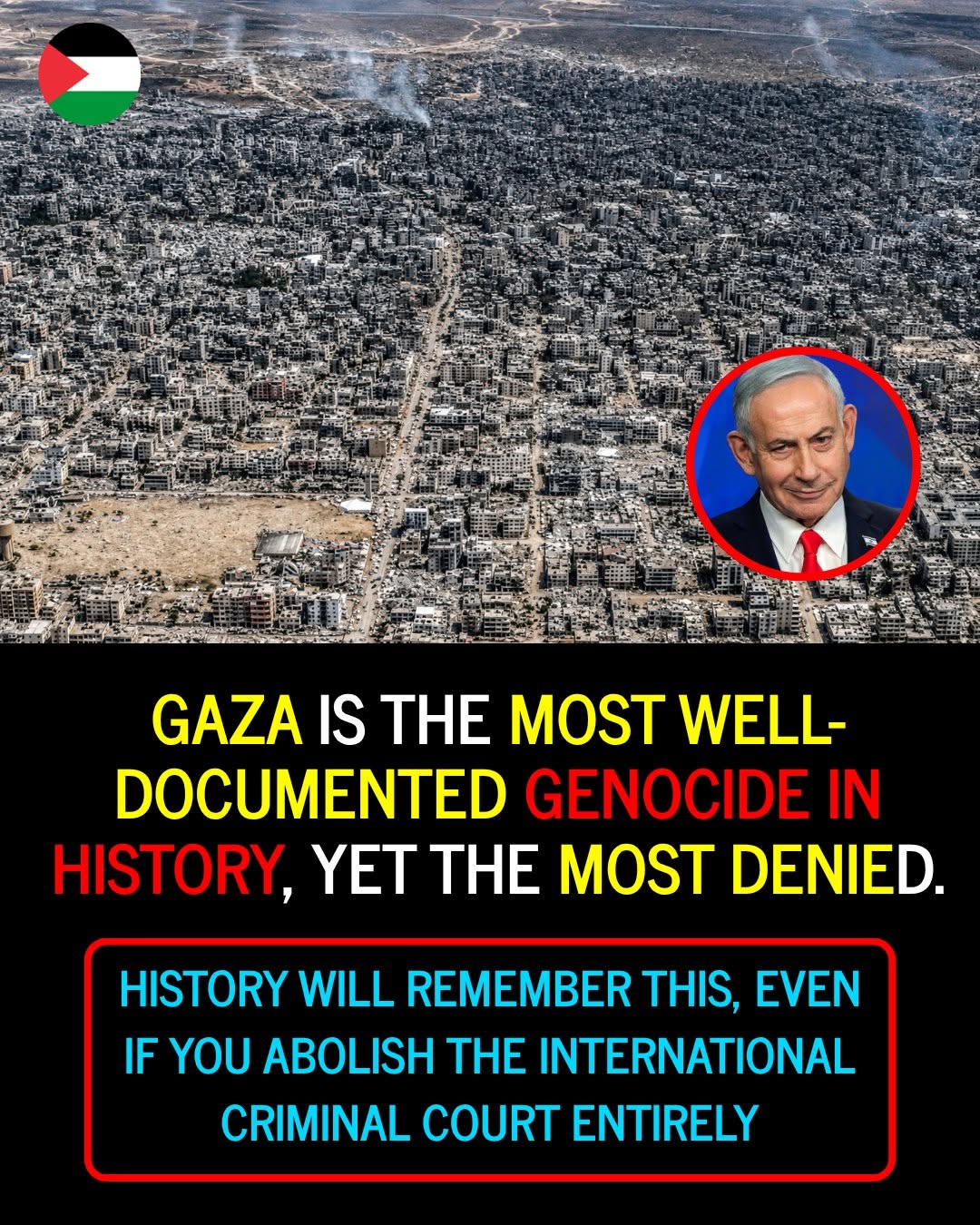
Since 7 October, 2023, the occupation forces, with full American support, continued to commit genocidal crimes in Gaza, leaving approximately 195,000 Palestinians dead or wounded, most of them children and women, and more than 11,000 missing, in addition to hundreds of thousands displaced.

Continue reading
US Sanctions UN Official For Exposing Genocide

The US State Department’s decision to sanction UN Special Rapporteur on the situation of human rights in the occupied Palestinian territories, Francesca Albanese, is deeply alarming. It reflects the official US stance against any independent effort to expose the genocide and systematic violations committed by Israel in the Gaza Strip.

This decision marks a dangerous shift away from the core principles of international law and human rights. It directly targets the United Nations and its mechanisms, undermining the independence of special rapporteurs, who should be protected and supported in carrying out their impartial mandates, not punished for fulfilling them or for recognising crimes as such.

US Secretary of State Marco Rubio announced sanctions last Wednesday evening against the Special Rapporteur, citing her efforts to “prompt action against US and Israeli officials, companies, and executives.   

Euro-Med Monitor stresses that Francesca Albanese was among the few who demonstrated the moral and professional courage to call events in Gaza what they truly are: a genocide unfolding in full view of the world. She spoke openly about the complicity of major powers, led by the United States, in arming and covering up this crime, and criticised states that failed to act on the arrest warrant for Israeli Prime Minister Benjamin Netanyahu as he transited through their territory or airspace.

Albanese’s work is legitimate and fully aligned with her official mandate from the Human Rights Council, which tasks her with monitoring violations in the occupied Palestinian territories. Her documentation efforts and calls for accountability lie at the heart of that mandate. Calling for accountability is not “warfare,” as Rubio claimed, but an act of upholding international law.

Furthermore, recommending sanctions or an arms embargo is consistent with the peaceful measures permitted under international law to address international crimes. It is entirely unreasonable to treat advocacy for upholding international law as a crime.

The US sanctions violate the 1946 Convention on the Privileges and Immunities of the United Nations, which grants UN officials, including special rapporteurs, immunity from legal or administrative action for acts or statements made in their official capacity.

Albanese’s reports and statements fall squarely within her official duties and mandate, making her legally protected from any retaliatory or punitive measures, including economic or political sanctions imposed in response to her official work.

As a party to the Convention, the United States is legally obligated to respect the functional immunity of special rapporteurs and refrain from taking any action against them in response to their official work.

Instead of reviewing its harmful policies regarding Israeli crimes, the US administration chose to punish those who exposed its complicity. Sanctioning Albanese is a desperate attempt to suppress the truth and a warning to anyone who dares to defend the victims of Israeli crimes.

Beyond the United States’ blatant double standards and constant use of sanctions as a political tool, this move signals explicit and official opposition to the foundations of international law, including the principle of accountability and the mechanisms for its protection and application. It amounts to a direct assault on international law and a systematic effort to undermine its framework, revealing a clear intent to subordinate the legal order to power and hegemony rather than justice.

The US decision is a clear expression of deepening official complicity in the genocide, not only through military and political support, but also by targeting anyone who seeks to expose or stop it, even through speech or legal means, as seen previously with sanctions against International Criminal Court judges who issued arrest warrants for Israeli war criminals.

Euro-Med Monitor fully supports Francesca Albanese and her principled stance based on international law and moral conscience. These sanctions should provoke widespread international condemnation and genuine solidarity, as they aim to intimidate independent voices and silence witnesses to ongoing crimes.

The United Nations, the Office of the High Commissioner for Human Rights, all UN Special Rapporteurs, and the international community must act urgently to safeguard the independence of the international human rights system and prevent it from being held hostage to political blackmail by major powers.

Justice is not a crime, and speaking out about the genocide in Gaza is not a crime; silence and complicity are. The world now faces a crucial test of its commitment to values, the rule of law, and justice.

Continue reading
Analysis: Excelling Over Israeli Soldiers

Footage of the resistance operations carried out against Israeli forces in Khan Yunis, southern Gaza Strip, not only reveals accurate information about the movements and positions of these forces, but also demonstrates a consistency between the execution and the plans laid out for them. They exceed the standards established in military science.

Al Jazeera published exclusive footage on Saturday of two ambushes carried out by the Hamas Qassam Brigades in central Khan Yunis. These ambushes were part of the “Stones of David” series, during which Israeli soldiers were killed and tanks and military vehicles destroyed.

The footage showed the detonation of vehicles and clashes with forces at point-blank range and in open areas. The fighters’ conversations during the operations also revealed a clear understanding of the unit to which these forces belong and their operations.

The Israeli Broadcasting Authority (IBA) reported that Palestinian fighters have become familiar with the movements and positions of Israeli forces and are attacking them.

However, military expert Major-General Fayez al-Duwairi says that what the IBA is saying is not new, as it was clear in all the operations that took place throughout the months of the war. He points out what is important in these operations “is the implementation of plans with a success rate of up to 99%, while the global consistency rates start at 70%.”

Effective Command and Control


Al-Duwairi says this consistency “confirms the great effectiveness of the command and control system of the resistance factions, which possess accurate information about the occupying forces and base their plans on it.”

The issue is not limited to the high success rates in implementation, but extends to its method which the military expert says has not occurred in any previous war and should be studied in armies and technical colleges, especially those involved in special forces tasked with highly dangerous missions.

Moving a Qassam fighter in an open area while carrying a Shawaza bomb weighing more than 20 kilograms toward a slowly moving 60-ton tank “is not an easy task because this mechanism causes anxiety in the fighter, even if it is stationary,” al-Duwairi says. The world has never witnessed such progress, with the operation being filmed from three directions, as the Qassam Brigades do. This confirms the resistance’s reliance on the weaknesses of this highly advanced mechanism, namely its ability to surprise the enemy from a blind spot, from which it cannot detect the approaching person. This is evidenced by the fighter advancing toward the tank while its commander stood in the turret.

However, advancing toward the vehicle from its blind spot does not mean the operation is easy, as the fighter is required to move quickly in a very limited space. Furthermore, according to the military expert, the time between defusing the explosive device and its detonation does not exceed 10 seconds.

Footage obtained by Al Jazeera showed Qassam fighters raiding Israeli vehicles and soldiers in Khan Yunis on Friday and Thursday. They targeted Merkava tanks and armored personnel carriers with Shawaze explosive devices and Yasin 105 rockets at point-blank range, and clashed with an Israeli rescue force as reprinted in Jo24.

Continue reading
Trump, Netanyahu’s Shared Secret!

By Dr Hasan Al Dajah

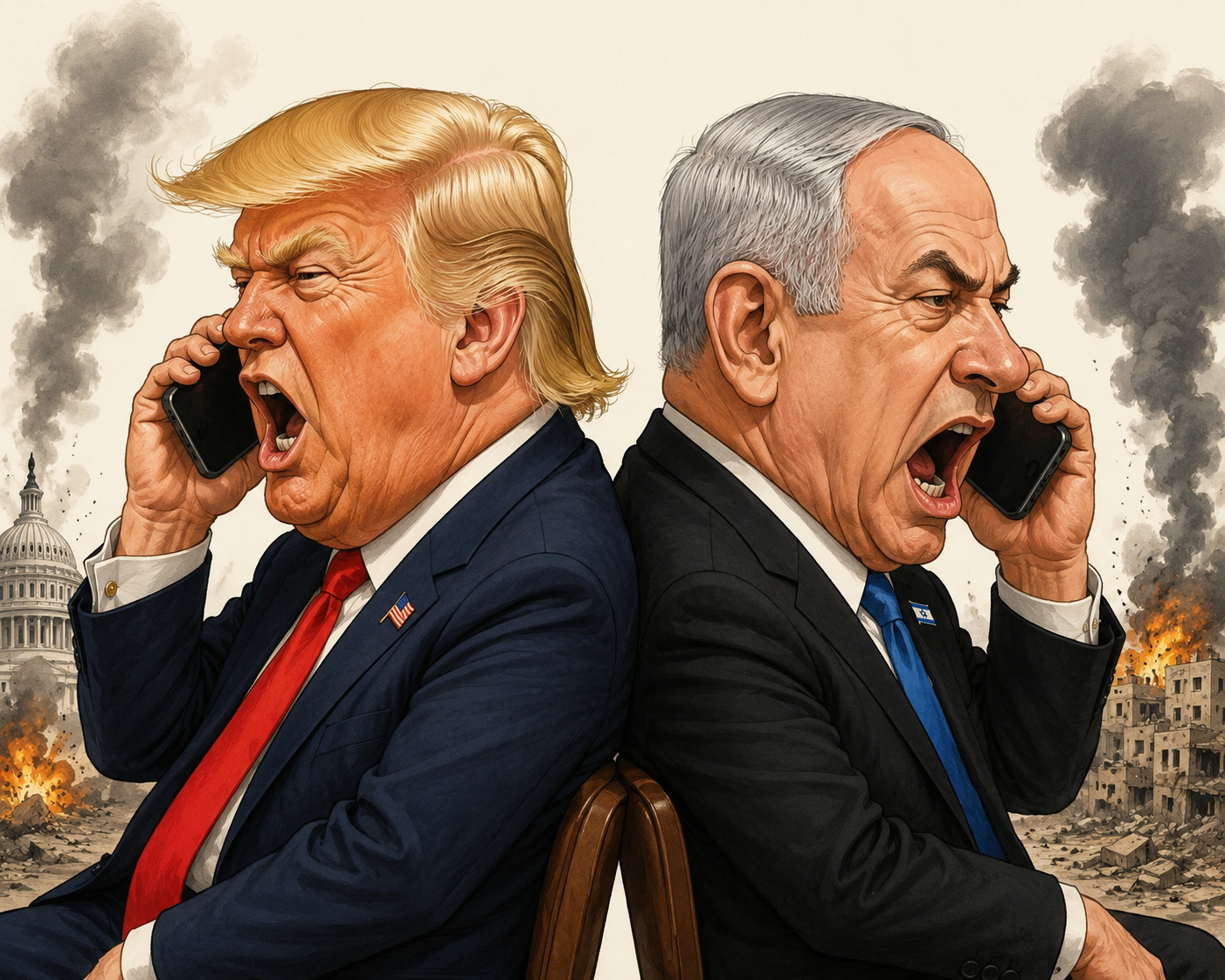
Since his arrival on the American political scene, Donald Trump has been an exceptional case in the United States’ relationship with Israel. Historically described as a strategic alliance, this relationship has transformed under Trump into a personal partnership between him and Israeli Prime Minister Benjamin Netanyahu. This relationship has deepened to an unprecedented degree, with Trump becoming one of the most biased and supportive American presidents toward Netanyahu, not only in foreign policy decisions but also on issues of a purely Israeli domestic nature, such as the ongoing trials against Netanyahu or calls for early elections.

What drives Trump to this level of involvement in Israeli domestic affairs? And why does he insist on defending Netanyahu despite the criticism and accusations against him? In the current Israeli landscape, Netanyahu faces significant domestic challenges related to multiple corruption trials, in addition to escalating tensions within the ruling coalition, particularly with the religious parties, which have expressed on more than one occasion their desire to dissolve the Knesset and call for early elections. These parties, despite being partners in the government, view continuing under Netanyahu’s leadership as a political burden due to the corruption cases and poor performance in some cases. This recently prompted them to propose a vote within the Knesset to call for new elections.

In this context, Trump’s position was clearly supportive of Netanyahu, expressing his rejection of any attempt to remove Netanyahu from power and considering his continued rule essential to Israel’s stability and its security and political future. Even stranger are the reported interventions by Trump or his circle in the matter of Netanyahu’s trial. It has been reported—through both official and unofficial channels—that he called for a pardon or an end to the legal proceedings against him, arguing that these trials are politically motivated and that Netanyahu is being subjected to an unfair campaign by the Israeli judiciary. This intervention raises many questions, most importantly: What is Trump’s interest in Netanyahu’s survival? Why would he risk his political reputation for the sake of being a foreign leader facing criminal charges?

The answer to these questions requires examining the nature of the relationship between the two men. Since Trump assumed the presidency in 2017, he has pursued an unprecedented agenda in support of Israel, including moving the US embassy to Jerusalem, recognizing Israel’s sovereignty over the occupied Syrian Golan Heights, and supporting the “Deal of the Century,” considered the most biased in the history of US mediation.

All these measures were met with widespread acclaim and celebration by Netanyahu, who used them in his election campaign to bolster his domestic popularity, portraying himself as capable of bringing absolute US support to Israel.

In turn, Trump found in Netanyahu a reliable ally who reflects his vision for the Middle East and helps him win the support of a pivotal electoral base within the United States: evangelical Christians. People must realize that the true backbone of support for Israel in America is not the Jewish community, but evangelicals, who constitute approximately 25% of the population, compared to less than 2% of American Jews.

Therefore, Trump—as he has stated on more than one occasion—considers engaging with evangelicals more effective than appeasing the Jews, because they constitute a formidable lobbying force pushing for American policies aligned with the Israeli right-wing agenda, and view support for Israel as part of the Christian Zionist religious doctrine. These people see Netanyahu as the leader most qualified to preserve the “Jewishness of the state” and advance policies of expansion and hegemony.

Accordingly, Netanyahu’s downfall, or even his trial, represents a threat not only to Trump, but also to the political and ideological system he has meticulously crafted during his presidency. It is impossible to trust that potential Israeli alternatives will maintain the same level of loyalty or pursue the same confrontational approach toward Iran and the Palestinians.

Hence, for Trump, defending Netanyahu becomes a defense of a broader regional project that keeps Israel at the forefront of the confrontation with Tehran and strengthens right-wing populist alliances globally.

Moreover, Trump himself faces investigations and legal prosecutions in the United States, whether related to his attempt to overturn the election results, his retention of classified documents after leaving the White House, or various financial issues. Therefore, his defense of Netanyahu may be implicitly understood as self-defense. He seeks to establish the principle that the trial of political leaders is primarily a selective political process, not a fair judicial process. If Netanyahu is able to escape accountability or obtain a pardon, Trump will see this as a precedent that will strengthen his argument before the American judiciary and domestic public opinion.

Strategically, Trump does not view Israel merely as a traditional ally, but rather as an extension of his global political vision based on isolation from international institutions, undermining the liberal multilateral order, and strengthening bilateral alliances with strong leaders who share his political style and confrontational personality. For him, Netanyahu is the Israeli version of this model: a leader who clings to power despite internal and external pressures, fiercely confronts the media and the judiciary, and relies on a solid right-wing popular base fueled by a sense of existential danger and threat.

From this perspective, Trump’s support for Netanyahu is not limited to domestic issues but extends to regional security issues, most notably the open confrontation with Iran. Trump believes that an alliance with Netanyahu is necessary to sustain the escalation against Tehran and contain its influence in the region. Therefore, any weakening of Netanyahu, whether through elections or trials, is viewed as a direct blow to the axis of pressure on Iran and a threat to the deterrence strategy adopted by Trump during his presidency.

All of this explains why Trump supports Netanyahu and even intervenes in domestic issues, such as seeking a judicial pardon or rejecting early elections that could lead to Netanyahu’s removal from the political scene. It is a deeply mercenary relationship that transcends diplomatic protocol and extends to an ideological alliance between two leaders who each see the other as a mirror to their own selves and a first line of defense for their political and personal futures. Despite the criticism Trump faces for this involvement, he continues this approach without wavering, driven by an overwhelming desire to return to the White House and see a world shaped according to his own vision. In this world, there is no place for trials of political leaders, no room for elections that bring down allies, and only mutual loyalty, no matter the cost.

Dr Dajah is a professor of Strategic Studies at Al-Hussein Bin Talal University. He contributed this article to the Jordan Times.

Continue reading