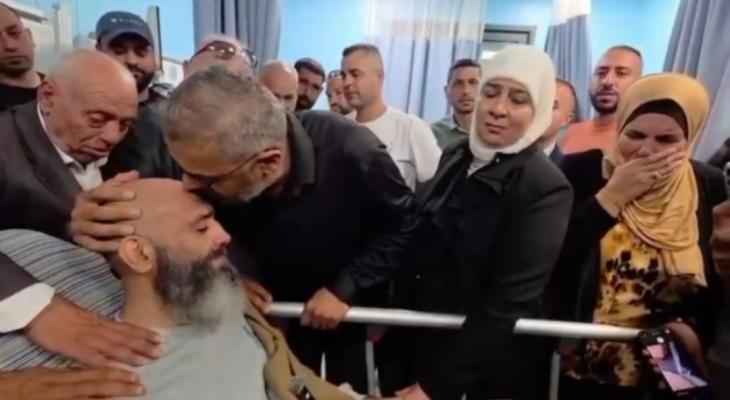
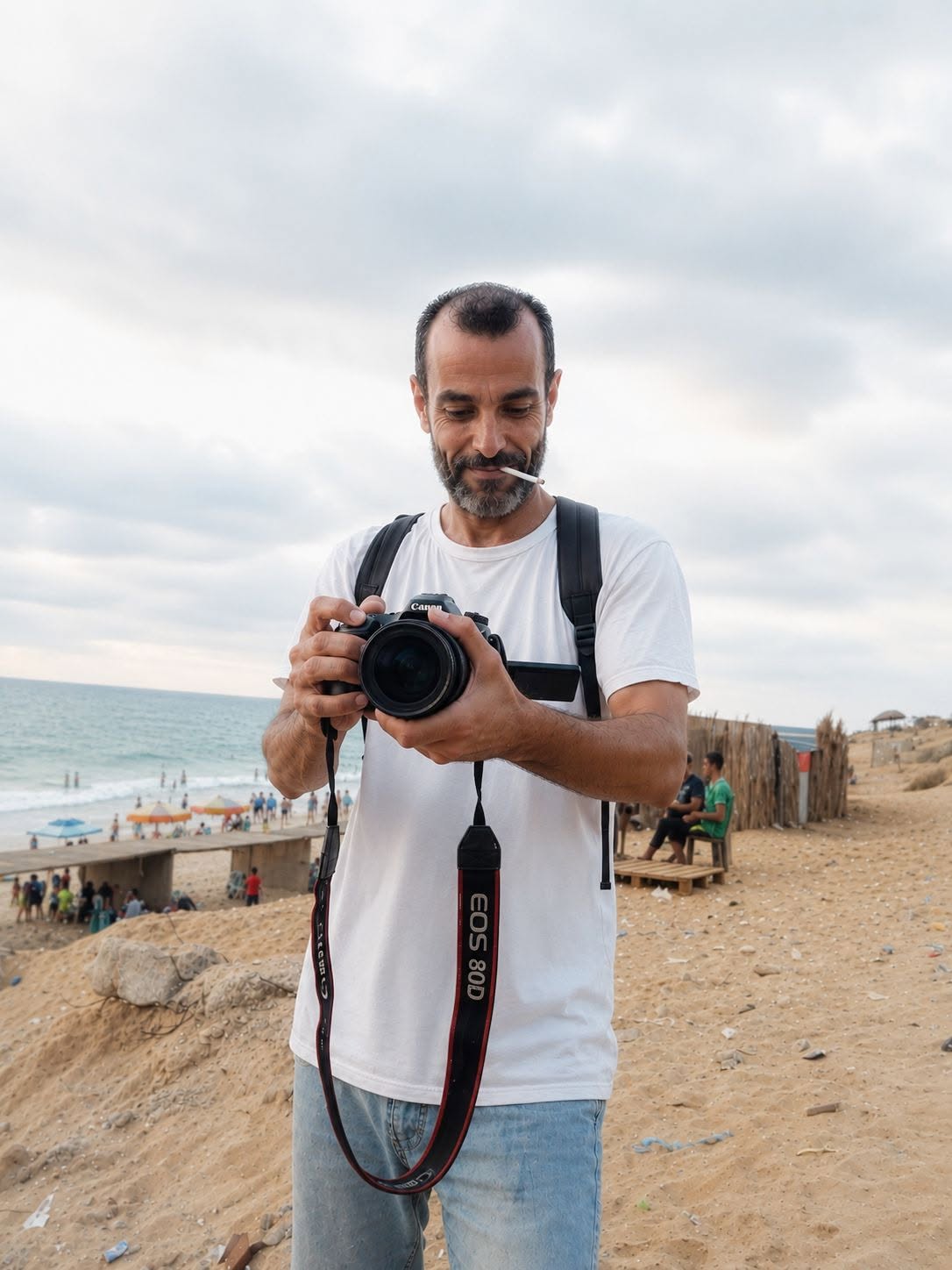
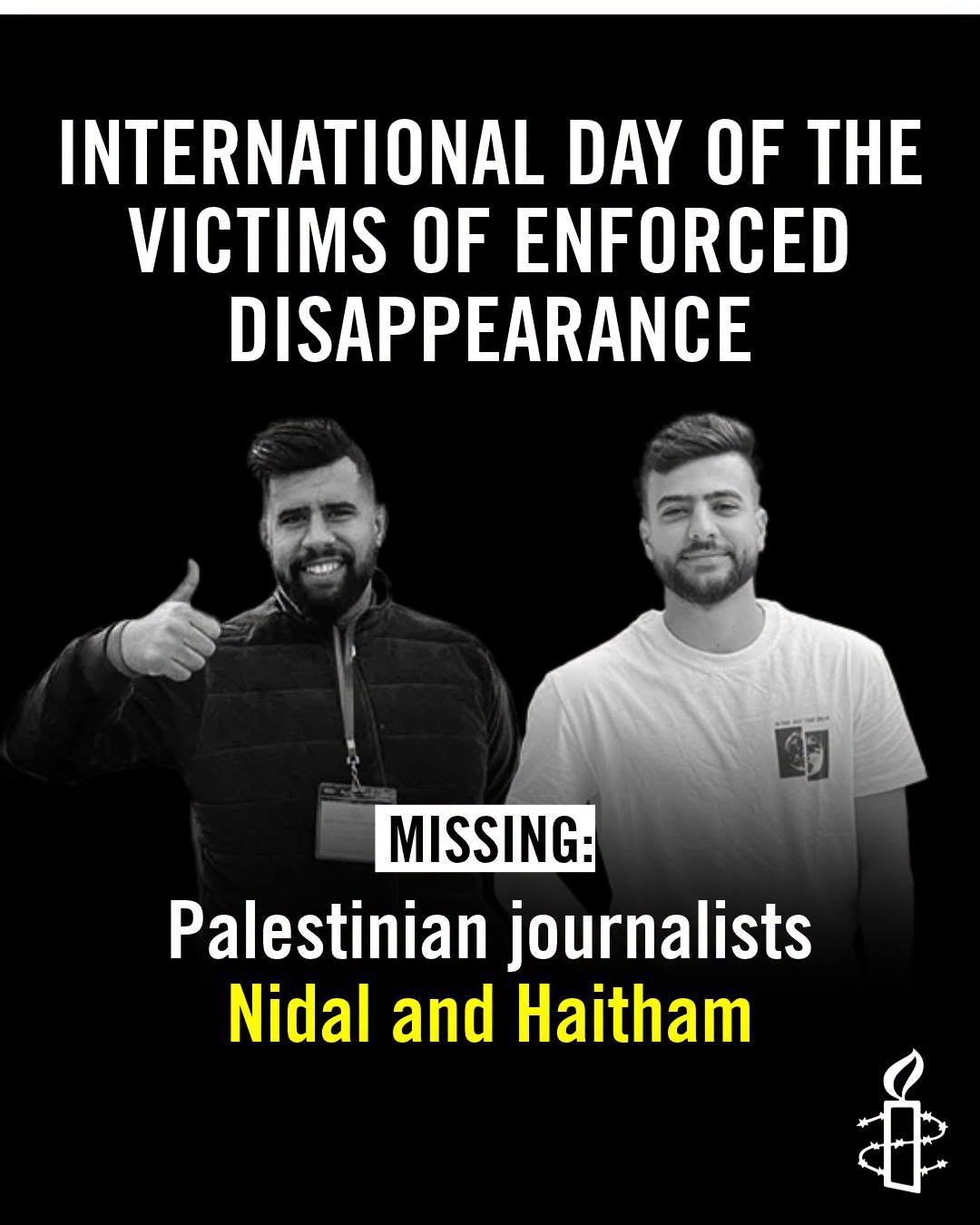
 Palestinian Journalists, Nidal and Haitham, Missing
 A Traditional Wear, Bethlehem 1880
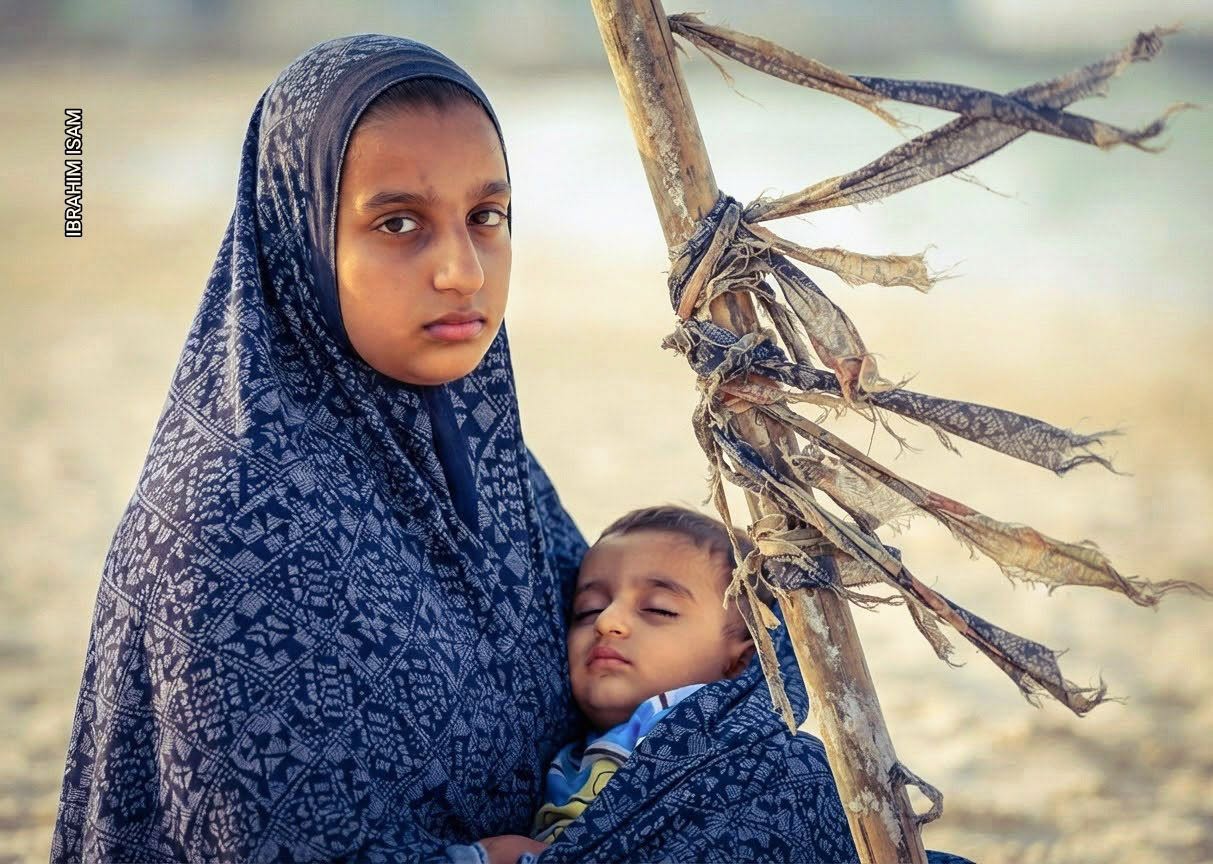
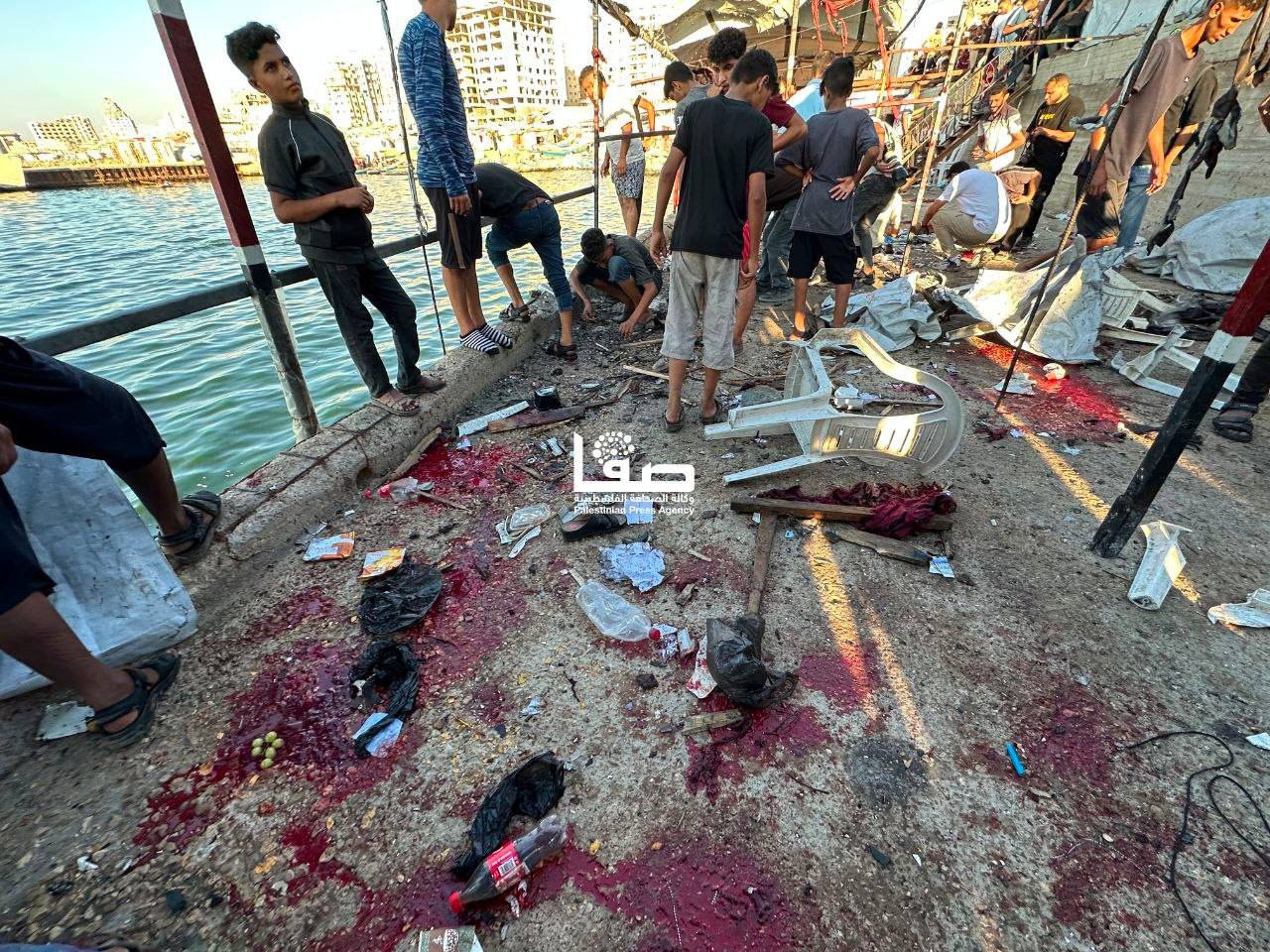
 Israeli Gunboats Fire at, Injure 5 Gaza Fishermen
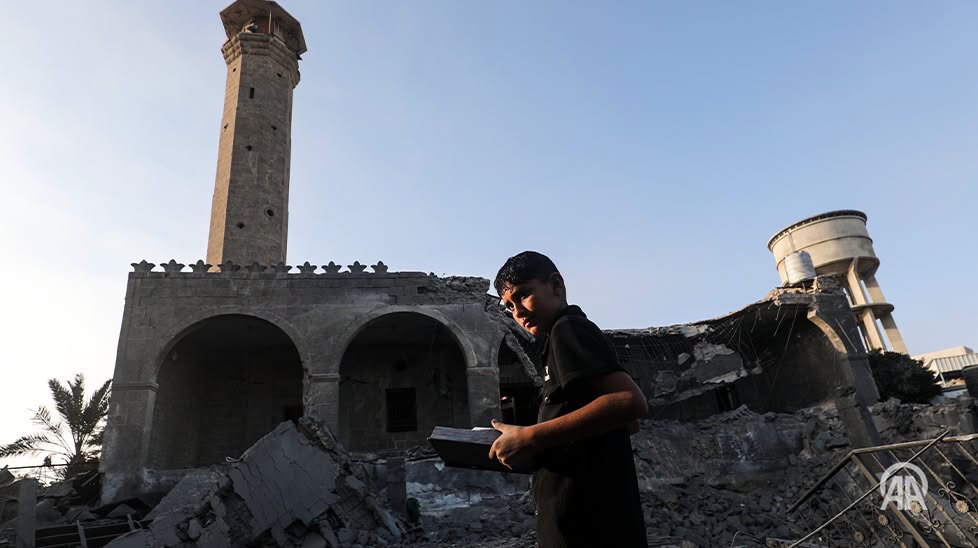
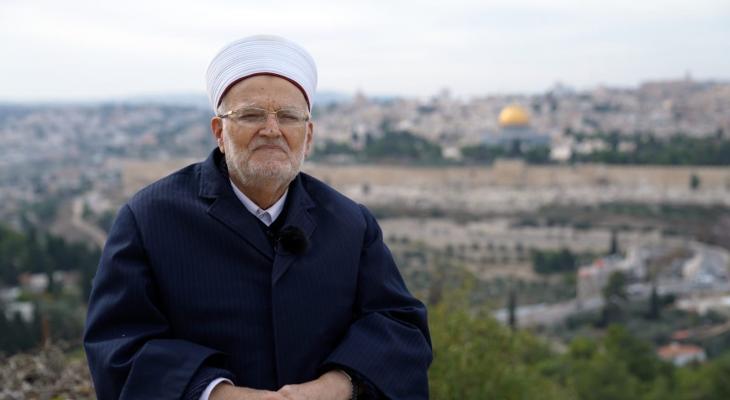
 Christian Schools Strike in Jerusalem. Why?
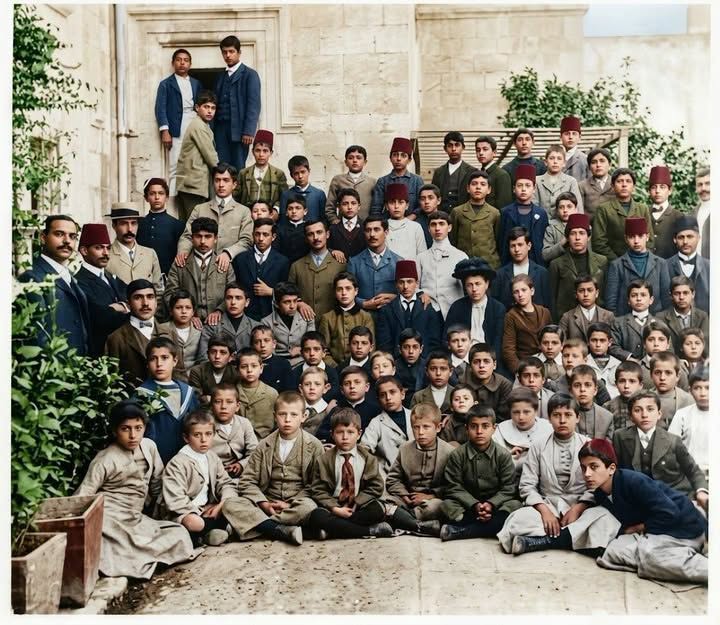
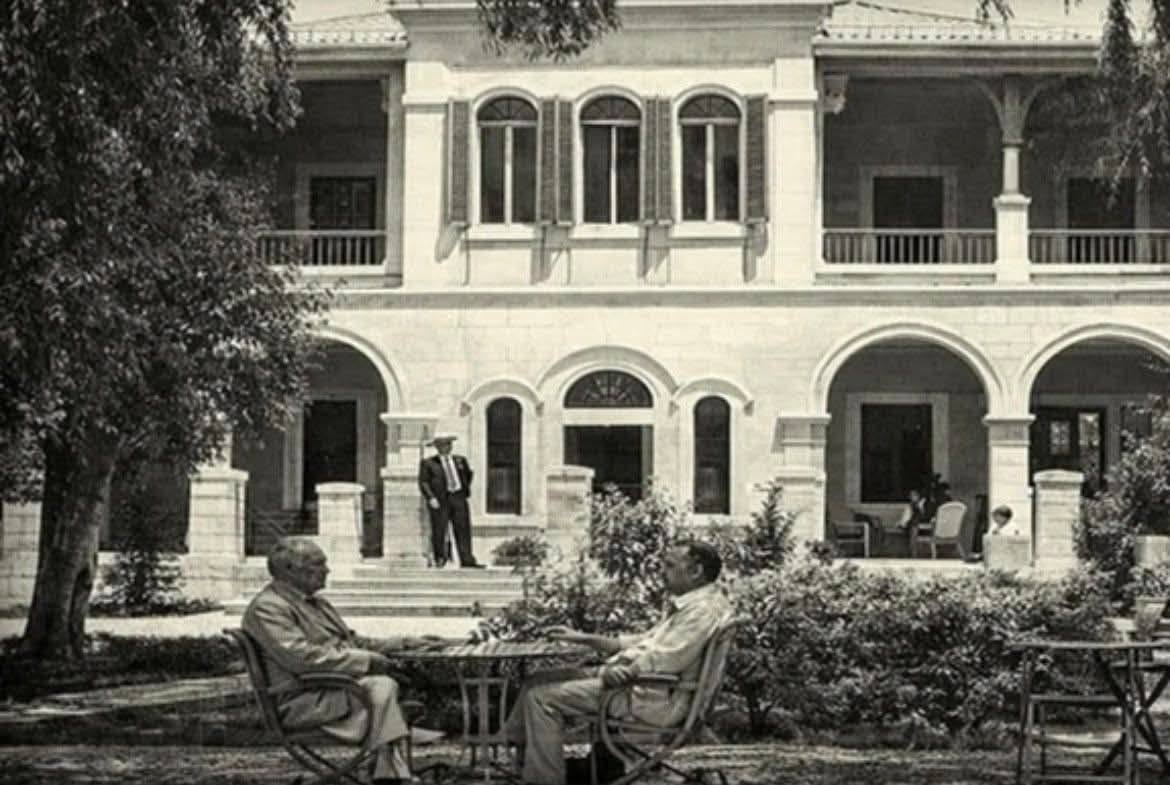
 Inside The Home of A Musician, 1940



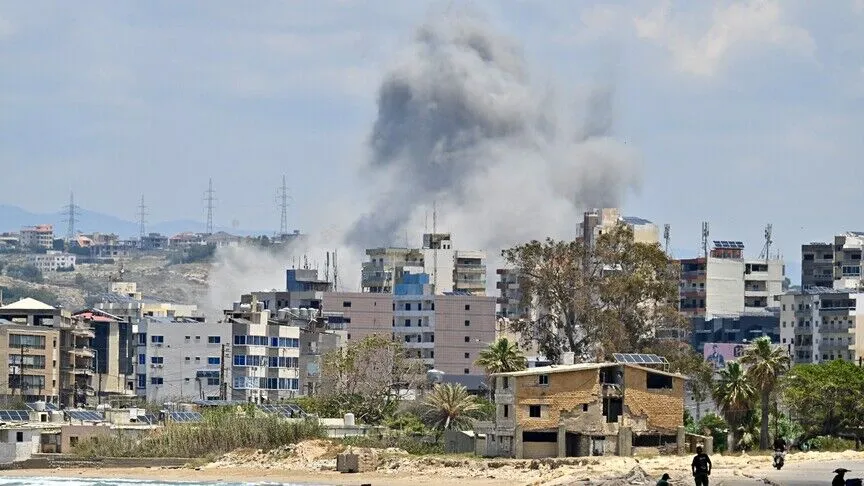
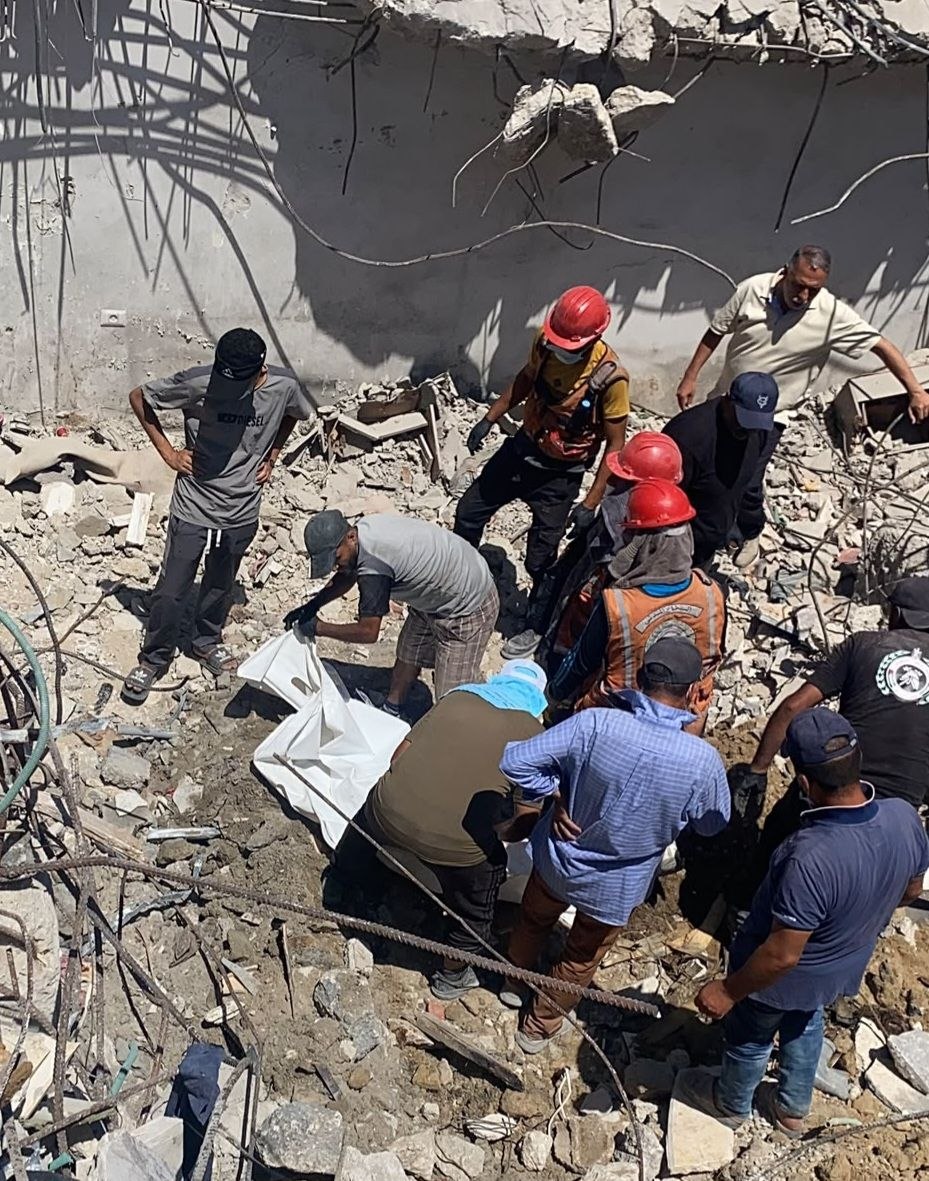
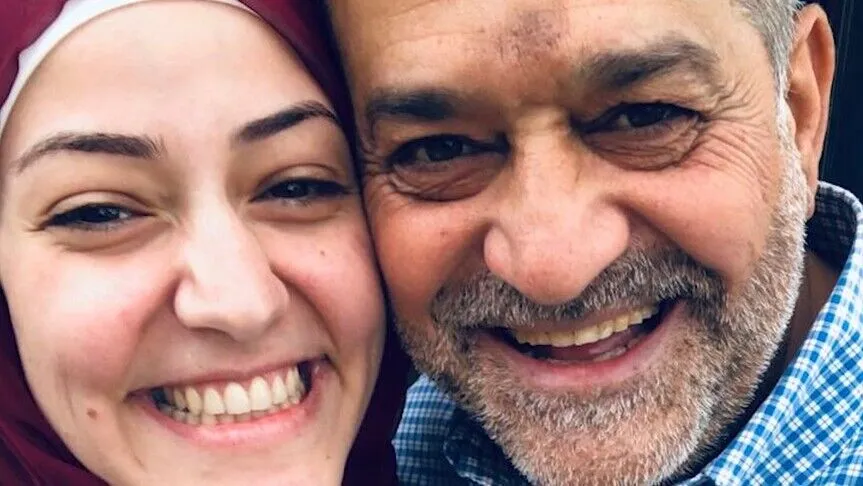
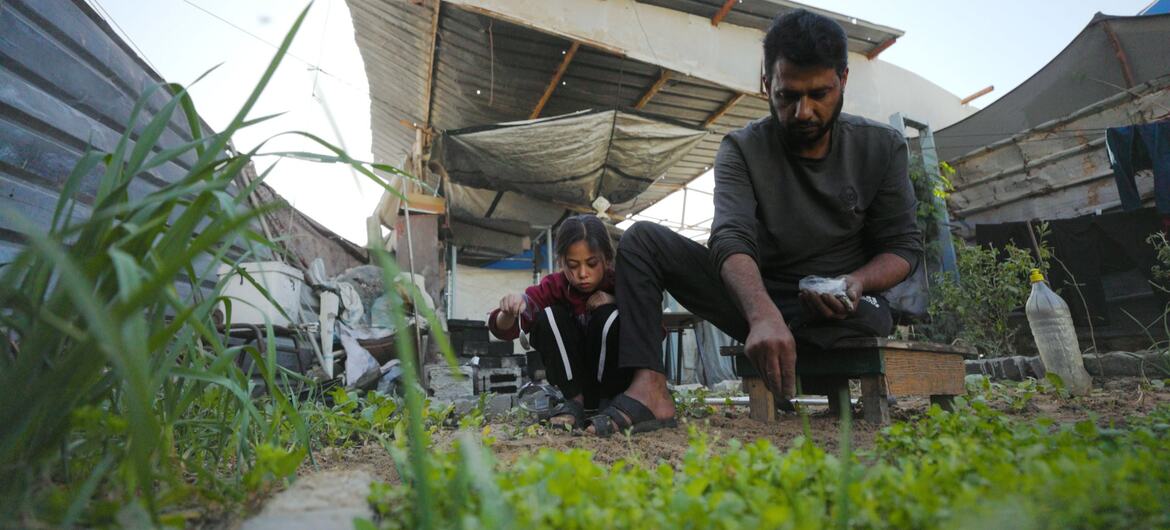
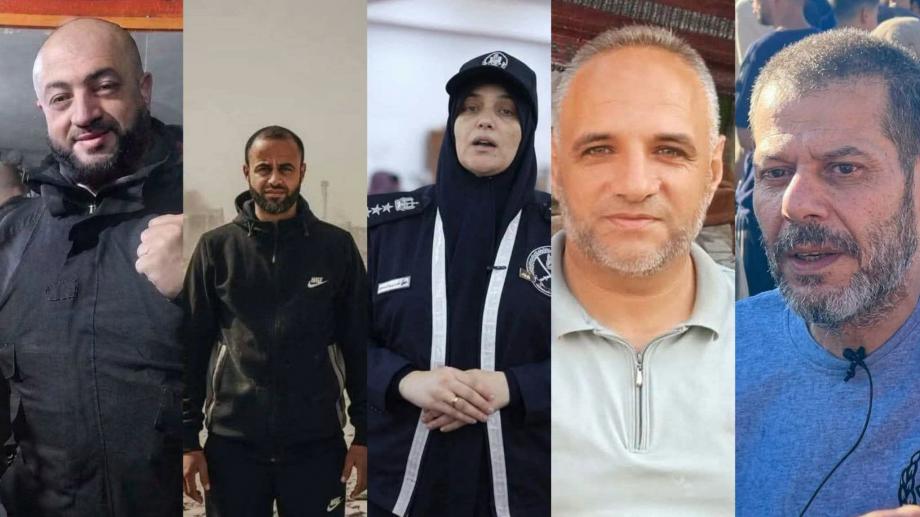
Palestinian Journalists, Nidal and Haitham, Missing
 CrossFireArabia
- August 31, 2026
 CrossFireArabiaCrossFireArabiaCrossFireArabiaCrossFireArabiaCrossFireArabiaCrossFireArabiaCrossFireArabiaCrossFireArabia
 Heba
Heba marwanmarwanCrossFireArabiaCrossFireArabiaCrossFireArabiaCrossFireArabiaCrossFireArabiaCrossFireArabiaCrossFireArabiaCrossFireArabiaCrossFireArabiaCrossFireArabiaCrossFireArabiaHebaCrossFireArabiaCrossFireArabiamarwanmarwanCrossFireArabiaCrossFireArabiaCrossFireArabiamarwanCrossFireArabiaCrossFireArabiamarwanHebaCrossFireArabiaHebaHebamarwanCrossFireArabiaCrossFireArabiaCrossFireArabiaCrossFireArabiaHebamarwanHebaCrossFireArabiaCrossFireArabiaCrossFireArabiaCrossFireArabiaCrossFireArabiamarwanHebaCrossFireArabiaCrossFireArabiaCrossFireArabiaCrossFireArabiaCrossFireArabiaCrossFireArabiaCrossFireArabiaCrossFireArabiaHebaCrossFireArabiaCrossFireArabiaHebamarwanmarwanmarwanmarwanmarwanmarwanCrossFireArabia
The number of Palestinian athletes killed by Israel during its ongoing offensive in the Gaza Strip has risen to 1,014, including players, coaches, referees, and members of the Palestinian Football Association, according to a Palestinian sports official.
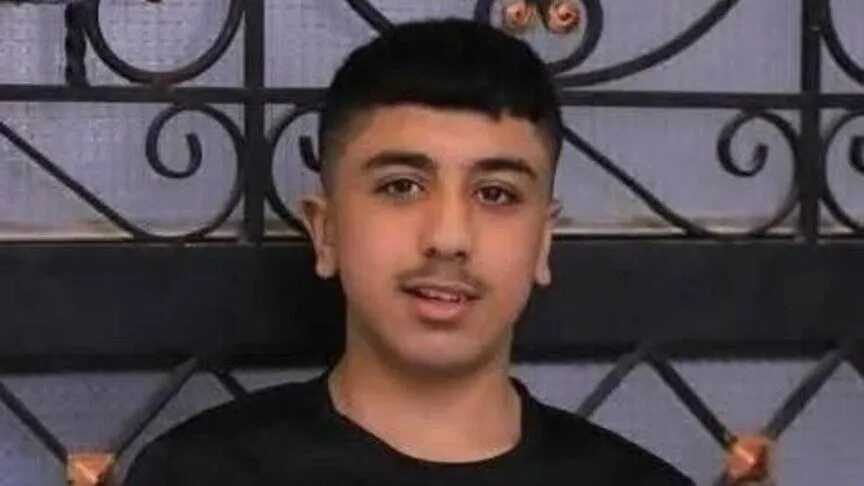
The toll increased after the death of Abdel Fattah Abu Aish, a player for Khadamat Jabalia Club, on Saturday. He was killed in an Israeli airstrike that targeted an electric bicycle belonging to a private delivery company in the Tel al-Hawa neighborhood, southwest of Gaza City.
In a statement to Anadolu Agency, Mustafa Siam, secretary-general of the Palestinian Sports Media Union, said Abu Aish was preparing with his team to participate in the “Thousand Martyrs Cup” tournament, scheduled to begin on 4 September, organized by the Palestinian Football Association.
Siam added that Abu Aish’s death comes amidst “continuous Israeli targeting of Palestinian sports,” noting that 1,014 athletes have been killed by Israel during the offensive in Gaza, including players, coaches, referees, and members of the Palestinian Football Association.
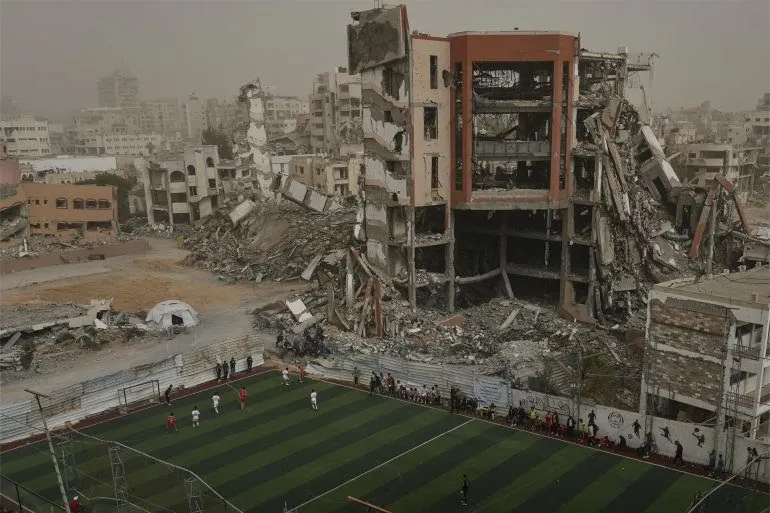
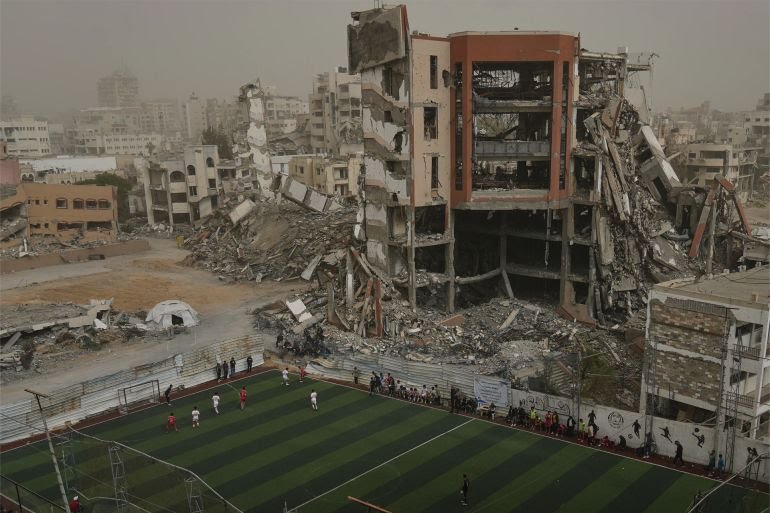
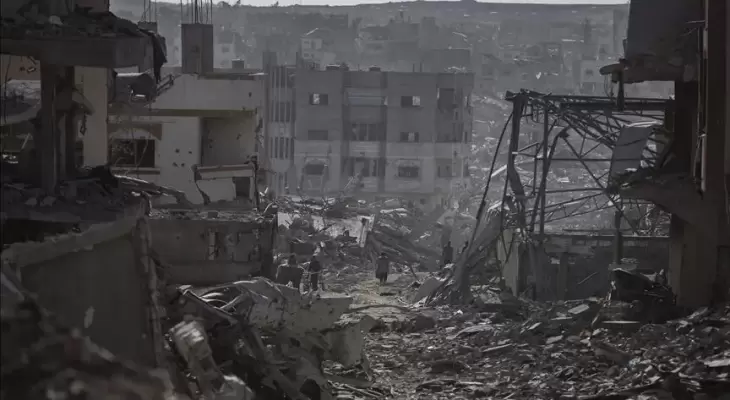
He explained that the Israeli targeting also extended to sports infrastructure in the Gaza Strip, where Israeli forces destroyed stadiums, clubs, gyms, and sports academies, and bulldozed a number of fields and facilities.
He pointed out that the human losses and the damage inflicted on facilities have placed the Palestinian sports movement before what he described as “existential” challenges.
Jabalia Services Player
Abu Al-Aish played for Jabalia Services Club in the Palestinian First Division League. He had previously played briefly for Ahli Beit Hanoun Club, where he played as a defender.
His funeral was held in Gaza City on Sunday, with the participation of athletes and Palestinian fans. Jabalia Services Club mourned him, describing him as one of the rising talents in the North Gaza Governorate.
The losses to the Palestinian sports movement were not limited to the Gaza Strip. Siyam said that athletes were also killed in the occupied West Bank, while players, coaches, and administrators were arrested.
Widespread Destruction
According to the Palestinian Sports Media Union, Israel destroyed more than 50 out of 56 sports clubs in the Gaza Strip governorates, and approximately 20 five-a-side football pitches built by the Palestinian Football Association with support from FIFA.
The killing of Abu al-Aish comes at a time when Palestinian sports institutions are preparing to resume a number of activities and competitions, despite the widespread destruction of sports facilities and the lack of resources in the Gaza Strip.
In early March, the first steps to revive sports activity in Gaza began with the organization of the first official five-a-side football tournament, held on only three pitches that survived the destruction.
Efforts to revive sports activity face significant challenges due to the losses suffered by facilities and personnel.
On 8 October, 2023, Israel, with American support, began its genocide in Gaza, which resulted in more than 73,000 deaths and over 174,000 injuries among Palestinians, most of whom were children and women.
Despite the ceasefire agreement in effect since 10 October, 2025, Israel continues to violate the agreement through daily bombings that have killed 1,320 Palestinians and injured 4,385 others, most of them children and women, in addition to widespread destruction. Anadolu
CrossFireArabia
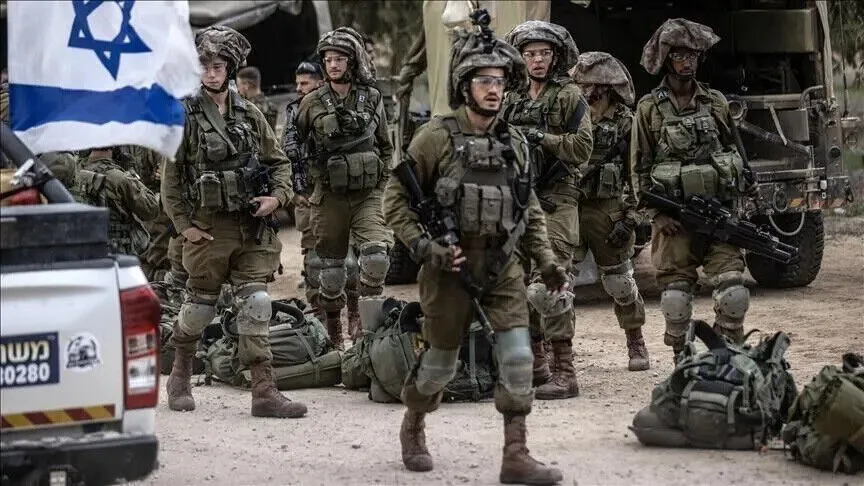
Israeli newspaper Yediot Aharonot revealed, Monday, the Israeli army closed 25 out of 27 investigations it opened into looting committed by its soldiers in the Gaza war and the war on Lebanon.
“At the end of April, Chief of Staff Eyal Zamir addressed the phenomenon of looting in the Israeli army,” the newspaper reported.
“If it exists, it is shameful and could tarnish the reputation of the entire Israeli army. If such incidents occur, we will investigate them,” it quoted him as saying at the time.
“He also instructed battalion commanders to submit a detailed report on the situation of their units in this regard within a week. If evidence of looting crimes is found, they will be referred to the Military Police for criminal investigation,” Yediot Aharonot stated.
“However, no data has been published about the Military Police investigations that were opened,” it noted.
The newspaper stated that, at its request, “the Movement for Freedom of Information submitted a request for data on the Military Police investigations opened regarding the looting incidents in Lebanon and Gaza, and this data is now being disclosed.”
“According to the Israeli army’s response, the Military Police opened 25 investigations in the Gaza Strip between 2023 and mid-2026, on suspicion of looting,” the newspaper noted.
“These included three investigations in 2023, 19 in 2024, two in 2025, and one by mid-2026,” it added. “Of these investigations, two indictments were filed—both in 2025—which ended in plea bargains.
“In one case, the defendant was convicted of looting, and in the other, the charge was amended, and he was convicted of theft,” the paper explained.
Regarding Lebanon, daily stated: “As for the northern front, where the IDF ground operations did not begin until the end of 2024, only two investigations were opened into suspected looting crimes in Lebanese territory—one in 2024 and another in 2025—but no indictments were filed.”
“In fact, the data shows a significant gap between the number of investigations and actual indictments. Of the 27 investigations conducted by the Military Police into looting cases on both fronts combined, only two (approximately 7 percent) resulted in charges,” the newspaper added. Anadolu
CrossFireArabia
A poll revealed that 74 percent of college students in the United States believe Israel is committing genocide against the Palestinian people.
This finding comes from a study conducted by the Morris and Marilyn Cohen Center for Jewish Studies at Brandeis University in August 2026, which explored American college students’ views on Palestine and Israel.
The online survey included 3,989 college students from 303 universities across the United States.
According to the study’s results, 77 percent of students expressed favorable views of the Palestinian people, while 52 percent expressed favorable views of the Israeli people.
41 percent of students expressed favorable views of the Palestinian Authority, while this figure dropped to 15 percent for the Israeli government.
46 percent of the students surveyed expressed a “very negative” view of the Israeli government, and 39 percent said the Tel Aviv government was “negative.”
Seventy-four percent of students acknowledged that Israel is committing genocide against the Palestinian people, while only 25 percent disagreed.
Similarly, 82 percent of students supported the Palestinians’ right to self-determination and the establishment of a Palestinian state.
Since the ceasefire in the Gaza Strip came into effect on October 10, 2025, Israeli violations have resulted in the deaths of 1,313 Palestinians and injuries to 4,361 others, according to the latest figures from the Gaza Ministry of Health.
With US support, Israel launched a war on the Gaza Strip on October 8, 2023, which resulted in the deaths of more than 73,000 Palestinians and injuries to over 174,000, most of whom were children and women.
Furthermore, cities, towns, and refugee camps in the occupied West Bank are witnessing frequent Israeli raids and arrests, coinciding with an escalation in settler attacks on Palestinians and their property since the start of the Israeli war on the Gaza Strip. Anadolu
CrossFireArabia
“Starry Night Over Bethlehem” by Palarts.org
This vibrant, whimsical artwork renders the historic landscape of Bethlehem in a kaleidoscope of bold colors and celestial wonder. Traditional stone archways, domes, and spires layer tightly together in jewel tones of cobalt, emerald, magenta, and gold, capturing the historic architecture with a lively, modern energy. Overhead, a massive, radiant celestial orb—surrounded by glowing moons and stars—bathes the cityscape in an otherworldly light, transforming the birthplace of Jesus Christ into a luminous narrative of hope, heritage, and timeless spirit.