Ahmad and his bride will never forget their wedding day. It was a joyous occasion because he was married on a bulldozer amidst the ruins of his Sheikh Radwan neighborhood which is part of Gaza City.
Social media websites covered the festive occasion at length, Friday, with him being carried in the mouth of the bulldozer as he danced next to his bride with people cheering him on as Palestinian danced the dabbakeh folklore and traditional song.
The bride Ahmad Al Sharif travelled back with his wife Alaa, from Deir Al Balah in the center of the Gaza Strip. The newly-weds were part of a group wedding of a massive 300 people that was held in that city’s “Dier Al Balah Services Club” and organized by the UAE-based Al Khalifah Humanitarian Corp.
Such happiness can only be displayed in Gaza where the Strip is “starving but happy” according to its people. “I was particularly keen to have part of my wedding on a bulldozer to show the ruins and debris my neighborhood and city has been reduced to by the Israelis,” Al Sharif said.
For him Friday, will be remembered as an ecstatic occasion. The collective wedding began in Deir Al Balah at 1 pm on Friday noon where brides and grooms from all over the Gaza Strip got “hitched” in plush rented out white dresses and black suits and watched by thousands of people.
About 120 couples came from the Radwan, Shujayia, and Rimal areas of Gaza City and the north of the Strip while the rest from central Gaza, Khan Younis and Rafah, the last city being on the southern border with the Sinai Peninsula and Egypt.
Some of the couples also came from their new homes in tent cities hoisted in the months after the Israeli genocide soon after 7 October, 2023 when thousands of people were displaced and chased away through Israeli guns.
The big wedding ceremony lasted till mid-afternoon Asr prayer and all the couples started to move out and go back to where they came from.
“We wanted to get back to our homes before dark,” Al Sharif. “I actually wanted to get back to my neighborhood before sunset to have another party, and boy, what a send that turned out to be.” This was true because of the videos that splashed the Internet.
He surprised everyone by having the party on a bulldozer with his bride sitting next to him; it is him and his bride Alaa that made the news headlines on social media websites as the other couples took their new brides back home without much pomp nor ceremony considering the circumstances.
“I wanted to have a party among the rubbles as a point of defiance and show the Israeli army that they can’t beat our spirit,” he added. “We had a good show, judging from the number of people who came to greet us and join in the festivities,” he added.
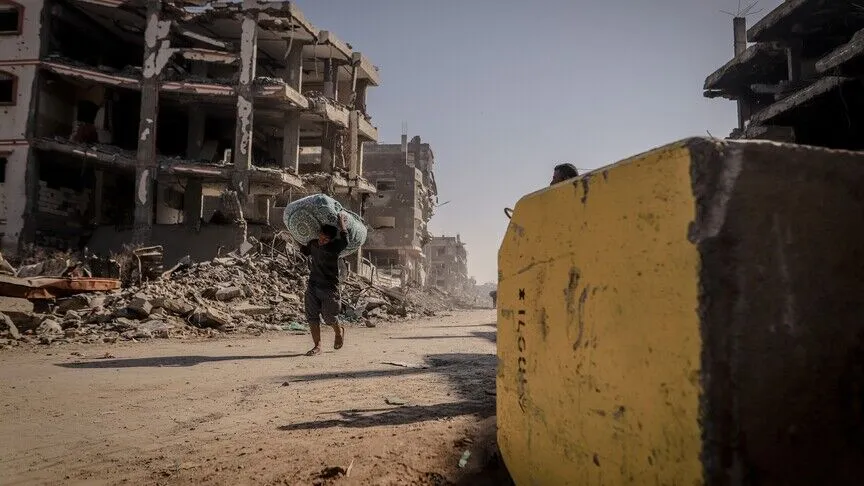
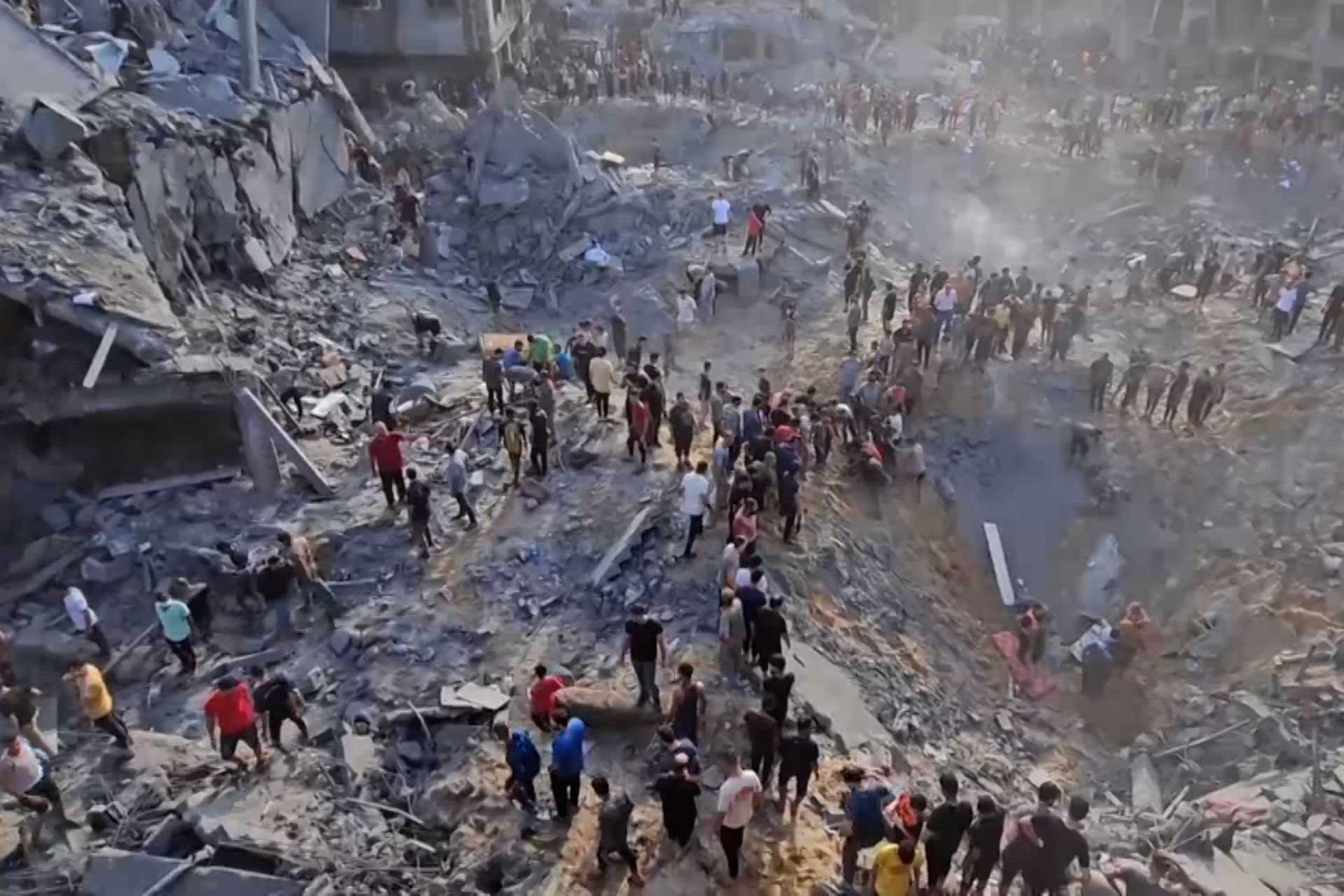
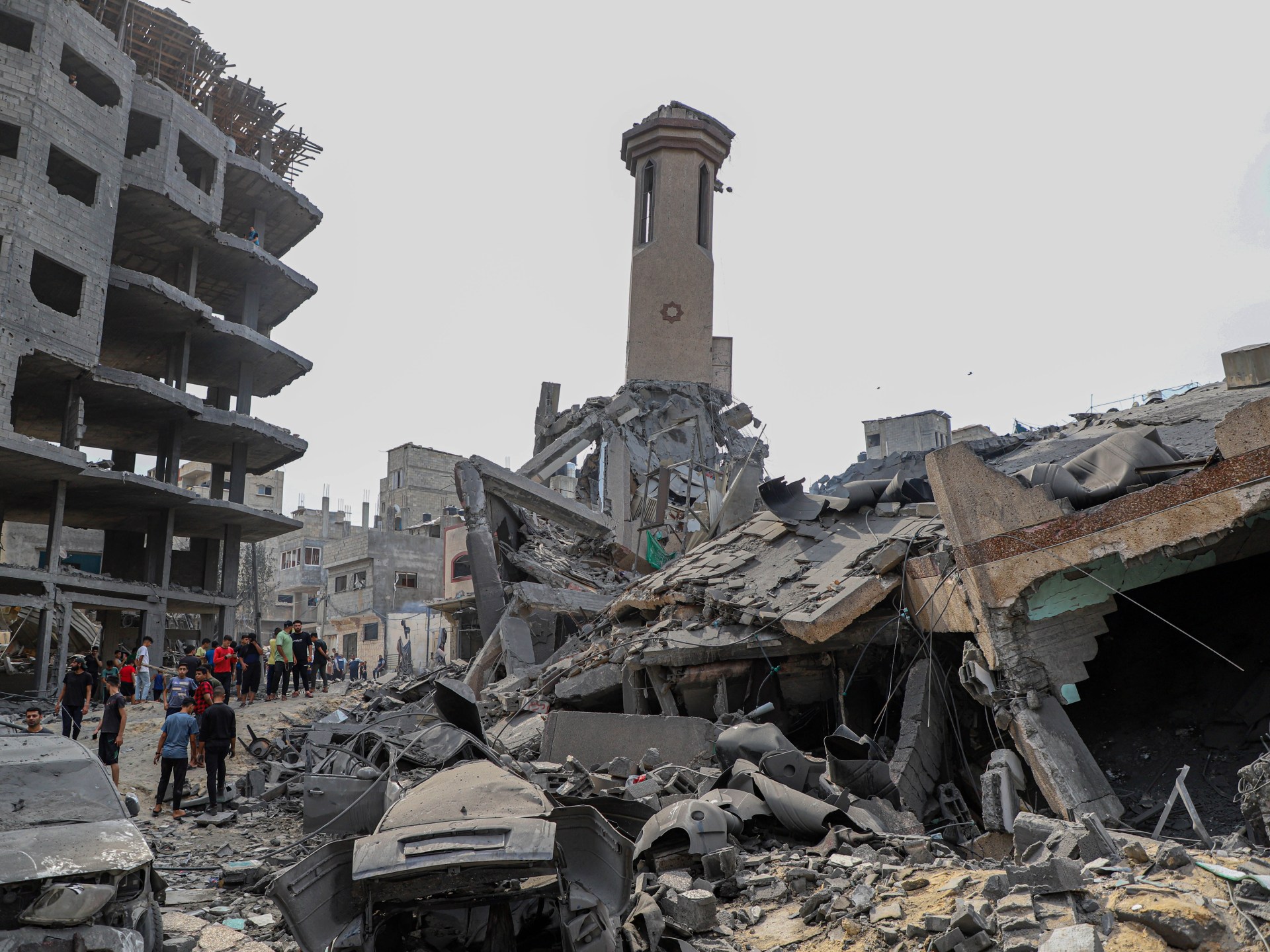
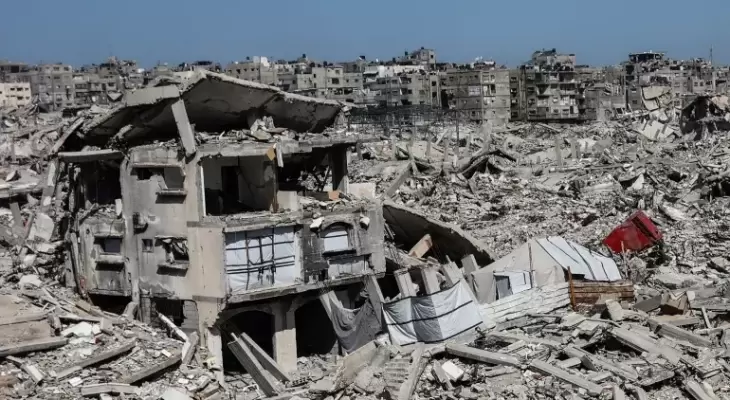
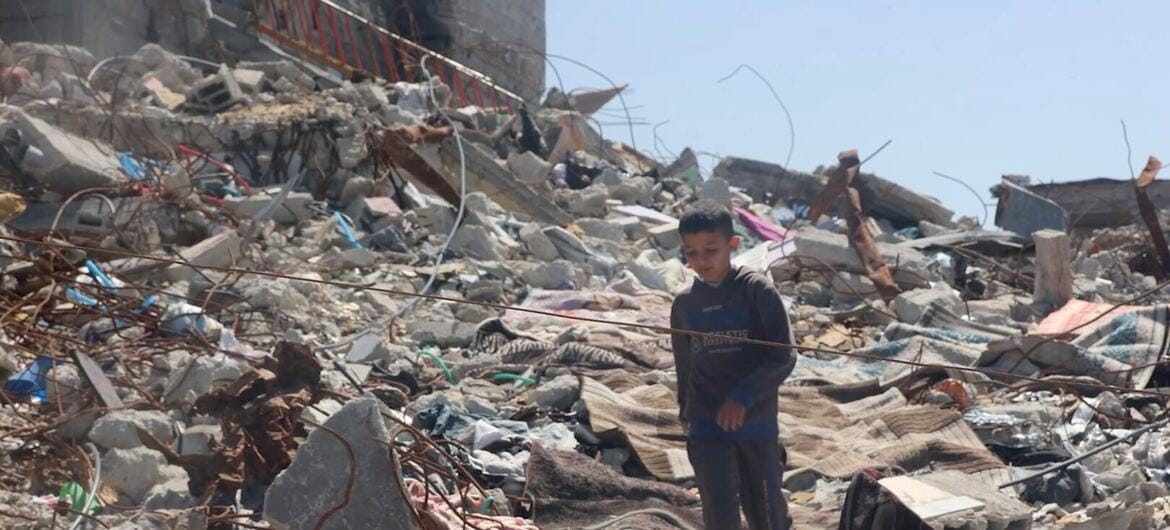
Most of the people of Gaza has been reduced to living among the wreckage, debris and in tents. The UN estimates that between 57.5 to 68 million tons of debris clutter the Strip today; and these piles were created by the 100,000 tons of explosives thrown on the enclave by Israel since 7 October, 2023.
The total number of people that have been killed in Gaza stands at 72,600 while over 172,000 have been injured as shown by the Gaza Health Ministry.
Not many married during the genocide of the last two years or so. Young people have been delaying till things become relatively quite, war-wise. Ever since 11 October, 2025, a ceasefire took place in Gaza as backed by US President Donald Trump.
Although the killings and injury continue through the Israeli military, by comparison, they are much lower than when the war on Gaza had been at its highest, and which explains why more and more people are getting married in the enclave.
Marwan Asmar is a writer from Amman and is Chief Editor of crossfirearabia.com
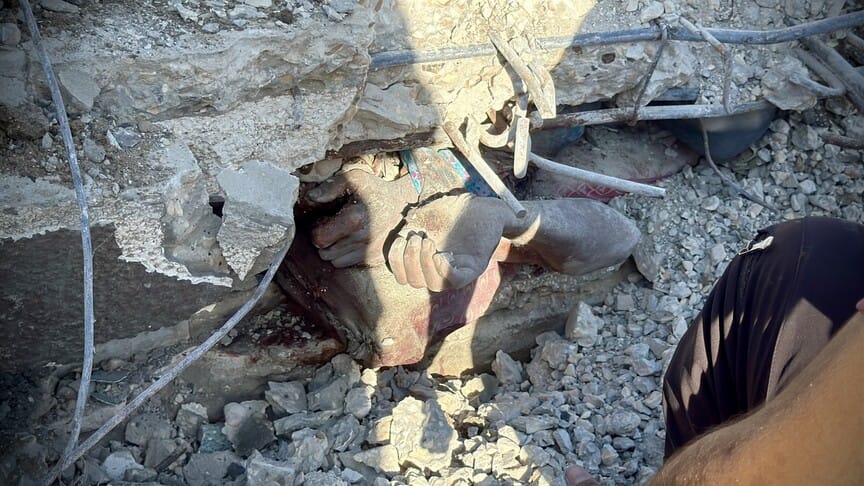
Around 8,000 Palestinian bodies are believed to be trapped under the rubble in the Gaza Strip, where less than 1% of debris has been cleared after Israel’s two-year genocidal war on the enclave, according to an Israeli media report, citing a UN official.
The Haaretz newspaper, citing an unnamed official from the UN Development Programme, said the slow pace of debris removal means the process could take up to seven years.
Thousands of bodies are still buried beneath collapsed buildings across the enclave, the official added, as families continue to wait to recover and bury relatives.
The assessment is based on data from Palestinian civil defense authorities, which have warned of severe shortages in equipment and capacity, slowing efforts to clear vast areas of destruction.
Israel has continued to commit daily violations of a ceasefire deal that was signed last October, killing 828 Palestinians and injuring 2,342, according to Gaza’s Health Ministry.
The ceasefire was meant to end a two-year Israeli onslaught on Gaza, which left more than 72,000 dead and 172,000 wounded, and destroyed 90% of civilian infrastructure.
The UN estimates reconstruction costs at around $70 billion according to Anadolu.
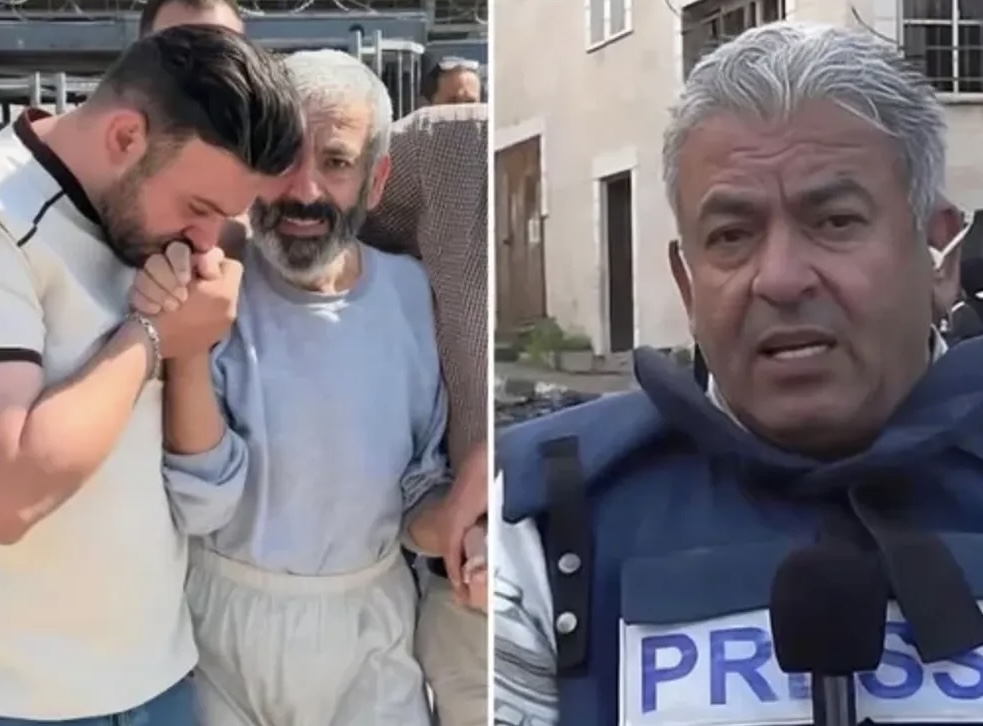
Veteran Palestinian journalist Ali Samoudi described Israeli prisons as “living graves” after his release on Thursday, appearing in severely deteriorated physical condition following his arrest by Israeli forces last year.
Samoudi, who worked for the Palestinian newspaper Al-Quds and international media outlets, said he lost 60 kilograms (about 132 pounds) while in Israeli prison. “My weight was 120 kilograms (about 264 pounds); now my weight is 60 kilograms,” Samoudi said.
According to Samoudi, prison conditions were harsh and cruel, and prisoners suffered. “The food is very bad. Even a cat would not eat what they eat,” he said. “Prisoners have nothing. No notebook, no pen, nothing,” he added, calling on the families of detainees to take care of their well-being.
He was arrested in April 2025 on false claims of transferring funds to the Palestinian Islamic Jihad. Samoudi and his family strongly denied the allegations.
In a statement issued in January, the Palestinian Journalists Syndicate said al-Samoudi has not been granted a fair trial and that his arrest is “a blatant violation of international law and press freedom”.
The syndicate also warned “that his life is now at risk” due to the harsh and inhumane treatment he has been experiencing in prison.
Samoudi’s son, Mohammed, said his father was an “independent journalist who isn’t affiliated with any party,” adding he was “surprised to hear him being accused of ties with Islamic Jihad. I was in shock.”
Mohammed said the forces raided their home at around 5 A.M., searched the premises and destroyed some of the family’s belongings before taking his father away. He said he didn’t know where his father is being held, but said the family is particularly worried because he is diabetic and suffers from high blood pressure, and therefore needs a special diet and medications.
On May 8, 2025, Wafa reported that an Israeli court had issued an administrative detention order against him for a period of six months.
This was because the Israeli army said it did not have “sufficient evidence” to formally charge him and had hence issued an administrative detention order.
In a statement issued to the United States news group CNN, the Israeli army said: “As sufficient evidence was not found against him, and in light of the accumulated intelligence material, security authorities requested to consider issuing an administrative detention order.”
The military claimed the order was justified as Samoudi’s “presence” posed “a danger to the security of the region”.
Since then, Samoudi has been held in administrative detention and his detention order has been repeatedly renewed.
Samoudi also witnessed the Israeli killing of Al Jazeera journalist Shireen Abu Akleh in Jenin in 2022 and was himself injured that day.
“I was there personally and witnessed the whole thing,” he said about the killing of his colleague. “There was no one there apart from the Israeli force, and they were the ones who shot at us.”
The Palestinian Prisoners’ Society said Samoudi is among more than 3,530 Palestinians held under administrative detention, in addition to over 40 journalists still held in Israeli prisons, including four women.
The group renewed calls for the release of all detained journalists and urged the international community to take responsibility for ongoing violations against prisoners.
More than 9,600 Palestinians remain in Israeli prisons, including women and children, facing torture, starvation and medical neglect, which have led to the deaths of dozens, according to Palestinian and Israeli rights groups. – Quds News Network
The General Federation of Palestinian Trade Unions (GFPTU) is cancelling all events commemorating 1 May International Workers’ Day, due to the difficult circumstances facing the Palestinian working class, it stated Thursday.
The number of unemployed Palestinians has reached approximately 550,000, with unprecedented unemployment rates reaching 85% in the Gaza Strip and 38% in the West Bank, the Federation added according to Qudspress.
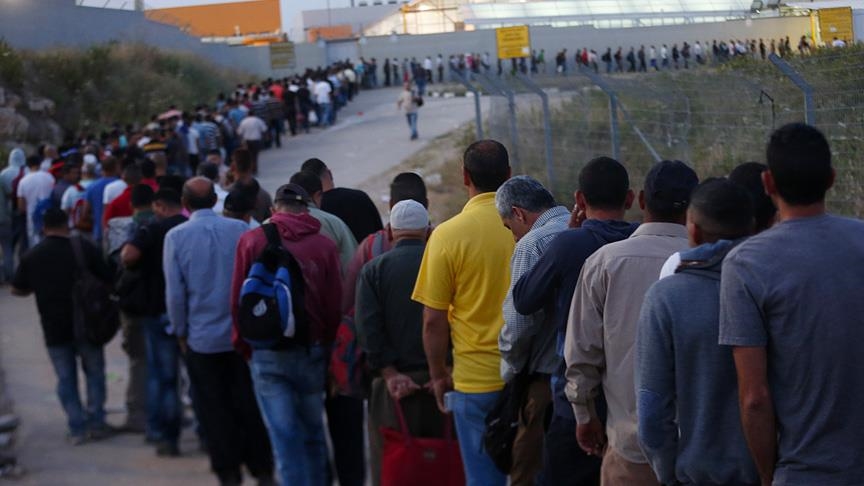
More than 250,000 workers were prevented from accessing their workplace in the 1948 territories since October 7, 2023, and have been without income for more than 30 months., the GFPTU continued. This led to the depletion of their savings and is forcing them to sell their belongings to meet their families’ needs.
About 50 workers were killed and more than 38,000 arrested during the same period while the Federation holds the Israeli government responsible for conditions of Palestinian workers and demanding they be compensated, their rights restored, and be returned to their jobs.
The GFPTU noted that they are filed complaints with the International Labour Organization (ILO), but have yet to receive a response, indicating about 90% of workers lack social protection systems, amidst declining job opportunities, the expansion of the informal economy, and rising living costs.
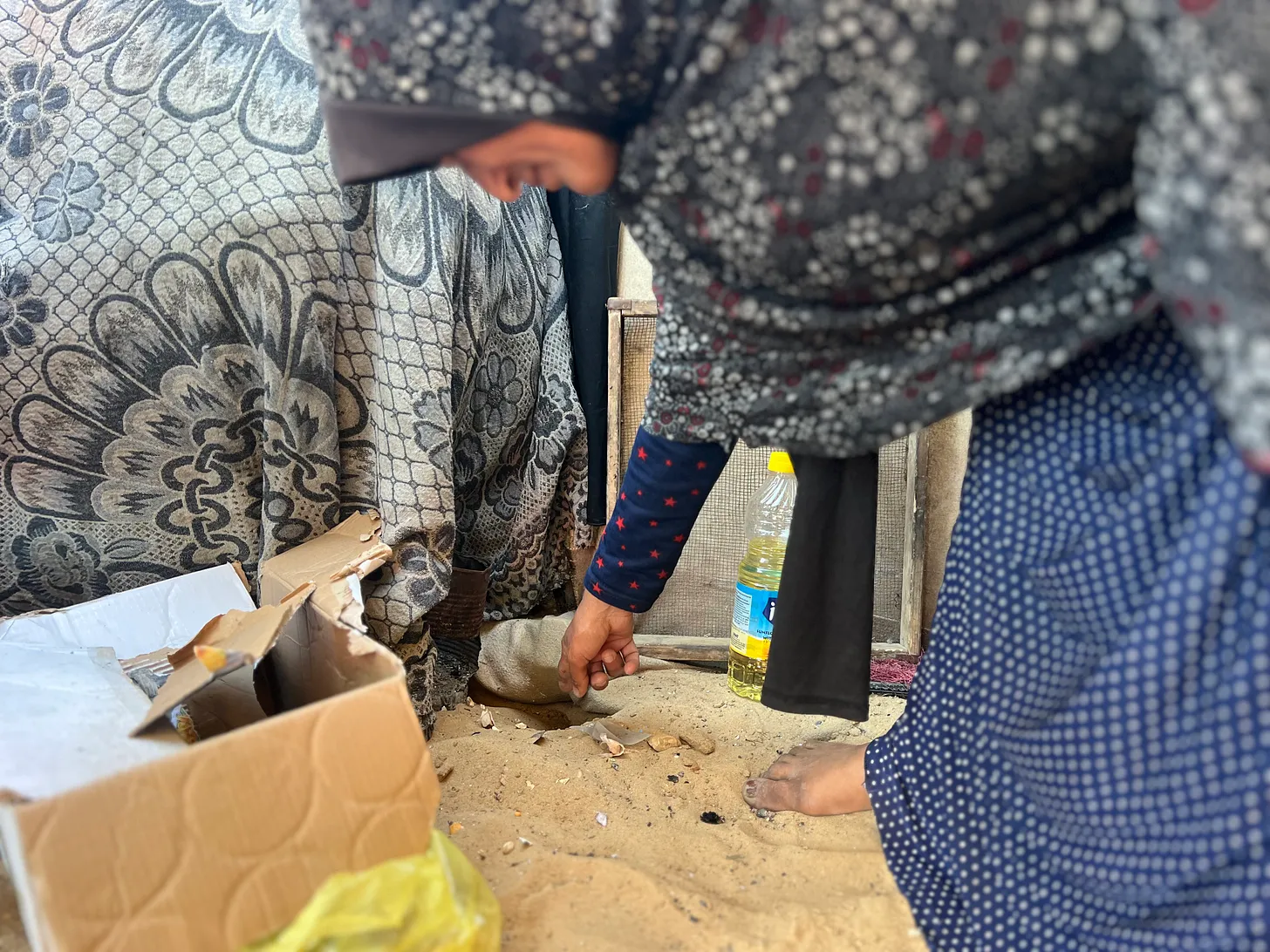
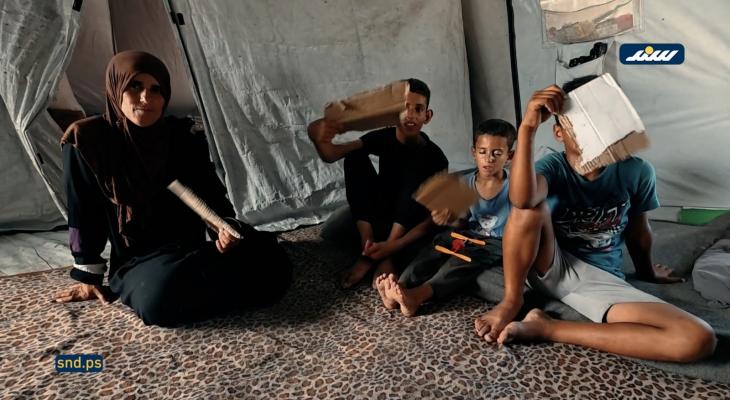
GAZA CITY, Gaza—Nahla Al-Majdob woke up in the middle of the night last week to her seven-year-old daughter, Aya, screaming in their tent. “I turned on my phone light but I didn’t see anything at first,” Al-Majdob told Drop Site News. “Then I noticed bite marks on Aya’s toe.” It was not the first time. “I’ve woken up many nights to find rats around our mattresses,” she said. “Sometimes they’re right next to us, sniffing.”
Like nearly all Palestinians in Gaza, Al-Majdob and her family were forced from their home by the war and have been living in a flimsy tent near what used to be the port on the shoreline of Gaza City. Compounding the hardships of displacement is a growing population of rodents menacing families across the enclave.
“The rats come out from the rubble and the garbage,” Al-Majdob said. “They crawl over our clothes and gather where we store food. If we leave anything out, it will be contaminated.”
Al-Majdob, her husband, and her daughter, are all diabetic, making them particularly vulnerable to infection from rat bites. Her family has come to fear the night, when the rats forage in the dark, chewing through tents, clothes, and flesh.
“Before the war, I would never eat anything touched by rodents, but now, if I find them in the white flour, I sift it and use it anyway,” she said. “If I throw everything away, we will starve.”
She added that the rodents also appear to have become bolder as their numbers have grown. “They’re not afraid of us anymore,” she said. “I push them away with a stick or anything I can find, but they keep coming back after a few minutes.”
Nahla Al-Majdob with her daughter, Aya, in their tent in Gaza City on April 22, 2026. Photos by Ahmed Dremly.
Palestinian families in Gaza are living in overcrowded tents and makeshift shelters, surrounded by waste and debris, with limited access to safe water and sanitation services. Among the widespread and severe environmental health hazards that result from the conditions, the United Nations reported this month, is a proliferation of rodents as well as cockroaches, flies, and other pests, contributing to disease transmission.
In a rapid assessment of more than 1,600 displacement sites across Gaza this month, the UN found that, in over 80% of them, rodents and pests were frequently visible, affecting 1.45 million people. Practically all of the affected families reported skin infections, including scabies, lice and bedbugs, with more than 70,000 cases recorded so far in 2026.
On April 12, Amani Abu Selmi was absorbed in preparation for her upcoming wedding, which was just one week away. She has lived with her family of five in a makeshift tent near Nasser Hospital since 2024 after their home in Khan Younis was destroyed in an Israeli airstrike. She went through the traditional rituals of a bride-to-be, checking and showing each piece of clothing to friends and relatives who stopped by. The next morning, her joy was shattered. Rats had chewed their way inside and shredded her belongings.
Abu Selmi’s mother, Ghalia, was returning from the market when she found her younger daughter, 13-year-old Samar, running toward her screaming that something terrible had happened. Inside the tent, Ghalia found Amani standing in shock, holding up pieces of her torn bridal dresses.
“The mice and rats spared nothing,” Ghalia told Drop Site. “These were new clothes for her, and now they were riddled with holes. I started crying because I knew how hard it had been for us to afford them in the first place.”
Amani had tried to protect her clothes from rodents, covering them with a wooden board weighed down by stones. But the rats and mice had burrowed underneath.
“She was especially heartbroken over her hand-embroidered Palestinian thobe,” Ghalia said. “She had dreamed of wearing it the morning of her wedding. It’s part of our tradition.” Rodents, fleas, and insects have long been an issue in their tent but Ghalia said the situation has deteriorated dramatically over the past three months.
Several days ago, Ghalia said she found her 19-year-old son’s eye had swollen shut. “There were small bite marks near his eye. He didn’t even realize what had happened until I asked him. He said he felt something on his face while sleeping,” she said. She took her son, Raef, to the nearest Red Crescent clinic, where doctors confirmed that the wound had become infected and prescribed him a course of antibiotics.
“They move all day inside the tent freely,” Ghalia said. “Even when it’s full of people, they dig tunnels underneath us.” She said she caught 20 mice in a single day using sticky traps, but it did little to contain the problem. “I tried to block their holes with mud again and again, but they always come back,” she said. “It’s terrifying. I can’t live like this anymore.”
Majd Sukar, the head of the Preventive Health Department for the Gaza Municipality, told Drop Site that complaints about rodents have significantly increased since the so-called ceasefire in October 2025, when the Israeli military halted its scorched earth bombing campaign even though it continues smaller scale attacks on an almost daily basis.
“The scale of destruction in Gaza has created ideal breeding grounds,” Sukar said. “The Israeli blockade on rodenticides, the mountains of uncollected waste, and untreated sewage are the primary drivers of this crisis.”
The municipality’s efforts to tackle the situation have also been severely limited by Israel. “We’ve lost most of our municipal vehicles in Israeli attacks,” Sukar said. “We simply don’t have the capacity to remove waste or respond effectively.”
Israeli restrictions on aid into Gaza have hampered efforts to deal with the growing rodent infestation. According to Doctors Without Borders, Israel has repeatedly denied the entry of multiple items needed for basic health sanitation, including rodenticide and insecticide.
“We’ve tried to find alternatives,” Sukar said. “We worked with Gaza’s university experts and tested different alternatives, but none were effective. Even many local initiatives have failed. Many people have brought us homemade poisons, but they don’t work either.”
The municipality has launched awareness campaigns, advising families to store food securely, clean their surroundings, and seek medical care immediately after bites, especially for children and those with chronic illnesses. Yet Sukar said they are fighting a losing battle.
“Rats are now everywhere in Gaza, in destroyed homes, shelters, hospitals, everywhere.” Reports have also grown of a large, particularly aggressive and adaptable rat known as the Norway rat. “We urgently appeal to the UN Secretary-General that we need waste removal equipment and pest control supplies. This is not a secondary issue, it’s a public health catastrophe,” Sukar said.
“We are suffering from two wars,” he added. “The war of bombs, and the war of rats.”
Saber Dawas in his tent inside Al-Yarmouk stadium in Gaza City on April 19, 2026. Photos by Ahmed Dremly.
Saber Dawas, a 38-year-old father of six, has tried desperately to keep the rats at bay inside their tent in a displacement camp in Al-Yarmouk stadium in central Gaza City.
He tried storing food in plastic containers, sealed bags, and even a cleaned drum for storing flour. “It didn’t matter,” Dawas said. “A rat chewed straight through the drum.”
Even though food is expensive and scarce, he ends up throwing away whatever he suspects was contaminated. He now suspends most of his food supplies in plastic bags from a wooden stick wedged into the tent’s frame, hoping to keep it out of the reach of rodents.
He said he sleeps lightly, constantly on alert. “Sometimes I feel like I’m guarding my family all night,” he added. “We’re at the beginning of summer. This will only get worse.”
Ahmad Dremly is the Gaza-based project coordinator for We Are Not Numbers. He is a journalist, translator, and educator and contributed this article to Drop Site

 Eisenkot: ‘Any Deal That Doesn’t Dismantle Hamas Will Fail’
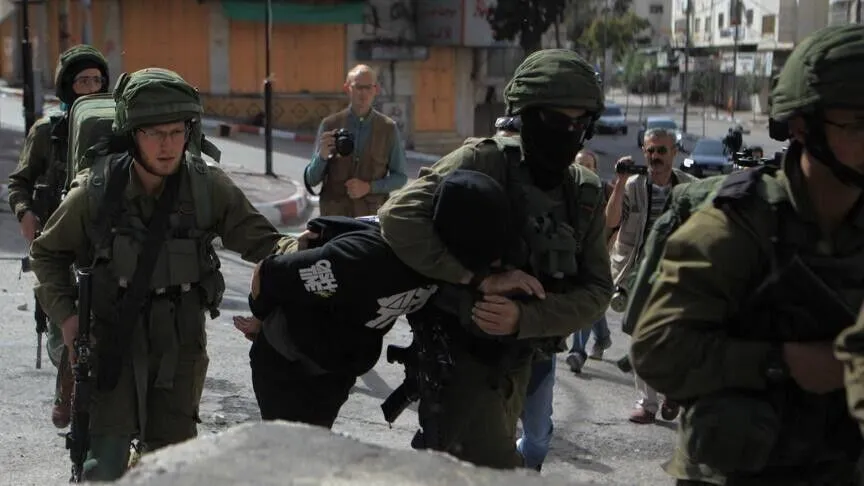
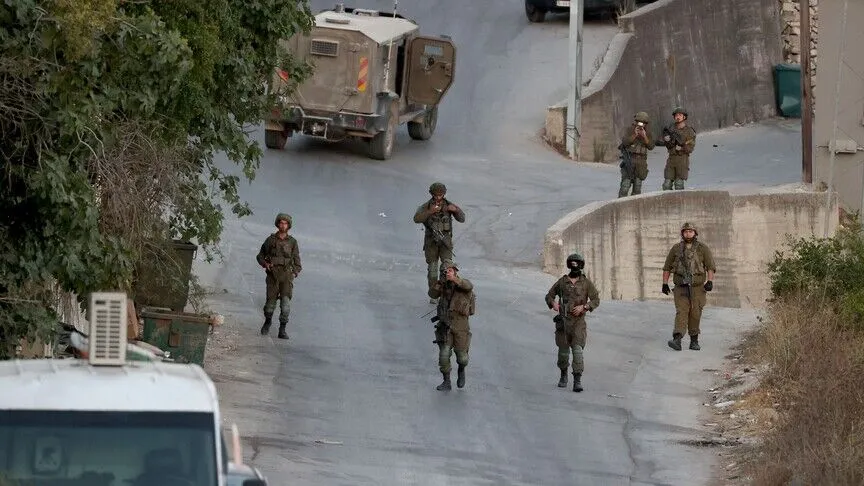 Israeli Army Arrests 200 West Bank Palestinians in 7 Days
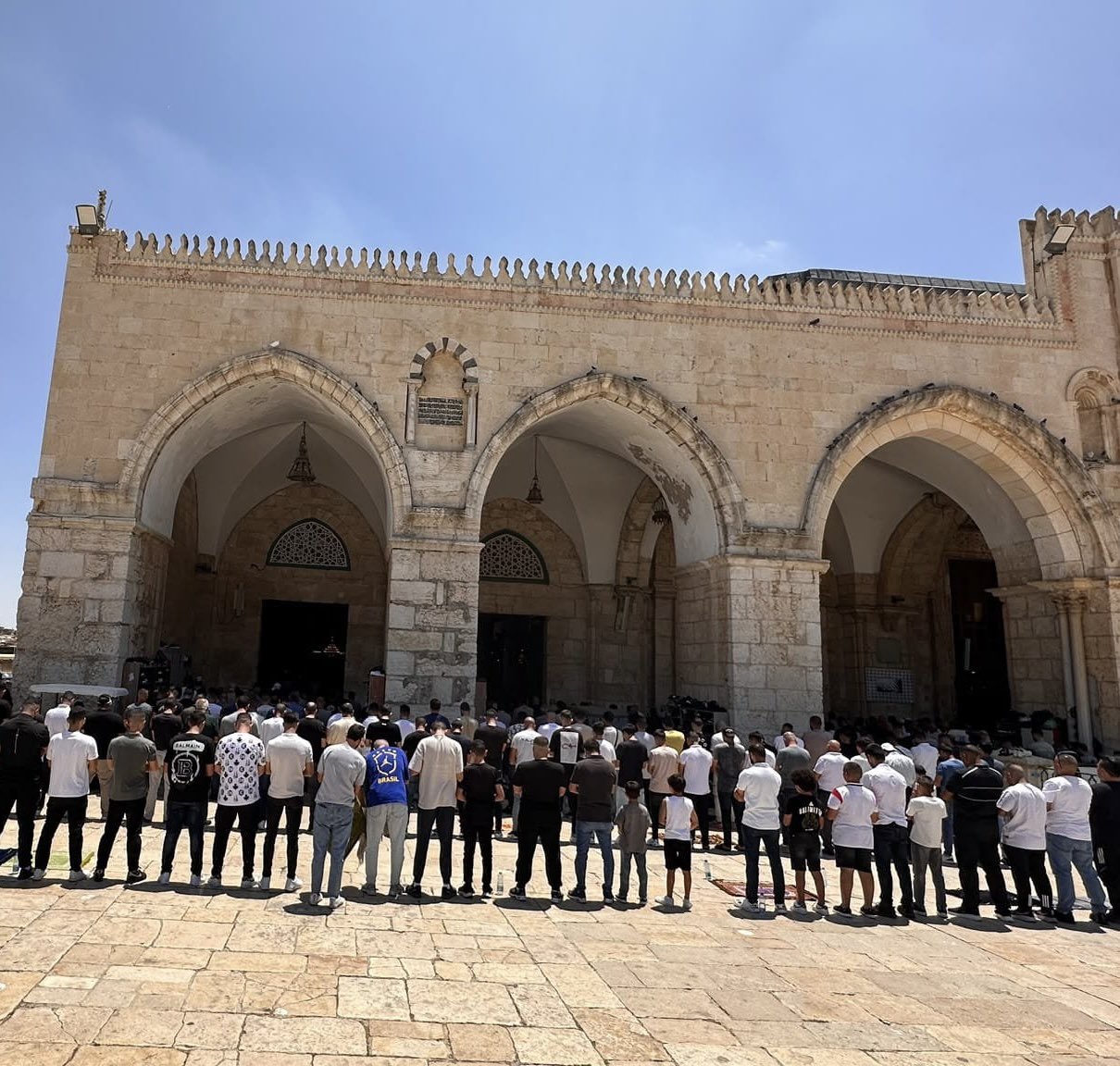
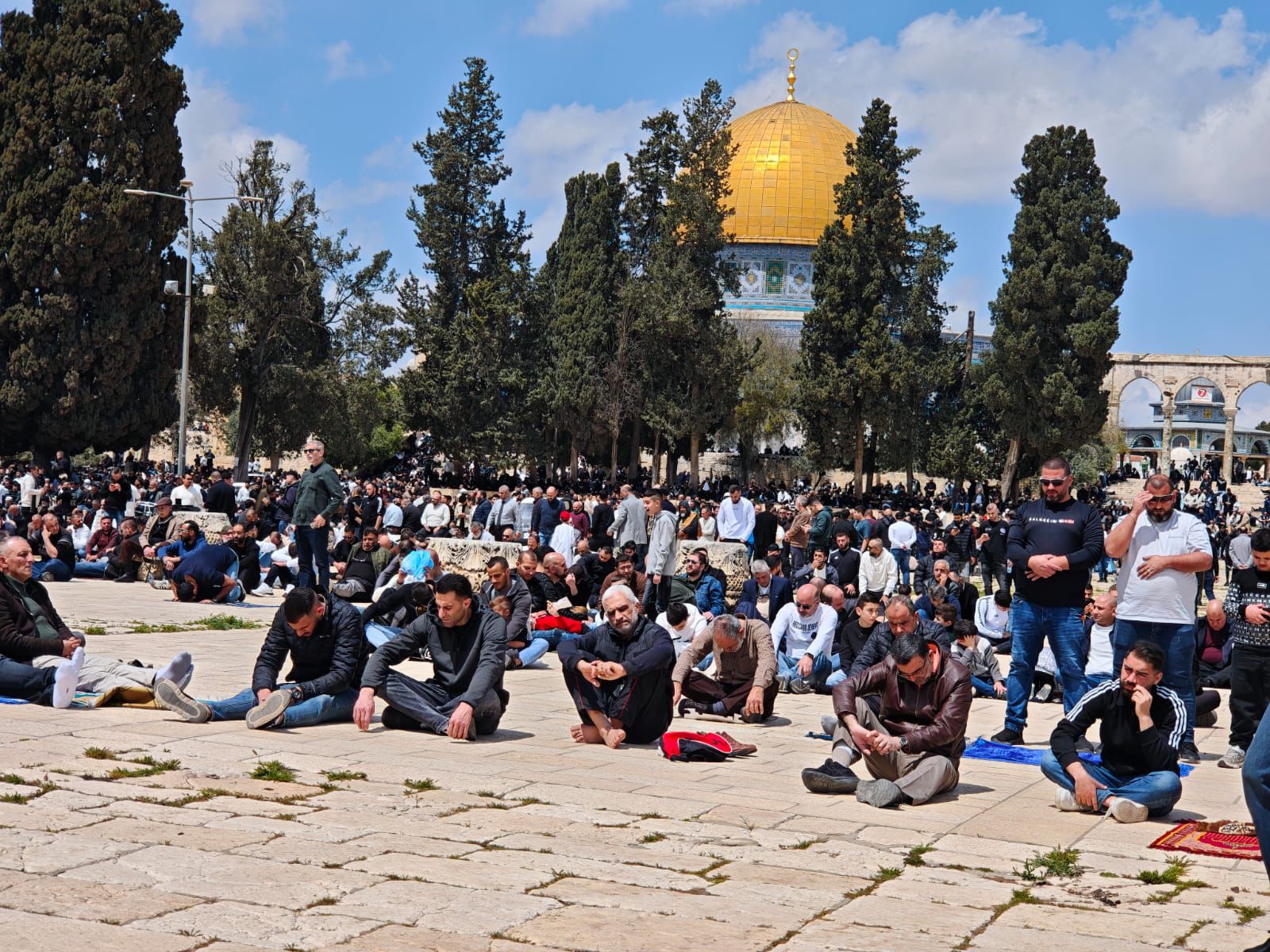 70,000 Pray at Al Aqsa on Friday Noon Salat
 Israel Influence Over US Tumbles Under Trump
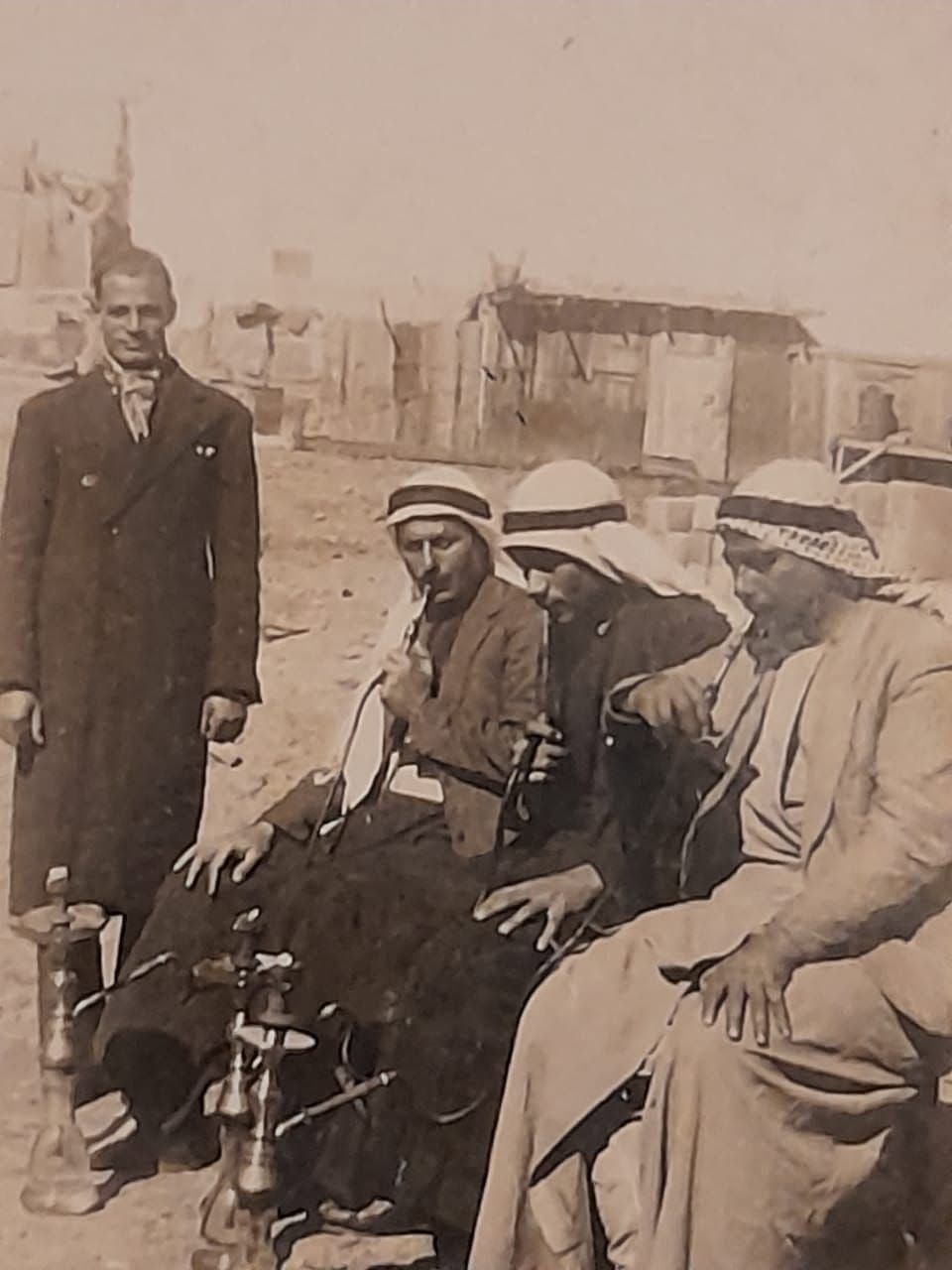 Asaf (Emergency) Cafe, Jaffa in 1937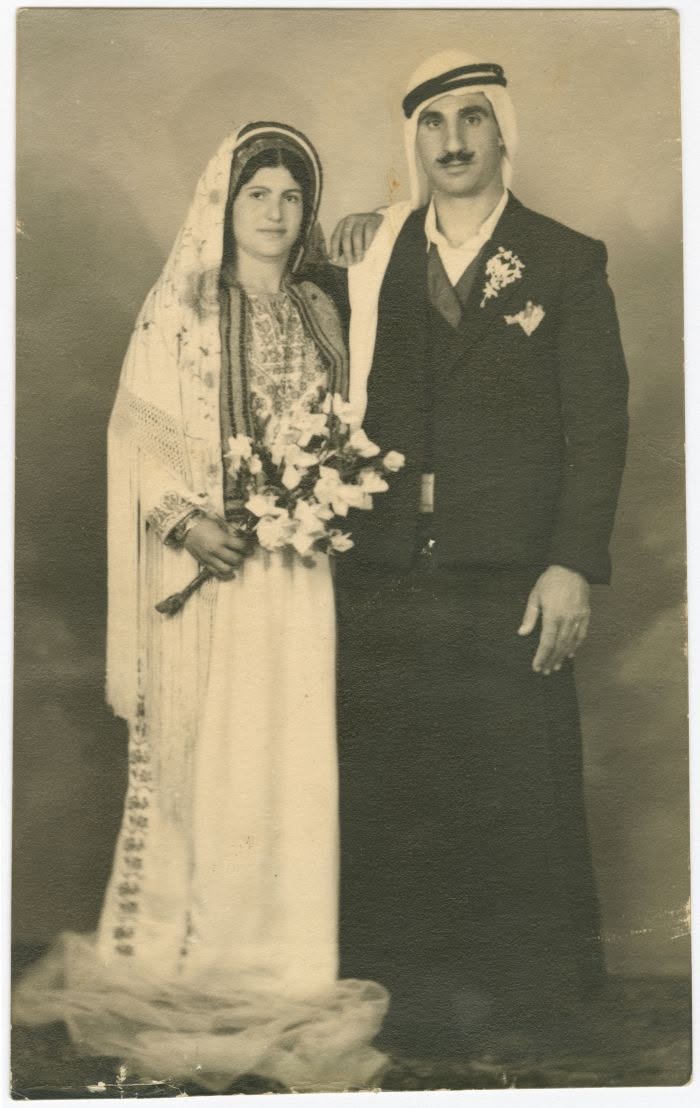




 marwan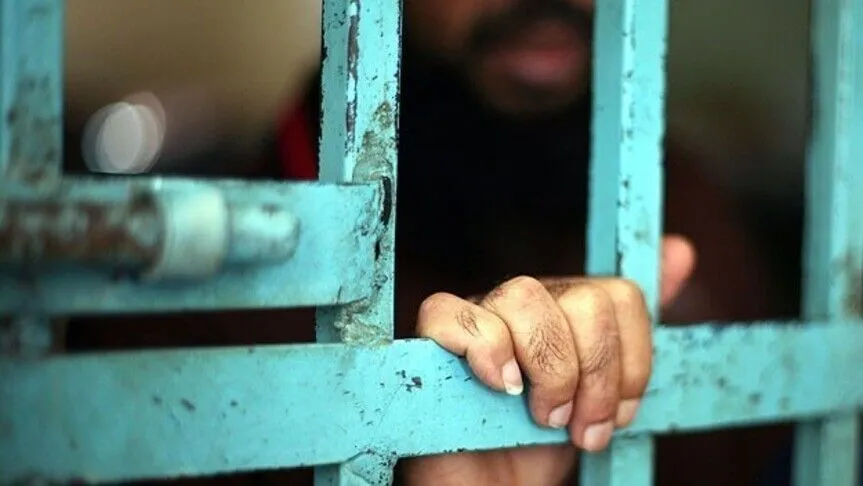






 Saleem Ayoub Quna























 CrossFireArabia