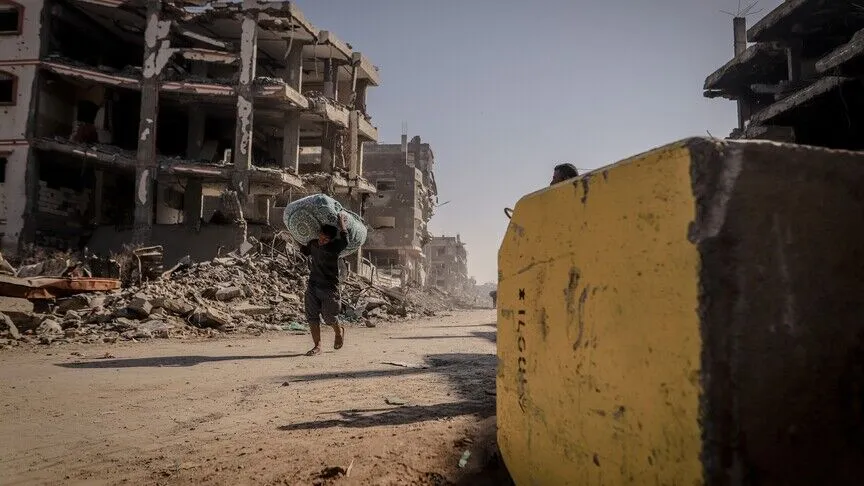
Macron: Persona Non Grata in Israel

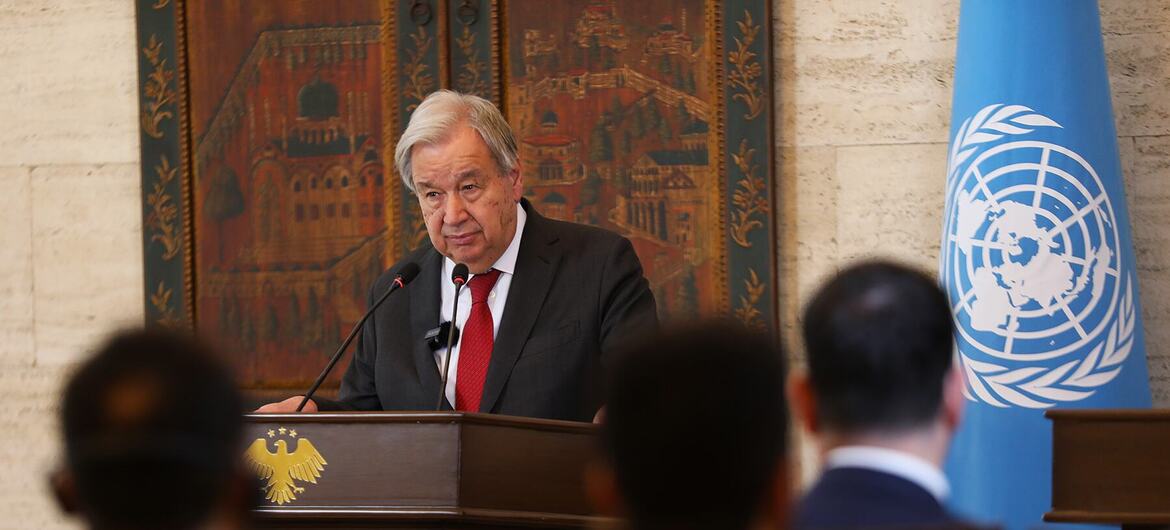
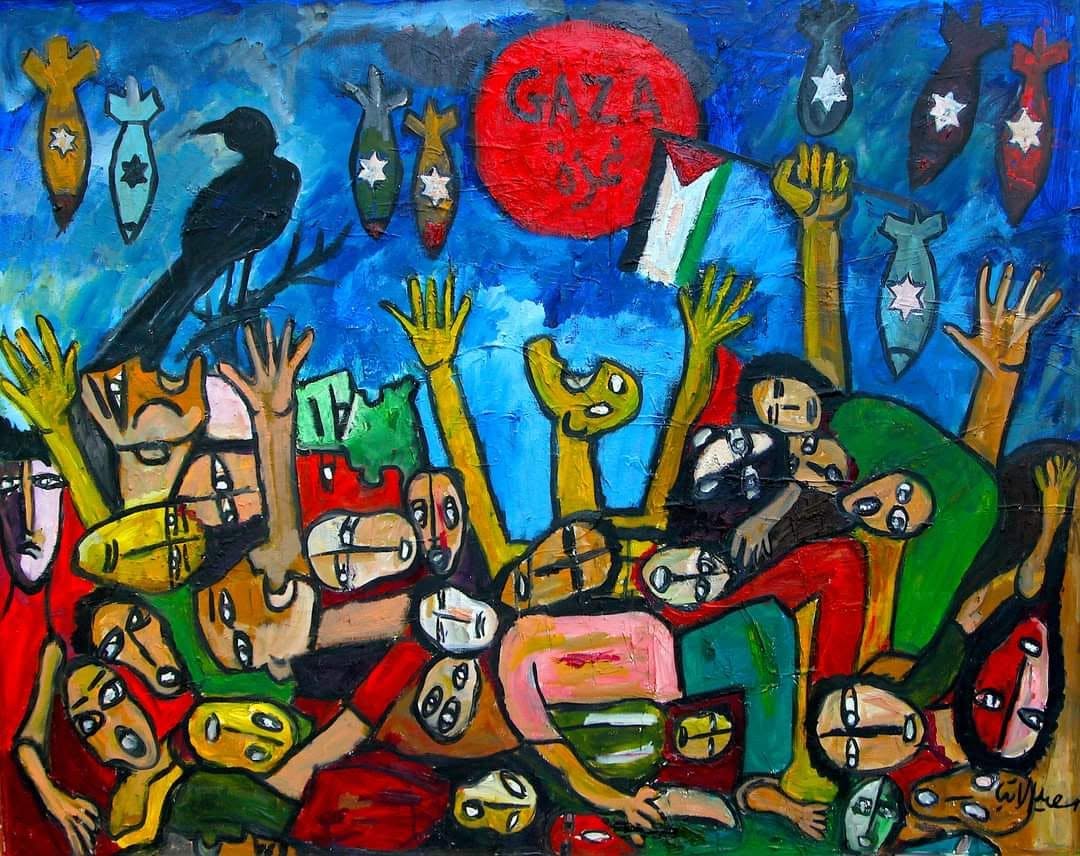
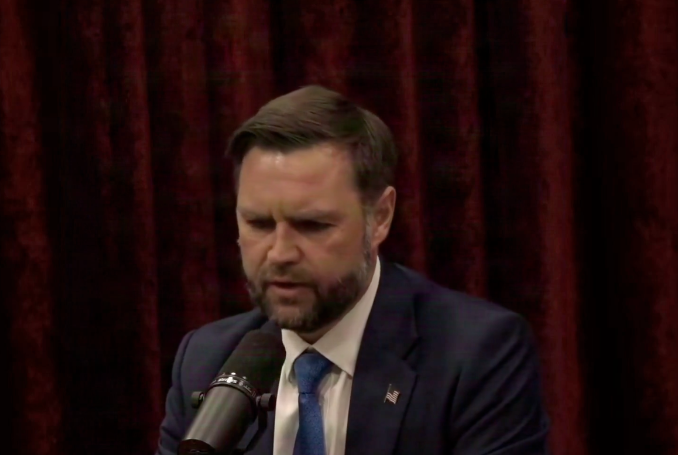
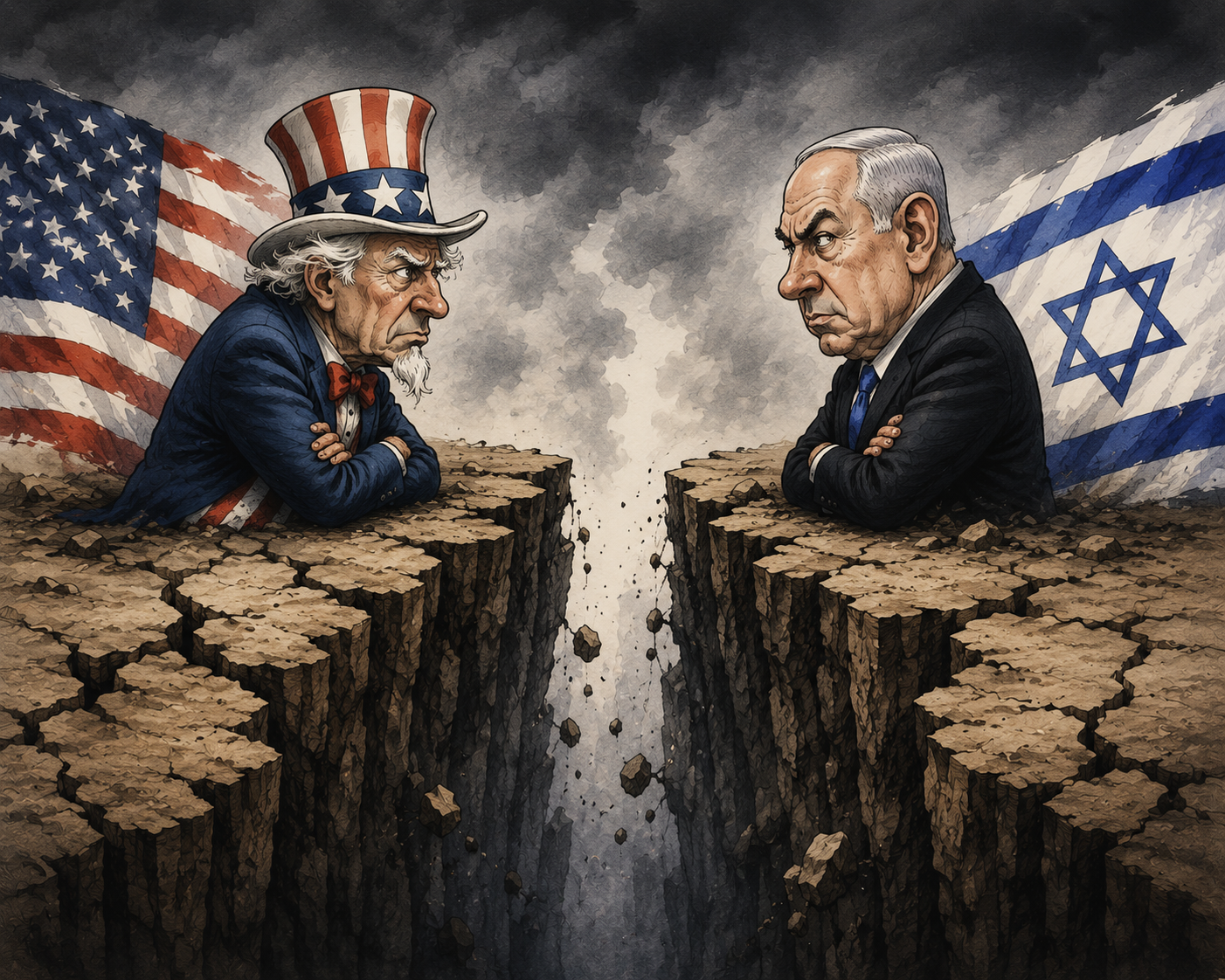
Israel signaled Thursday it will rebuff any visit by French President Emmanuel Macron over his country’s plan to recognize a Palestinian state.

Israeli Foreign Minister Gideon Saar said in a phone call with his French counterpart, Jean-Noel Barrot, that France’s move to recognize Palestinian statehood would “undermine stability in the Middle East and harm Israel’s national and security interests.”

“Israel seeks good relations with France, but France must respect Israel’s position when it comes to matters essential to its security and future,” Saar said during the call as cited by his office’s statement according to Anadolu.

He stressed that any visit by Macron “has no place” as long as France pursues the recognition move.

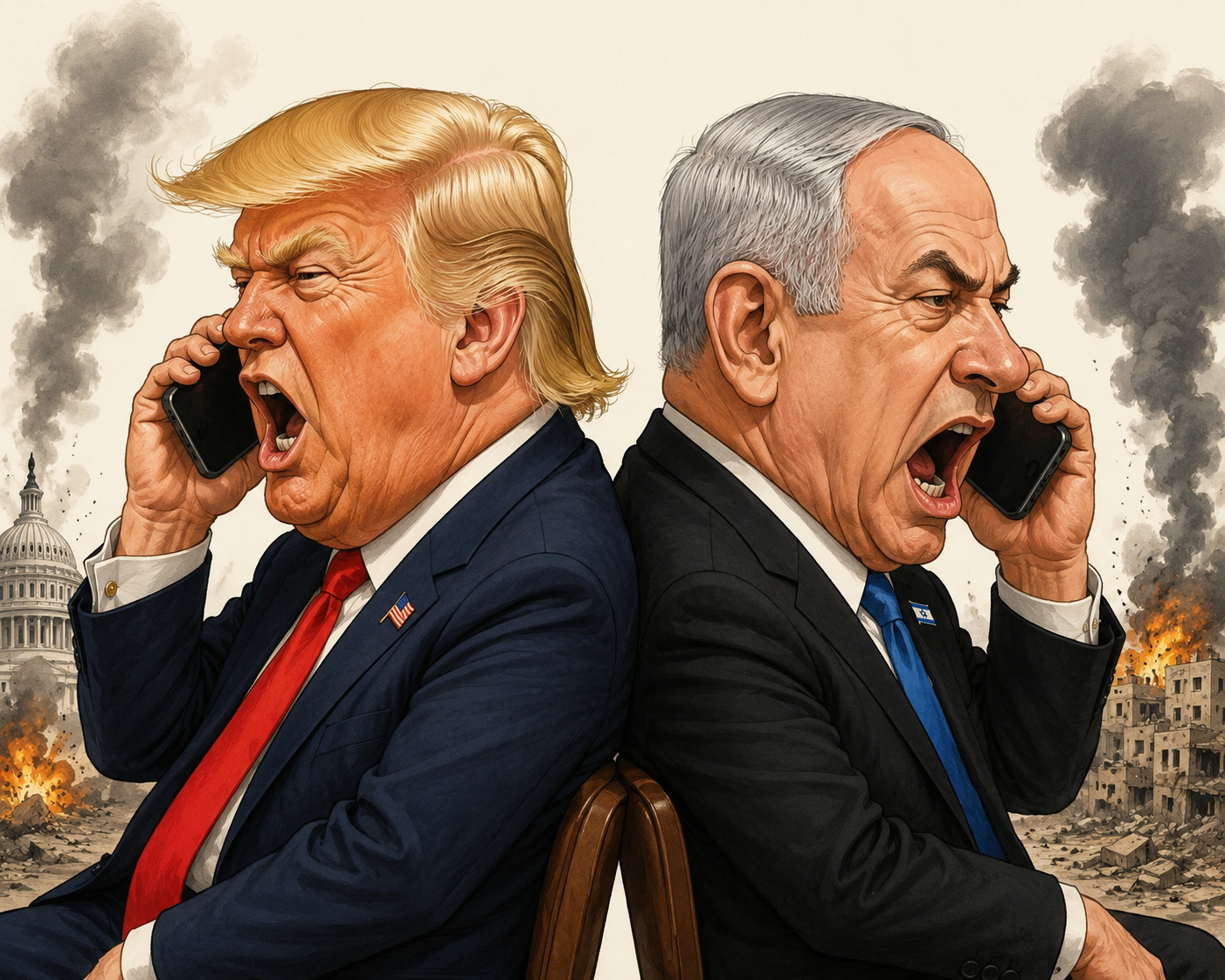
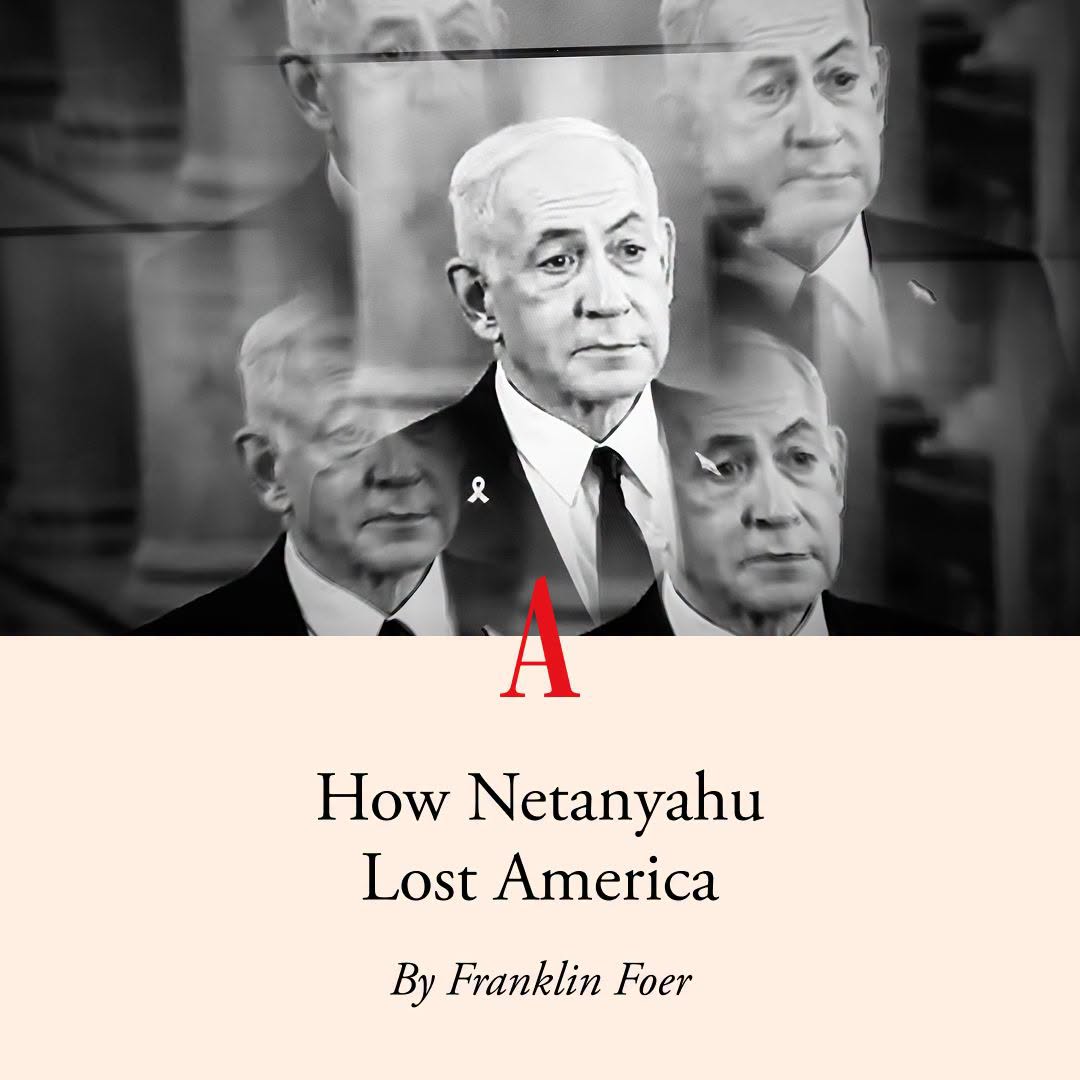
According to The Times of Israel news outlet, Prime Minister Benjamin Netanyahu has conditioned any visit by Macron on scrapping his move to recognize a Palestinian state.

There was no immediate French comment on Saar’s statement.

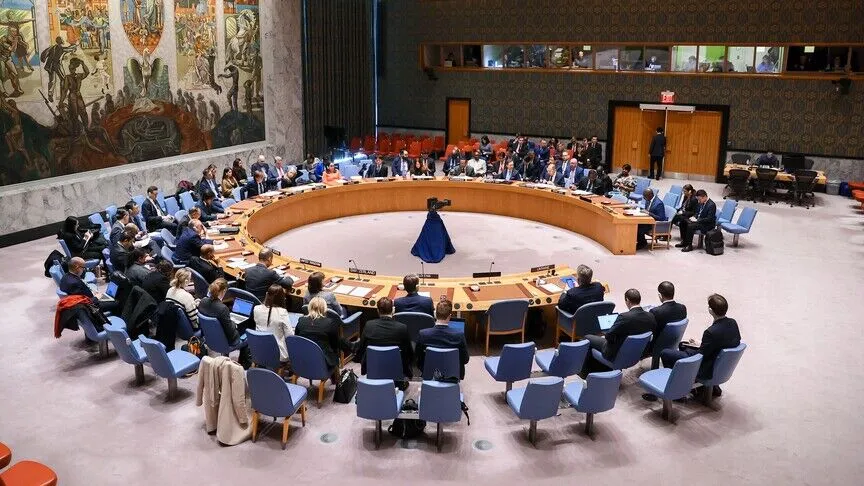
France and several European countries, including Belgium, the UK, Canada, and Australia, plan to recognize Palestinian statehood during the upcoming meetings of the UN General Assembly on September 8-23, joining 147 nations that already do.

Continue reading
Israel’s War on The Truth

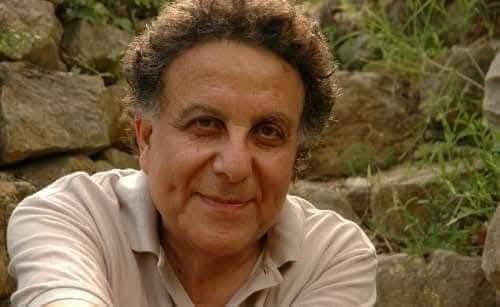
By Najla M. Shahwan

Israel’s military operation in Gaza, in the aftermath of the October 7 attack by Hamas, has become the deadliest, most dangerous conflict for journalists.

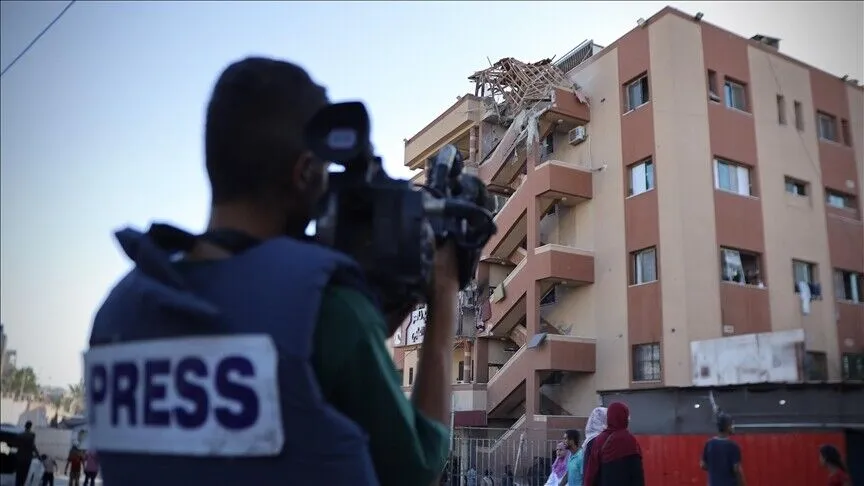
Reporting on the Gaza war has become increasingly perilous, with large numbers of journalists and other media personnel killed or deliberately targeted by Israeli armed forces.

Moreover, the Israeli Authorities have since the war began banned the entry of international journalists to Gaza, an unprecedented move in any other conflict in modern history.

It is a ban on the truth and a ban on reporting the facts.

It is the perfect recipe to fuel misinformation, deepening polarisation and dehumanisation.

While the foreign press has been banned from entering Gaza, Palestinian journalists there have been treated by Israel as legitimate military targets.

Palestinian journalists, whether classical “war correspondents” or, more dangerously, operate with varying degrees of independence have been among a precious few remaining actors capable of exposing illegality.

Over the past 22 months, the world has watched the war in Gaza unfold.

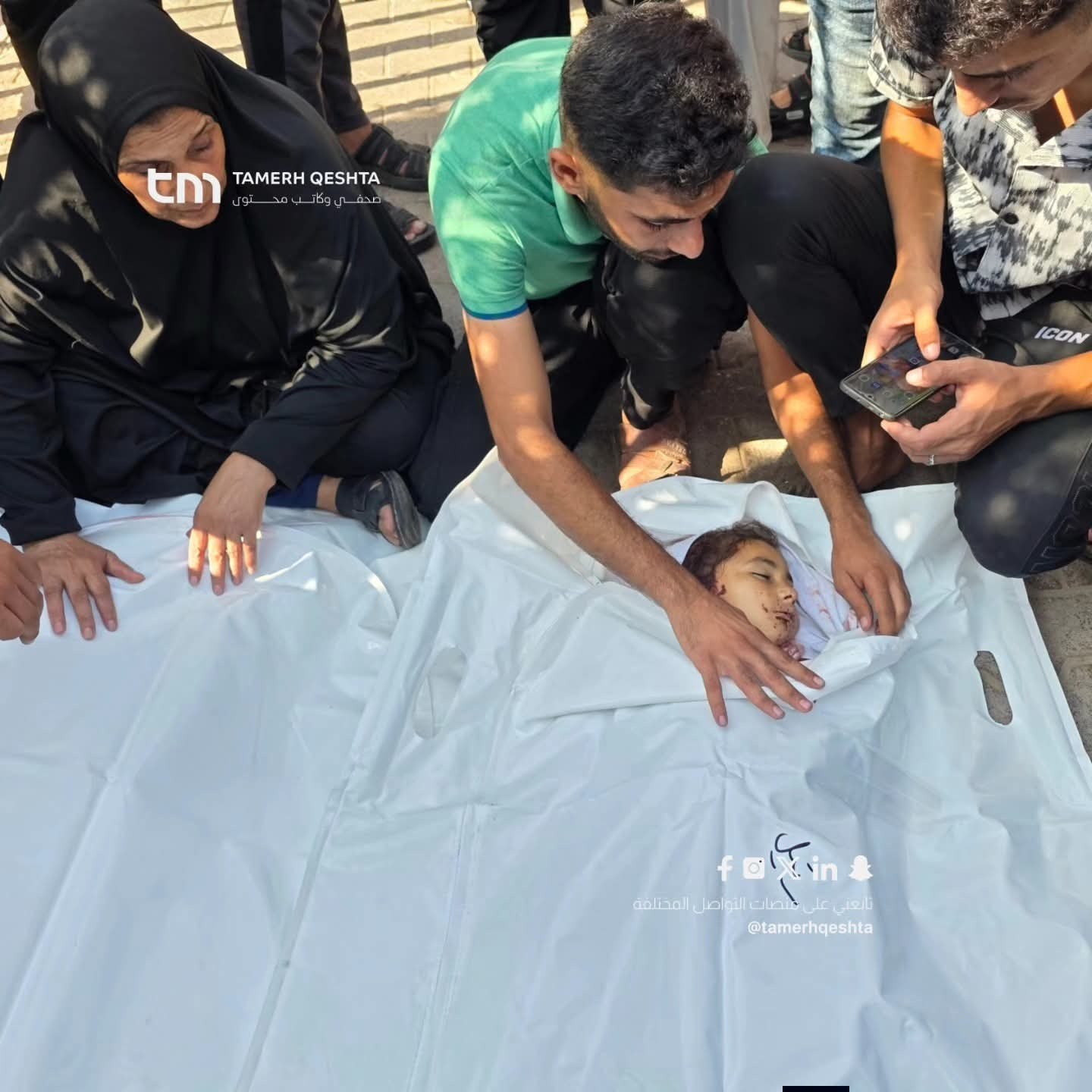
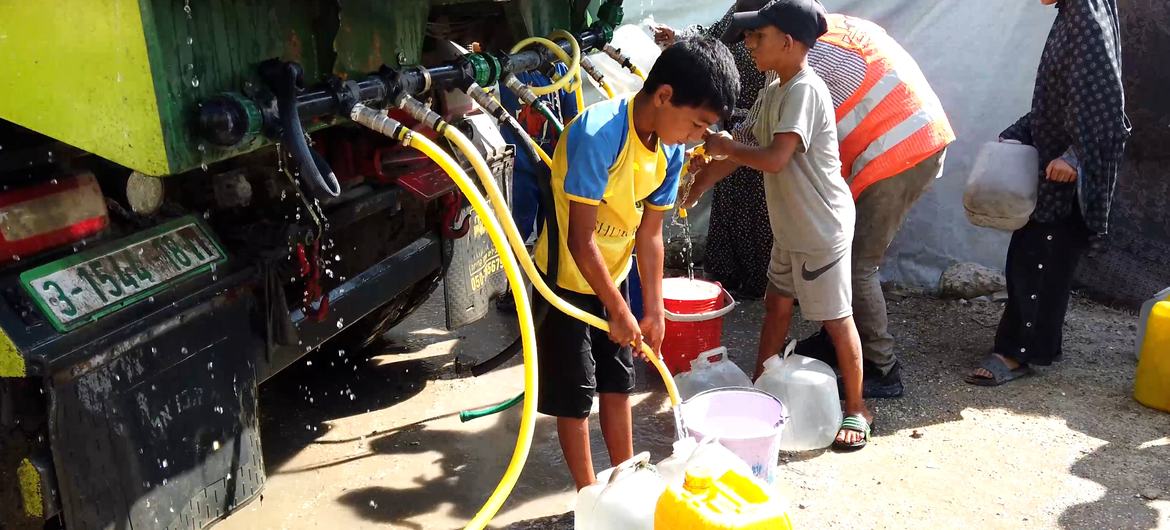
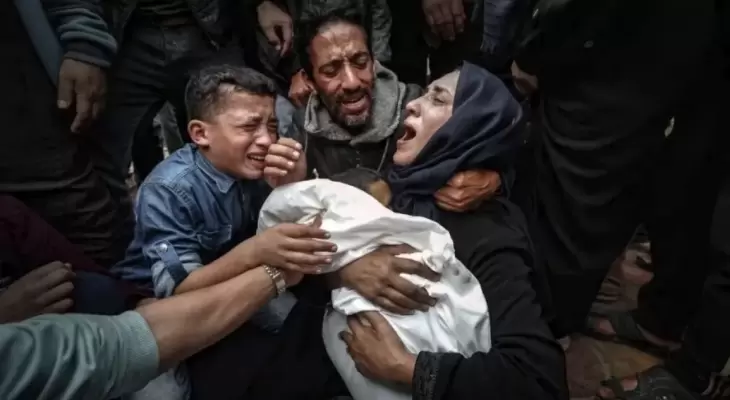
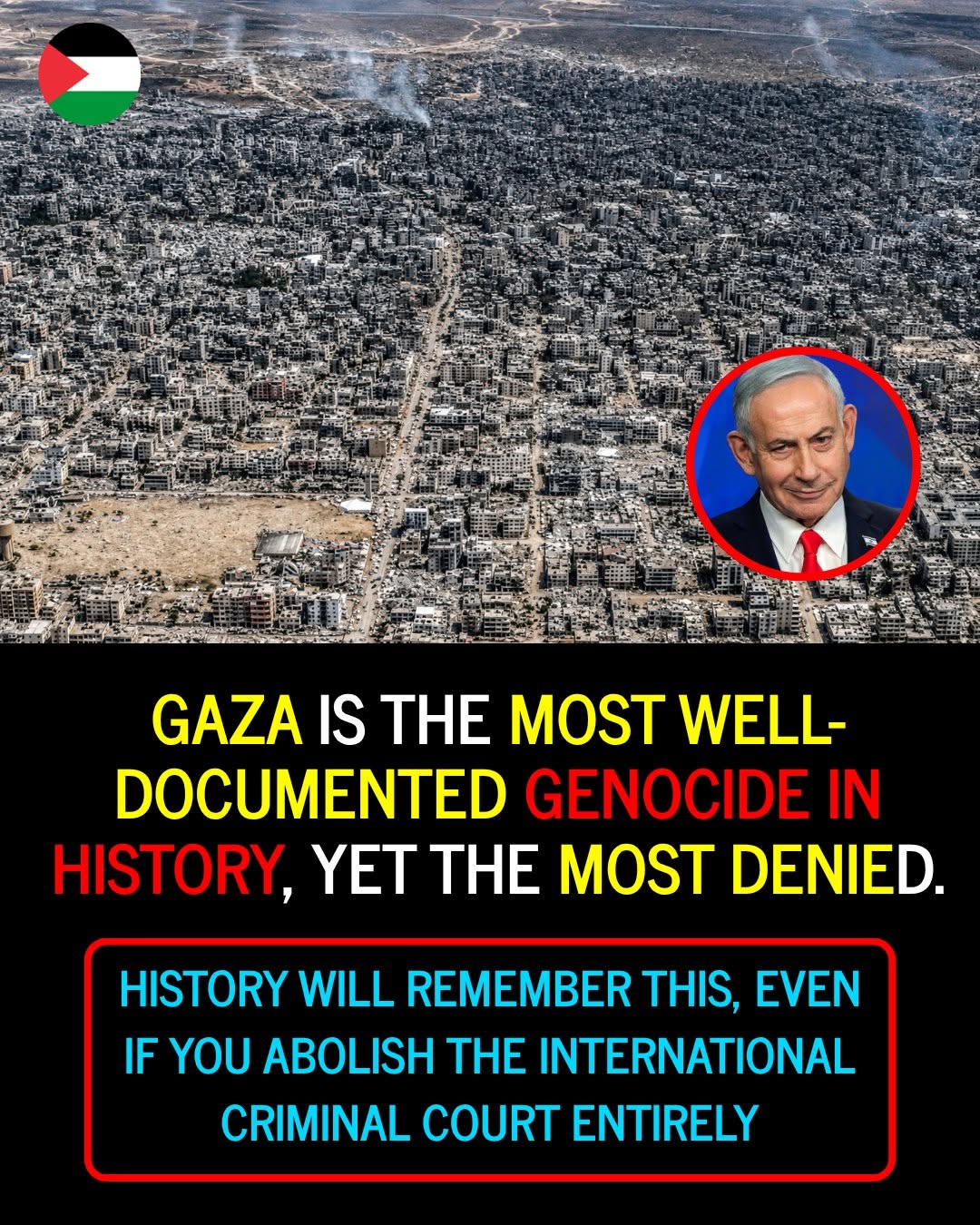
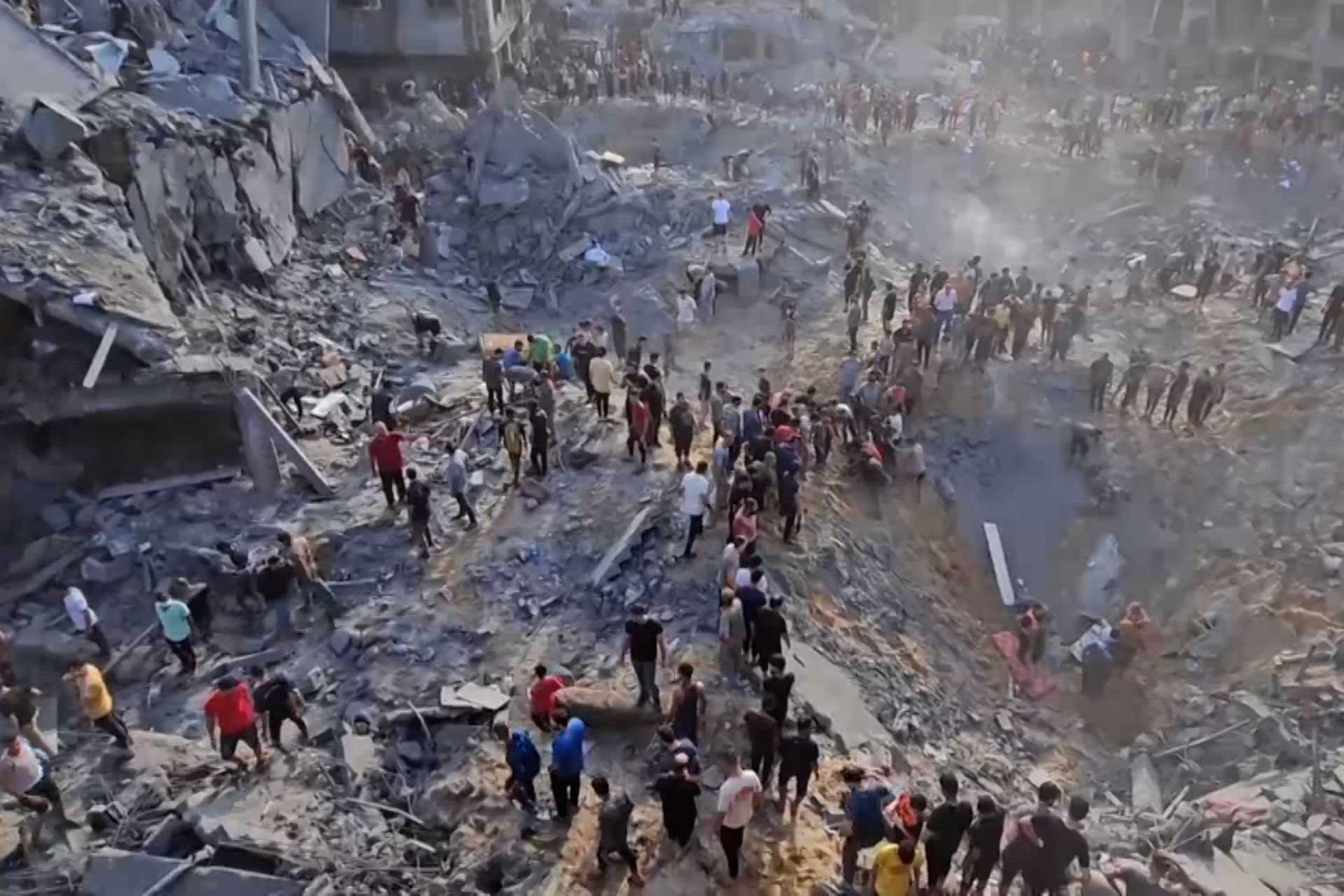
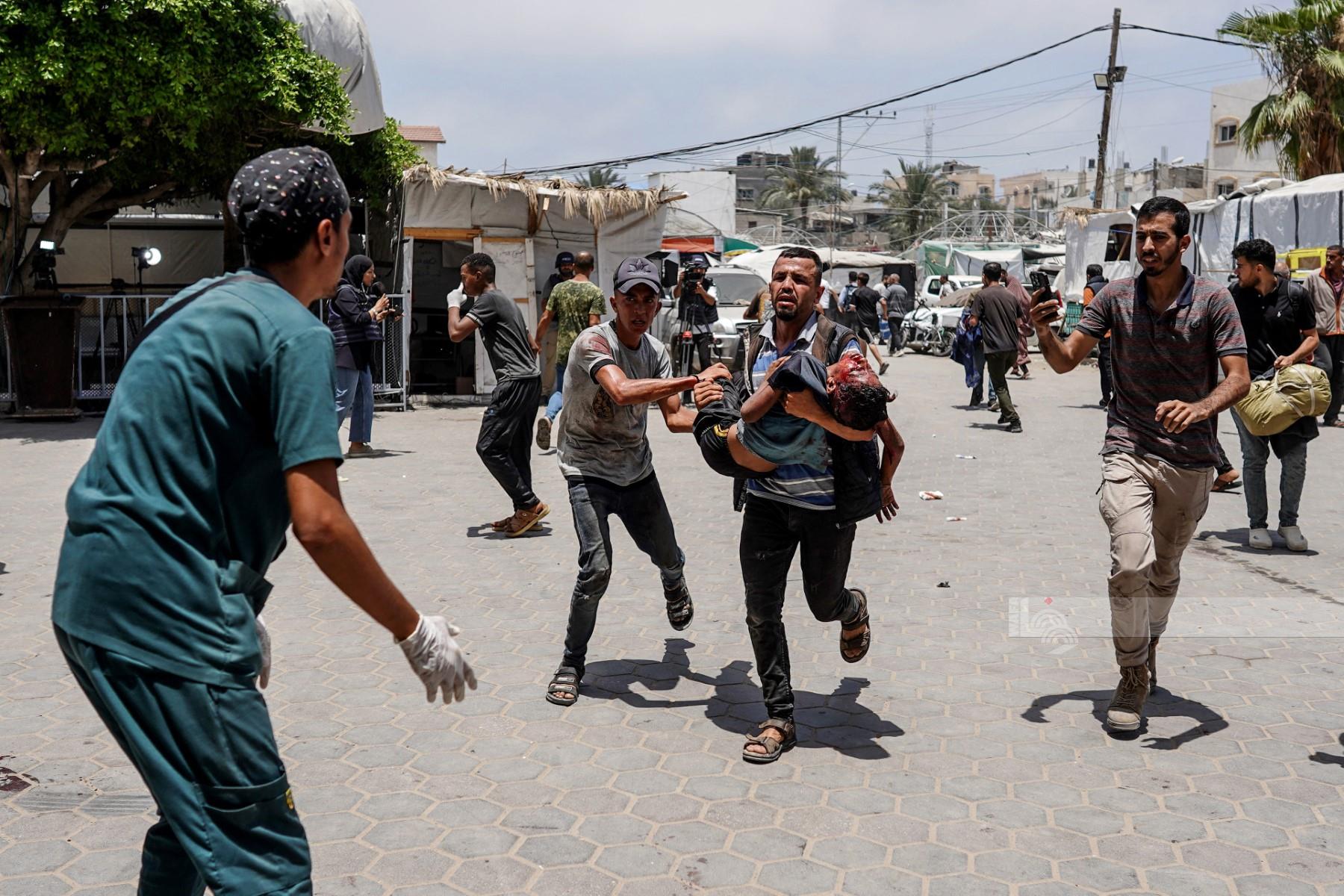
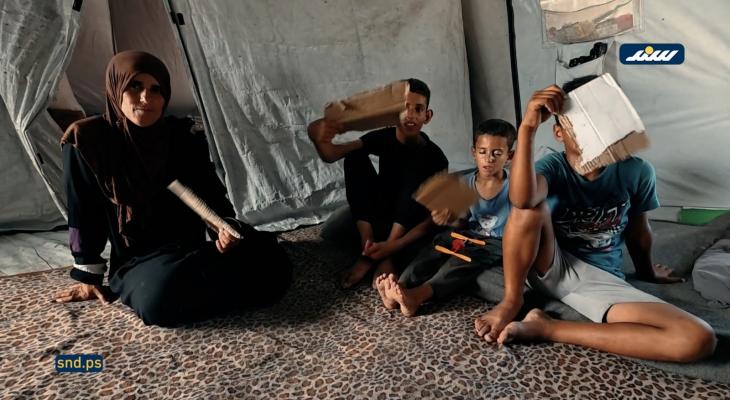
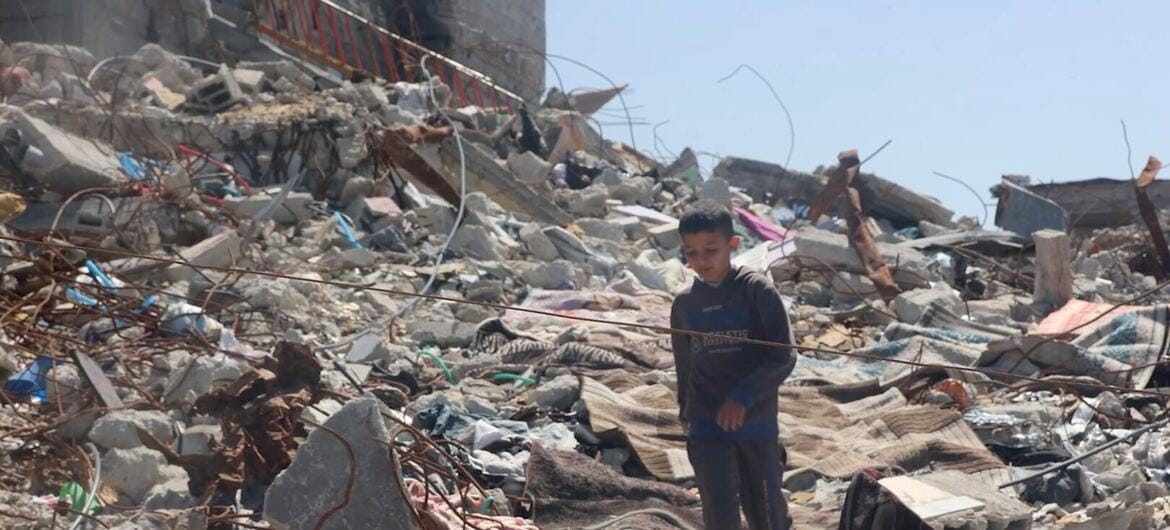
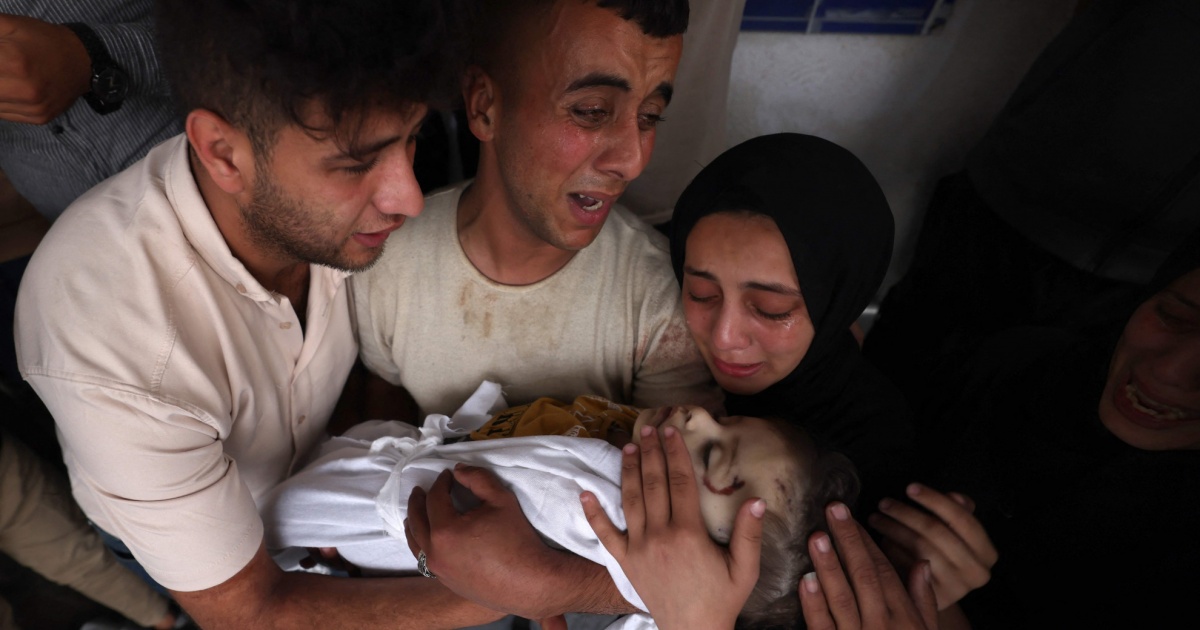
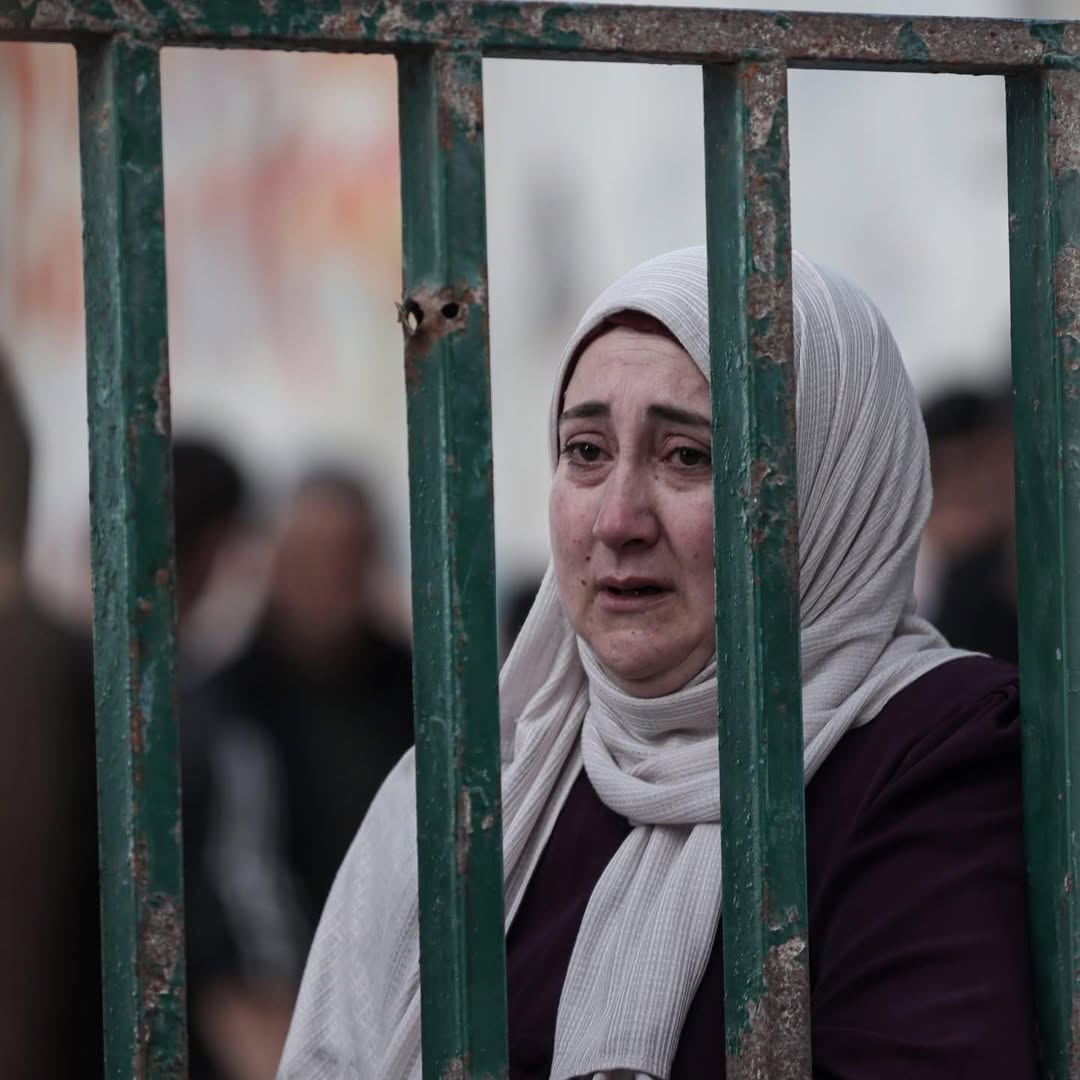
The Israeli military onslaught on the Strip continues nonstop, resulting in the killing of more than 65,000 Palestinians, mostly women and children and almost all of the 2.3 million residents displaced multiple times, struggling to survive the dual threats of targeted attacks and starvation.

Palestinian journalists killed, international reporters banned and members of press and influencers covering devastation in Gaza being silenced despite protection under international law.

In its war on the Gaza strip Israel has been running a special campaign for narrative control of how the world understands what was happening.

The vast majority of Palestinian journalists and social media influencers documenting, mass killing, starvation and other Israeli war crimes in Gaza have been killed since then in the deadliest conflict for journalists ever documented, according to the Committee to Protect Journalists (CPJ).

Even though it is illegal to target journalists, the “Palestinian journalists are being threatened, directly targeted and murdered by Israeli forces, and are arbitrarily detained and tortured in retaliation for their work.

By silencing the press – those who document and bear witness – Israel is silencing the war,” the CPJ said.

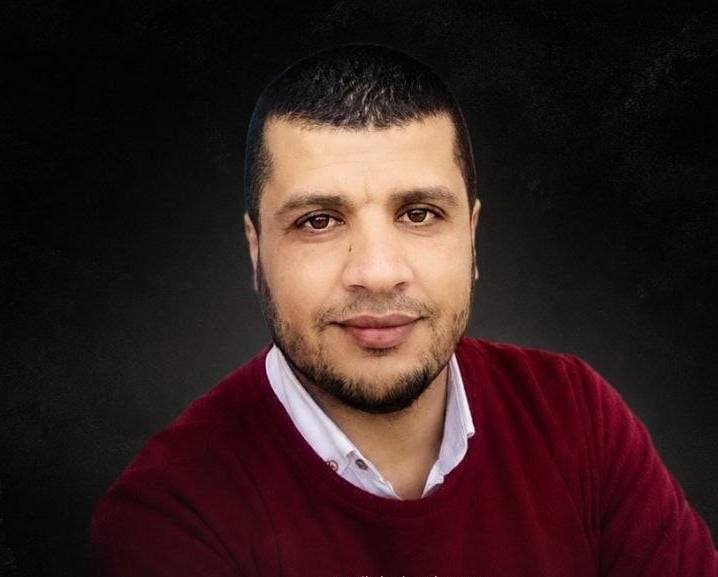
In Israel’s latest attacks, two more journalists, Rasmi Salem of Al Manara and Eman Al Zamli, were killed, bringing the total number of journalists killed since the war on the Palestinian enclave began to more than 270.

Earlier, on September 31, Islam Abed, a correspondent for Al Quds Today TV, was also killed in an Israeli air strike on Gaza City.

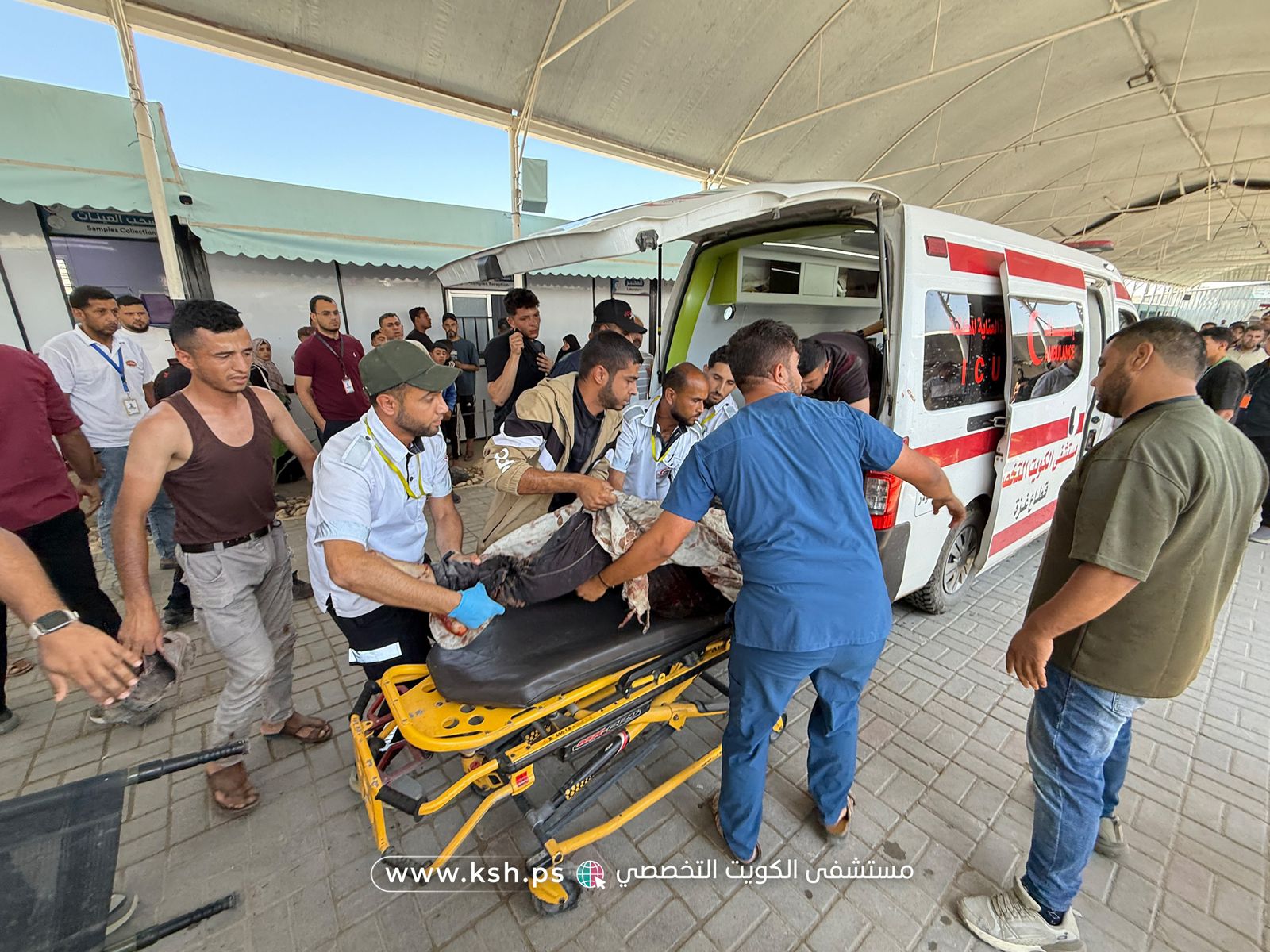
On August 25, five journalists were killedin a “double -tap” Israeli strike targeting Naser hospital in southern Gaza, which killed at least 21 people.

The journalists killed, all worked or freelanced for international media outlets, including Hossam Al Masri, a cameraman with Reuters, Mariam Abu Daqa, a freelance photojournalist with the Associated Press, and Mohammed Salama, a photographer for Al Jazeera.

Freelance journalists Ahmad Abu Aziz and Moas Abu Taha were also killed, while several other journalists were injured in the attack.

Earlier on August 10, another four Al Jazeera journalists and two freelancers were killed by a targeted Israeli strike on their tent outside Al Shifa hospital in Gaza City.

The Israeli army said it deliberately targeted the Al Jazeera crew – the correspondent Anas Al Sharif, who had reported on the war since its outset, the reporter Mohammed Qreiqeh, the cameraman Ibrahim Zaher, and Mohammed Noufal, a crew driver and cameraman.

The Israeli army claimed it had evidence that Sharif was a Hamas terrorist.

The CPJ and other organisations said that this claim is part of a pattern of misinformation, along with other cases where slain journalists have been labelled as Hamas fighters or operatives, and is without credibility.

Press freedom groups and journalists said that those killings are part of a campaign of intimidation to shut down vital reporting, which Israel has justified internationally with smears and false claims that the targets were undercover Hamas fighters.

To many people outside Gaza, the war flashes by as a doom scroll of headlines and casualty tolls and photos of screaming children, the bloody shreds of somebody else’s anguish but the true unimaginable scale of death and destruction is impossible to grasp, the details hazy and shrouded by internet and cell phone blackouts that obstruct communication, restrictions barring international journalists, extreme, often life-threatening challenges local journalist reporting from Gaza are facing.

Besides, local journalists inside Gaza face displacement, starvation, and extreme violence.

On August 21, 29 member states of the Media Freedom Coalition issued a statement calling for access to the Strip by foreign press and for Israel to ensure the safety of local journalists working inside Gaza.

French President Emmanuel Macron called on Israel to respect international law, emphasising the important role of independent media in covering “the reality of the conflict.”

Germany’s ambassador to Israel Steffen Seibert demanded an investigation and access for international media to Gaza, while United Kingdom’s Foreign Secretary David Lammy also condemned the attacks, calling for the protection of journalists.

“We are appalled and shocked to see Israel continue to kill journalists with no accountability, as the world watches. It is critical for the international community to step up and take concrete action to ensure the safety of Gaza’s remaining journalists,” International Press Institute (IPI) Executive Director Scott Griffen said.

“As more journalists in Gaza are killed, fewer remain to carry on their work, which means we know less about what is actually happening on the ground.”

“The unabated killing of journalists during the course of this conflict has grave implications for journalists not only in Gaza, who have sacrificed so much and endured such unimaginable violence to cover this war – but also for journalists’ safety all over the world,” Griffen added.

Despite growing global condemnation and concerns over breaches of international law, Israel is continuing its military assault on Gaza and it is likely that more journalists will die as a result.

International journalists must independently report from Gaza and support their Palestinian colleagues who continue to do a heroic job at a heavy price.

The international community must act fast to ensure that journalists are kept safe and hold Israel to account for the deaths of all journalists whose killings may have been targeted. Journalists are civilians, and it is illegal to attack them in a war zone.

Reliable information about wars and conflicts is essential for the wellbeing of local populations and is necessary to enlighten the world on the forces behind wars and the toll on civilians.

The author writes for The Jordan Times.

Continue reading
Mosses’ Staff: Latest Battle For Gaza

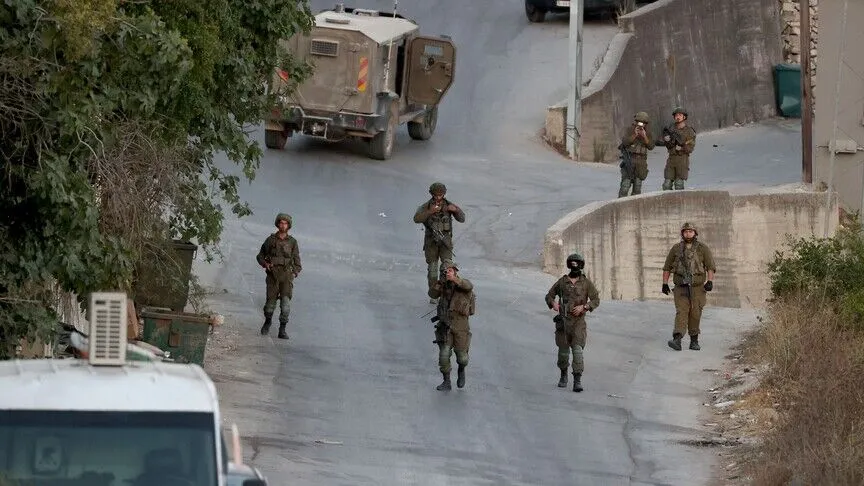
A leading source in the Hamas Qassam Brigades, military wing, announced the launch of a series of military operations called “Staff of Moses,” in response to the Israeli “Gideon’s Chariots 2” operation aimed at occupying Gaza City.

The source told Al Jazeera the first resistance operations took place in the Zeitoun and Jabalia neighborhoods in north Gaza, after the Israeli occupation launch its military operation. He added: “The enemy witnessed firsthand the extent of the preparedness and readiness of the Qassam fighters, and this is only the tip of the iceberg of what awaits them in Gaza.”

He emphasized “just as the ‘Stones of David’ foiled the Gideon Chariots, as acknowledged by the occupation leaders, the ‘Moses’ Staff’ will perform miracles and repel the plots of the aggressors.”

Qassam Operations

The Qassam Brigades announced, Wednesday its forces targeted Israeli occupation forces and vehicles in Gaza City with various weapons and a gathering of Israeli soldiers and vehicles at the Haj Fadl site south of the Zeitoun neighborhood in Gaza City.

It also announced it targeted a D-9 military bulldozer with a 105-mm Al-Yassin missile, Tuesday, near the Salah al-Din Mosque in Zeitoun neighborhood.

Palestinian resistance factions in the Gaza Strip continue to confront the Israeli occupation forces advancing into various areas of the Gaza Strip after the Israeli occupation army resumed its aggression and tightened blockade of the Gaza Strip. This followed a two-month hiatus under a ceasefire agreement that went into effect on January 19. However, the occupation forces violated the terms of the agreement throughout the truce period.

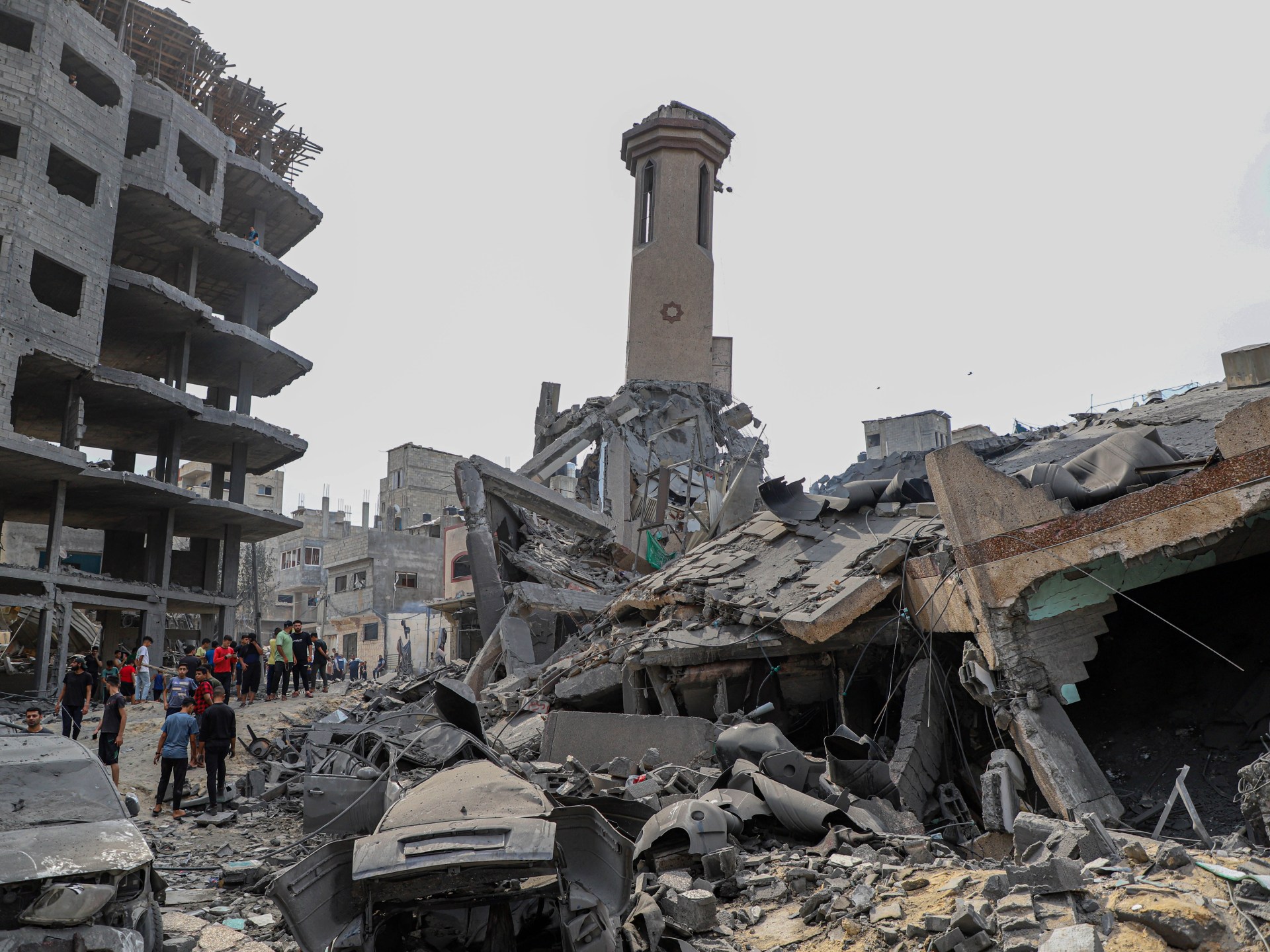
Last month, the Israeli occupation army launched a large-scale attack on the Zeitoun neighborhood, which included the destruction of homes using booby-trapped robots, artillery shelling, indiscriminate gunfire, and forced displacement.

Since October 7, 2023, the Israeli occupation forces, with direct support from the United States and Western countries, have continued to wage a devastating war in Gaza, resulting in the death and injury of approximately 225,000 Palestinians, according to the Palestinian Ministry of Health in the Gaza Strip.

Analysis

The Israeli war on the Gaza Strip took on a clear religious dimension after the Palestinian resistance launched a series of “The Staff of Moses” operations to counter the “Gideon’s Chariots 2” operation of the Israeli army to occupy Gaza City.

Military expert Major-General Fayez al-Duwairi said that the name of the latest operation clearly shows what awaits the enemy in Gaza City and the central Gaza Strip. The combat performance must be in line with the code name of the operation, meaning that the resistance promises to achieve a miracle.

Israel is expected to face a violent confrontation in Gaza City, which contains far more tunnels than those in the areas occupied by the occupation forces over the past 22 months, according to al-Duwairi.

With the tunnels, the large number of houses and the nature of the streets will impede the movement of vehicles and will confront the occupation forces in a street battle, which the military expert believes will incur far greater losses than expected.

The resistance has completely changed its warfare approach in the recent months. Previously relying on direct clashes and open confrontations, it has now, according to al-Duwairi, relied on ambushes, raids, and the execution of operations with the fewest possible fighters. This is to conserve its strength, which has been depleted by Israeli strikes, length of war, and the lack of supplies.

Thus the recent ambushes in Zeitoun, Jabalia, and Khan Yunis are a warning of what is waiting for Israel in Operation Gideon 2.

Al-Duwairi believes that the Israeli army attempted entry into Gaza City “will likely not be a walk in the park” and believes that they will lose far greater than the number of soldiers they estimate would be killed, which they put at 100 during the battle for Gaza City.

Continue reading
Is The West Turning Against Israel?

By Dr Ramzi Baroud

Is it finally happening? Is the West turning against Israel? Or are we, whether motivated by hope or driven by despair, simply engaging in wishful thinking? The matter is not so simple.

Last July, a significant number of countries and organizations signed the ‘New York Declaration,’ a strong statement that followed a high-level meeting titled, “Conference on the Peaceful Settlement of the Question of Palestine.”

The conference itself and its bold conclusion warrant a deeper conversation. What matters for now, however, is the identity of the countries involved. Aside from states that have traditionally advocated for international justice and law in Palestine, many of the signatories were countries that had previously supported Israel regardless of context or circumstance.

These mostly Western countries included Australia, Canada, and the United Kingdom, among others. Some of these nations are also expected to formally recognize the state of Palestine in September.

Of course, one has no illusions about the hypocrisy of supporting peace in Palestine while still arming the Israeli war machine that is carrying out a genocide in Gaza. That notwithstanding, the political change is too significant to ignore.

In the case of Ireland, Norway, Spain, Luxembourg, Malta, and Portugal, among others, one can explain the growing rift with Israel and the championing of Palestinian rights based on historical evidence. Indeed, most of these countries have historically teetered on the edge between the Western common denominator and a more humanistic approach to the Palestinian struggle. This shift had already begun years prior to the ongoing Israeli genocide.

But what is one to make of the positions of Australia and the Netherlands, two of the most adamantly pro-Israel governments anywhere?

In Australia’s case, media accounts argue that the friction began when the federal government denied an Israeli extremist lawmaker, Simcha Rothman, a visa for a speaking tour.

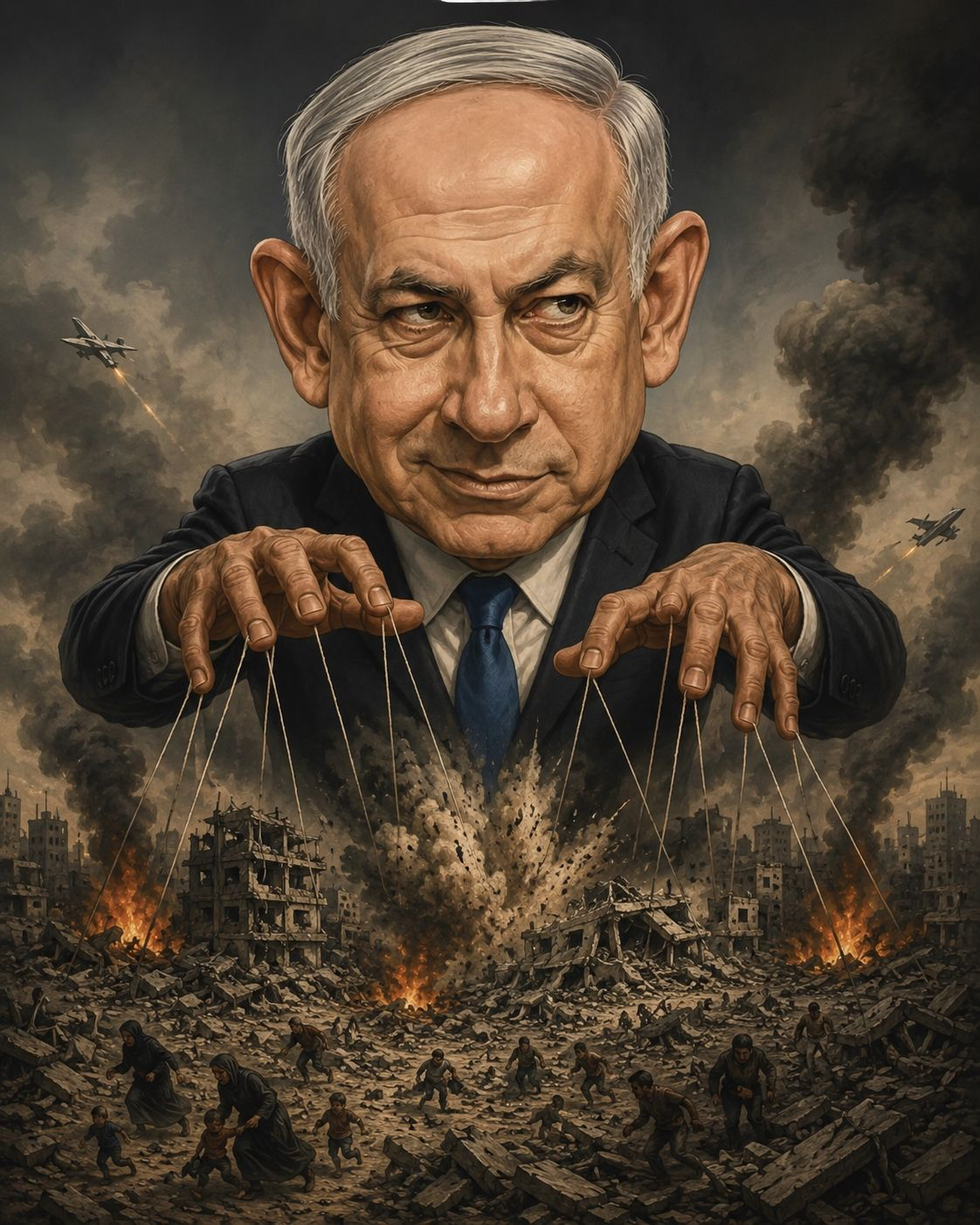
Israel quickly retaliated by ending visas for three Australian diplomats in occupied Palestine. This Israeli step was not just a mere tit-for-tat response but the start of a virulent campaign by Israeli Prime Minister Benjamin Netanyahu to wage a diplomatic war against Australia.

“History will remember Albanese for what he is: a weak politician who betrayed Israel and abandoned Australia’s Jews,” Netanyahu said, again infusing the same logic of lies and manipulation tactics.

Israel’s anger was not directly related to Rothman’s visa. The latter was a mere opportunity for Netanyahu to respond to Australia’s signature on the New York Declaration, its decision to recognize Palestine, and its growing criticism of Israel’s genocide in Gaza.

Though Albanese did not engage Netanyahu directly, his Home Affairs Minister, Tony Burke, did. He answered the accusations of weakness by boldly arguing that “strength is not measured by how many people you can blow up.”

This statement is both true and self-indicting, not only for Australia but for other Western governments. For years, and numerous times during the genocide, Australian leaders have argued that “Israel has the right to defend itself.” Since blowing people up hardly qualifies as self-defense, it follows that Canberra had known all along that Israel’s war is but an ongoing episode of war crimes. So, why the sudden, though still unconvincing, shift in position?

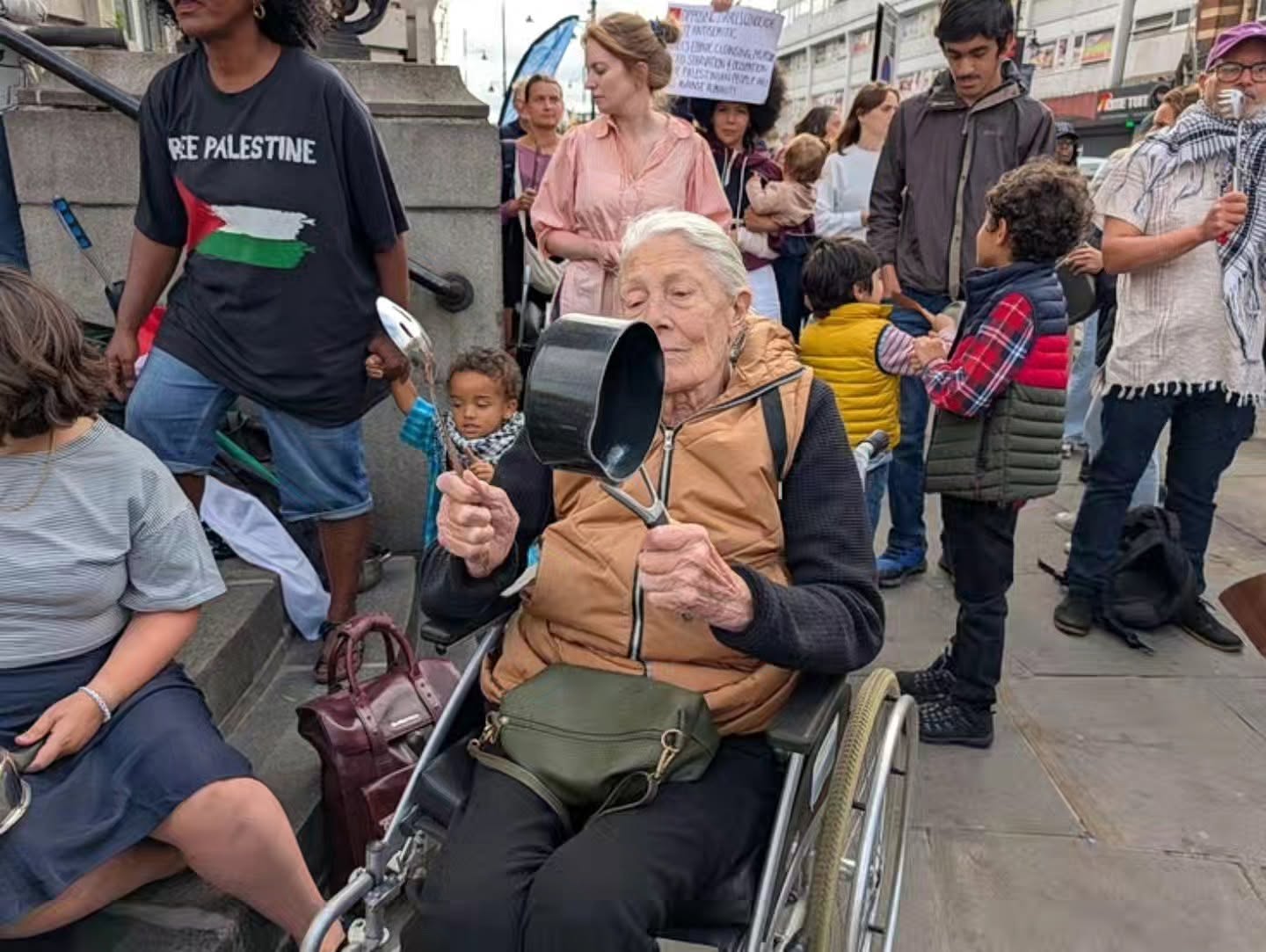
The answer to this question is directly related to the mass mobilization in Australia. On a single Sunday in August, hundreds of thousands of Australians took to the streets in what organizers described as the largest pro-Palestinian demonstrations in the country’s history. Marches were held in more than 40 cities and towns, including a massive rally in Sydney that drew a crowd of up to 300,000 people and brought the city’s Harbour Bridge to a standstill. These protests, which called for sanctions and an end to Australia’s arms trade with Israel, demonstrated the immense public pressure on the government.

In other words, it is the Australian people who have truly spoken, courageously standing up to Netanyahu and to their own government’s refusal to take any meaningful step to hold Israel accountable. If anyone should be congratulated on their strength and resolve, it would be the millions of Australians who relentlessly continue to rally for peace, justice, and an end to the genocide in Gaza.

Similarly, the political crisis in the Netherlands, starting with the resignation of Foreign Minister Caspar Veldkamp on August 22, 2025, is indicative of the unusually significant change in European politics toward Israel and Palestine.

“The Israeli government’s actions violate international treaties. A line must be drawn,” said Eddy van Hijum, the leader of the country’s New Social Contract Party and deputy prime minister.

The “line” was indeed drawn, and quickly so when Veldkamp resigned, ushering in mass resignations by other key ministers in the government. The idea of a major political crisis in the Netherlands sparked by Israeli war crimes in Palestine would have been unthinkable in the past.

The political shift in the Netherlands, much like in Australia, would not have happened without the massive public mobilization around the Gaza genocide that continues to grow worldwide. While pro-Palestine protests have occurred in the past, they have never before achieved the critical mass needed to compel governments to act.

Though these governmental actions remain timid and reluctant, the momentum is undeniable. People’s power is proving more than capable of swaying some governments to impose sanctions and sever diplomatic ties with Israel, not only through pressure in the streets but also through pressure at the ballot box.

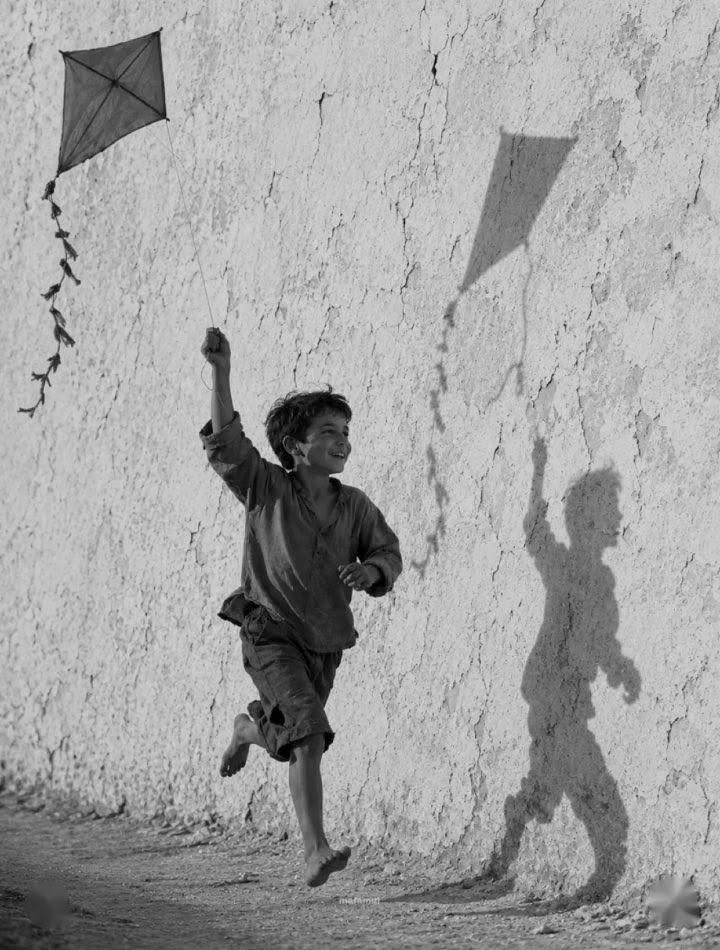
While the West has not yet fully turned against Israel, it may only be a matter of time. The precious blood of hundreds of thousands of innocent Palestinians in Gaza deserves for history to be finally altered. The children of Palestine deserve this global awakening of conscience.

Ramzy Baroud is a journalist, author and the Editor of The Palestine Chronicle. He is the author of six books. His forthcoming book, ‘Before the Flood,’ will be published by Seven Stories Press. His other books include ‘Our Vision for Liberation’, ‘My Father was a Freedom Fighter’ and ‘The Last Earth’. Baroud is a Non-resident Senior Research Fellow at the Center for Islam and Global Affairs (CIGA). He contributed this article to the Jordan Times.

Continue reading
Houthi Missile Paralyzes Ben Gurion Airport

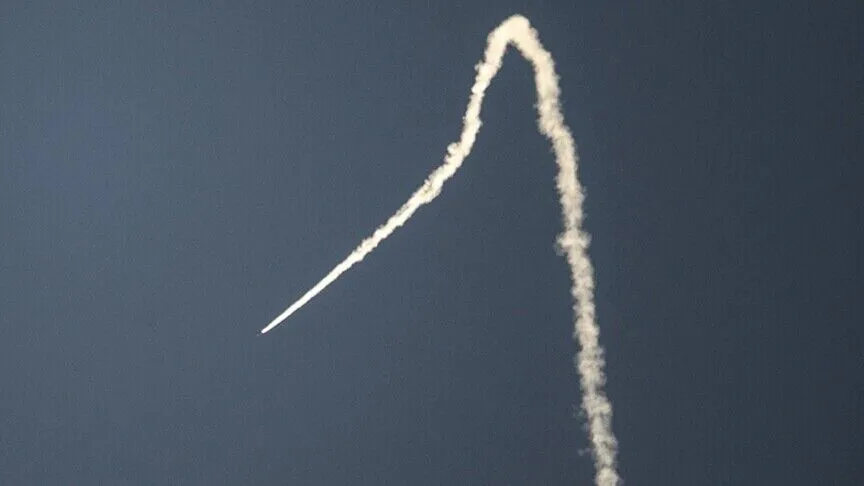
Israel’s Ben Gurion Airport was briefly shut down after a missile strike was launched from Yemen, local media said.

According to the Israeli daily Yedioth Ahronoth, the operations were temporarily suspended in Ben Gurion Airport after a missile was detected.

The Israeli army said in a statement through the US social media company X that the missile was intercepted.

The Ben Gurion Airport reopened after the interception, Yedioth Ahronoth added.

Israeli Channel 12 said that air raid sirens were sounded in Tel Aviv, central Israel, and West Jerusalem for the first time since the assassination of Yemeni Prime Minister Ahmed Ghalib Al-Rahawi.

The Yemeni Houthi group intensified assaults in recent days after an Israeli airstrike in Yemen’s capital Sanaa killed 12 top officials, including the premier and nine other ministers.

The Houthis vowed to continue their missile and drone strikes against Israeli targets in support of Palestinians in the Gaza Strip.

Since November 2023, the Houthis have launched missile and drone strikes on Israeli targets and targeted commercial shipping in the Red Sea, Gulf of Aden, and Arabian Sea in support of Palestinians in Gaza, where more than 63,600 people have been killed in an Israeli genocidal war.

Continue reading