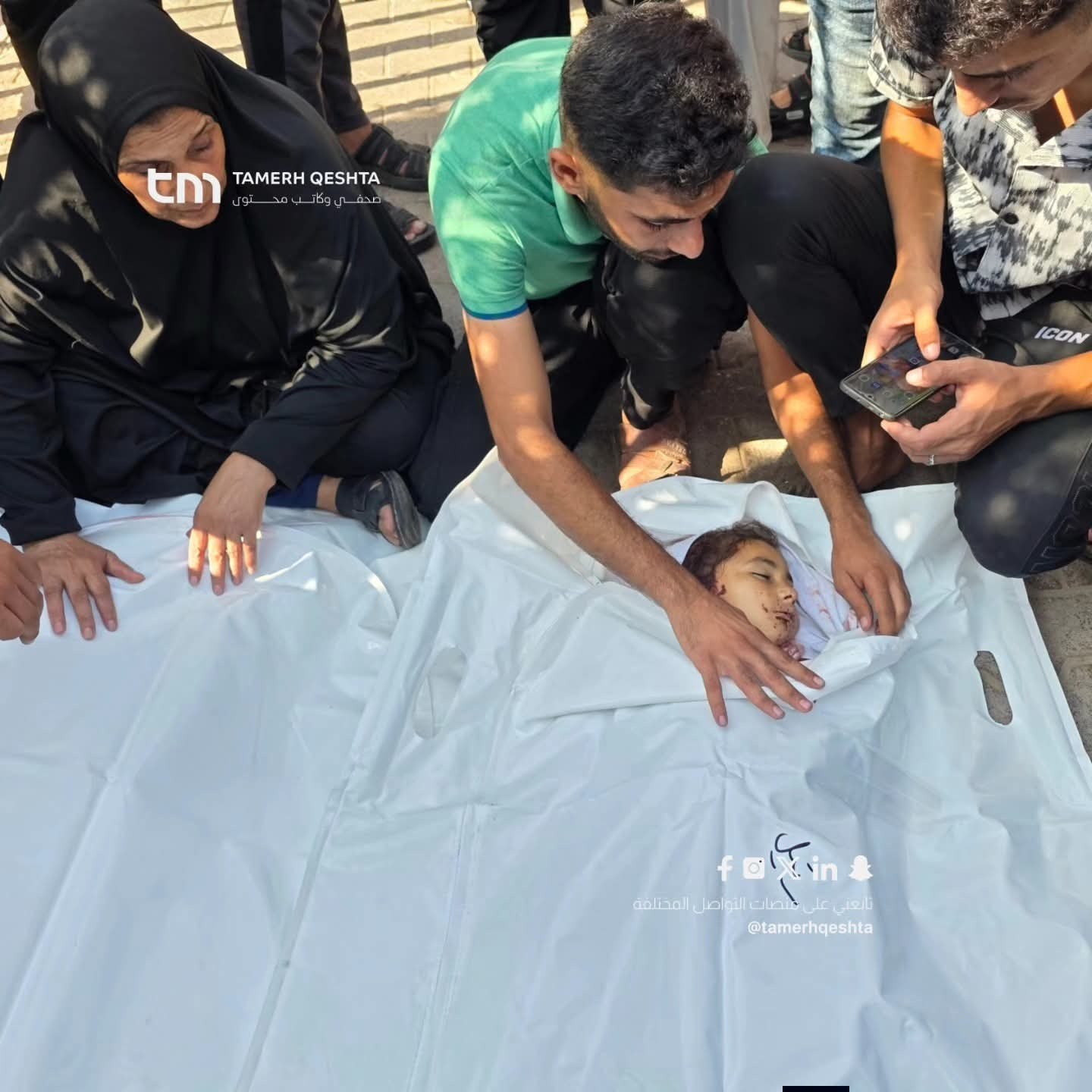
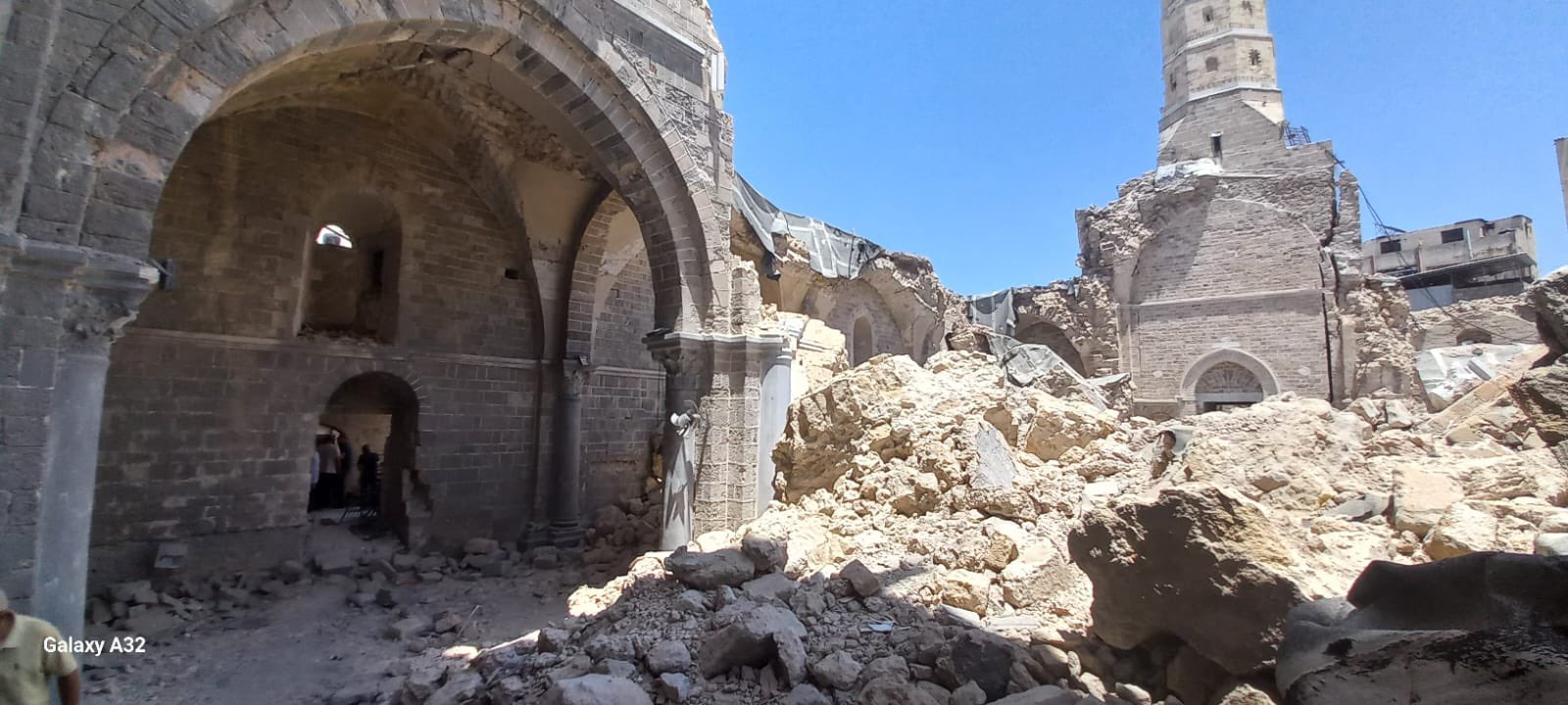
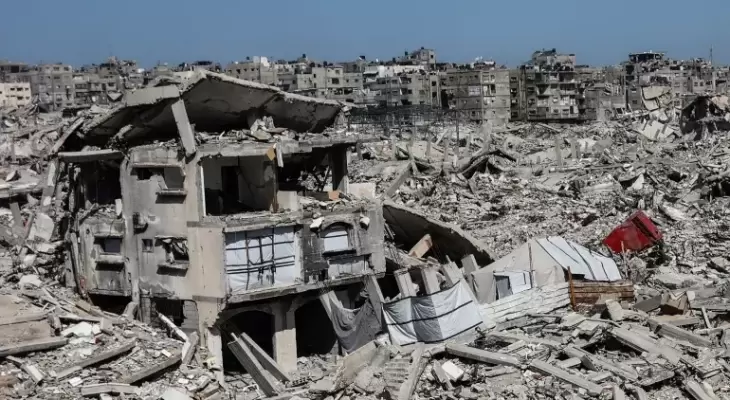
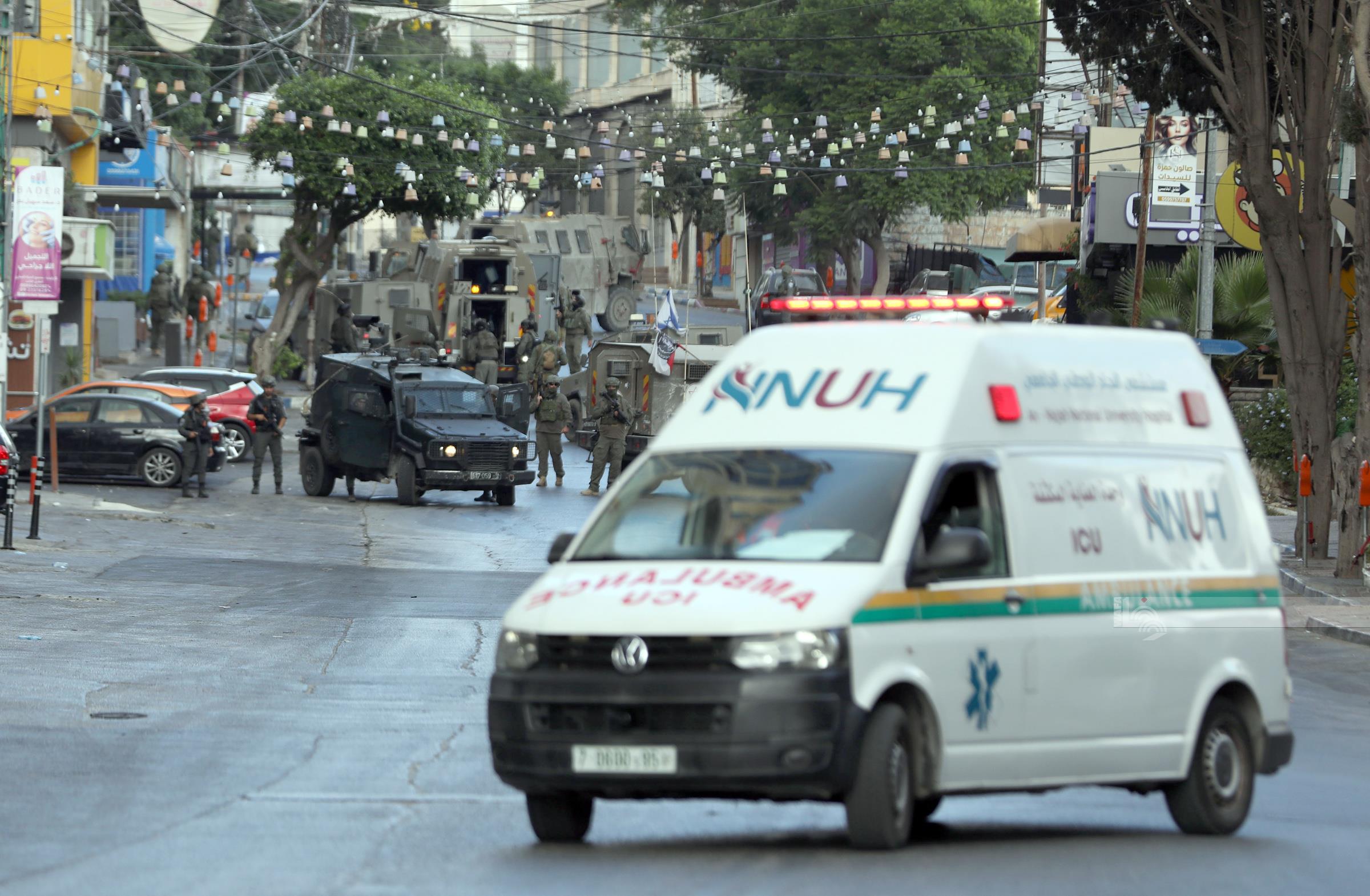
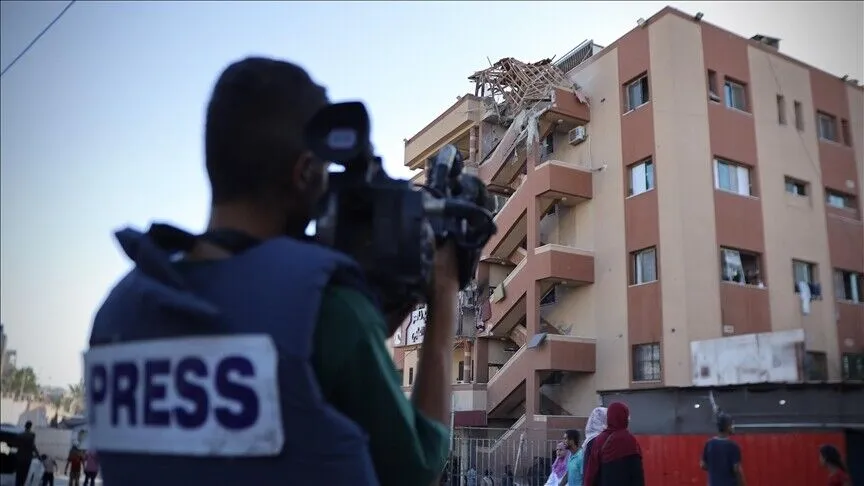
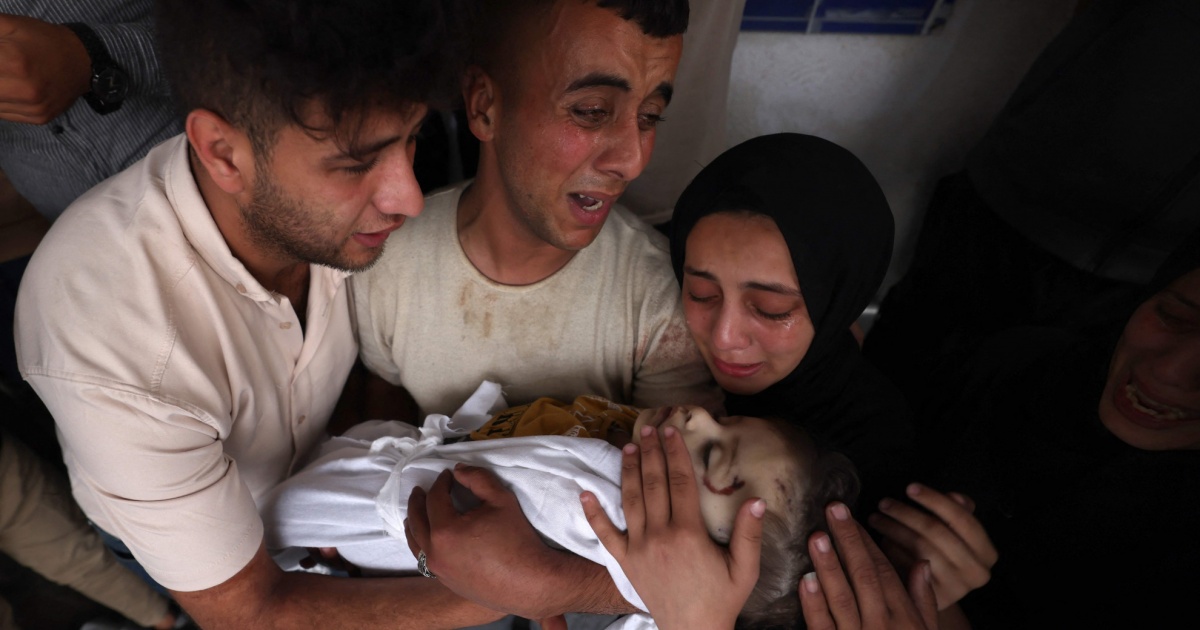
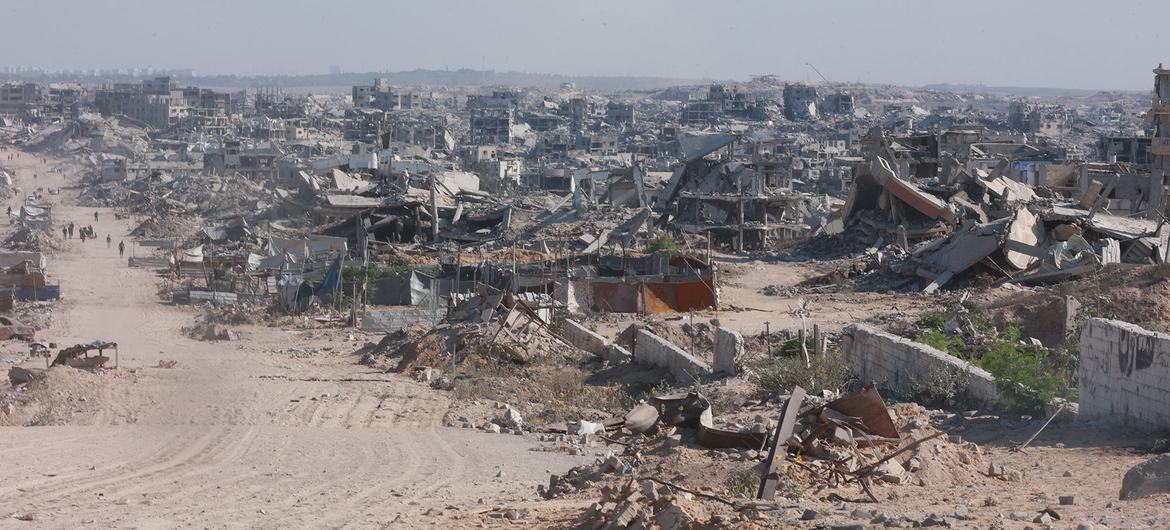
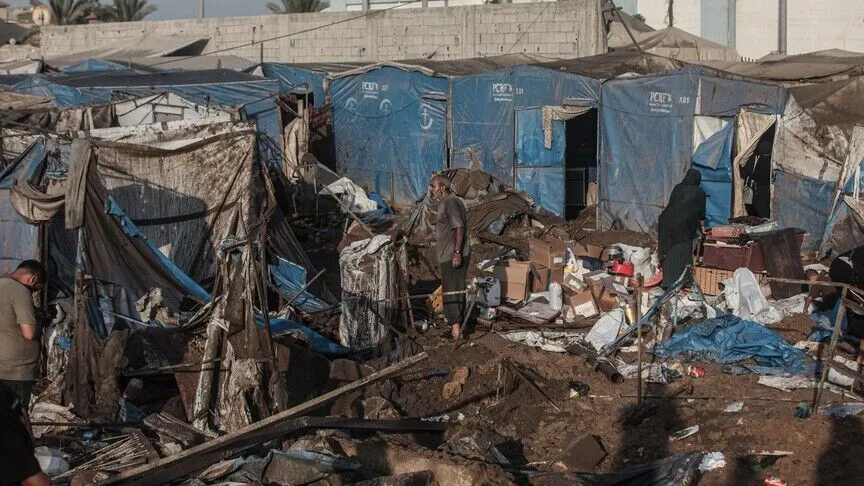
 Israel Bombs Medical Facility in Gaza
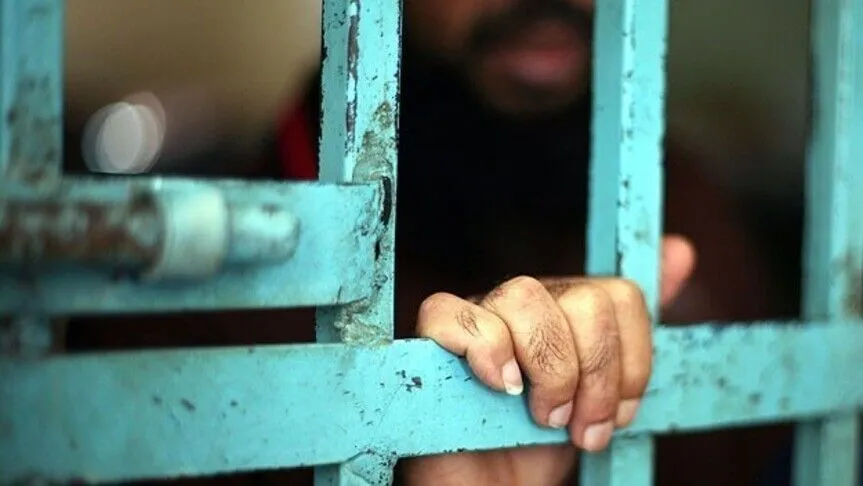
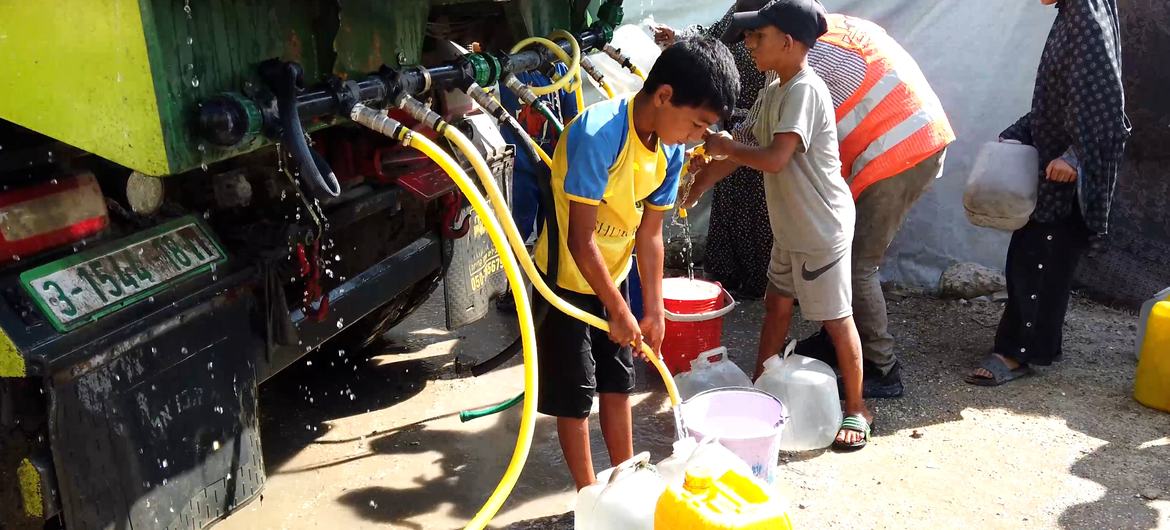
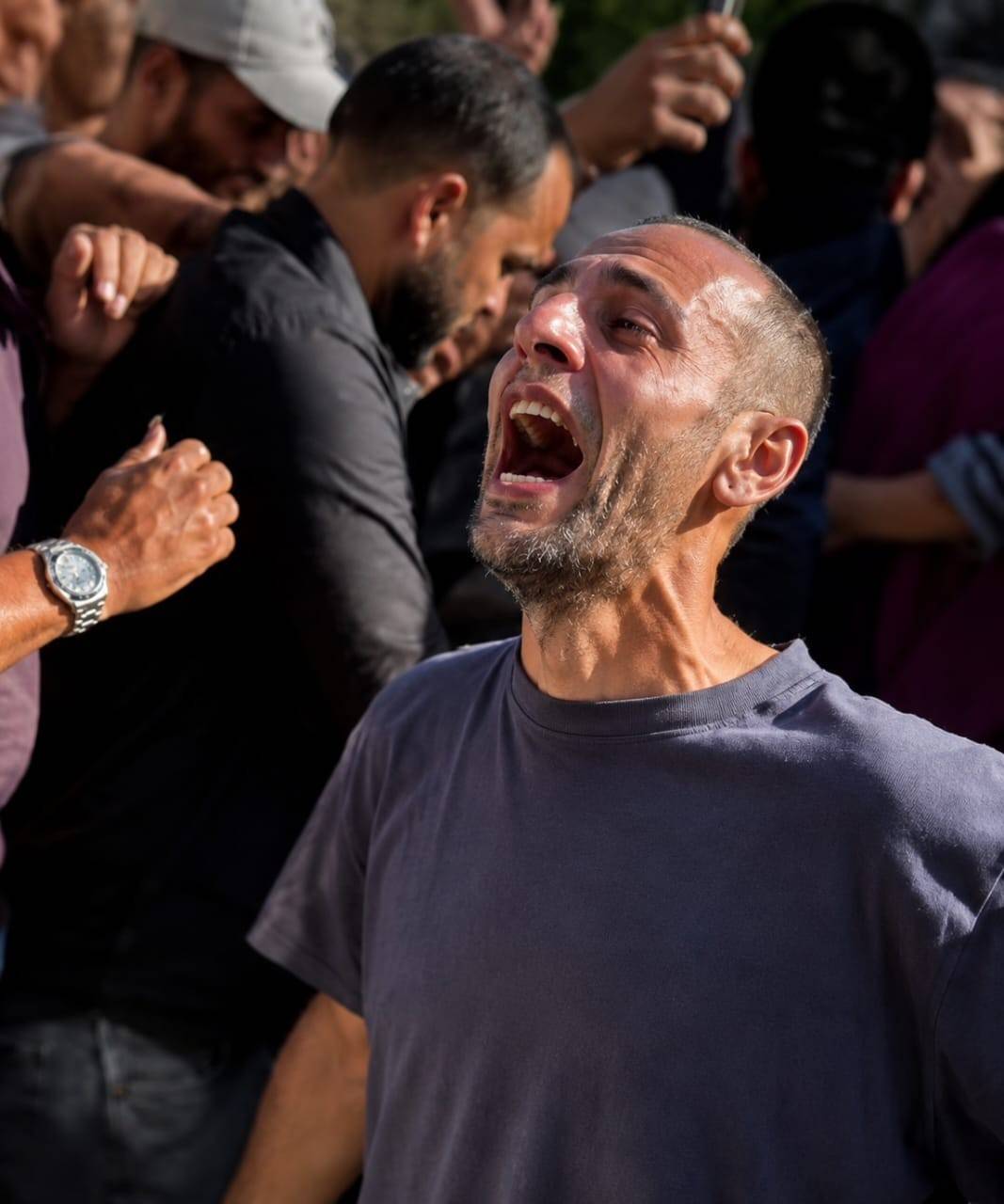
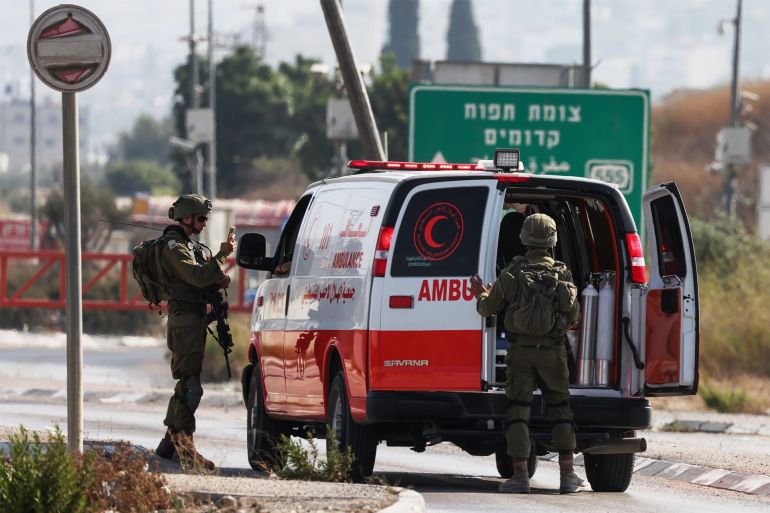
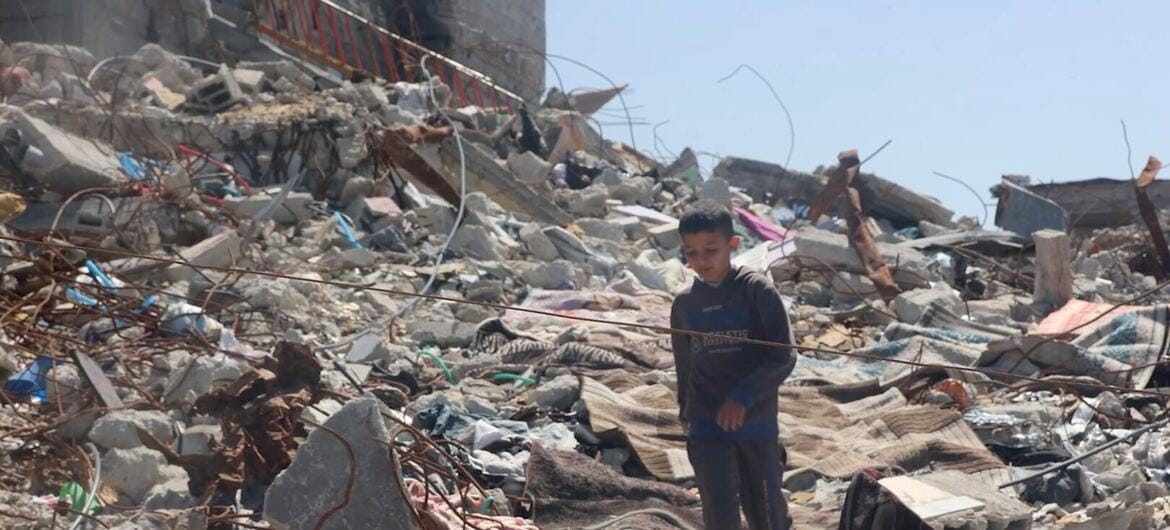
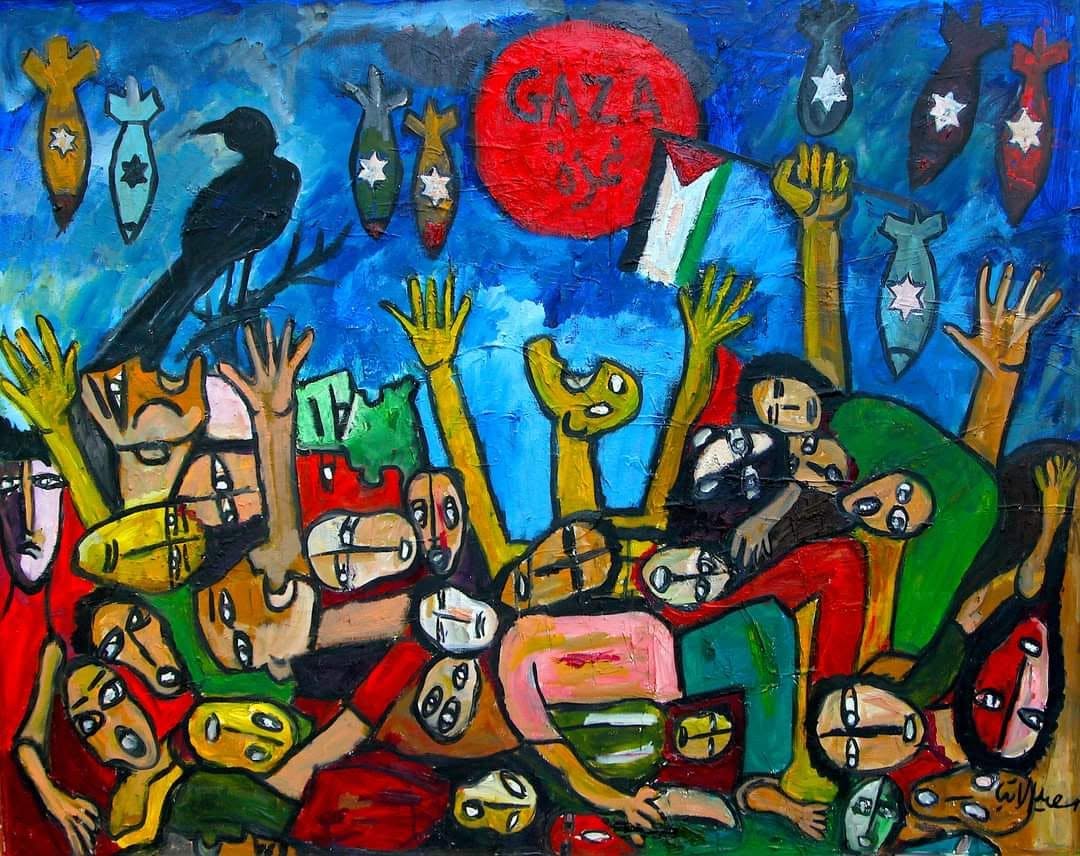
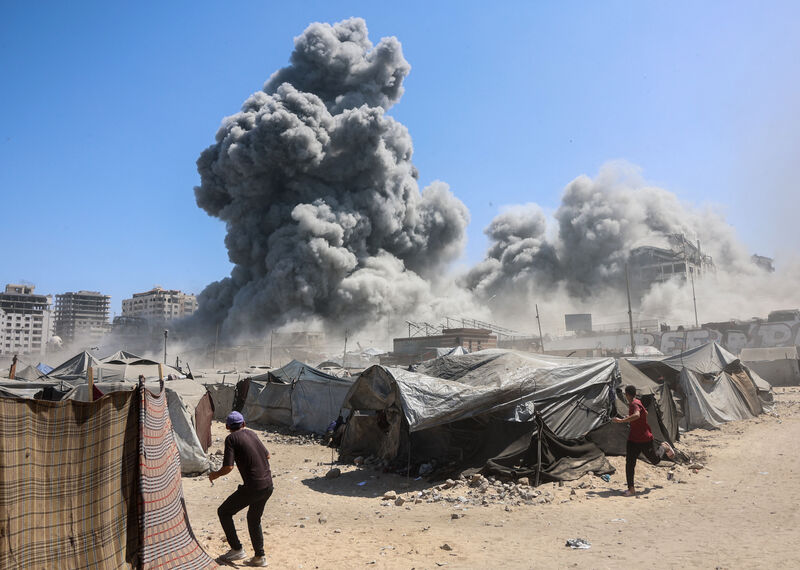 Israeli Strikes Kill 8 Civilians in Gaza
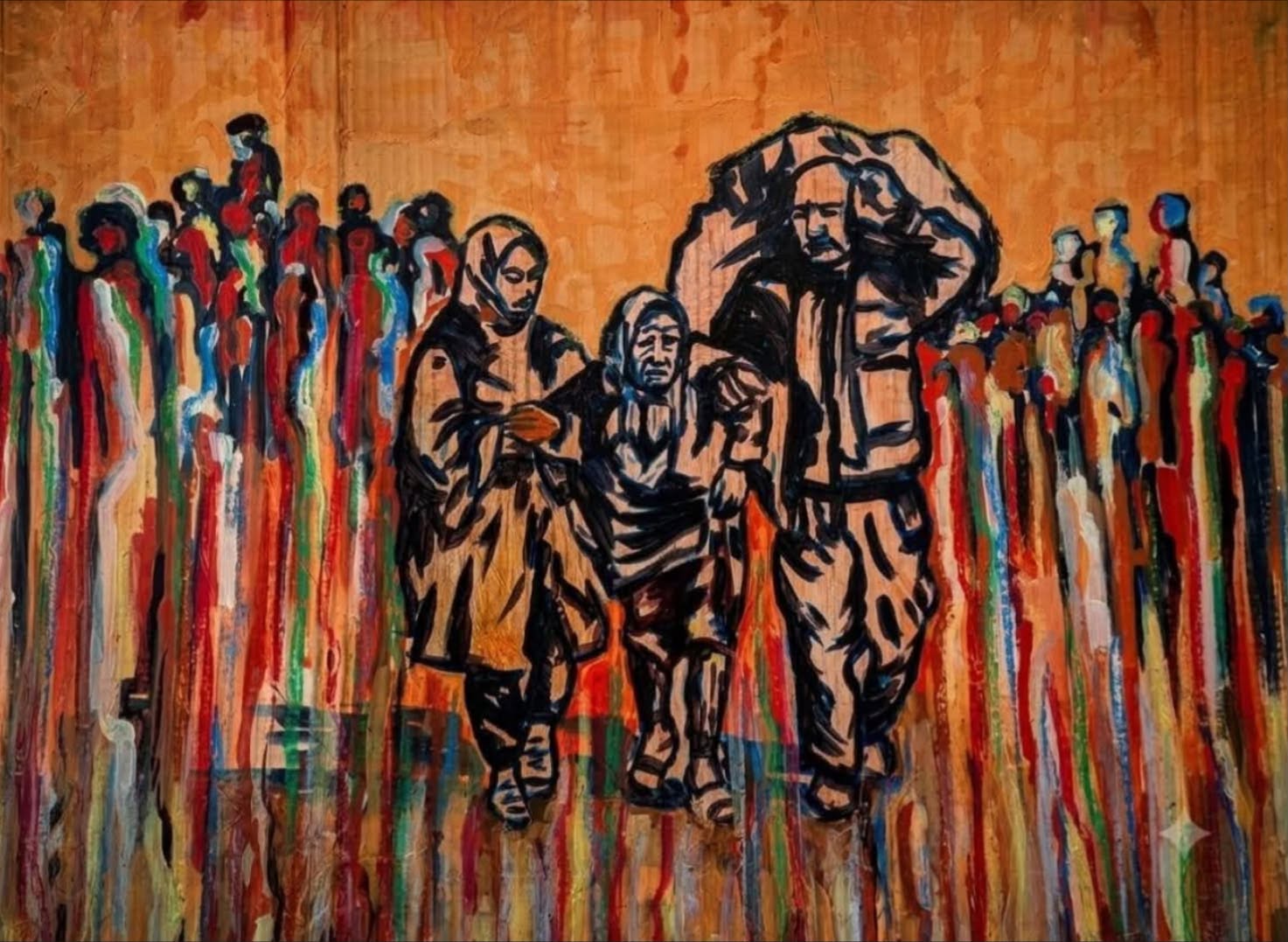
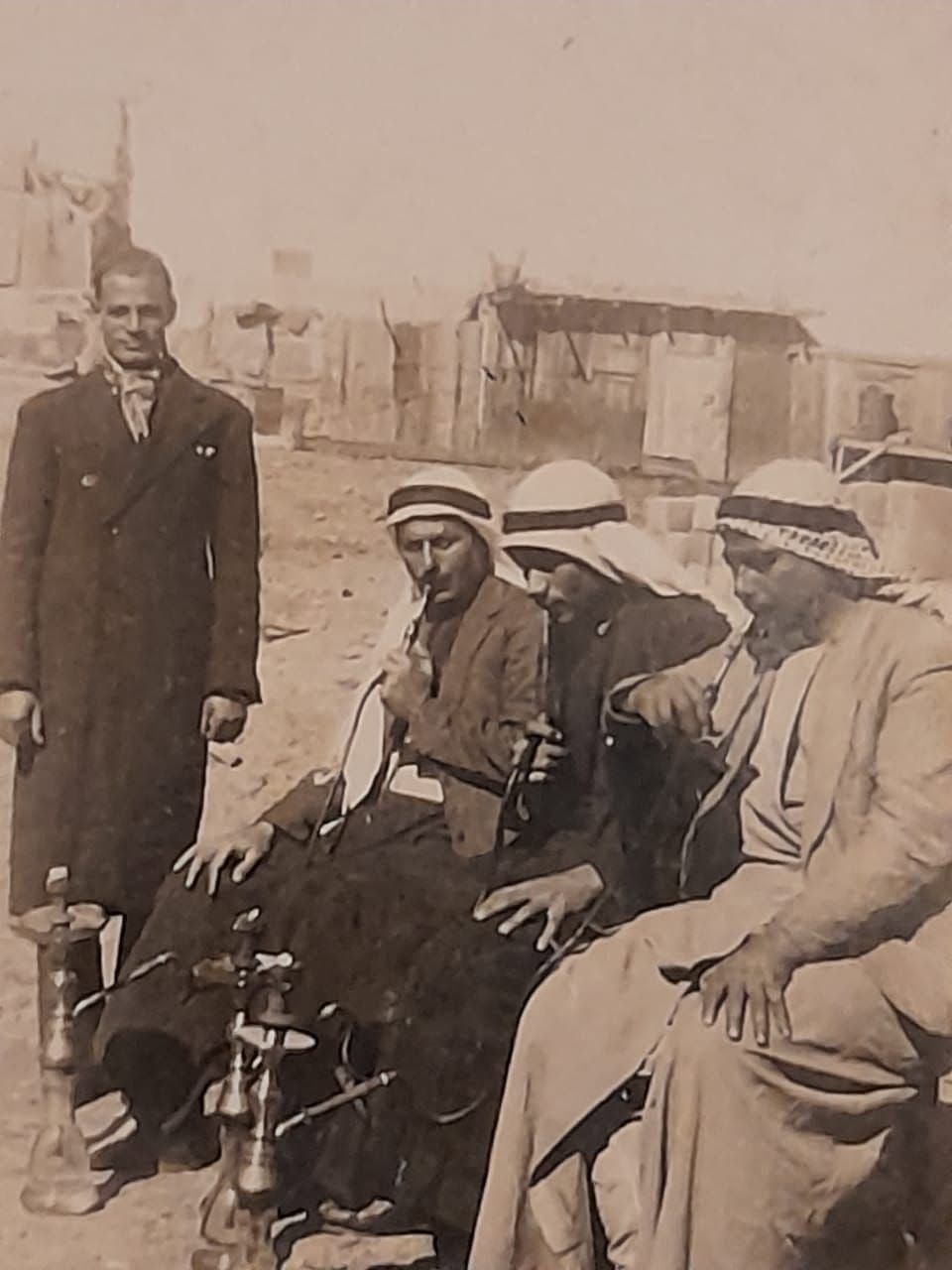
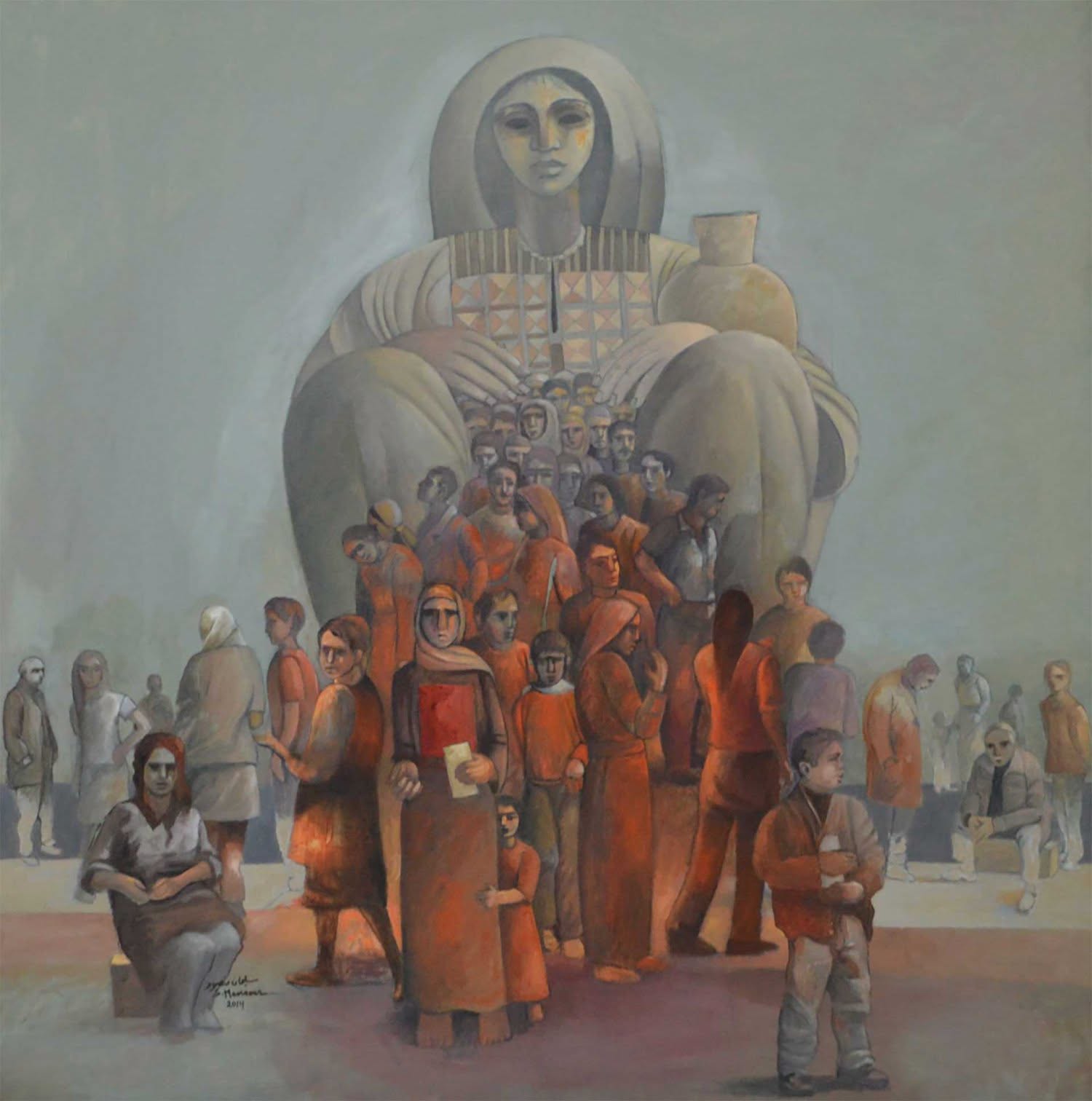
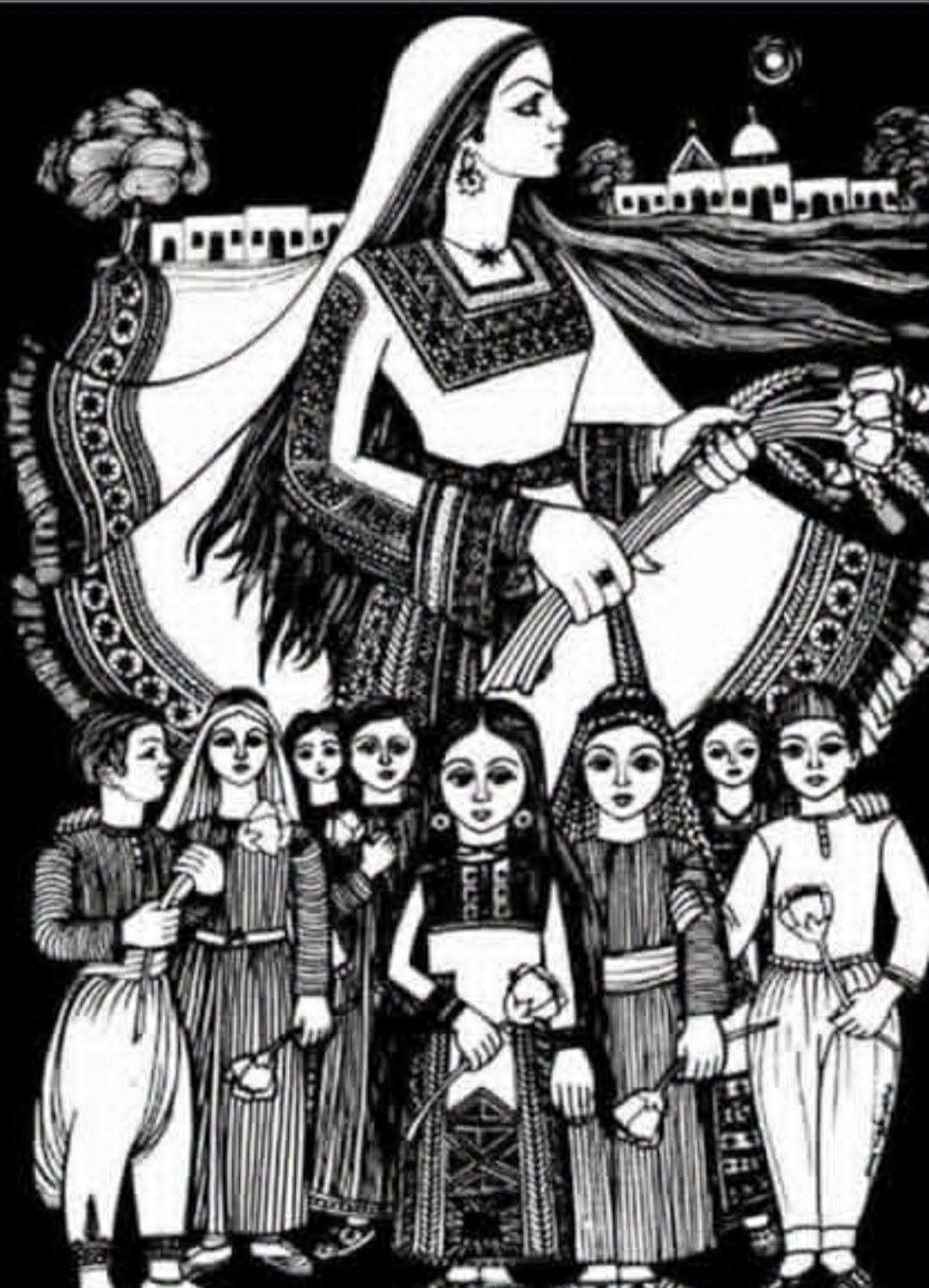
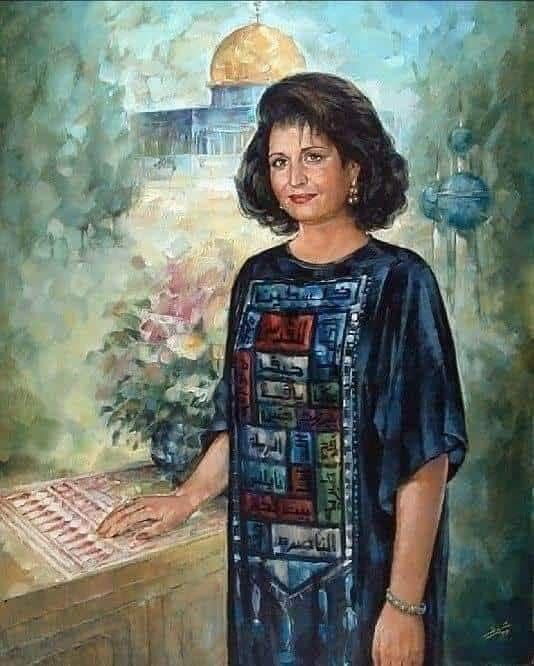
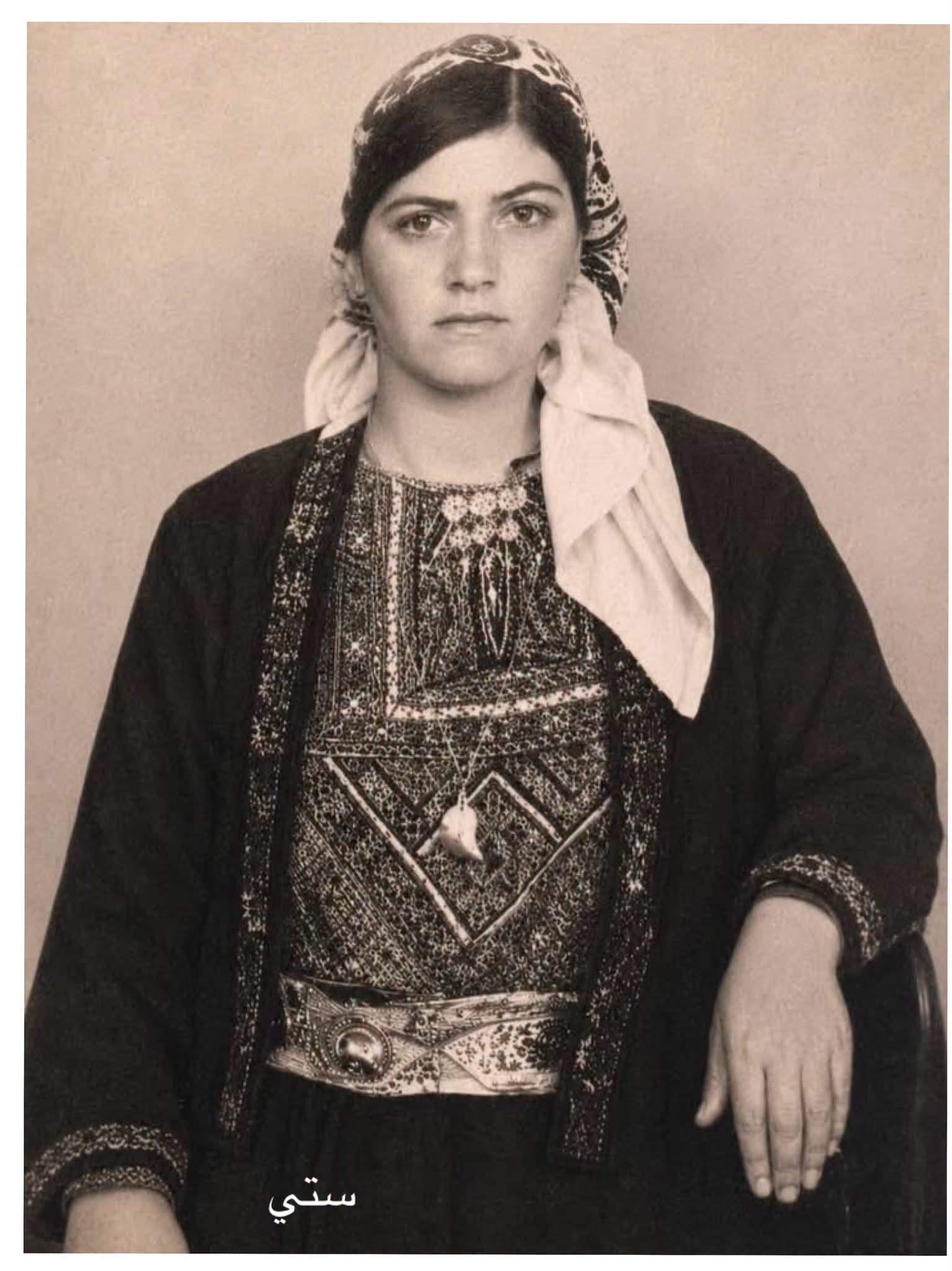
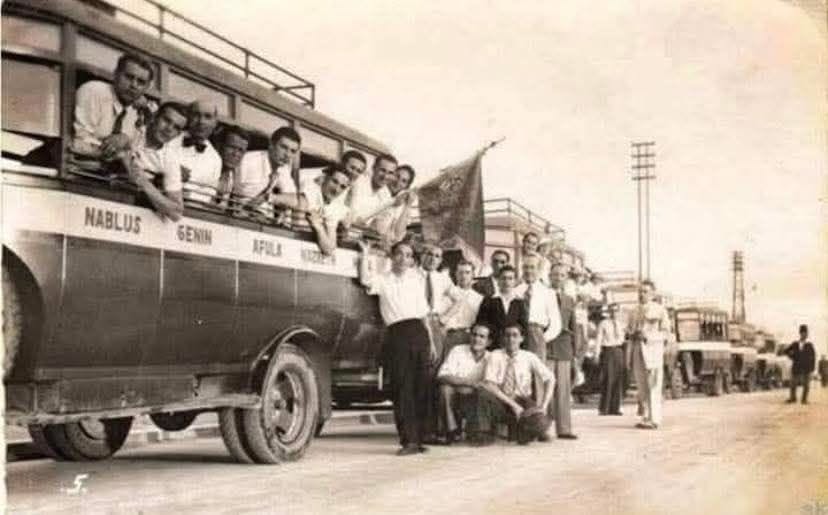
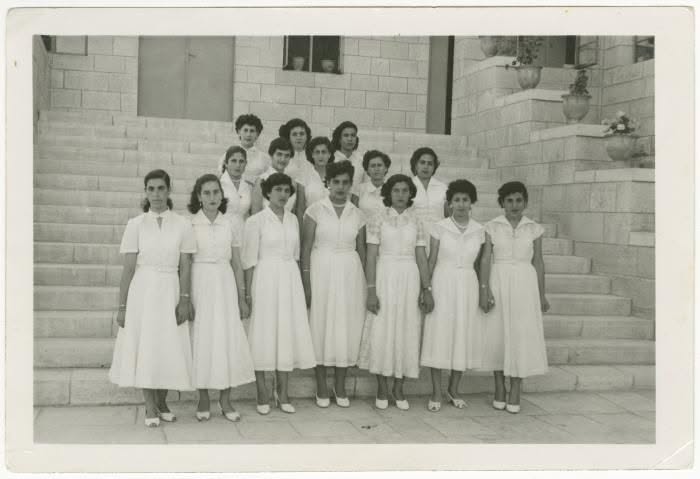
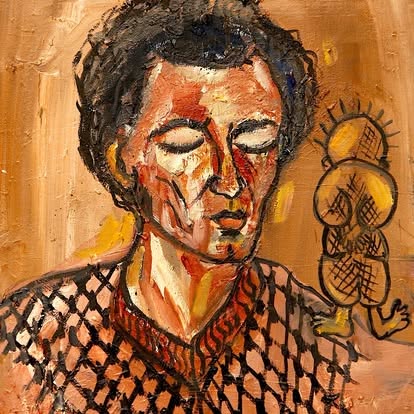
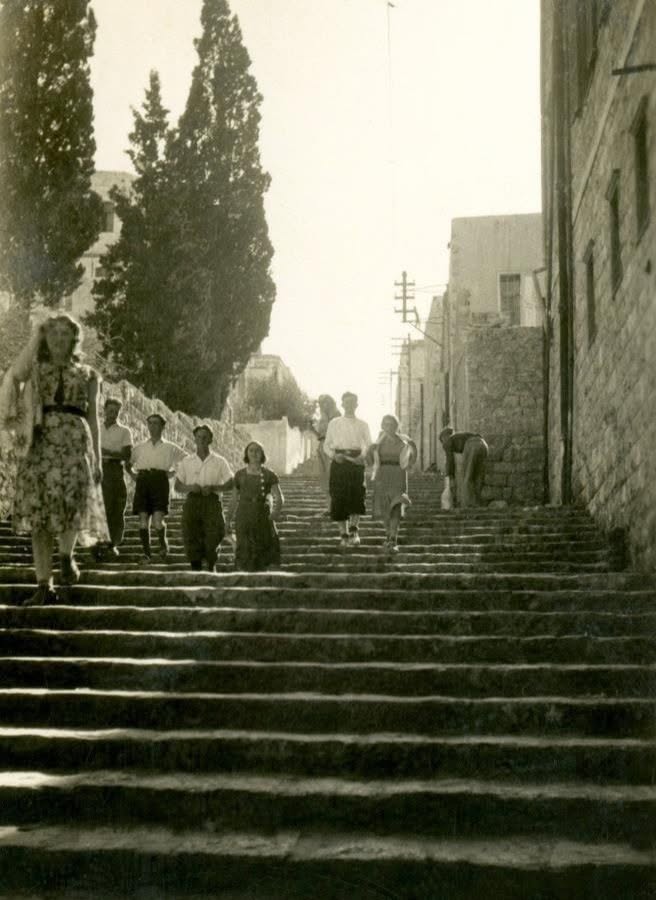 Palestinian Women of Haifa 1932
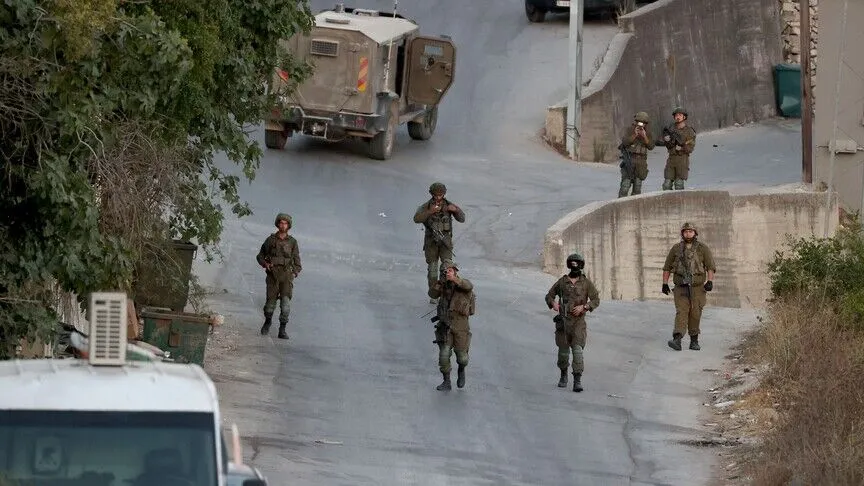
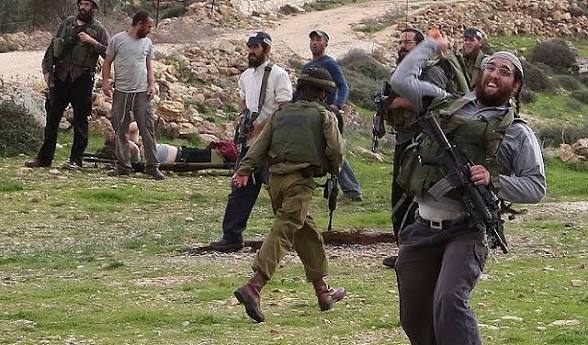
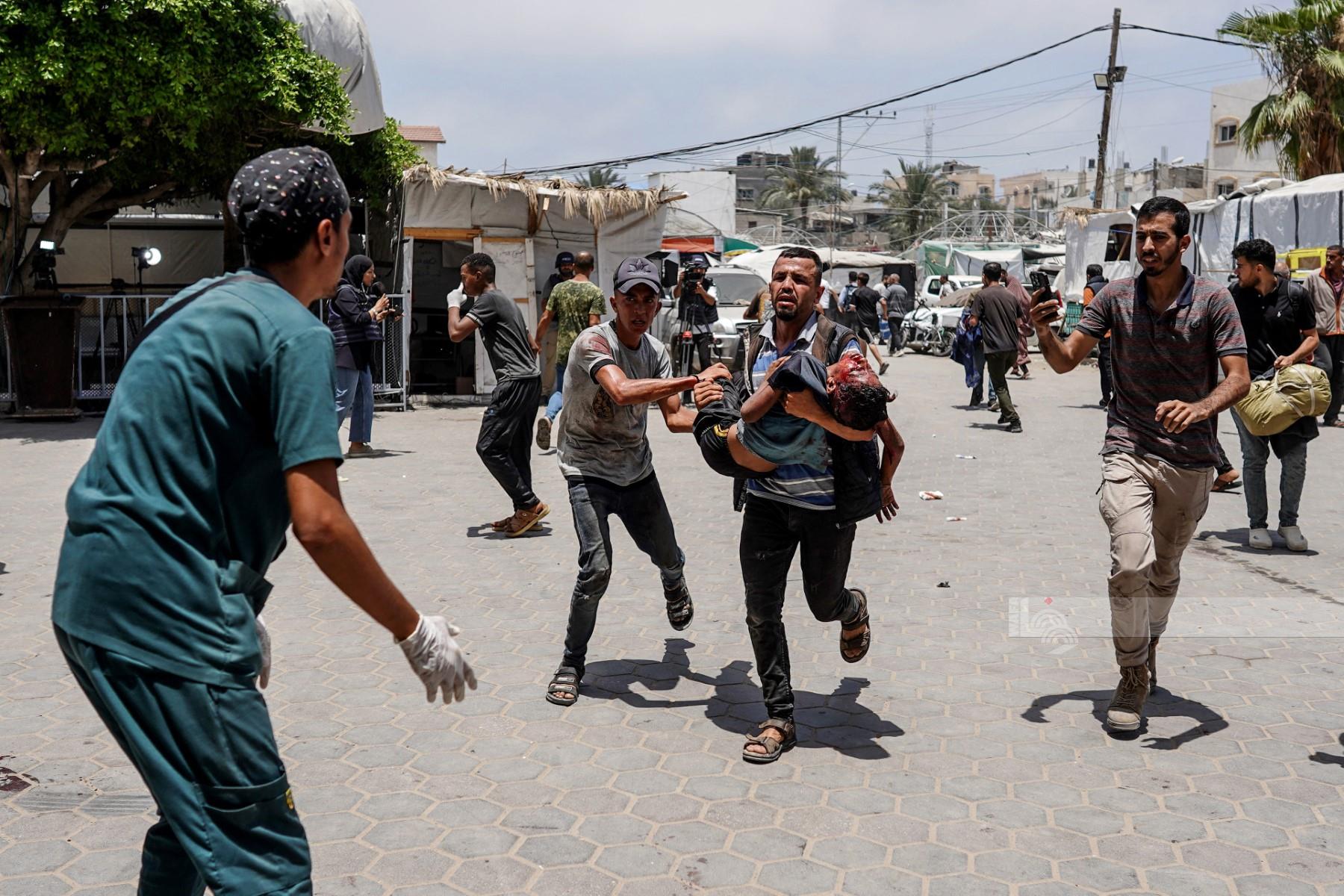
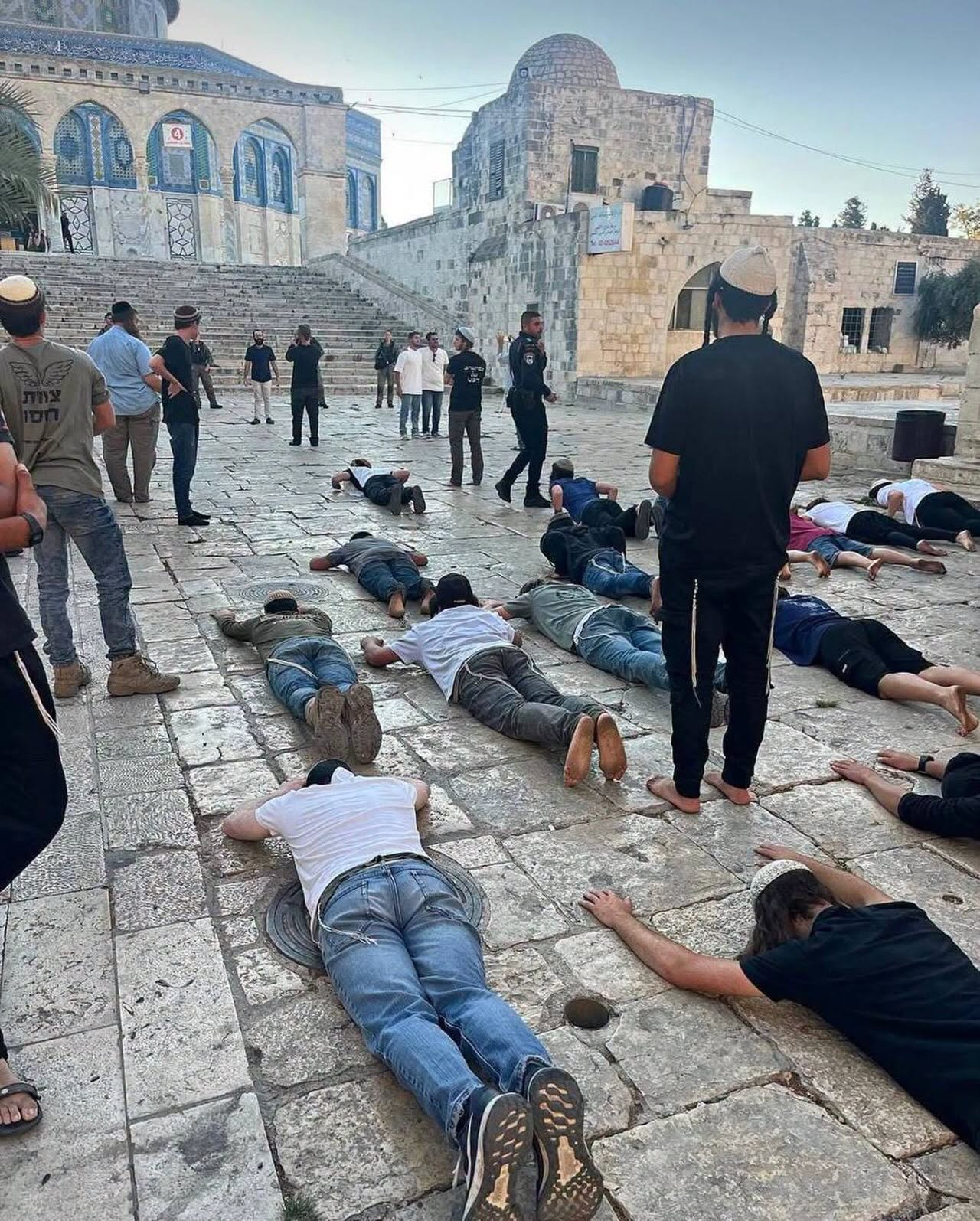
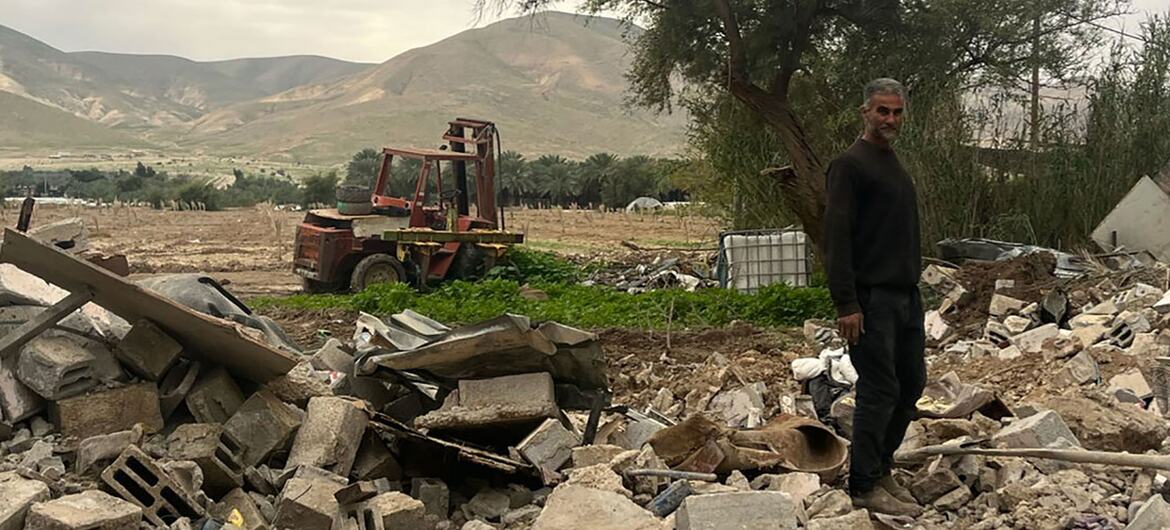 Israeli Settler Violence Reach ‘All Time High’
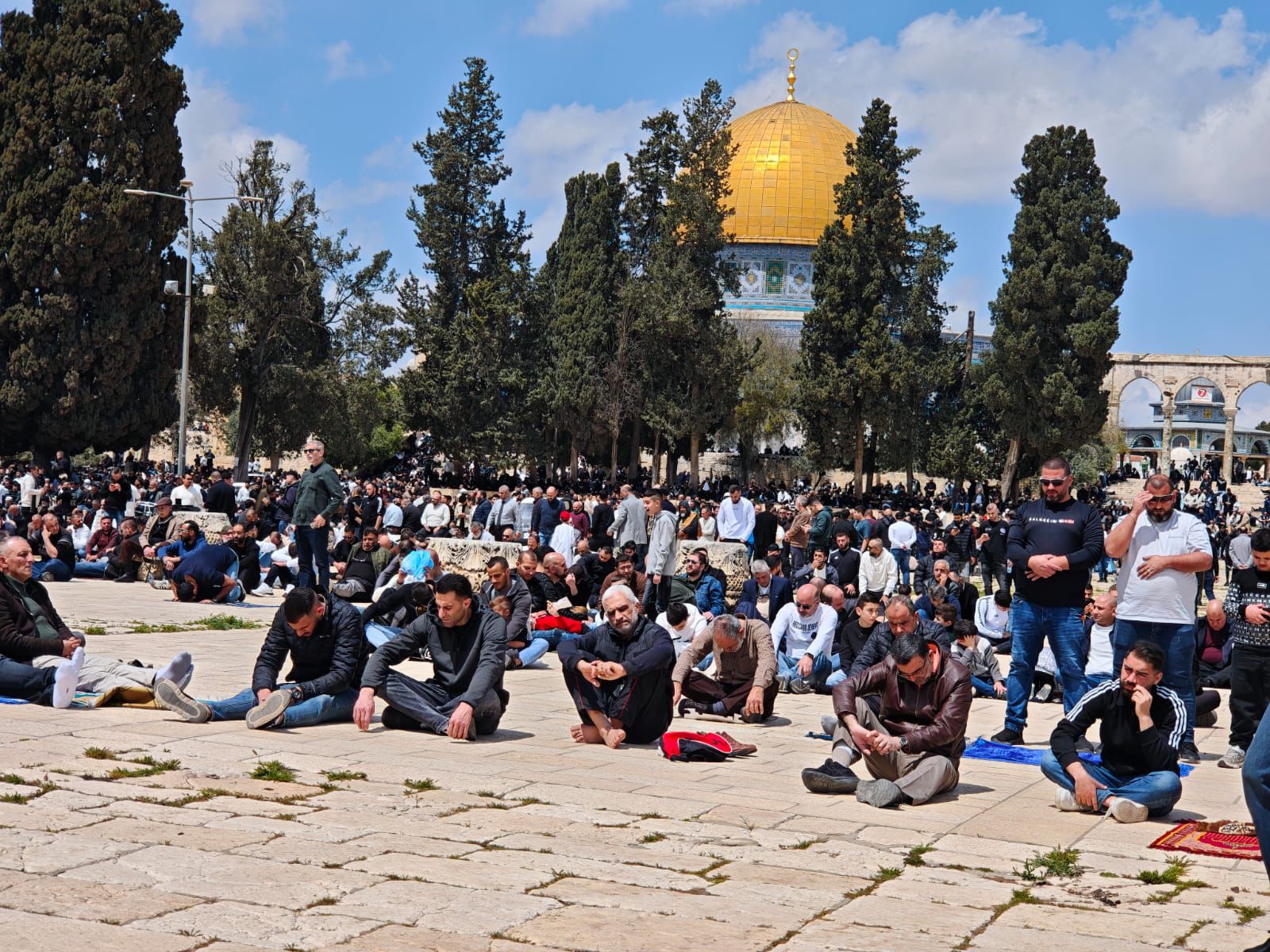
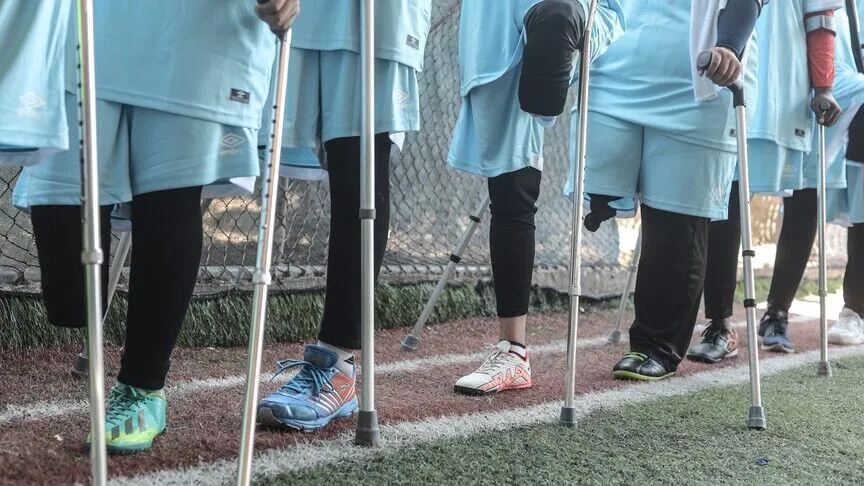
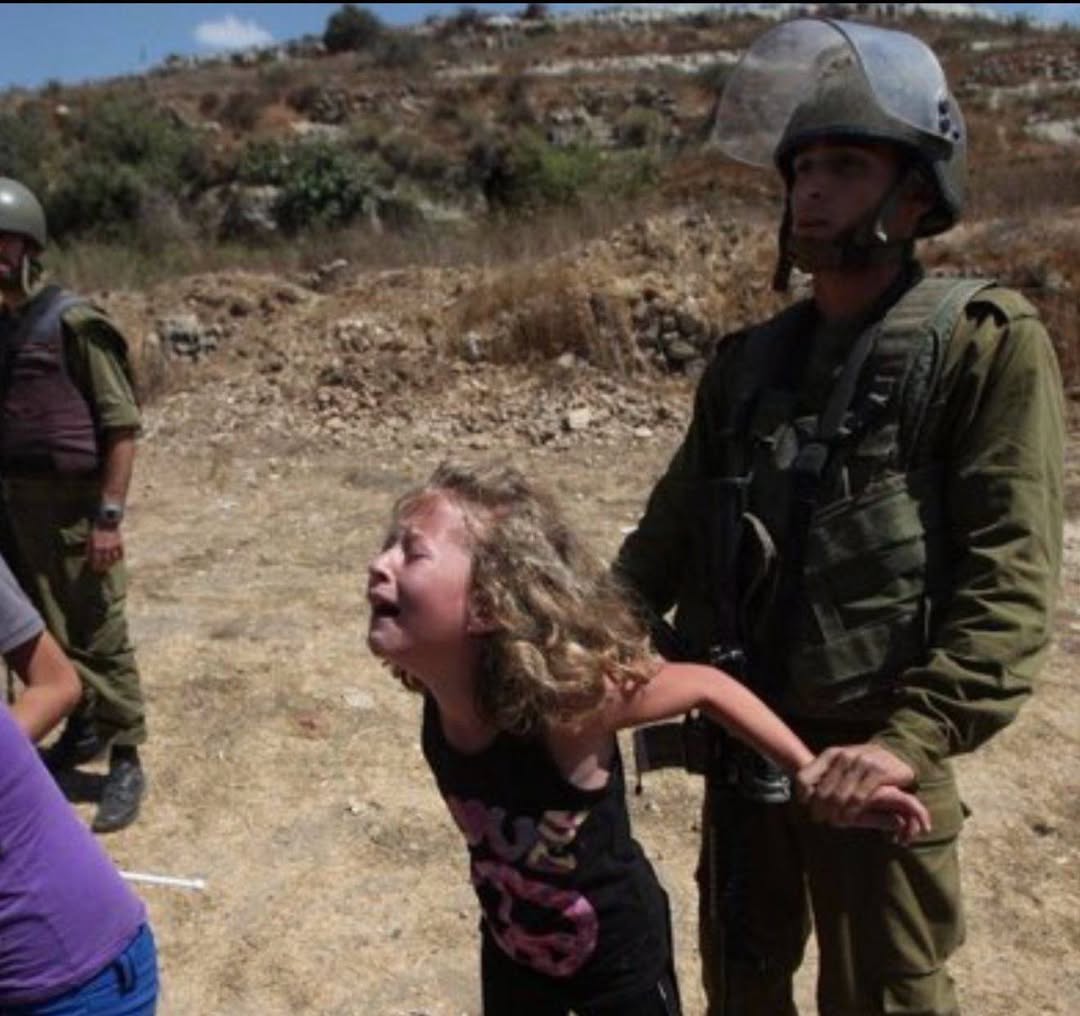
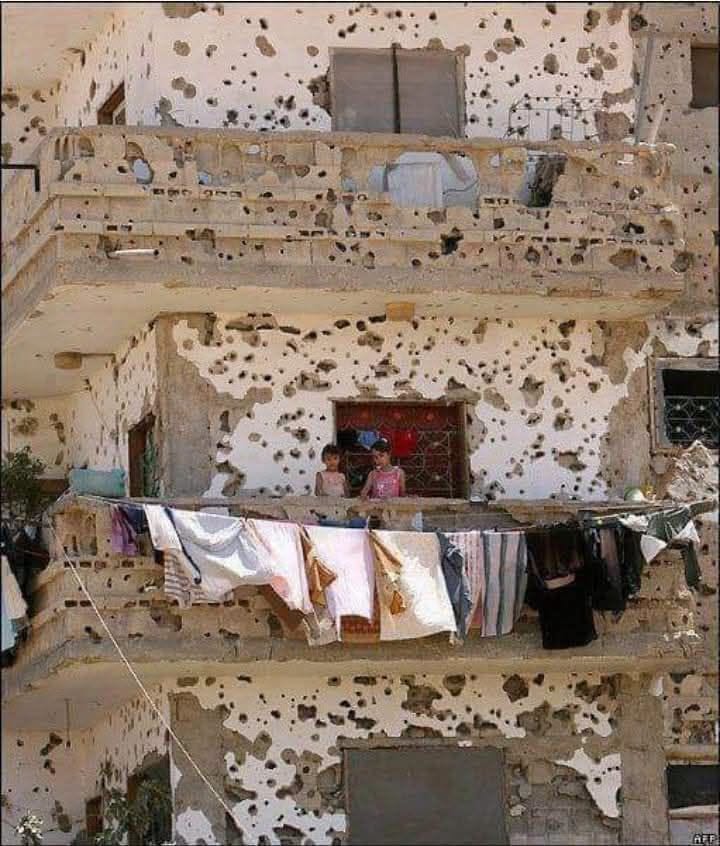
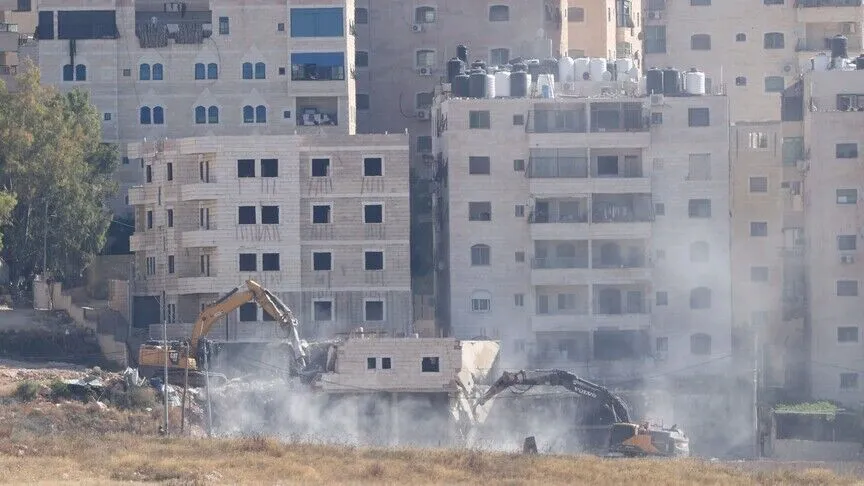
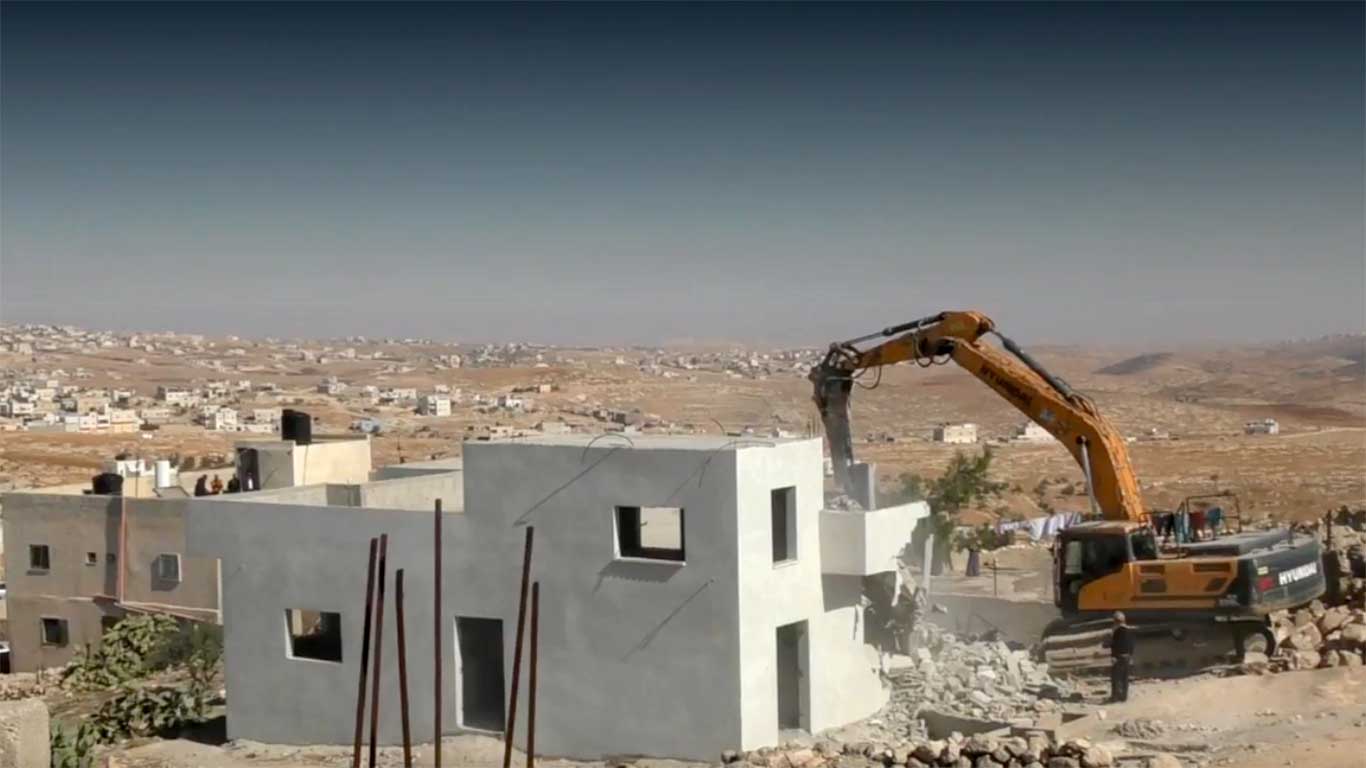 30,000 Homes in Danger of Being Demolished in The West Bank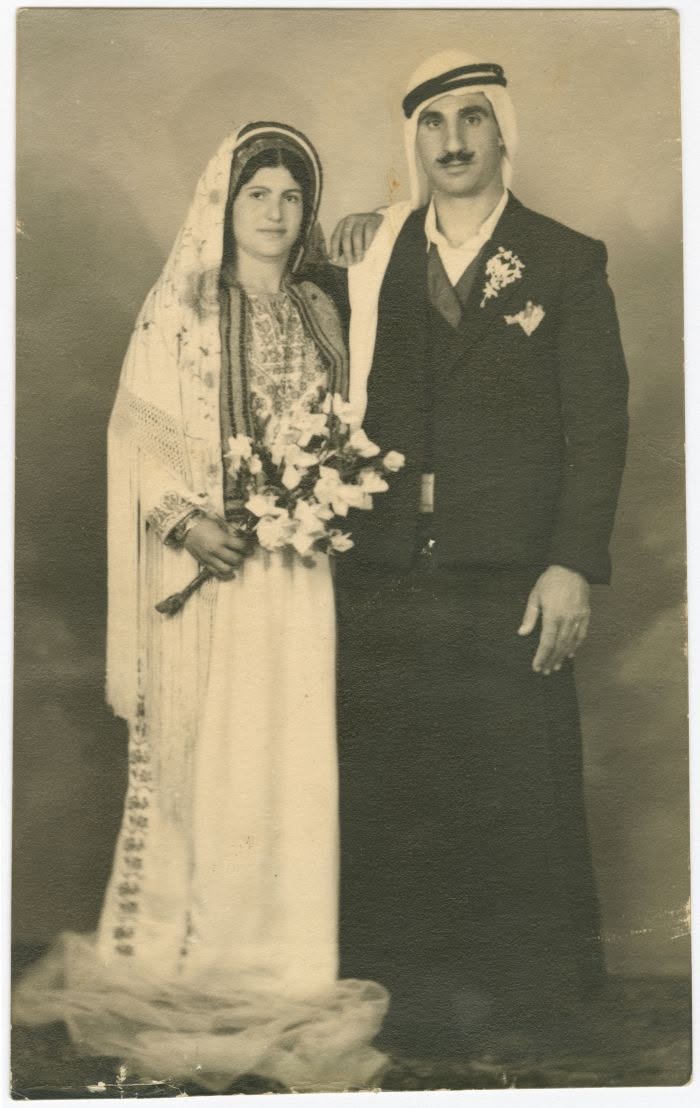


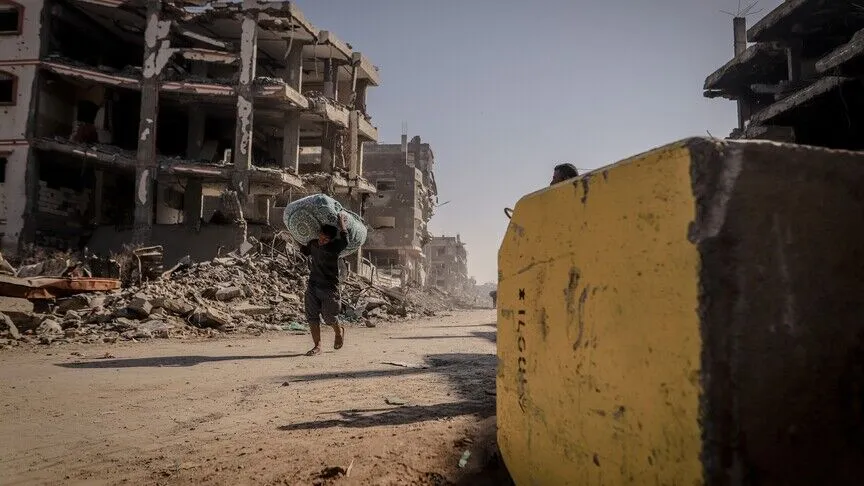
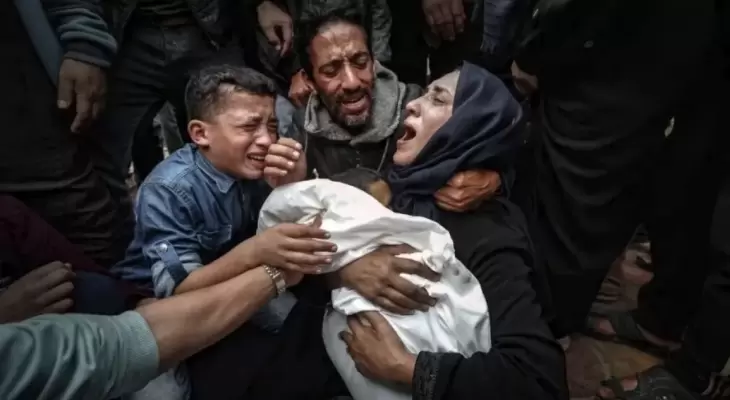
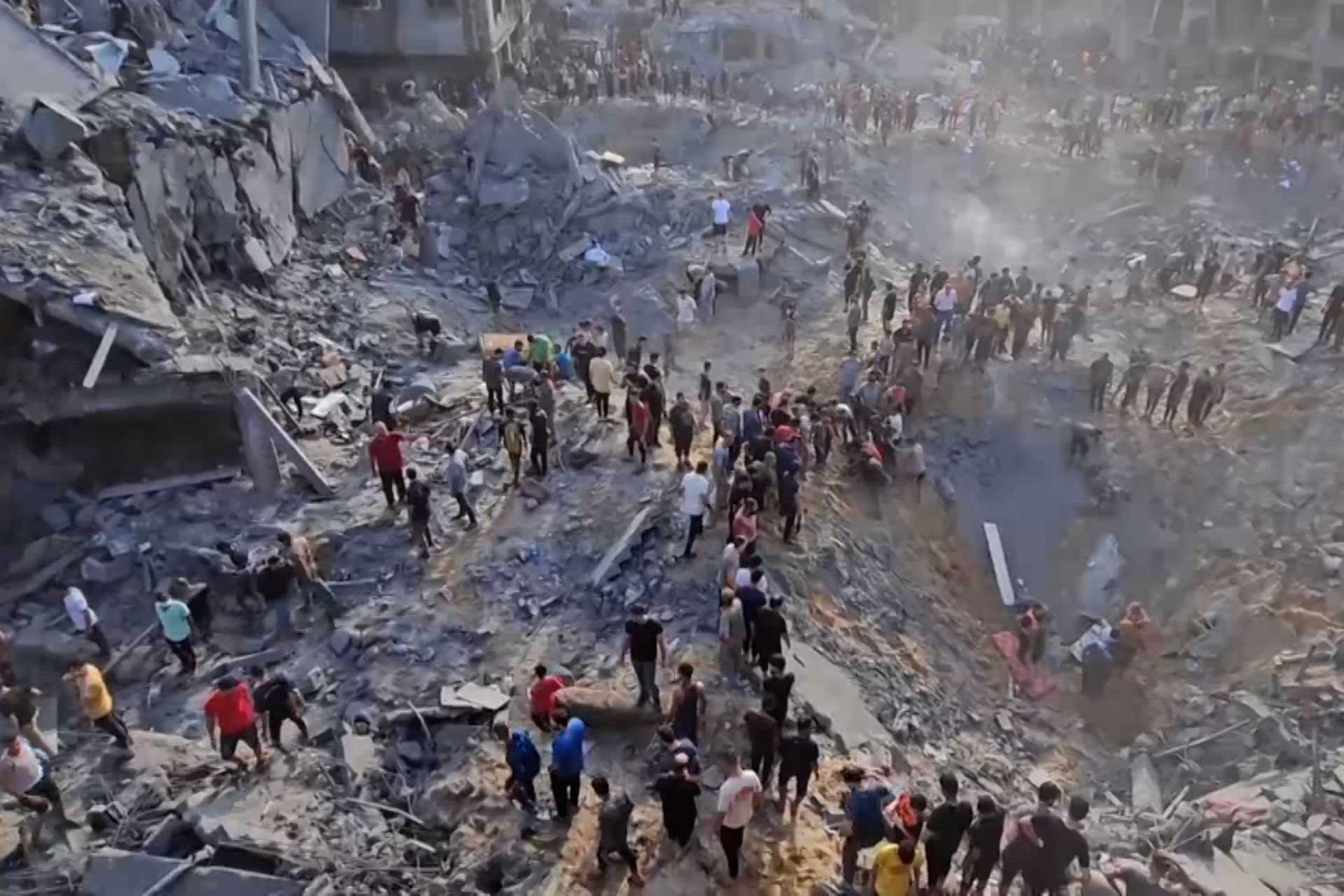
Israel Bombs Medical Facility in Gaza
 CrossFireArabia
- August 2, 2026
 CrossFireArabiaCrossFireArabiaCrossFireArabiaCrossFireArabia
 marwanmarwanmarwanmarwanmarwanmarwanmarwanmarwanmarwanmarwanmarwanmarwanCrossFireArabiaCrossFireArabiamarwanCrossFireArabiamarwanmarwanCrossFireArabiamarwanmarwanmarwanmarwanmarwanmarwanmarwanmarwanmarwanmarwanmarwanmarwanmarwanmarwanmarwanmarwanmarwanmarwanmarwanmarwanCrossFireArabiamarwanCrossFireArabiamarwanmarwanmarwanmarwanmarwanmarwanCrossFireArabiamarwanmarwanmarwanmarwanmarwanCrossFireArabiaCrossFireArabiaCrossFireArabiaCrossFireArabia
CROSSFIREARABIA – Ahmed Nahed Azzam had no idea that going to buy some grapes for his family to help them through the famine of summer 2025 would save his life. He didn’t then realize it would make him also, a witness to a horrific massacre that claimed the lives of 21 members of his family, including his elderly 65-year-old father and most of his children.
The 31-year-old Azzam recounted to Quds Press what happened on the tragic Monday day of 14 July, 2025, when famine and starvation had been ravaging northern Gaza for the best part of two years.
“I was sitting with my father, my seven-month pregnant wife, my son Karim, my brother’s wife Shahd, and her children, Osama and Rateb, in the garden of our house in the Tel al-Hawa neighborhood, southwest of Gaza City. It was the height of the famine. I decided to buy a kilogram of grapes and quickly left to get on my bicycle before the vendor leaves,” he recounted.
“As soon as I arrived at the grape vendor and was buying, I heard a huge explosion that shook the area. I had a terrible foreboding and sensed then my house must have been targeted, so I rushed back quickly,” he added.
“I arrived at the house to find it was up in smoke from the missile that landed on it, the smell of death and gunpowder was distinct, filling the air, a profound silence enveloped the place,” he sighed.
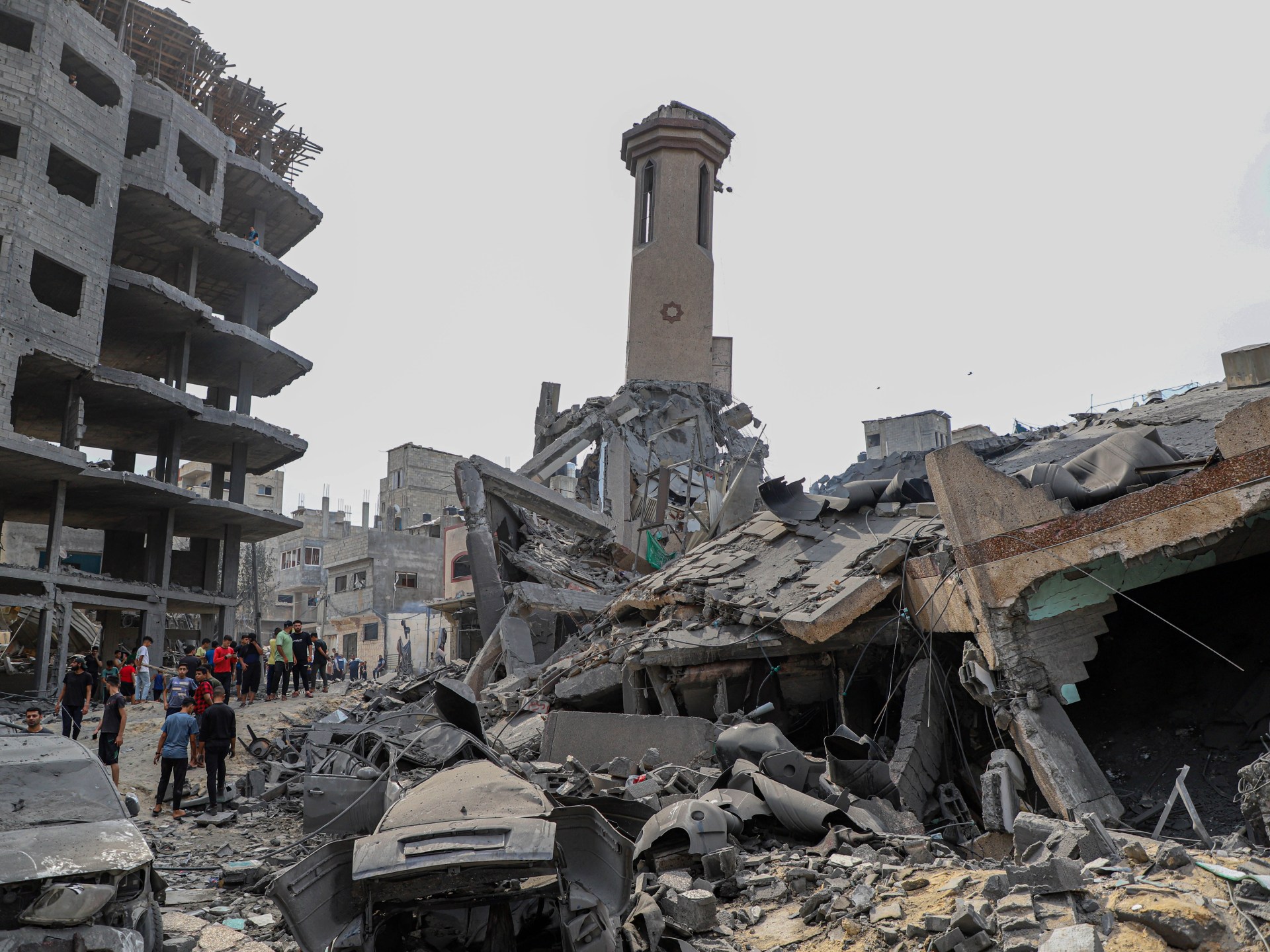
It was a four-story house, that sheltered about 50 people, “it had been completely leveled, burying nearly all my family members inside,” he said in a reverie, as if still fathomining what had happened.
He was overcome with grief and shock. The house had been reduced to rubble. At first, he felt completely paralyzed, unable to move his limbs. He began calling out for his father, his wife, his son Karim, and his brothers, but he received no answer, his voice hollow and echoing.
After a while Azzam gazed around and saw pieces of torn flesh, his family members scattered around the destroyed building. “Some had been thrown a considerable distance by the force of the blast,” he added, recounting neighbors soon rushed to the scene and were everywhere, retrieving the bodies of the martyrs and the wounded, one by one.
He confirmed most of the people in the house were killed, becoming martyrs in an instant. “They were soon pulled out from under the rubble and taken to the nearby Al-Quds Hospital, except for my cousin Alaa, who remained buried under layers of concrete because the building came tumbling down.
“My nine-year-old niece Judy was also pulled from the rubble but she was in a critical condition. She suffered fractures in both arms and legs, a fractured skull and forehead, damage to her left eye, and burns across much of her body.
“Initially the doctors thought Judy would soon die due to the severity of her injuries, fractures, and burns, especially on her head and eye, but she survived after being in a coma for two days,” he said.
Azzam explained Judy was the only surviving member of her family after her father, mother, and siblings were killed, and when she learned of this she was devastated.
Ten days ago, he finally arrived in Egypt, after the Israeli authorities granted him permission to leave so that Judy could be treated there since the medical system in Gaza was in complete collapse. “I hope Judy can recover here,” he continued.
Her injuries have left her with no sense of smell, her left eye is blinded and requires reconstructive surgery due to the extensive burns covering her body.
“I hardly believed that I am still alive,” Judy simply said. It is still the beginning of the road to recovery. She is in shock and still can’t get to terms with the fact that her father, mother, brothers, grandfather, uncles, aunts, and their children have gone forever.
“After my treatment in Egypt I hope to recover to return to Gaza to continue my school and help in my uncle Ahmed’s kindergarten,” she concludes as if in a determined fate.
This article written by Dr Marwan Asmar is republished her from the Hackwriters.com website
 Dr Khairi Janbek
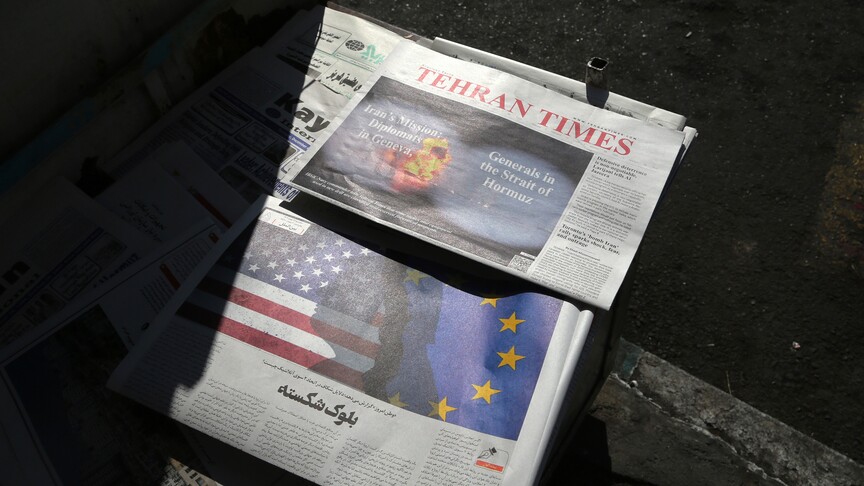
So one wonders if the stand in Hormuz will not be our current new normal, which will mean putting up with the economic consequences of the blockage and trying at the same time to find different routes for trade. Here, one is talking economics and trade simply because the loss of life and destruction doesn’t more matter in comparison to budgets and the flow of goods.
In fact each time anyone finds an intelligent reason for this ongoing conflict, the rediculous actions of the protagonists proves the impossibility of saying an informed or otherwise opinion. For all intents and purposes, all what can be reasonably said, is that for now, the war is supposed to be inconclusive despite the threats flying around, because essentially no one wants a regime change in Iran because no one can predict the consequences.
Therefore, back to economics again, the strategy seems, who will blink first and accept the conditions of the other to return to Islamabad. Iran with its enormous financial and economic problems which fears a new uprising in the streets once the stalemate with the US becomes the norm, or the USA with the mid term elections looming, rising inflation and higher energy prices, as well as volatility in stocks and shares prices in Wall Street.
When it comes to the situation in Lebanon, clearly the link with Iran is in fact Hizbullah; which is by its own admission the Party of Veliyati -Fatih in Lebanon, under the current circumstances, with the Israeli invasion of the south of Lebanon, for the first time in the history of Lebanon, not a sect, religious community, or power group, but in fact the official state representatives are talking about direct negotiations with Israel for peace, and in fact negotiating directly with each other in Washington.
For the Lebanese state, the situation now is legitimacy over the whole geography of the country, and limiting the possession of arms only in the hands of the Lebanese army and security. However, here also we face the scenario of whether the egg comes first, which is for Hizbullah Israeli withdrawal first, or the chicken, for the Lebanese government to negotiate the withdrawal of Israel.
Leaving the devil out of the details, would it mean ultimately, that a diplomatic agreement between Lebanon and Israel makes Hizbullah the enemy of both Israel and the Lebanese state together?, and what would the Lebanese state do as a next step, if Hizbullah decides to keep its weapons?
Then of course, there is the festering wound of Gaza and the West Bank which hardly warrant any news considering the scale of what is going on in the Gulf and in Lebanon. For Gaza, the vision fluctuates between lost peace, Israeli occupation withdrawn yellow lines, and Hamas with its show of force, amidst refugees, squalor, destruction and whether aid can go in or not, while on the other hand AI generated images of its rise beach resorts which no one is likely, from now on, be able to think about even if they can afford and realize them.
Future? What can one say save for bleak.
As for the West Bank, one has to apologise for saying that the Arabs, before anyone else, are reconciled with idea that the PNA is no longer there, apart from of course, moneymaking, here and there, and that what is termed as Palestinian territory will become a Bantustan in the sea of expanded Israel. Thus where do we go from here, well, there are people with paid salaries to think about!
Janbek is a Jordanian columnist based in Paris
 Saleem Ayoub Quna
Saleem Ayoub Quna
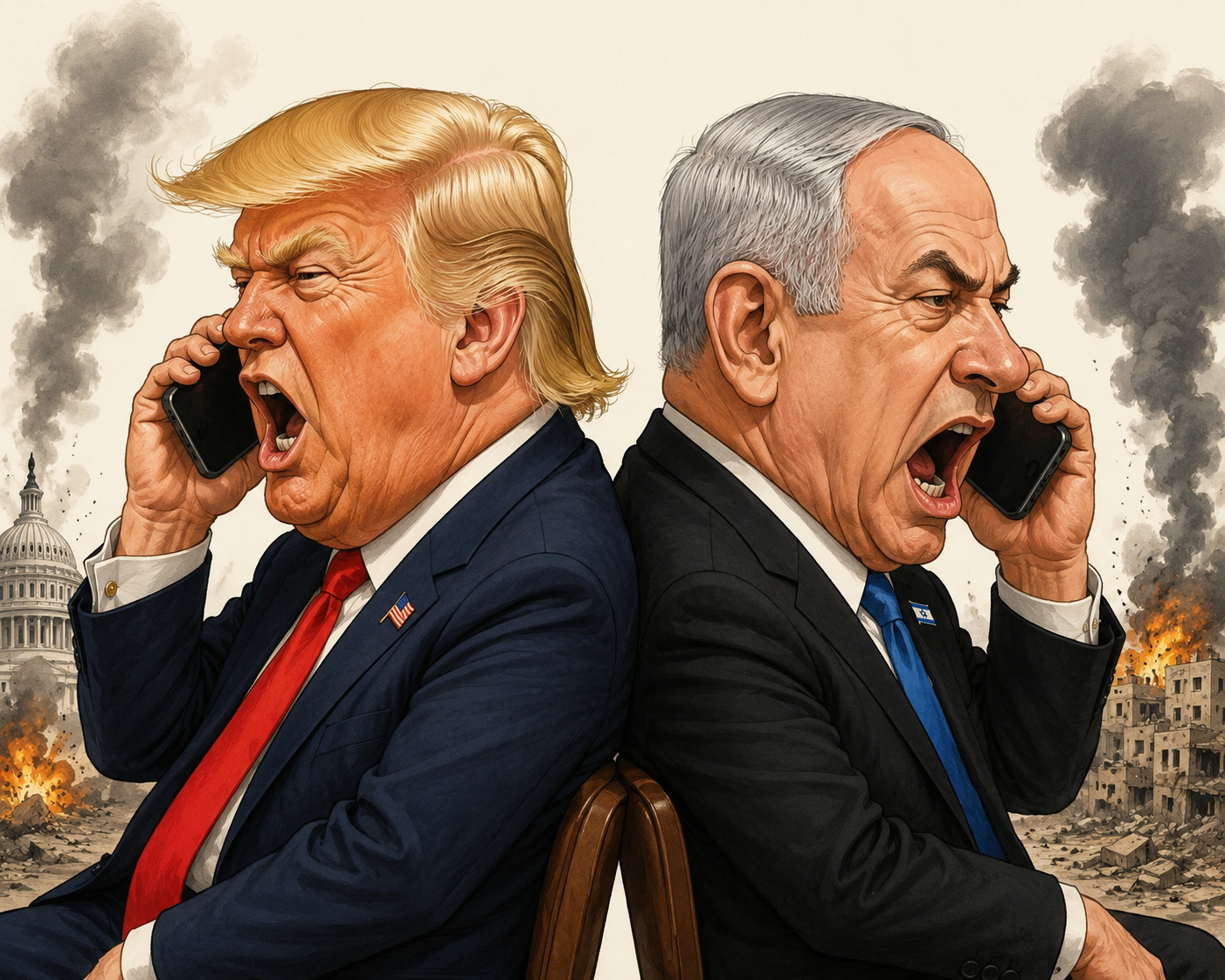
The latest ceasefire by Trump reminded me of an aspiring young violinist, who every time she started playing her own written piece, the tunes of her instrument would go havoc!
Last move, the declaration of a ceasefire with no deadline, by President Donald Trump on the Hormuz virtual chessboard with Iran, did not lack the usual element of surprise. Still, it was a relief for some, annoying for others and revealing for a third group!
While at it in the White House, the Pakistani host intermediaries in the other side of the hemisphere, were stood up for the arrival of the negotiation teams, who seemingly were hindered by other conflicting schedules, while pilots of the jet fighters, in the air bases and on board destroyers, and the launchers of missiles, drones and anti–missile batteries, were all getting itchy over the delay of orders from their commanders, which left TV anchors and other commentators, boringly speculating and redundant!
After the two rounds of exchanging intensive missile and rocket attacks, between Iran and the US-Israeli axis, in less than a year, using the open skies over the Middle East from the Mediterranean to the Gulf area, as a last resort to make each party’s views clearer to the other, President Trump, the man who happens to hold most of the important cards in his hands, seems today, to have come to the conclusion, that neither his message, nor his tools, or even his sheer luck have helped making his message loud and clear enough to his opponents and to the rest of world!
Luck in this context can be associated with the totality of internal, regional and world unanticipated reactions to this complicated conflict, in terms of rising oil and gas prices for the average consumer, whether in Europe, North America or in Eastern Asia. It is highly suspected that these instruments in the hands of Trump, started producing tunes that were not written or desired by Trump himself, and if they did, it was just a kind of dissonance!
It is also very probable that Trump’s tactics as a deal maker, continuously changing his tone and vocabulary, made his listeners lose track of his true original storyline, if there was one! But more seriously, weighing and counting the odds that have befell Trump in the aftermath of the breakout of the war, some of which were
of his own making, and other developments that came out as natural by-products of the original move!
Following is a rundown of those unexpected unpleasant by-products, or side-effects, some of which might turn into chronicle headaches*, of the whole initiative which Trump had closely coordinated with his persistent ally, Netanyahu, the first in June 2025, when the two of them orchestrated the “Midnight Hammer” surprise operation against sensitive Iranian targets, and the second round “Epic Fury” on Feb28 this year, while negotiators were in session:
1. Rise of oil and gas price in world markets
2. Drop of share prices in stock markets
3. Fracture with NATO*
4. Decline in Republican Party ratings ahead of the midterms congressional elections in November
5. Resurgence of Trump’s friendship with Epstein’s scandals.
6. Firing key US generals in the midst of crisis, culminated by ousting Navy Secretary, John Phelan.
7. Emulating Jesus Christ in a replica image!
8. Personal row with Pope Leo who stands as the most respectful living figure in the Western civilization.*
9. Lebanon and Hezbollah’s connection.*
10. The Strait of Hormuz new strategic entanglement*
None of the above problems or symptoms of problems, except for point 5 and 9, existed before Trump made up his mind to go into war against Iran last year. Even back in 2018 during his first term, Trump shocked the world by tearing up the Iran-nuclear deal approved by Obama’s Administration after being endorsed by the rest of the Western powers. No one expected that Trump would go this far in his second term, except the Prime Minister of Israel!
All things considered, the whole world, minus Israel, was shocked by the magnitude of the bombings to finish Iran’s potentials to own its own nuclear knowhow and capabilities. All of which leaves me wondering if this latest ambiguous ceasefire, and the way it was presented and its timing, will prove to be a real turning point in the ongoing strife in the Middle East, or just another boring maneuvering tactic by Trump!
As for the fate of young aspiring violinist, it was said that after she had discovered that her violin was not authentic but a replica, she decided to become a soprano!
marwan
❝The accounts describe the theft of motorcycles, televisions, paintings, sofas and rugs on a wide scale, which has become routine. Both senior and junior commanders on the ground are said to be aware of the phenomenon, but are not taking disciplinary action to curb it.
According to the testimonies, as IDF soldiers leave Lebanon, they load stolen items onto their vehicles openly, without attempting to conceal them. “It’s on a crazy scale,” one soldier said. “Anyone who takes something – televisions, cigarettes, tools, whatever – immediately puts it in their vehicle or leaves it off to the side, not inside the army base, but it’s not hidden. Everyone sees it and understands.” – The Palestine Project
 CrossFireArabia
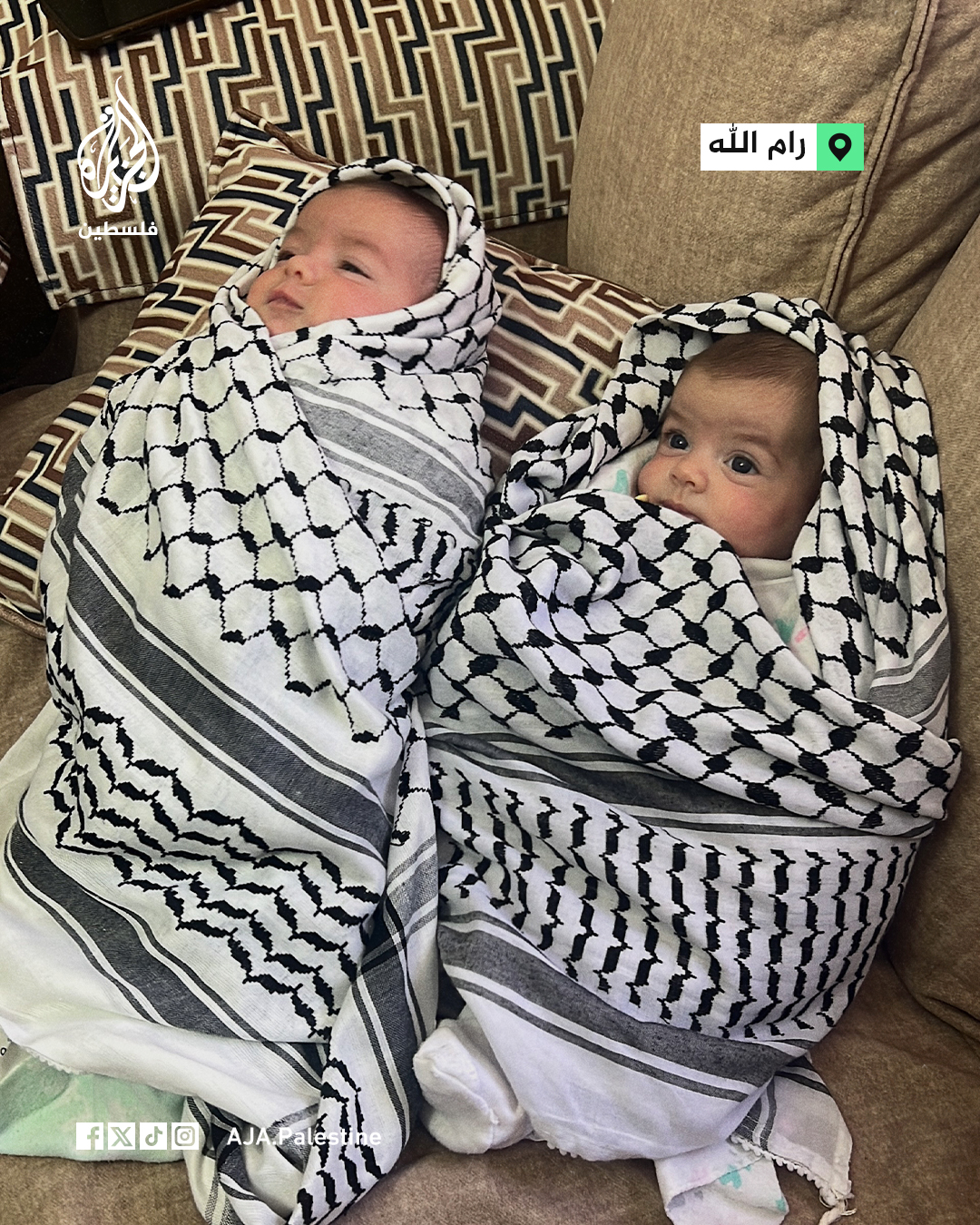
Aya and Qamar, the twins of martyr Awda Awawda, were born two months ago, and today they bid farewell to their father, a martyr killed by settlers’ bullets in the town of Deir Dibwan, east of Ramallah, West Bank, Palestine.