 Palestinian Saher Alghorra Wins Pullitzer
 Palestine Airlines,1937, Saves Jews From Hitler
 Oslo: Strangling The Dove
 Survival
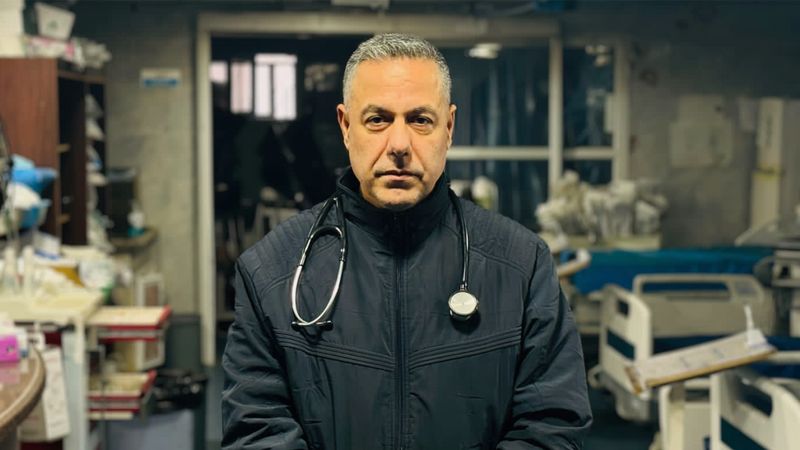 Israeli Cell Nightmare: Free Dr Hussam Abu Safiya!




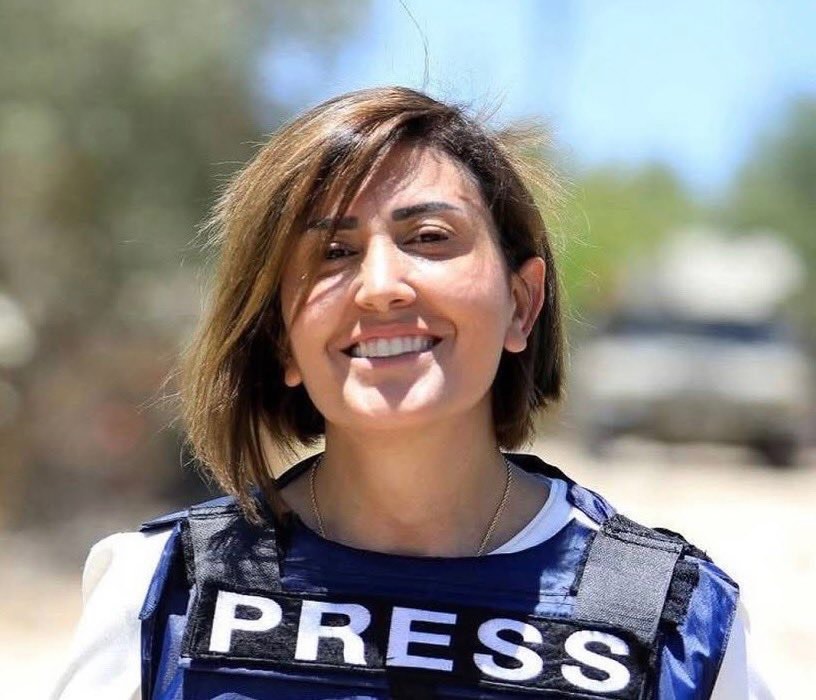
Palestinian Saher Alghorra Wins Pullitzer
 CrossFireArabia
- May 10, 2026

 Dr Khairi JanbekCrossFireArabiaCrossFireArabiaCrossFireArabiaCrossFireArabiaCrossFireArabiaCrossFireArabiaCrossFireArabiaCrossFireArabiaCrossFireArabiaCrossFireArabiaDr Khairi Janbek
 Saleem Ayoub Quna
 marwanCrossFireArabiaCrossFireArabiaCrossFireArabiaCrossFireArabiaCrossFireArabiaCrossFireArabiaCrossFireArabiaCrossFireArabiaCrossFireArabiaCrossFireArabiaCrossFireArabiaCrossFireArabiaCrossFireArabiaCrossFireArabiaCrossFireArabiaCrossFireArabiaCrossFireArabiaCrossFireArabiaCrossFireArabiaCrossFireArabiaCrossFireArabiaCrossFireArabiaCrossFireArabiaCrossFireArabiaCrossFireArabiaCrossFireArabiaCrossFireArabiaCrossFireArabiaCrossFireArabiaCrossFireArabiaCrossFireArabiaCrossFireArabiaCrossFireArabiaCrossFireArabiaCrossFireArabiaCrossFireArabiaCrossFireArabiaCrossFireArabiaCrossFireArabiaCrossFireArabiaCrossFireArabiaCrossFireArabiaCrossFireArabiaCrossFireArabiaCrossFireArabiaCrossFireArabiaCrossFireArabiaCrossFireArabiaSaleem Ayoub QunaCrossFireArabiaCrossFireArabiaCrossFireArabiaCrossFireArabia
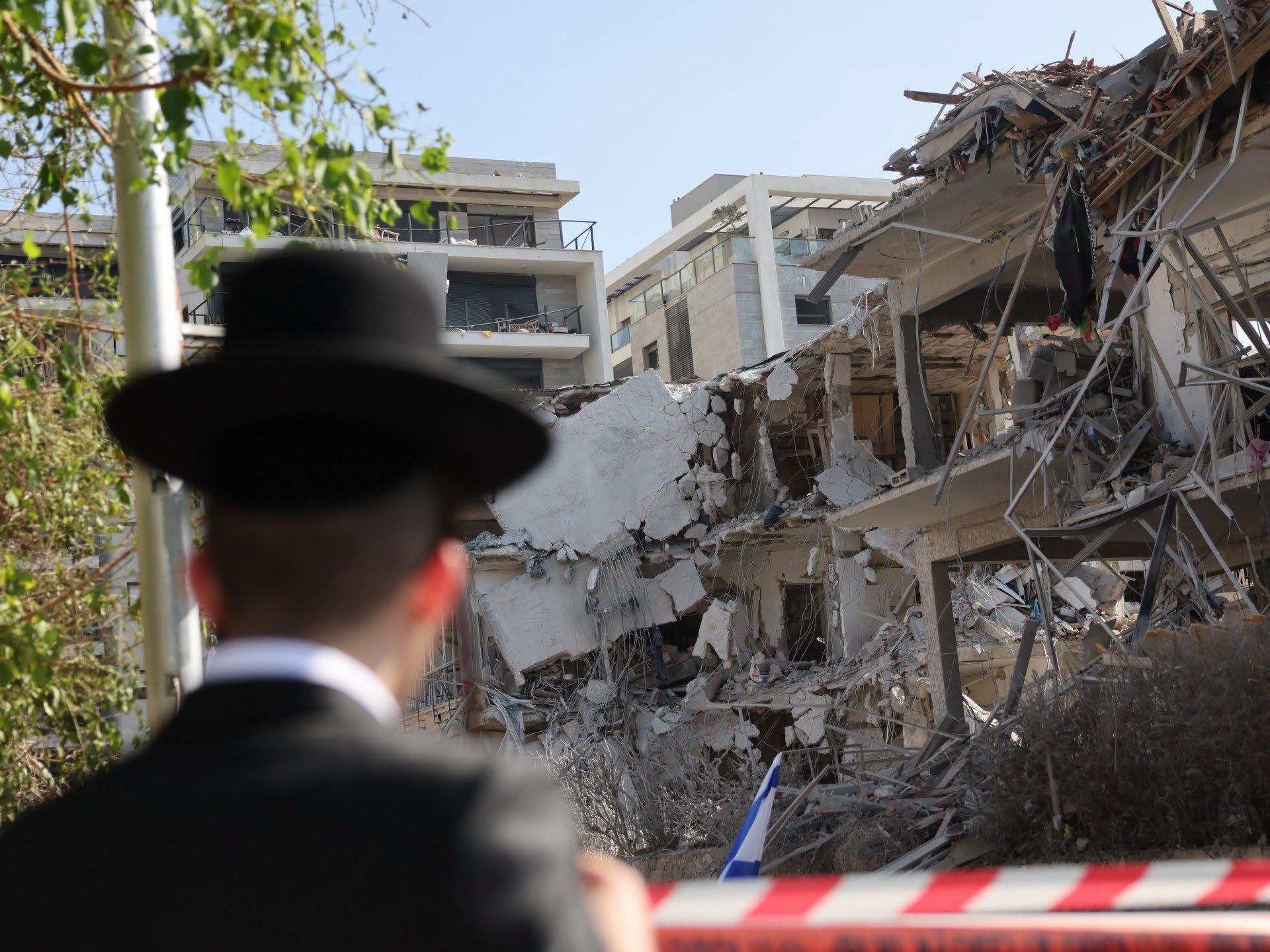
As Israel presses ahead with its nearly two-year-long offensive on Gaza, leading Israeli experts are warning that the country is facing unprecedented diplomatic, political, and societal backlash globally, raising concerns about deepening international isolation.
Prominent former diplomats, academics, and analysts told Anadolu that the ongoing attacks and resulting humanitarian catastrophe in Gaza are driving a surge in global opposition to Israel, including formal recognition of Palestinian statehood by several countries.
Mounting backlash across the globe
International criticism of Israel has intensified in recent months, particularly in response to the humanitarian crisis in Gaza.
Meanwhile, Spain, Norway, Ireland, and Slovenia officially recognized the state of Palestine in 2024.
France will follow suit, with President Emmanuel Macron recently announcing that Paris is set to recognize Palestine in September.
Public backlash has extended beyond governments, with Israeli tourists increasingly being confronted abroad.
In a recent incident, a pro-Palestinian group in Greece prevented a cruise ship carrying Israeli passengers from disembarking on the island of Syros.
Videos circulating on social media show Israeli travelers facing protests and hostility in multiple countries.
‘Recognition by France and Britain will come as shock to Israeli public’
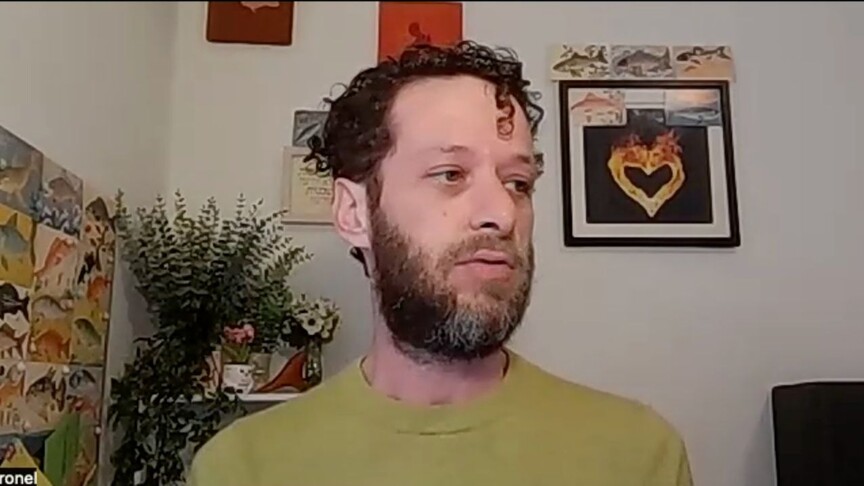
Alon Liel, former charge d’affaires at Israel’s Embassy in Ankara and former secretary of the Foreign Ministry, described the international developments as a turning point.
“A year ago, Spain, Norway, Ireland, and Slovenia did it, but now it came to the point that France is doing it. I welcome it very much. I think it’s extremely important.
“And if Great Britain and Canada and Australia will join, much better, of course,” he told Anadolu.
Liel said that while Israel withdrew ambassadors from countries that recognized Palestine — going so far as to shut its Embassy in Ireland — it would not be able to do the same with major allies like the UK or Canada.
“The important thing is if the public will be noticing it and will be affected by it,” he stressed.
“I think the recognition by France and Britain will come as a shock to the Israeli public because these are two of the five permanent members of the Security Council.
“This can bring things closer to a full membership of Palestine in the UN. Of course, the Americans can veto it, but I don’t know for how long they can veto it.”
He argued that Western governments are recognizing Palestine as a substitute for sanctions against Israel.
“But they don’t have the ability to do it. It’s too risky for them, security-wise, intelligence-wise, economic-wise. So they go for a softer protest to what Israel is doing in Gaza in the form of recognition of Palestine,” Liel said.
Though symbolic, he believes such recognition lifts Palestinian morale and delivers “a blow to the Israeli public.”
“It’s very difficult for us now to travel abroad. Look at Greece. We had tourists that could not embark the ship that they came with.
“We had youngsters in Athens that were beaten. It’s happening now all over the world. So Israelis start realizing that ‘what we do in Gaza is unacceptable internationally. It will cost us in our ability to travel. It will cost us mainly in the future, also in the isolation of the country, and maybe economically’.”
He added that while Israeli strikes on Iran were initially met with international support, that dissipated quickly.
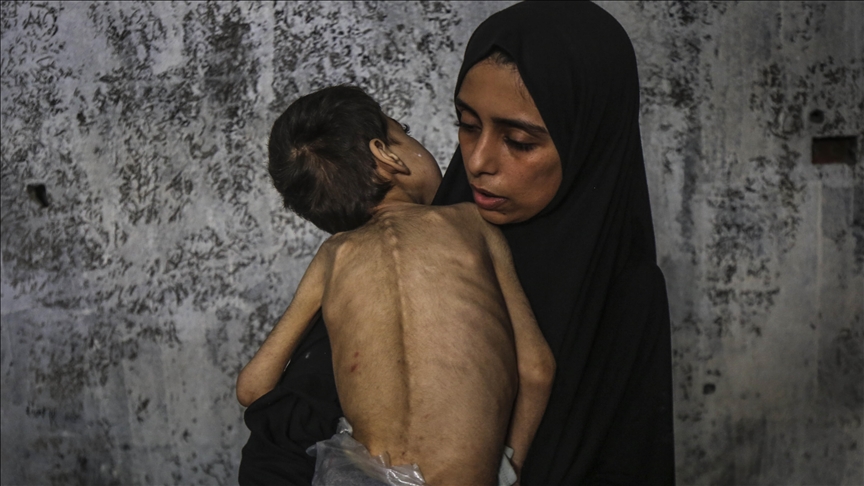
“As long as the war will go on with these pictures of starving children in Gaza, the tsunami will get stronger and Israel will become more isolated.”
“But I think it will end when the US will see that it is paying a price, an international price for backing Israel in the Middle East, in Europe, and the rest of the world. As long as Trump doesn’t feel that he pays a price, he will support us,” Liel warned.
Regarding Syria, Liel said American pressure had curbed Israel’s military activities there and even led to secret talks between Syrian and Israeli officials in France.
‘They don’t hate Israel. They do hate occupation’
Nadav Tamir, a former adviser to late Israeli President Shimon Peres and current director at the US-based liberal Jewish lobbying group J Street, argued that Palestinian statehood would benefit Israel morally and strategically.
He expressed hope that France would push the recognition issue to the UN Security Council.
“I’m convinced Trump not to veto it because I believe that there is a consensus among other 14 members of the Security Council to recognize Palestine if the US will not block it,” he said.
Tamir acknowledged, however, that Israeli retaliation often intensifies when external pressure increases.
“That was kind of the instinct of the right-wing government to show that when we’re being pressured from the outside, we will do counter things that will actually make a Palestinian state less possible.
“There is a clear attempt by this government to push all the Palestinians from Area C (Israeli-occupied territory in West Bank) and to make the Palestinian life in other areas harder and harder.
“So I don’t think that on the ground it will change much because what they’re already doing is bad enough, but it will be more declarative.”
As many as 147 countries already recognize Palestine, but recognition from Security Council powers such as France and the UK, Tamir said, has a far greater impact.
“I think Israel’s international standing is deteriorating every day that the tragedy in Gaza continues and this senseless war continues.
“You see it now from places that we haven’t seen it before, that used to be considered pro-Israel or pro-the Netanyahu government,” he said. “Now, many Israelis will say, oh, the world is antisemitic, the world hates us. I have connections with also people in civil societies in Europe, they don’t hate Israel. They do hate the occupation.”
He said “the criticism over what’s happening in Gaza now, unfortunately, the West Bank doesn’t get much coverage, but there’s also atrocities there. This is the main reason why Israel’s standing is deteriorating.”
Tamir warned that Prime Minister Benjamin Netanyahu is indifferent to international opinion as long as US President Donald Trump supports him.
Government focused only on survival and ideology
Professor Eyal Zisser, vice rector at Tel Aviv University, said there is outsized influence of the US in shaping international responses.
He said the most significant reaction to France’s recognition of Palestine came from Trump, who dismissed the move as it “doesn’t carry any weight.”
Zisser predicted that other Western nations might follow France if Israel’s Gaza offensive, which has already killed more than 59,000 people since October 2023, continues.
“Some more countries might join the French initiative, but once again, it will not change anything on the ground, because Israel is the occupier, it has the control, and the Americans are those who have a real influence over the Israeli policy.”
He warned that Israel’s actions in Gaza are deepening its global isolation.
“It leads to the destruction of the democratic nature of Israel, to the destruction of the state institution, and of course, this lunatic policy also creates many problems,” Zisser said.
“You mentioned the isolation of Israel, the image of Israel, its relation with the world, its relation with Arab countries, but this government is focusing on its political survival and political consideration, also maybe ideological consideration, lunatic ideological consideration of those who motivated it.”
The academic also criticized Israel’s military actions in Syria, saying: “It didn’t help anything. It was not a wise decision to intervene and it was not the right move,” according to Anadolu.
CrossFireArabia
The heads of five major Israeli universities on Monday appealed to Prime Minister Benjamin Netanyahu to end the starvation in Gaza, warning of catastrophic consequences for civilians, including infants.
In a letter reported by the daily Israel Hayom, the signatories – Weizmann Institute President Alon Chen, Hebrew University President Asher Cohen, Technion President Uri Sivan, Tel Aviv University President Ariel Porat, and Open University President Leo Corry – said they were “shocked” by the humanitarian toll in the Palestinian enclave.
“Like many Israelis, we are horrified by the scenes from Gaza, including infants dying every day from hunger and disease,” the letter reads according to Anadolu.
The university presidents pressed Netanyahu to address “the severe hunger overwhelming Gaza, which is taking a heavy toll on civilians uninvolved in the conflict, including children and infants.”
They voiced alarm over incendiary remarks by Israeli ministers and Knesset members calling for Gaza’s destruction.
“As a people who endured the horrors of the Holocaust, we also bear a responsibility to use every means at our disposal to prevent cruel and indiscriminate harm to innocent men, women and children,” they wrote.
The letter also criticized statements by Israeli officials suggesting the use of nuclear weapons, the complete denial of food, and the expulsion of Palestinians.
“We expect you and the government to unequivocally condemn these dangerous remarks,” they said, adding that such calls amount to “war crimes and crimes against humanity” under international law.
The university heads further warned against reported Israeli plans to build a so‑called “humanitarian city” in Rafah, likening it to World War II concentration camps. They said such a move would cause “irreparable damage” to Israel’s moral standing.
International observers have warned that the proposed camp would confine Palestinians and deprive them of food to force mass migration abroad.
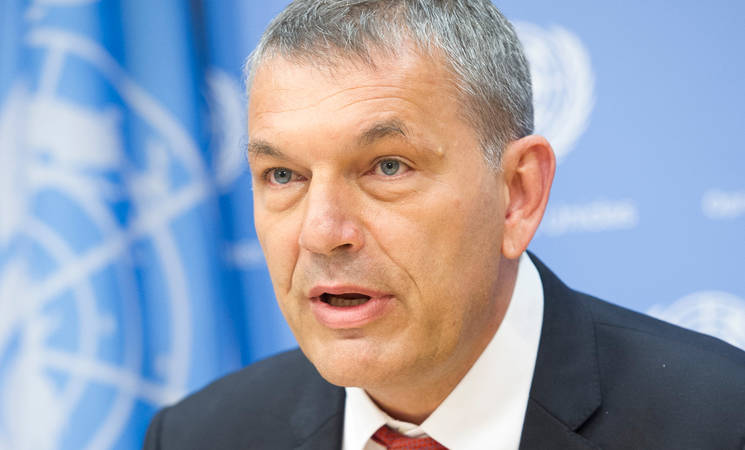
Also on Monday, UN relief chief Tom Fletcher warned that one in every three Palestinians in Gaza had not eaten for days, urging the immediate delivery of aid.
The Gaza government media office said more than 40,000 infants aged under 1 face slow death due to Israel’s blockade preventing baby formula from entering for more than 150 days. It called for the unconditional opening of border crossings and held Israel and its allies fully responsible for the crisis.
According to Gaza’s Health Ministry, 147 Palestinians, including 88 children, have died from starvation and malnutrition since October 2023.
On Sunday, the Israeli army announced limited humanitarian airdrops and what it described as a “tactical pause” in certain parts of Gaza to allow deliveries. Aid agencies, however, dismissed the move as “false relief,” saying Israel continues to weaponize hunger by blocking overland aid since early March.
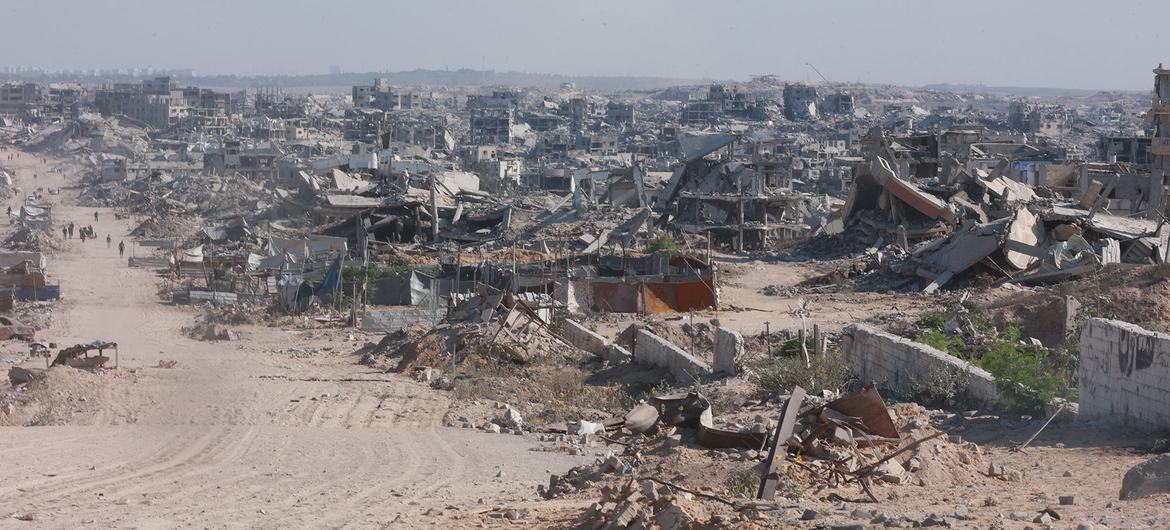
Rejecting international calls for a ceasefire, the Israeli army has pursued a brutal offensive on Gaza since Oct. 7, 2023, killing nearly 60,000 Palestinians, most of them women and children. The relentless bombardment has destroyed the enclave and led to food shortages.
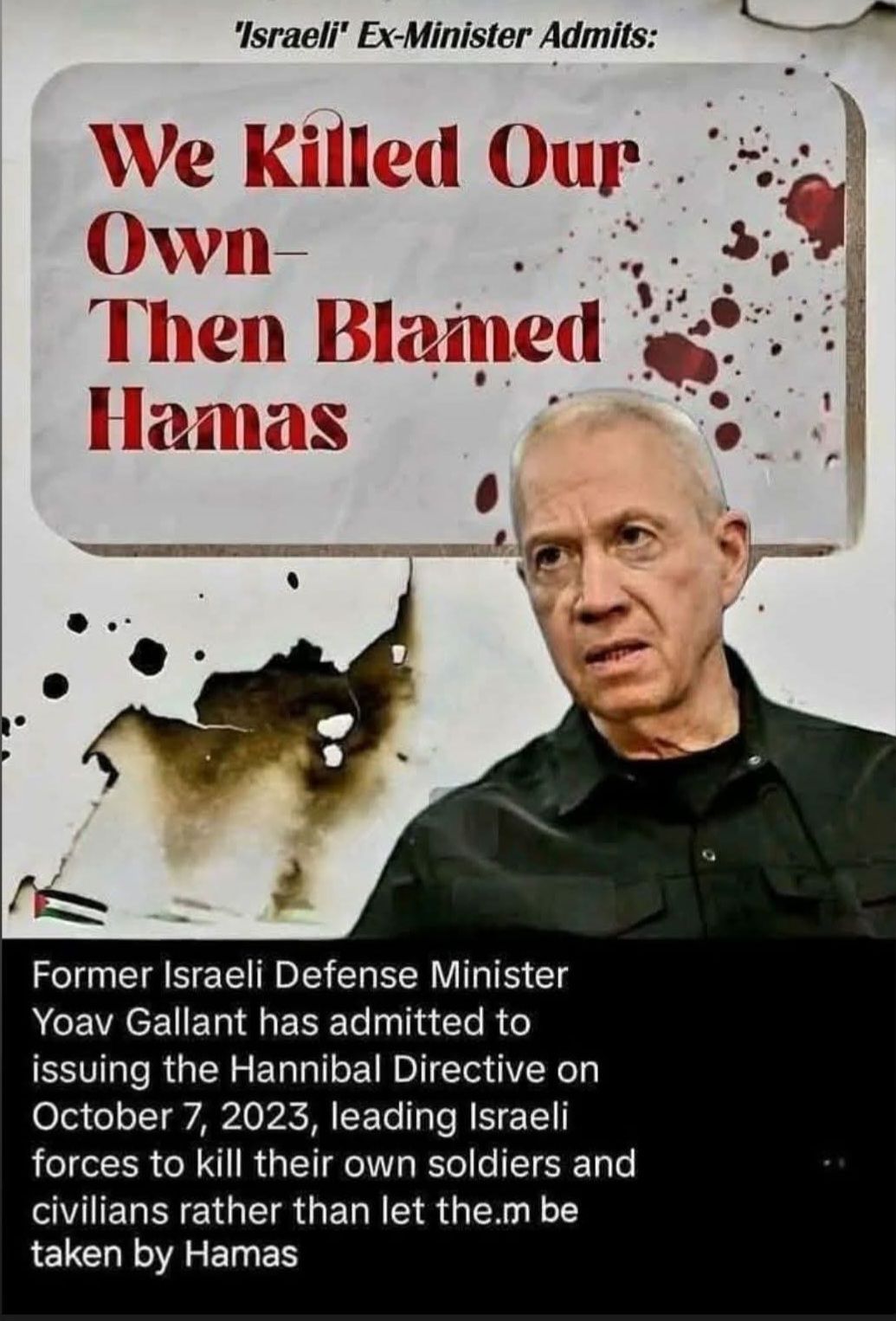
Last November, the International Criminal Court issued arrest warrants for Netanyahu and his former Defense Minister Yoav Gallant for war crimes and crimes against humanity in Gaza.
Israel also faces a genocide case at the International Court of Justice for its war on the enclave.
CrossFireArabia
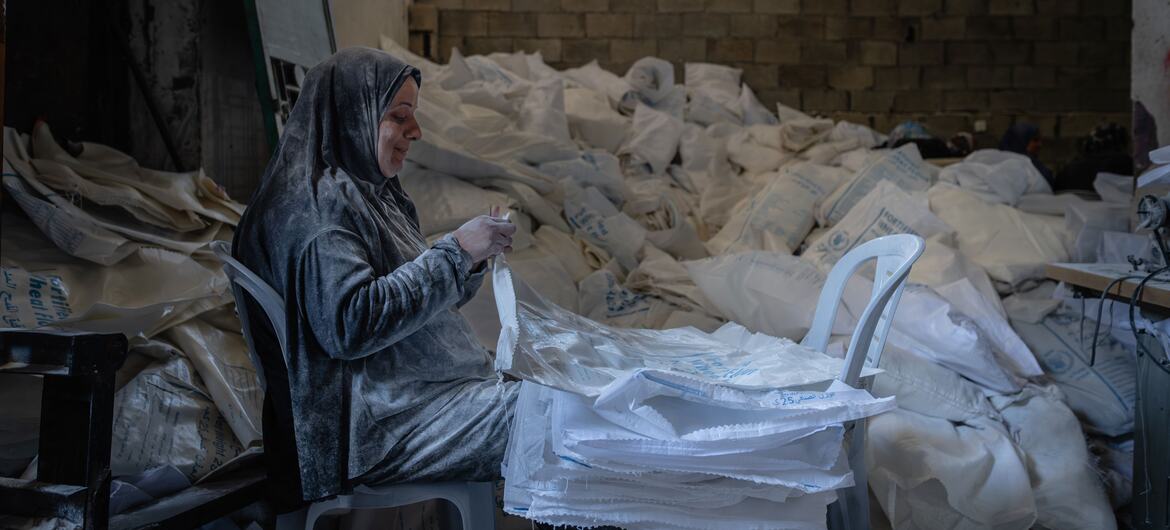
Download UNRWA multimedia resources on malnutrition in children here
A constructed and deliberate mass starvation. Today, more children died, their bodies emaciated by hunger.
The flawed distribution system (GHF) is not designed to address the humanitarian crisis.
It’s serving military and political objectives. It’s cruel as it takes more lives than it saves lives.
Israel controls all aspects of humanitarian access, whether outside or within Gaza.
Airdrops are the most expensive and inefficient way to deliver aid. It is a distraction to the inaction.
When bureaucratic and political hurdles are lifted, the humanitarian community has demonstrated it can deliver assistance at scale, in a dignified way, without diversion.
During the ceasefire fire in earlier this year, we succeeded to reverse the deepening hunger.
Today, UNRWA alone has the equivalent of 6,000 trucks of food and medical assistance stuck in Egypt and Jordan.
The unfolding famine can only be reversed by a political will.
Make “never again” a reality.
If we fail the Palestinians in Gaza, others are likely to be failed too in the future.
Let’s not set a dangerous and irreversible precedent.
CrossFireArabia
The airdrop of aid into the Gaza Strip is yet another act of humiliation and degradation against Palestinians. It endangers civilians crowded into less than 15 per cent of the enclave and serves a graver purpose: enabling Israel’s policy of mass starvation, deliberately used as a tool of genocide in its systematic effort to eliminate Palestinians in Gaza.
The resumption of aid airdrops, following months of widespread starvation, neither meets the minimum humanitarian needs nor alleviates the catastrophe caused by Israel’s deliberate policy of starvation. Instead, it perpetuates the illusion of relief while starvation continues to be used as a weapon against civilians.
This step, approved by Israel and implemented on Saturday evening, does not reflect a genuine shift in the humanitarian response. Rather, it aims to mislead international public opinion and downplay the severity of the crime, diverting attention from Israel’s systematic starvation policy in the Gaza Strip, which has caused an unprecedented humanitarian catastrophe. This catastrophe is marked by widespread famine, denial of food, water and medicine, destruction of supply chains, obstruction of land-based aid delivery, and continued attacks on those seeking food. These actions reveal Israel’s persistent use of starvation as a primary tool to decimate the population and undermine their means of survival.
The catastrophic conditions on the ground underscore the severity of Israel’s starvation policy, especially after 55 people were officially declared dead from starvation and malnutrition in just one week. It is also estimated that around 1,200 elderly people have died in the past two months due to a lack of food and medical care, amid the total collapse of the healthcare system and the continuing blockade.
The airdrops do not constitute a genuine humanitarian response but rather mark a new chapter in the ongoing humiliation of civilians in the Gaza Strip, following the public degradation and repeated killings at distribution centres operated by the Gaza Humanitarian Foundation under Israel’s direction.
Instead of opening safe and organised land corridors, residents are forced to crowd into dangerous areas under bombardment to retrieve parcels dropped randomly from the air, in conditions that compromise their dignity and endanger their lives, as has occurred repeatedly. Such practices strip relief of its humanitarian purpose and reproduce a colonial dynamic based on subjugation and control, reducing the right to survival to a humiliating favour instead of a fundamental human right.
With 2.3 million Palestinians displaced into less than 15 per cent of the Gaza Strip due to Israeli control and forced evacuation orders, airdropped aid poses a serious risk to civilian lives amid severe overcrowding and the absence of safe areas.
Euro-Med Monitor recalls that when airdrops were first introduced several months ago, even while the accessible area was relatively larger, they led to the deaths of 18 Palestinians and injuries to dozens more.
Last night’s airdrops injured at least 11 civilians, further highlighting the failure of this mechanism to ensure safe and orderly access to aid. It also reinforces serious concerns that civilians are being placed in harm’s way rather than protected, especially amid severe overcrowding and the shrinking of safe areas due to Israeli-imposed policies of forced annexation and displacement.
The reality on the ground demonstrates that airdropped aid is scarce, randomly distributed, and poses serious risks. It frequently lands in densely populated areas, on displaced people’s tents, in evacuated zones, in areas under Israeli control, or in the sea, making it an unsafe and ineffective method from a humanitarian perspective.
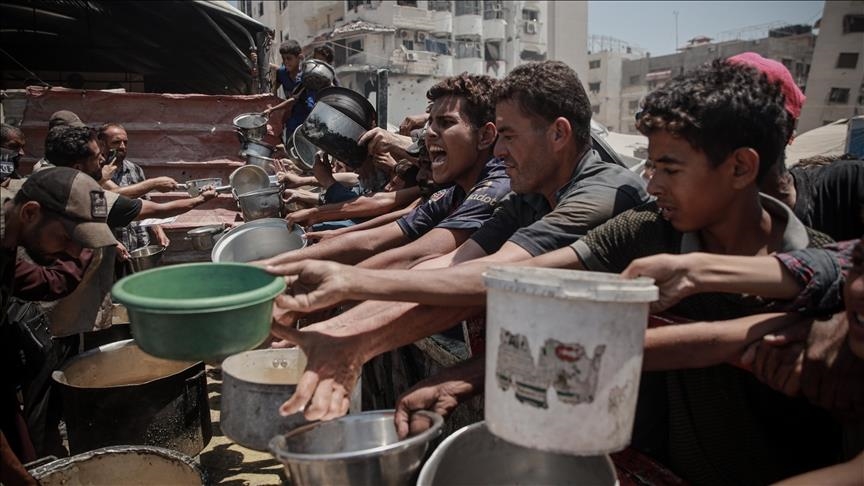
The extreme starvation civilians are enduring has, for weeks, driven them to seek aid along delivery routes and at distribution centres, despite knowing these places are humiliating and have become death traps. Their desperate search for aid has turned into a daily scene of collective humiliation, exposing them to immediate danger and fuelling tension and conflict among the population over access to scarce food supplies.
Addressing the famine in Gaza cannot be achieved through superficial or gaudy measures but requires an immediate end to the blockade and the opening of safe, stable land corridors to enable the regular and sufficient delivery of food, medicine, and fuel. This must be done through official UN mechanisms that previously managed aid distribution through approximately 400 centres, before Israel deliberately dismantled them. Only the restoration of this system can ensure that aid reaches all those in need fairly, safely, and transparently, without discrimination or subjugation.
Operations of the Gaza Humanitarian Foundation must be halted. Established by Israeli authorities, the foundation functions as a mechanism of collective humiliation and military control over aid, operating outside any recognised legal or humanitarian framework. Rather than ensuring fair and safe access to aid, it enables Israel to manipulate distribution in line with its own objectives. Under this system, distribution centres have become sites of mass killing, managed directly under Israeli supervision.
The continued operation of this foundation obstructs any genuine humanitarian response and reinforces Israel’s full control over relief channels. This is evident in the airdrops conducted under Israeli supervision, driven by a colonial logic rooted in genocide, deliberately stripping the besieged population of both humanitarian aid and human dignity.
States must urgently push for the restoration of humanitarian access and the lifting of the illegal blockade, as this is the only way to stop the accelerating humanitarian deterioration and ensure the entry of aid, given the imminent threat of famine.
The establishment of safe humanitarian corridors under UN supervision is vital to ensure the delivery of food, medicine, and fuel to all areas of the Strip, with independent international monitors deployed to verify compliance.
All states, individually and collectively, must urgently fulfil their legal obligations to halt the genocide in the Gaza Strip in all its forms. This includes taking concrete measures to protect Palestinian civilians in the enclave, ensure Israel’s compliance with international law and the International Court of Justice rulings, and guarantee full accountability for crimes committed against Palestinians. Euro-Med Monitor also calls for the enforcement of the International Criminal Court arrest warrants issued for the Israeli Prime Minister and former Defence Minister, and for their swift surrender to international justice without regard to immunity.
The international community is urged to impose economic, diplomatic, and military sanctions on Israel and its more powerful allies, particularly the United States, for their grave and systematic breaches of international law; these sanctions should include comprehensive arms embargoes and the suspension of all forms of political, financial, military, and intelligence cooperation. In addition, Euro-Med Monitor calls for freezing the assets of responsible Israeli, US, and any complicit EU officials, banning their travel, halting their military and security companies’ access to international markets, and suspending trade privileges and bilateral agreements that facilitate Israel’s ongoing Western-backed crimes against the Palestinian people.
CrossFireArabia
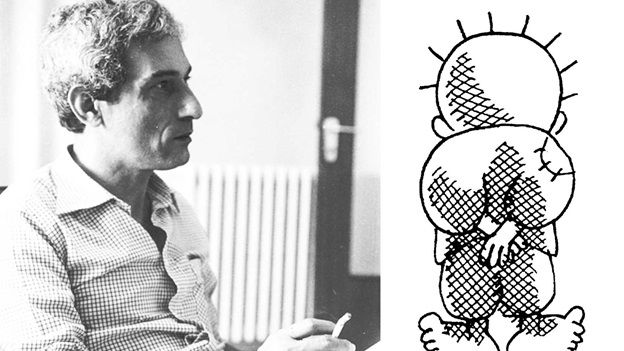
By the time he died on August 29, 1987, he had a collection of 40,000 cartoons. Naji Al Ali, the famous Palestinian cartoonist, had been in a coma for five weeks after being shot in the head by a gunman outside the London offices of Al Qabas newspaper on July 22.
Although till now nobody is certain of who killed him, Al Ali’s death was a result of decades of rebelliousness against the Arab status quo, his longing for change in Arab society, and the introduction of democracy.
He felt this would be translated into political strength to fight for the return of Palestine. Al Ali had the knack of weaving politics and culture together. His drawings had distinct messages: they were contextual, fighting against injustice and oppression in the Arab world.
Naji Al Ali was one of a kind. In few simple lines, he could depict the drama of a whole population and convey messages sometimes so sharp and rich in symbols that the viewer’s attention was effortlessly drawn to understanding the hidden meanings.
Though his messages were politically-driven, he always maintained he was apolitical and that politics did nothing for him.
This is despite the fact that his life had come to be dictated by a series of political actions. His expulsion, along with his family, to Lebanon in 1948, and ending up in Ain Al Hilweh camp, was but the first of these actions. Al Ali was only 10 or 11 when he was forced out of Shajara, a village of 400 that were destroyed by Israel.
Given a chance
In the 1950s, before being given the chance to go to Kuwait, his life was immersed in politics. He took part in demonstrations and served time in Lebanese jails. During this time, he started drawing on the walls of the camp and in prison.
“I felt within me a need for a different medium to express what I was going through,” he used to say. He often said he felt it was harder to censor a cartoon than an article. Al Ali’s talent was first discovered by Ghassan Kanafani, the Palestinian writer and activist killed by the Israelis in the early 1970s. He was visiting the camp at the time, came upon Al Ali’s work, took a sample and latter published them in Al Hurriya, the magazine he was working for.
This may have given Al Ali the opportunity to work in Kuwait in 1964 at the Al Talieh magazine, a now well-established weekly, representing the voice of the nationalists. There, he made his professional career as a cartoonist, though he did other things as well. In 1971 he returned to Lebanon where he worked in the well-respected Al Saffir.
It was in Lebanon he found the best and most productive years of his life, he would later write. “There, surrounded by the violence of many an army, and finally by the Israeli invasion (1982), I stood facing it all with my pen every day, I never felt fear, failure or despair, and I didn’t surrender. I faced armies with cartoons and drawings of hope and flowers, hope and bullets.”
But, contrary to this cheerful attitude, one also felt there was a degree of anger, mixed with cynicism and despair within Naji Al Ali that always prompted him in his cartoons; it was the failure of action, of ineptitude and the lack of Arab resolve.
That’s why he may have created the Hanthala cartoon that always came to appear in his sketches from the 1960s onwards. In fact, in an almost perceptive vision of his death, Ali would say Hanthala would outlast him and would live long after he was was dead.
Hanthala, whose name means bitterness in Arabic , represents the aspirations of the camp refugees and the right of return. We never see his face as he is never shown facing the reader.
Naji Al Ali described him as a bare-footed child with spiky hair, with his hands firmly clasped behind his back as a symbol of rejection to what happened to the Palestinians. He will only turn his head, when Palestine is regained. Hanthala will remain 10 years old until he returns to the homeland, when he will start growing up again.
After 1982, Naji Al Ali went back to Kuwait to work in Al Qabas, but there was no let down in his political message. In 1985, he was expelled, but continued to work in the newspaper’s London office.
His cartoons continued to appear in many daily newspapers across the region in Kuwait, United Arab Emirates, Egypt, Tunisia and Lebanon.
Did Al Ali’s untimely death at the age of 51, mean Hanthala will never turn his head, or will he wait for someone to redraw him.
Whichever the case, and in the spirit of his creator, he will continue with his back to the audience until Palestine is liberated.
This article, written by me, is reprinted here from the archives of Gulf News.