MSF: ‘Health in Gaza Catastrophic’

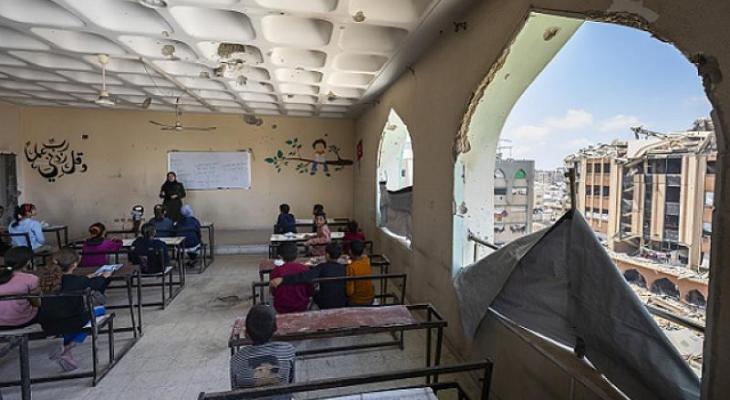
An official with Doctors Without Borders (MSF) said about 60 percent of the cases treated at the organization’s facilities in the Gaza Strip over the past six months were direct injuries. She explained that the situation for Palestinians has not changed significantly since the ceasefire signed at the end of last year.

Shaimaa Awda, head of the organization’s mental health support department, described the health situation in the Gaza Strip to Anadolu Agency as “suffocating.”

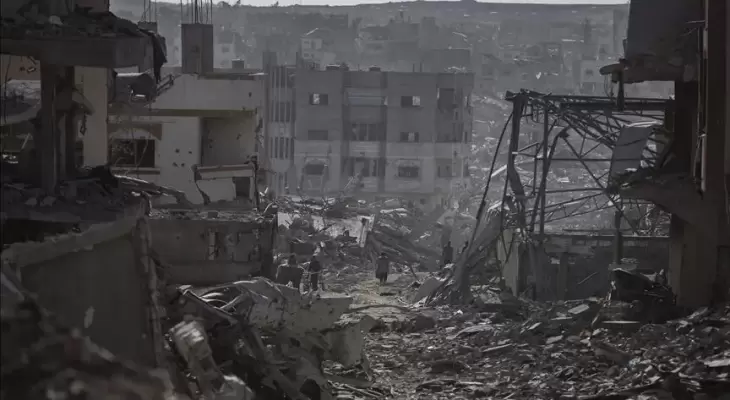
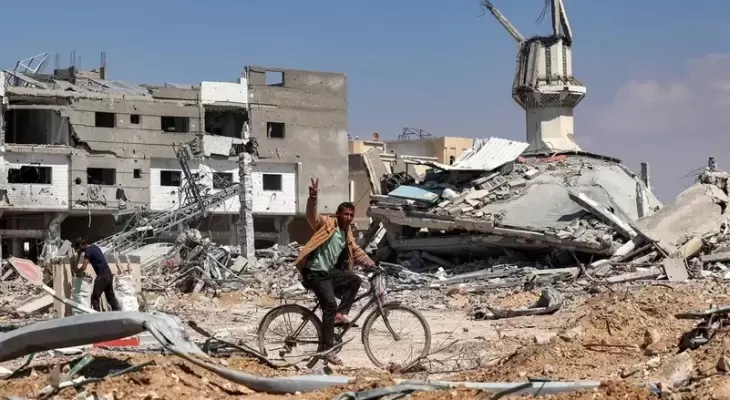
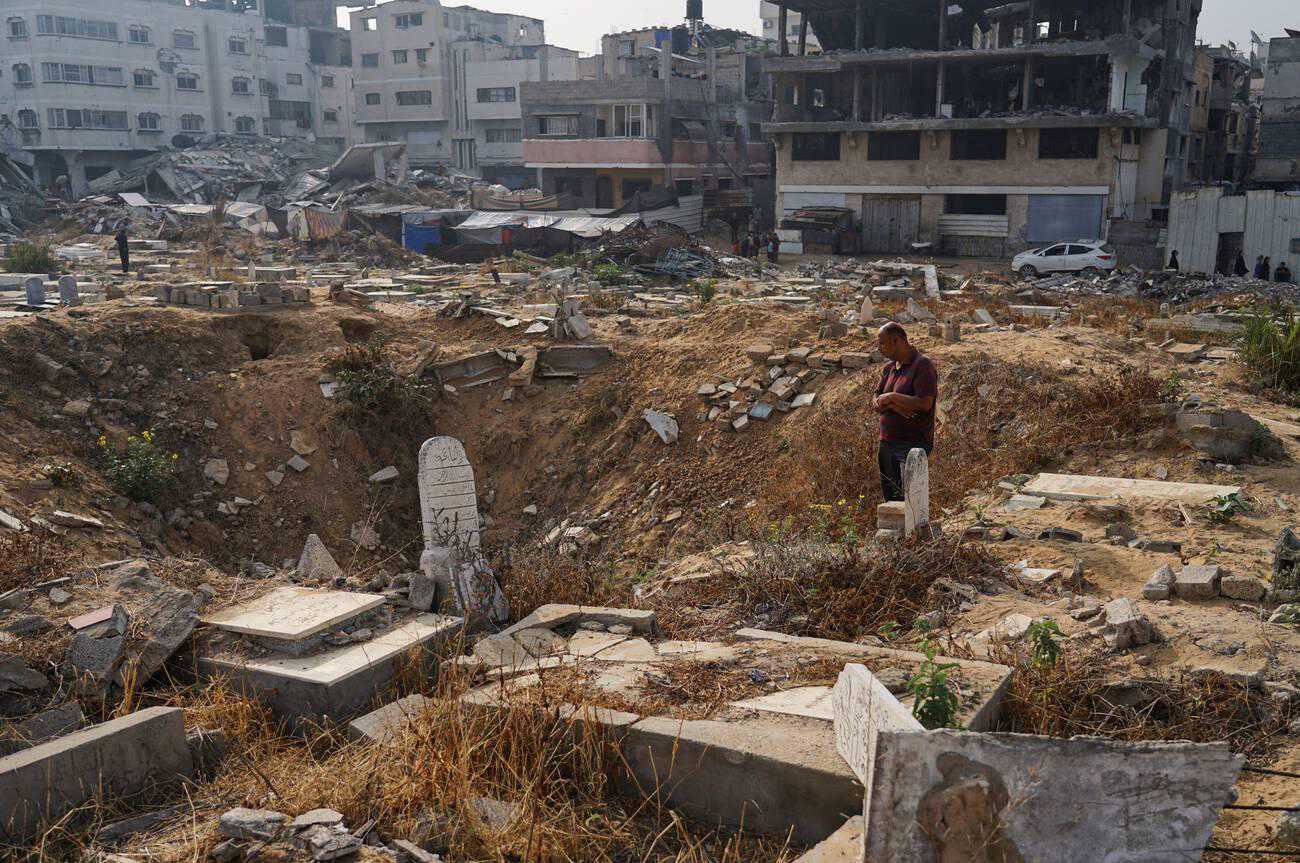
Despite the ceasefire agreement in Gaza coming into effect on 10 October, 2025, living and health conditions remain dire for the 2.4 million Palestinians in Gaza, including for the 1.4 million internally displaced persons.

Israel continues to renege on its commitments under the ceasefire agreement, including opening the crossings and allowing the entry of the agreed-upon quantities of food, relief supplies, medical aid, and shelter materials.

It also continues to commit daily violations of the ceasefire agreement, resulting in the deaths of 765 Palestinians and injuries to 2,140 others, according to a Gaza Ministry of Health statement.

A Dire Health Situation

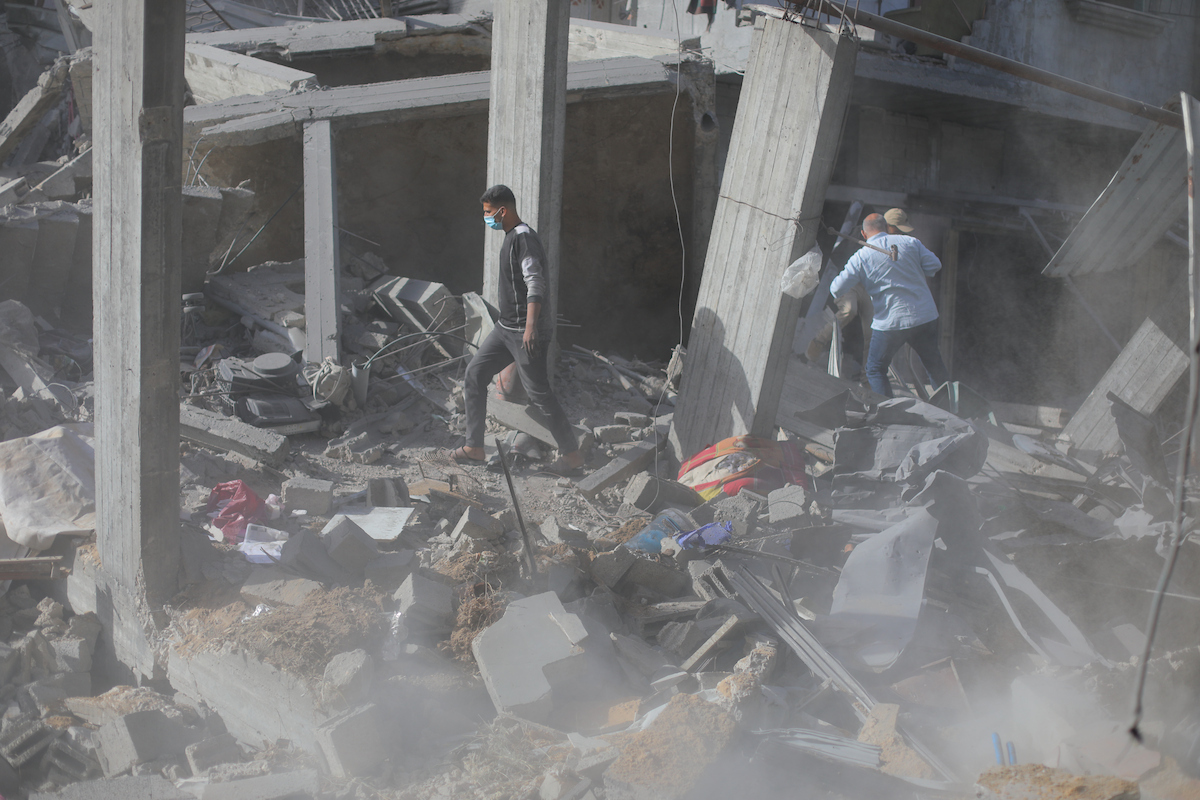
Awda says that the organization’s teams have treated hundreds of dead and thousands of wounded, noting that injuries continue to arrive daily at its hospitals in Deir al-Balah and Gaza City.

She adds: “The violence continues, and the Gaza Strip is witnessing repeated incidents, the latest of which occurred in al-Maghazi camp, where medical teams received dozens of wounded, including critical cases.”

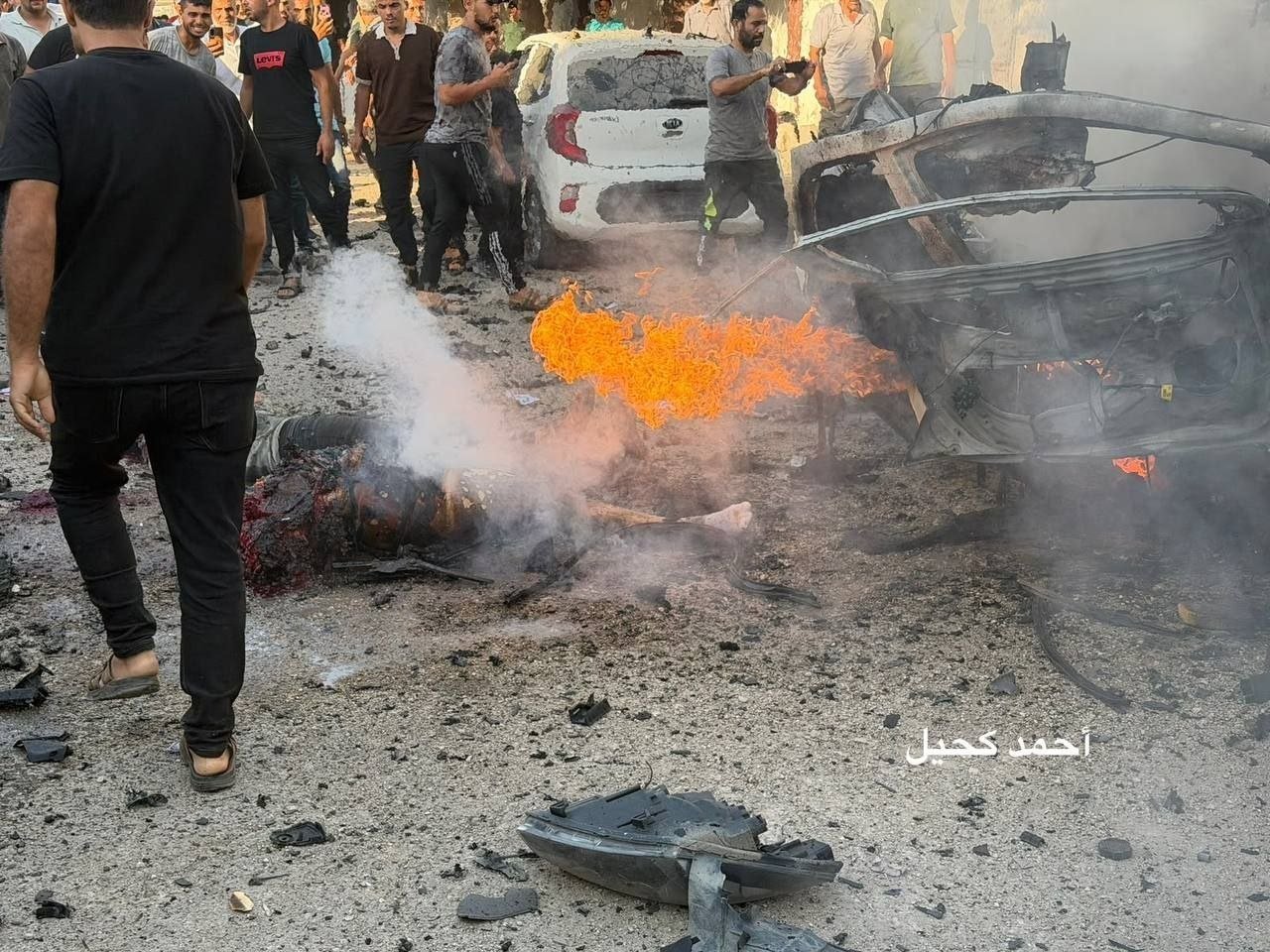
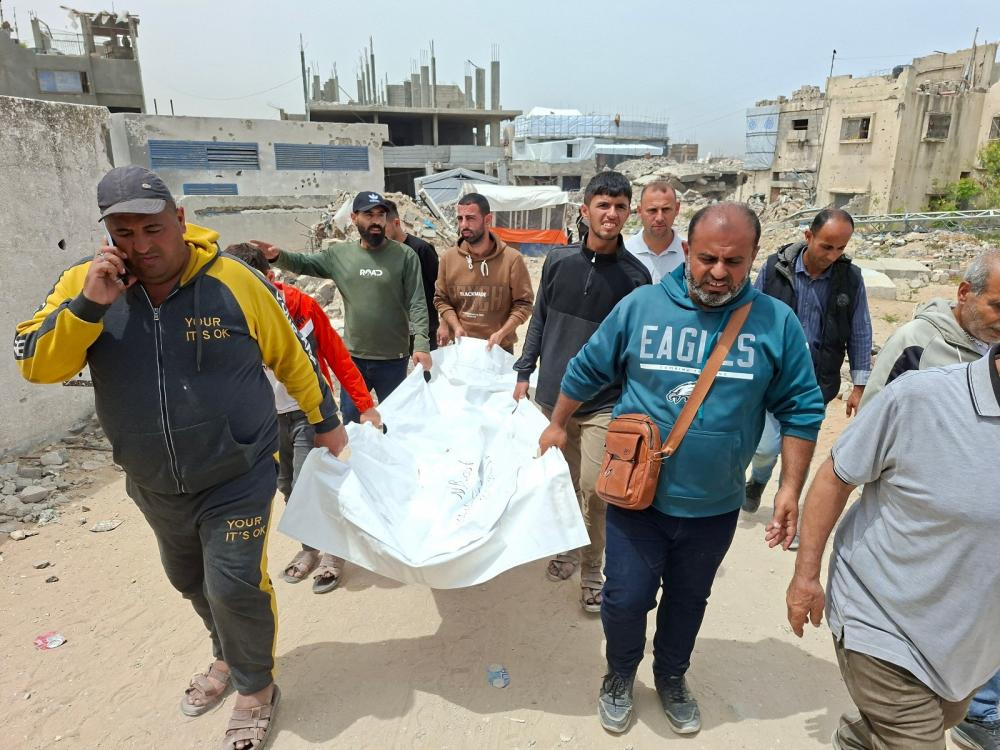
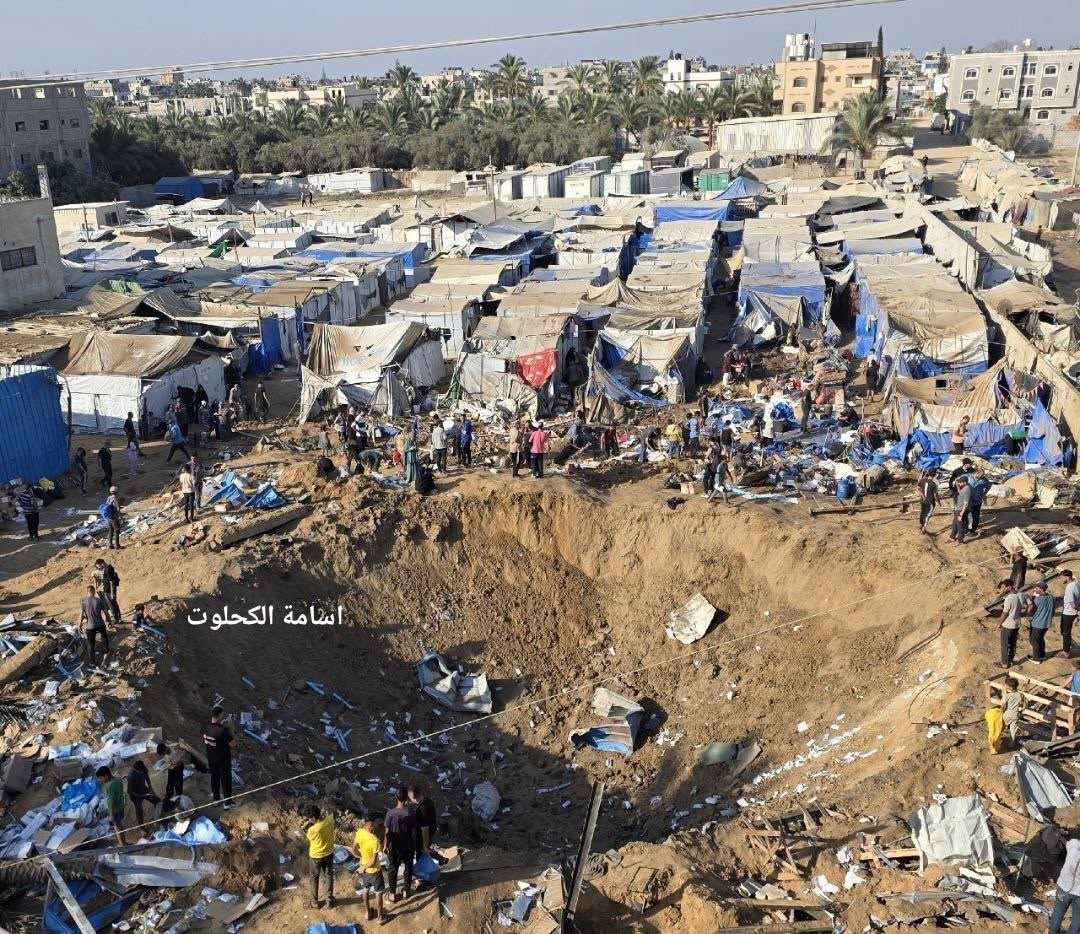
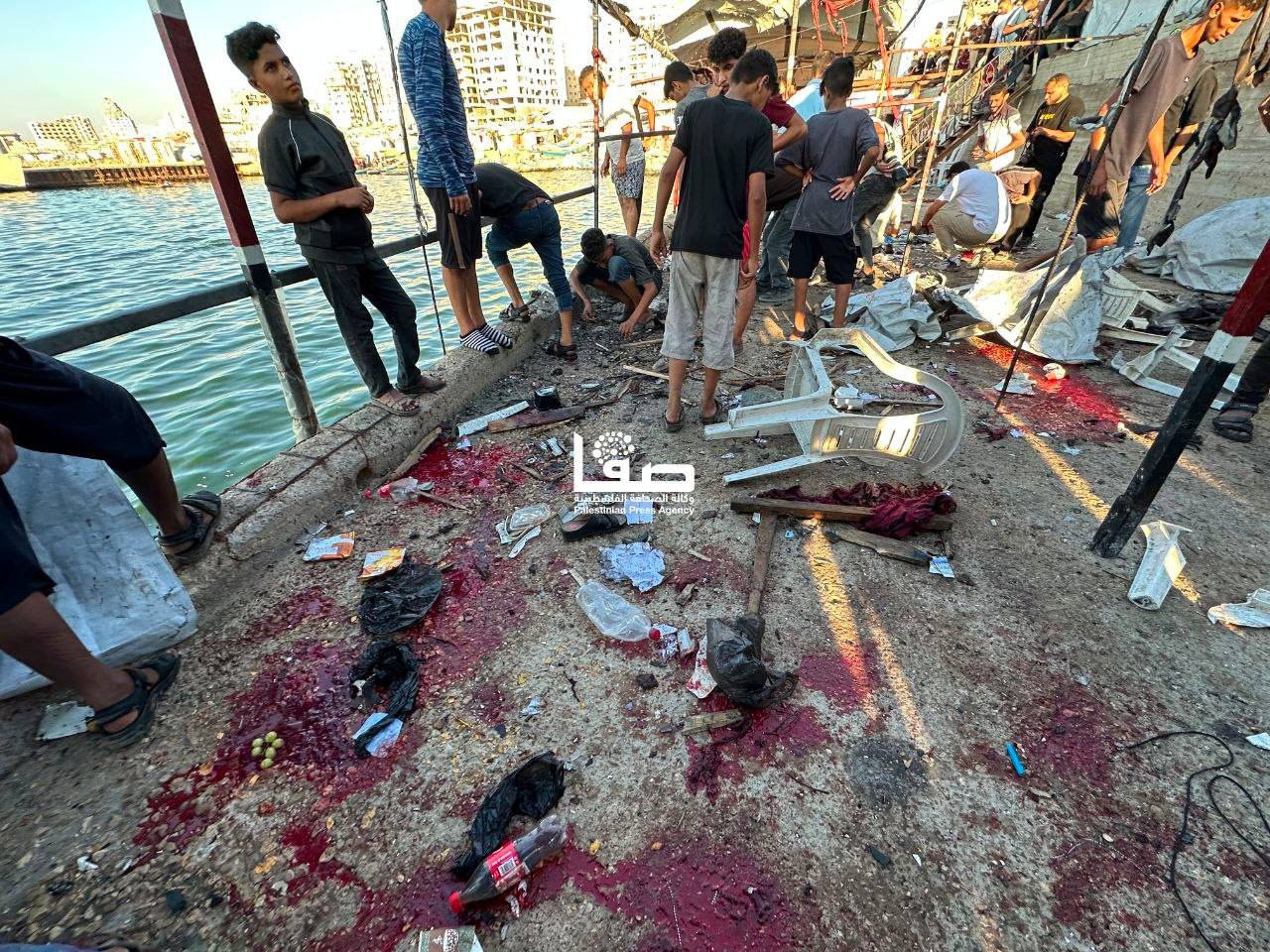
On 6 April, approximately 10 Palestinians were killed and others wounded by Israeli drone strikes and gunfire targeting a gathering of civilians east of al-Maghazi camp in the central Gaza Strip.

Awda explains that restrictions on the entry of medical supplies have severely impacted health services, pointing to the difficulty in providing essential medications, especially for chronic diseases such as insulin.

She also notes a severe shortage of surgical instruments, sterilization materials, and infection control supplies, which has negatively affected the quality of medical care and the teams’ ability to treat patients.

Diseases Spreading


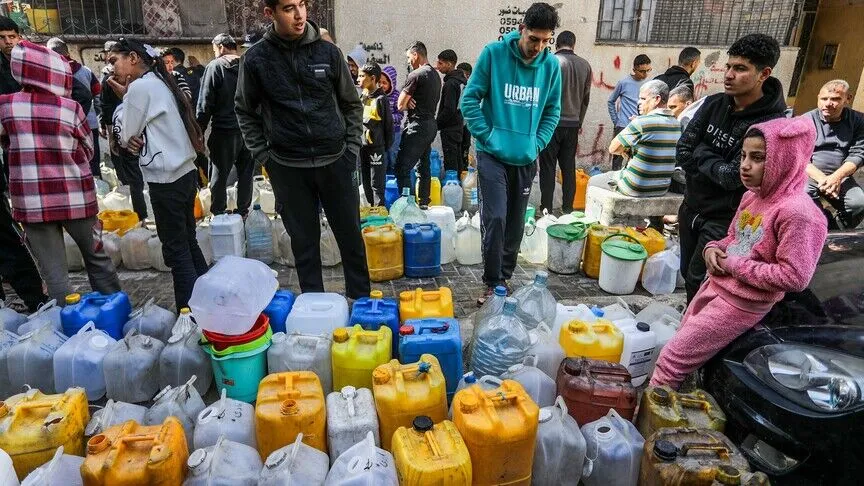
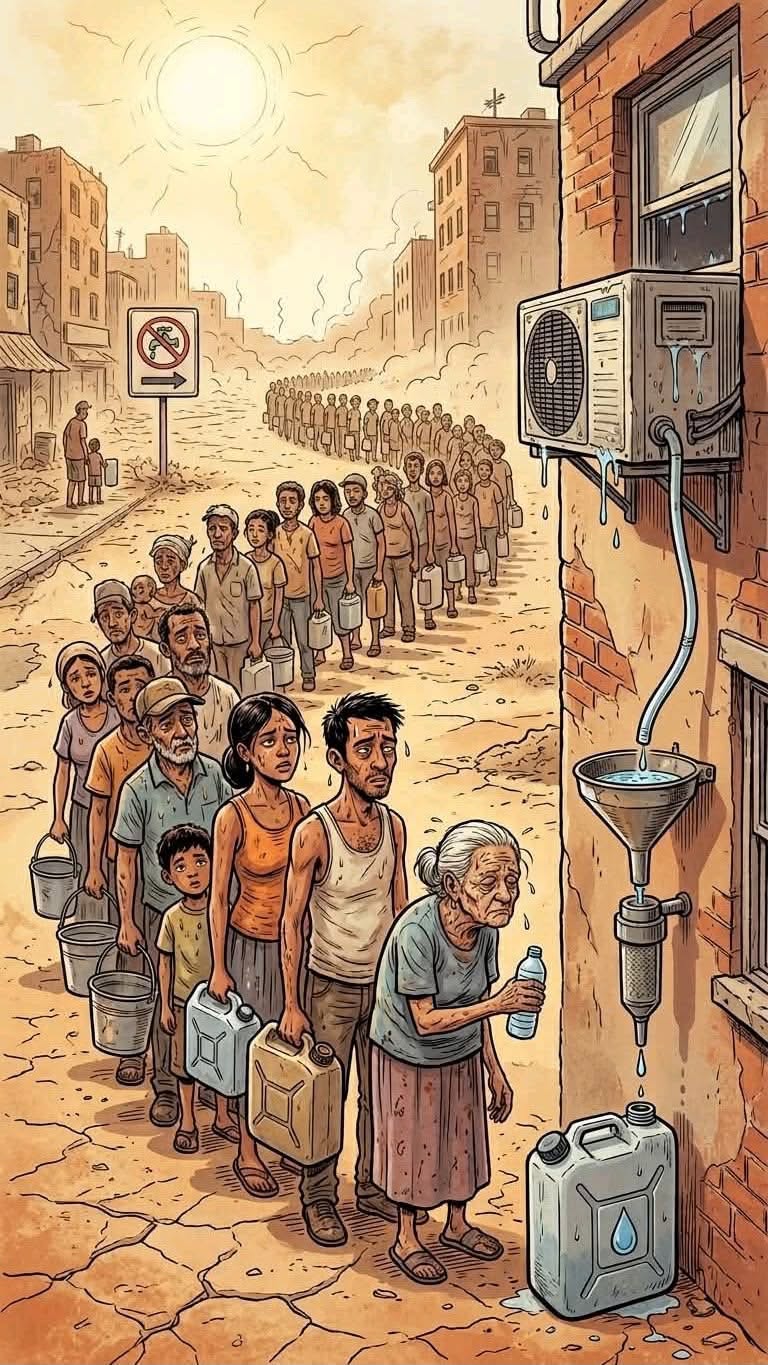
Awda warns of outbreaks of diseases linked to deteriorating living conditions, such as skin diseases, diarrhea, and respiratory illnesses, resulting from the scarcity of clean water and inadequate sanitation services.

She emphasizes that diseases like scabies have become more prevalent, especially among children in shelters and tents, due to the lack of hygiene and adequate healthcare.

These statements coincide with warnings issued by the WHO Regional Director for the Eastern Mediterranean, Hanan Balkhi, in an interview with Anadolu Agency on Monday, that the spread of diseases in Gaza threatens the entire region due to ongoing Israeli restrictions on the entry of medical aid, which hinders the health response.

Increasing Cases

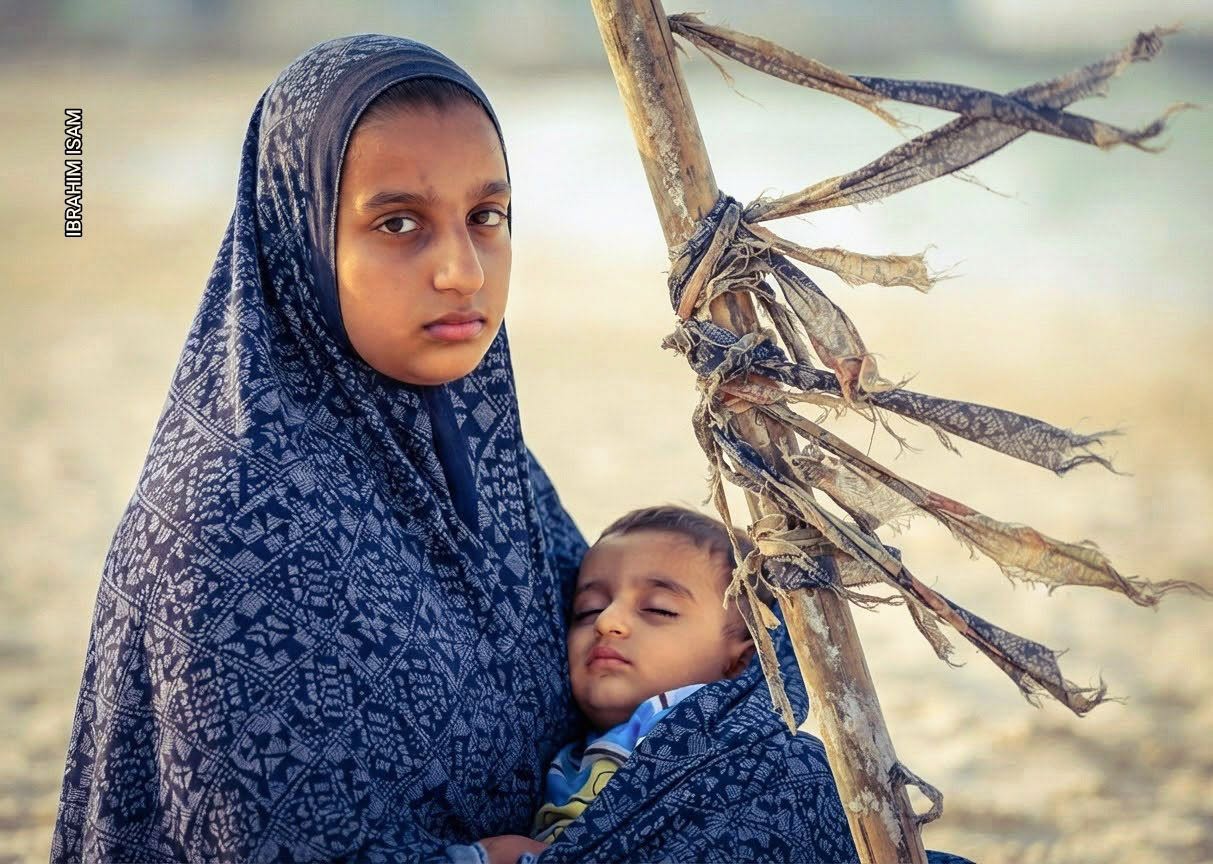
Awda points out that children are the most vulnerable group, with medical facilities receiving increasing cases of respiratory illnesses and infections, including meningitis, in addition to worsening skin diseases.

She adds that some families delay seeking treatment due to the social stigma associated with skin diseases, which exacerbates the children’s health conditions.

She stressed the need for “real political pressure” on Israeli authorities to allow the urgent entry of medical and food supplies, warning that the continuation of the current situation threatens dire humanitarian consequences.

She affirmed that “the suffering of the population continues despite talk of a truce, amid a severe shortage of resources and a decline in basic services,” calling for immediate international action to save what remains of the health sector in Gaza.

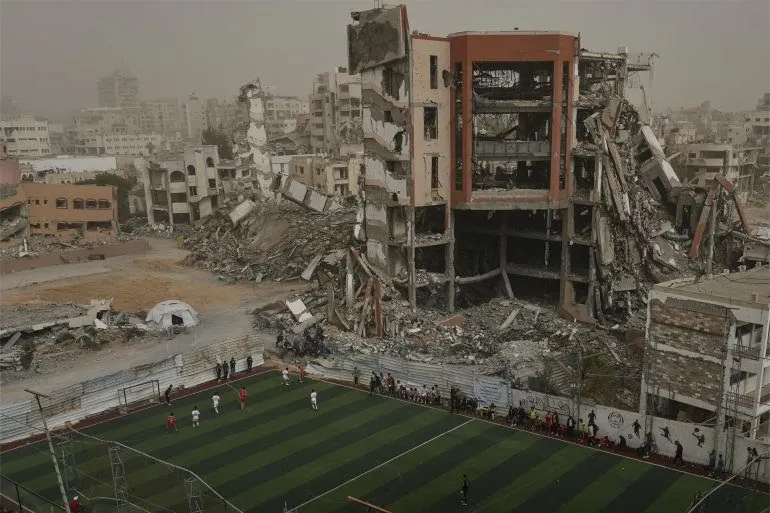
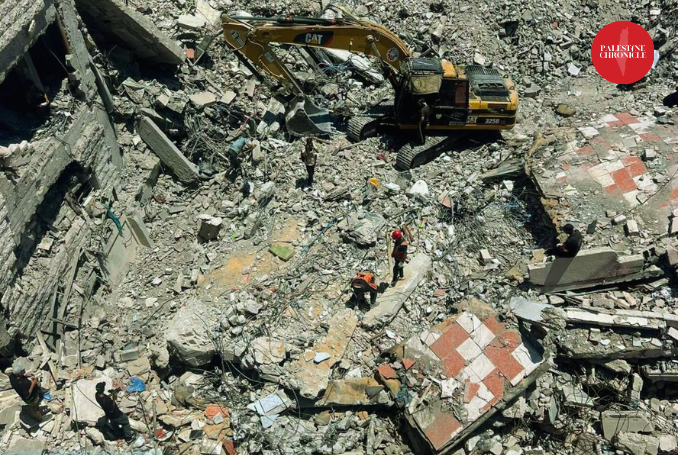
The ceasefire agreement was reached after two years of a genocidal war launched by Israel in Gaza on October 8, 2013, with US support. The war continued in various forms afterward, leaving more than 72,000 Palestinians dead and over 172,000 wounded, and causing widespread destruction affecting 90 percent of the civilian infrastructure.

Continue reading
Bint Jbeil: An Epic Battle

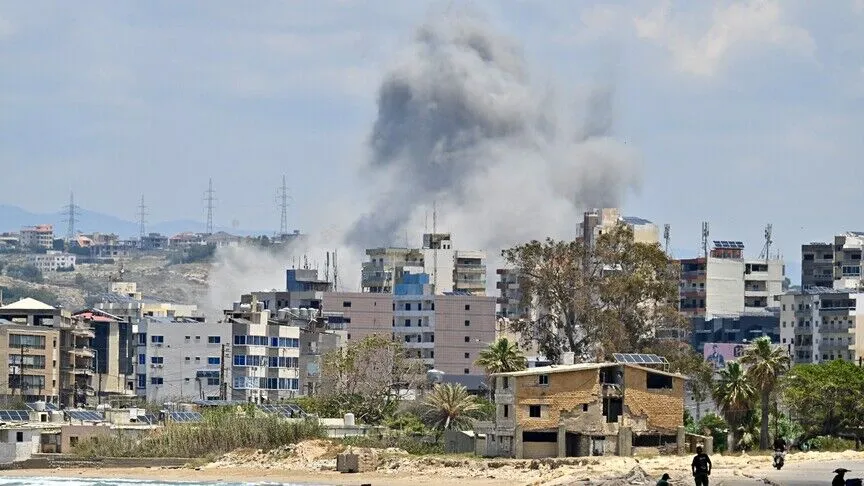
The southern Lebanese city of Bint Jbeil has become a direct battleground between Israeli forces and Hezbollah fighters with the later employing new attrition tactics and reflecting a shift in the nature of ground operations and which signals a protracted and costly battle for both sides.

For a week now, clashes have continued in the town at “point-to-point range” fighting. The Israeli army is attempting to advance into the town, while Hezbollah fighters repelling them through ambushes and direct targeting.

Hezbollah fighters are focusing on disrupting the supply lines of the advancing soldiers and targeting their movements within the neighborhoods, particularly around the municipal stadium and the Al-Baraka district according to the official Lebanese National News Agency. This fighting style relies on hit-and-run tactics rather than traditional entrenchment.

Meanwhile, Israel’s Channel 12 has revealed an army plan to establish 15 permanent military bases in Lebanese border villages, reflecting a trend towards establishing a long-term on the ground presence, as the Israeli army has received instructions to intensify its operations and achieve maximum gains.

Between Israel’s pursuit of a swift military victory and Hezbollah’s reliance on attrition strategies, the battle of Bint Jbeil appears poised to become a pivotal point to the confrontation, as everyone awaits the outcome of parallel diplomatic efforts led by Washington to reach a ceasefire agreement.

Geographical and Symbolic Political Significance

Retired-Brigadier General Naji Malaeb, a military expert, told Anadolu Agency the city is vitally important to Israel asides from its military dimension, speaking of a moral dimension to do with a “deterrence equation” following the withdrawal of Lebanese army forces from southern Lebanon.

He explained Bint Jbeil lies within an area that Israel seeks to transform into an 8-kilometer-deep buffer zone, making its control a central objective in any future ground operation.

The retired-Brigadier noted Israeli forces attempted to encircle the city from several directions before storming it, but they encountered fierce resistance that hindered their advance, transforming the battle into an open confrontation within the city’s neighborhoods.

Bint Jbeil, located just 3 kilometers from the border with Israel, is one of the most prominent cities in southern Lebanon, not only for its geographical location but also for its political and military symbolism since the 2006 war.

Its sits at an altitude of approximately 770 meters above sea level and is about 122 kilometers from Beirut, holding strategic importance due to its position in the central section of the Lebanese-Israeli border within the Nabatieh Governorate.

Following Israel’s withdrawal from southern Lebanon in 2000, the former Secretary-General of Hezbollah, Hassan Nasrallah, delivered a speech in a stadium in Bint Jbeil, stating that “Israel, despite possessing nuclear weapons and the strongest air force in the region, is weaker than a spider’s web.” This underscores the symbolic significance of the area.

Israeli media outlets rebroadcast the speech after the Israeli army besieged Bint Jbeil and launched its attacks while publishing images showing Israel bombing the stadium where Nasrallah delivered his speech.

Shift in Combat Tactics

In his analysis of field operations, the military expert noted that Hezbollah developed a significant shift in its combat strategy with its fighters no longer relying on fixed defensive lines as in previous confrontations, but instead adopted a “flexible defense” model.

Malaeb explained the new approach focuses on attrition tactics rather than completely preventing the advance of attacking forces through mobile ambushes, targeted strikes on supply lines, and redeployment within villages.

The military expert believes this approach explains the continued fighting in areas Israel has declared under its control, such as the town of Khiam, where clashes persist today.

He also pointed out that the presence of civilians in some areas, despite the bombardment, reflects the continued partial control of local forces within those regions.

Israeli Response and the Limits of Power

In contrast, expert Malaeb, observed that Israel relies heavily on its air power, escalating its airstrikes on civilian areas, adding the strikes tend to be more about exerting pressure on the ground than having direct military objectives.

This is whilst warning this pattern could lead to further escalation, especially given the rising number of casualties, placing Lebanon in a complex humanitarian and security situation.

In previous statements to Anadolu Agency, a security source explained Israeli army forces were observed in the towns of Naqoura, Bayada, Qouzah, Beit Leef, Yaroun, Adaysseh, Qantara, Mays al-Jabal, and Deir Siryan al-Khiam, in addition to other southern villages.

On Wednesday, 13 people were killed and at least six others were wounded in 24 Israeli airstrikes targeting several areas in southern Lebanon.

Since March 2, the Israeli army has continued its intense attacks on Lebanon, resulting, as of Wednesday, in 2,167 deaths and 7,061 injuries.

Operational Hub

Retired Brigadier General Hisham Jaber, a strategic affairs researcher, spoke to Anadolu Agency about the operational significance of Bint Jbeil, which he described as an “operational hub” encompassing key roads connecting several battlefronts in the south. He explained that the city forms a link between the town of Khiam, the Western Bekaa Valley, and the central sector, making its control essential for any Israeli advance towards the Litani River.

He emphasized that bypassing Bint Jbeil without capturing is “militarily impossible,” given the threat it poses to any advancing forces.

Open-Ended War of Attrition

Jaber predicted that Bint Jbeil would become a protracted war of attrition. He pointed out that the nature of urban warfare, especially in cities with widespread destruction, enhances the effectiveness of guerrilla warfare for the defenders, allowing them to carry out ambushes and engage at very close range, thus increasing the losses of the attacking forces.

He added that the fighters are prepared to wage long-term battles, even under siege, drawing on previous experience in this type of combat.

In assessing the progress of the operations, Jaber noted that the Israeli advance “remains slow, despite the mobilization of a large force estimated at tens of thousands of soldiers.”

He said that the Israeli forces have advanced only a few kilometers in recent weeks and the slow pace of operations reflects the “difficulty of achieving a rapid breakthrough given the terrain and the adopted combat tactics.”

This slowness “contradicts what is expected from conventional operations, where reaching the Litani River was supposed to take a much shorter time.”

The Battlefield and Politics

Amid this backdrop, military operations intersect with rapidly evolving political moves. Last Tuesday, Washington hosted talks between Lebanon and Israel for the first time in 43 years. At the conclusion of these talks, the two sides agreed to begin peace negotiations, the location and timing of which will be determined later.

On Wednesday evening, the Israeli Security Cabinet convened to discuss a US request for a ceasefire with Hezbollah.

The Israeli Broadcasting Corporation reported that the Cabinet is currently discussing the US ceasefire request, and several ministers have expressed their opposition to it.

The corporation quoted an unnamed Israeli source as saying “advanced negotiations are underway for a temporary ceasefire between Israel and Hezbollah,” at the request of the United States.

The source added “a ceasefire is likely to take effect in the coming days.”

He further stated Israel “does not reject the US request for a temporary ceasefire, in exchange for a commitment to resume fighting if no agreement is reached with Iran, and on the condition that Hezbollah ceases fire.”

There was no immediate comment from Hezbollah, which has been attacking Israeli targets with rockets and drones in response to Tel Aviv’s continued attacks.

Continue reading
Bint Jbeil: Town of Heroic Resistance

By Mohammad Jaradat

Weaker than a spider’s web. This is a slogan used by the late martyr Sayyed Hassan Nasrallah, from here in Bint Jbeil that represents the crucible of southern Lebanese geography intertwined with a history of resistance from the last century against the French occupation, and the crown jewel of northern Palestine in the face of the British occupation. Here, some of Sheikh Izz ad-Din al-Qassam’s men received their training and ammunition for the battlefield.

The Litani River, with its proud craned neck, peering from its geographical depression into the nearby hills, eastward towards Ainata and southward opposite Maroun al-Ras and Ain Ebel peers in fervor. Here, the Israeli occupation army finally declared its encirclement after 50 days of war and nearly a month of intermittent ground incursions by their two fully equipped divisions.

The 98th Division, with over 15,000 soldiers, advanced from the east, and the 162nd Division, with a similar strength, advanced from the west. The spokesperson of this “army” boasted that the sports stadium had been captured. It was here that the complex of “weaker than a spider’s web” took root in the Israeli psyche, beginning in 2000 with the victory speech by Nasrallah, then general secretary of Hezbollah, delivered in this very stadium. This complex solidified in 2006, becoming deeply ingrained in the Israeli psychological and political landscape and surfacing.

Today Bint Jbeil, a southern town with a population of 25,000 and an area exceeding 10 square kilometers, is besieged. The encirclement is now complete, and the Israeli army intends to storm it, as they did in 2006 for four weeks. Then, Brigadier General Gal Hirsch repeatedly announced its capture in three consecutive false claims. Israeli soldiers attempted a takeover 2024, but Bint Jbeil remained defiant against the invaders, even under the cover of the world’s most powerful air force and accompanied by the most advanced and sophisticated tanks.

Bint Jbeil sits peacefully in its low-lying geographical area, just 3 kilometers from the northern Palestinian border. Only Mount Maroun al-Ras separates it from this border, being fraught with tension and pride. This time the Israeli occupation army traversed its roads, advancing towards the outskirts of Bint Jbeil. Channel 14 of the Israeli entity, albeit through circuitous means, circumvented the military censor’s scissors to reveal the hell of war in Bint Jbeil, where the tank of the commander of Battalion 52 had just been blown up by an anti-tank missile.

The Israeli occupation army is pushing towards Bint Jbeil, fully aware of the symbolic and strategic importance of this town. It is the geographical neck that separates the eastern and western branches of the Litani River. Israel cannot claim to have complete control over the southern Litani without Bint Jbeil. However, its past experiences with the town have been bitter. While it may have studied its reality and learned from those experiences, its people and their resistance have surpassed even the lessons learned and the harshness of the confrontation.

The alleys and lanes of Bint Jbeil bear witness to the footsteps of dozens of resistance fighters and commanders who have fallen within its walls in previous battles. Dozens of Israeli soldiers and commanders have also fallen there. Today, in the Battle of Asif al-Ma’kul (Operation Protective Edge), Bint Jbeil opens its arms not to welcome invaders, but to shelter some of them as prisoners, after the promise made by today’s Secretary-General of the Resistance, Sheikh Naim Qassem. He, a man of action rather than oratory, and he would not have made such a vow unless the men of God, under his guidance, had prepared themselves for the present fight. There are resistance prisoners whom the November 2024 agreement left unfulfilled, and the resistance does not abandon its prisoners in prisons.

A picture of victory.

Through this, Benjamin Netanyahu seeks to market his empty slogans here, even at the cost of dozens of the lives of his soldiers. What he failed to achieve in his aggression against Iran, he now aims to accomplish here in Lebanon, even through direct negotiations with a government that represents only a small minority of subservient individuals. He arrogantly insists on negotiations under fire, hence his insistence that his Chief of Staff, Eyal Zamir, rush to Bint Jbeil, just as Ehud Olmert did previously when he insisted on his Chief of Staff, Dan Halutz, and persisted until some officers, according to Olmert’s later admissions, disobeyed orders and withdrew without permission from some of the areas they had seized in Bint Jbeil, leaving in a worse state than when they had entered.

The concentrated targeting of Bint Jbeil, amidst the rush to resolve the battle, even if only by attempting to stage a photo opportunity in some of its neighborhoods, points to several important aspects, most notably:

First: The quagmire of the Israeli army in southern Lebanon is becoming increasingly entrenched, especially as Israeli political ambitions have begun to outweigh its military achievements on the ground. This is due to the composure of the resistance leadership, its effective management, and its mobile control over key areas in southern Lebanon. It is also due to the pressure of Iranian steadfastness and the interconnectedness of the various fronts, which has driven Netanyahu to seek a preemptive escape by jumping into direct negotiations with the Lebanese government lead by Nawaf Salam in Washington.

Second: This serves to cover up the Israeli-American failure on the Iranian front. This failure, on the one hand, is what prompted the Israeli army to commit Wednesday’s massacres against hundreds of civilians. On the other hand, it indicates the frenzied behavior that gripped Netanyahu after the US agreed to the Iranian condition of halting the aggression against Lebanon, just as it halted the aggression against Iran—a condition that remains a thorn in Israel’s side.

Third: Exploiting the official Lebanese rush towards Israel through direct negotiations—negotiations devoid of any real possibility of agreement. The Lebanese government lacks the necessary realities and is negotiating to secure a ceasefire agreement, separate from any Iranian gains, in exchange for Israel’s insistence on disarming Hezbollah. Hezbollah’s weapons are used to bombard Israeli settlements in northern Palestine day and night, and to destroy invading tanks and vehicles with alarming regularity.

Fourth: Attempting to resolve the stalemate on all fronts south of the Litani River through a decisive battle in Bint Jbeil. This battle is seen as capable of dismantling the entire stalemate. Herein lies the Israeli spirit of adventurism, which might sometimes suit the resistance forces. Israel would not lose much if its gamble failed. However, in the approach of conventional armies, such reckless actions break their backs and cause them to lose their overall balance. This is precisely the situation the occupation army might find itself in if its adventurism backfires on it at the gates of Bint Jbeil or within its shadowy environs.

It is no exaggeration to say that the state of enticement that the Israeli occupation army is pursuing in Bint Jbeil may decide the fate of the aggression against Lebanon as a whole, especially with the insistence of Netanyahu and his war minister Israel Katz and their exertions on the army commanders in the field, at which point continuing to run away since October 7, 2023 will not be of any use.

Mohammad Jaradat is a Palestinian researcher who contributed this article to Al Mayadeen and this article is presented in translation form and reprinted in crossfirearabia.com

Continue reading
11 Palestinians in Israeli Jails For Over 30 Years

The Palestinian Center for Prisoner Studies (a research NGO) have stated 11 Palestinian prisoners have been incarcerated in Israeli prisons for more than three consecutive decades. It said this is a situation that reflects the international system’s failure to achieve justice and protect human rights.

Center’s director Riyad al-Ashqar says the world stands idly by as the lives of these prisoners slip away behind bars, under harsh conditions, threatened with illness and perpetual suffering, without any effective intervention to guarantee their freedom or improve their conditions within the prisons.

He points out Ibrahim Abdel-Razzaq Bayadsa and Ahmed Ali Abu Jaber, both from within the 1948 borders, are among the longest-serving Palestinian prisoners, having spent nearly 40 years in detention since 1986. Mahmoud Salem Abu Kharbish from Jericho and Jumaa Ibrahim Adam from Ramallah have each spent approximately 38 years in captivity since 1988.

Four prisoners from within the 1948 borders—Ibrahim Hassan Aghbaria, Muhammad Saeed Aghbaria, Yahya Mustafa Aghbaria, and Muhammad Tawfiq Jabariyeh—have spent more than 34 years in prison since 1992. Abdel-Halim Sakib Al-Balbisi from Jabalia has spent 31 years in captivity since 1995, while Akram Al-Qawasmi from Jerusalem and Hassan Abdel-Rahman Salameh from Khan Younis have each spent approximately 30 years in detention since 1996.

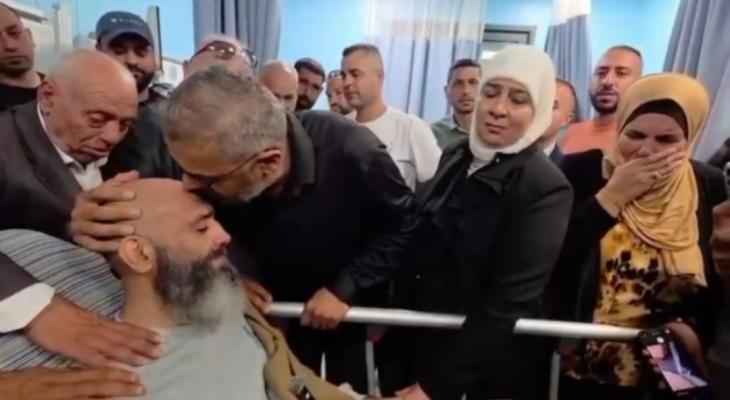
Al-Ashqar emphasizes that these prisoners are not mere numbers; each has a story of long suffering, and many of them have lost loved ones. First-degree relatives were separated from their loved ones during their years of detention, without being able to bid them farewell. JO24

He explained that the majority of prisoners suffer from various illnesses as a result of the harsh detention conditions and the policy of medical neglect. He pointed out that some of them are over seventy years old and require urgent medical care, given the restrictions on treatment and their denial of surgeries or assistive devices.

He also noted the deterioration of the prisoners’ conditions over the past two years, due to the tightening of prison procedures and the escalation of violations against them.

Al-Ashqar reiterated his call for the international community to assume its responsibilities and intervene to secure the release of the long-serving prisoners, emphasizing that they have spent the majority of their lives behind bars and have been subjected to various forms of torture and deprivation.

Continue reading